Description
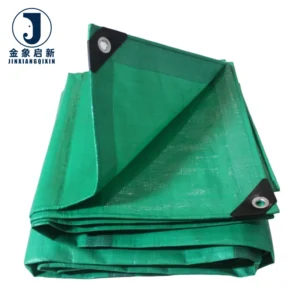
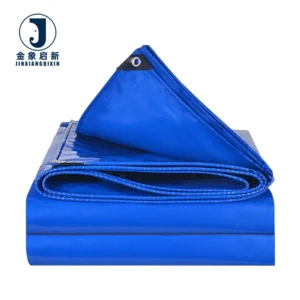
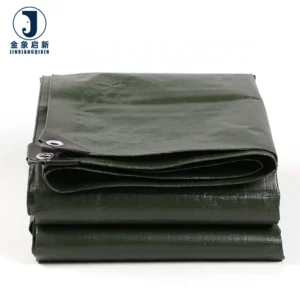
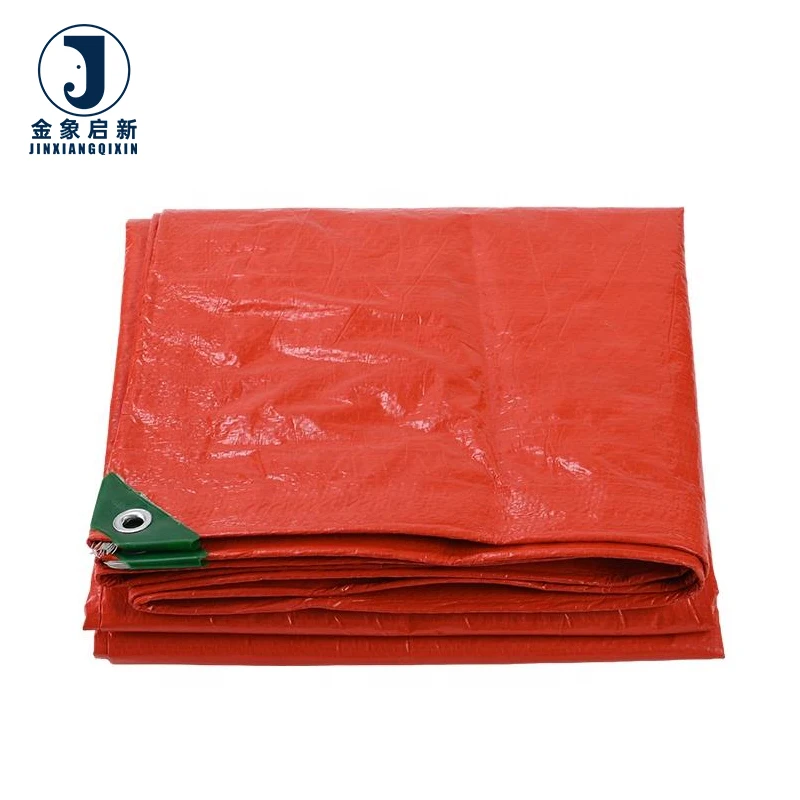
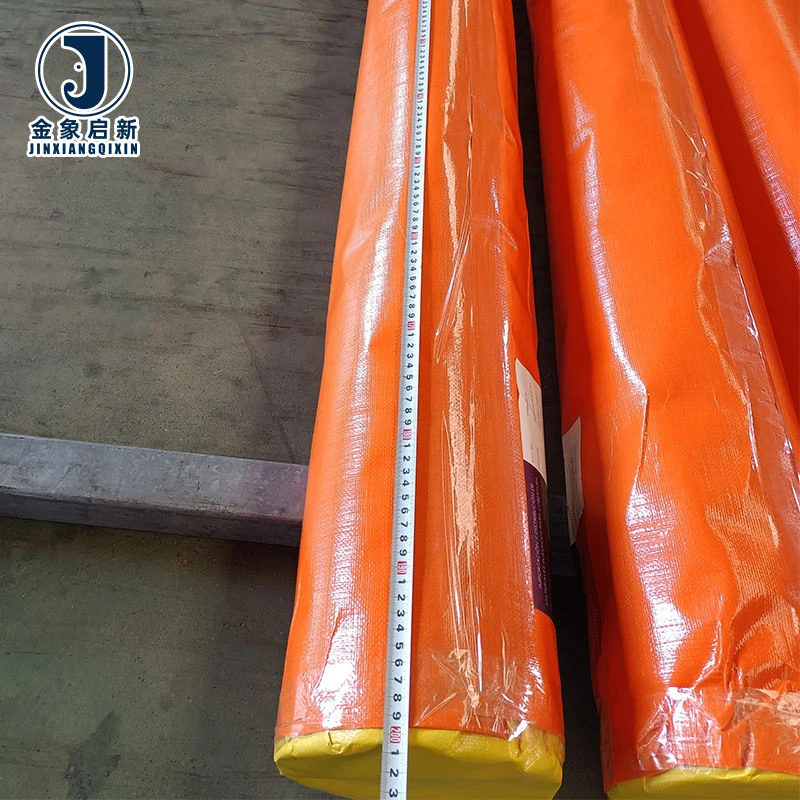
Batch Consistency Controls — every roll of PE tarpaulin is weighed, measured and colour-checked against the order specification before it leaves the warehouse, so the GSM and shade on your packing list match what arrives at your dock.
Technical Specifications
| Parameter | Value |
|---|---|
| Product Type | PE Tarpaulin |
| Material | Polyethylene (PE) |
| Weight Range | 40–500 g/m² (confirm grade for your application) |
| Thickness | 0.18–0.35 mm (varies by weight grade) |
| Mesh Count | 5×5 to 20×20 (varies by weight grade) |
| Tensile Strength | Meridian 300–1200 / Latitude 250–1000 N/5cm (varies by grade, test basis not stated) |
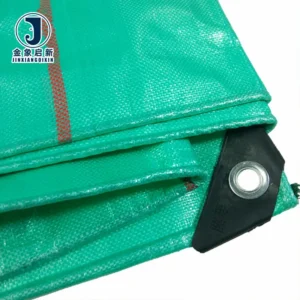
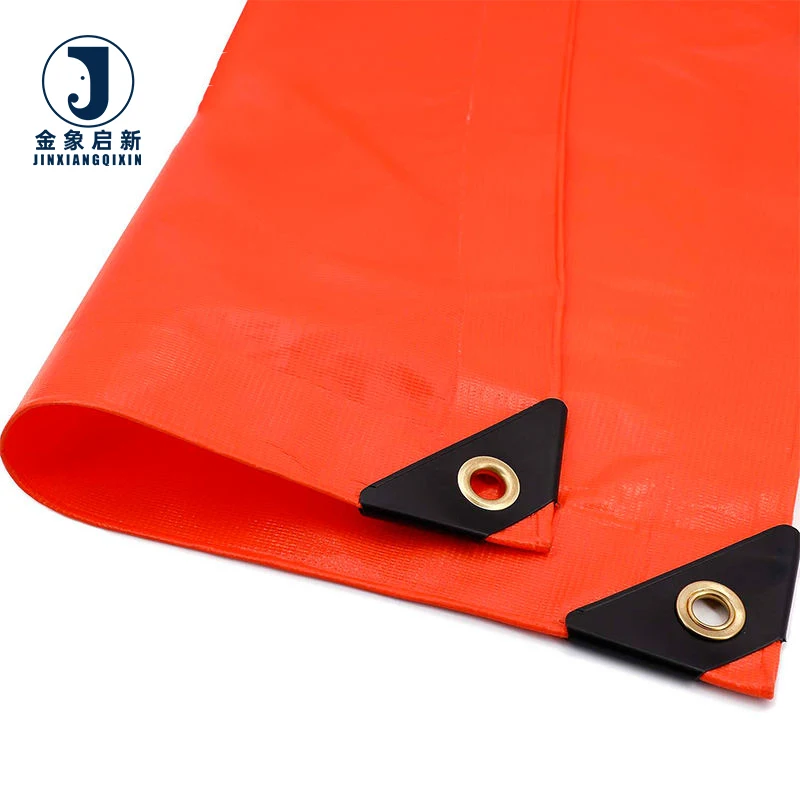
| Surface Finish | Double waterproof surfaces |
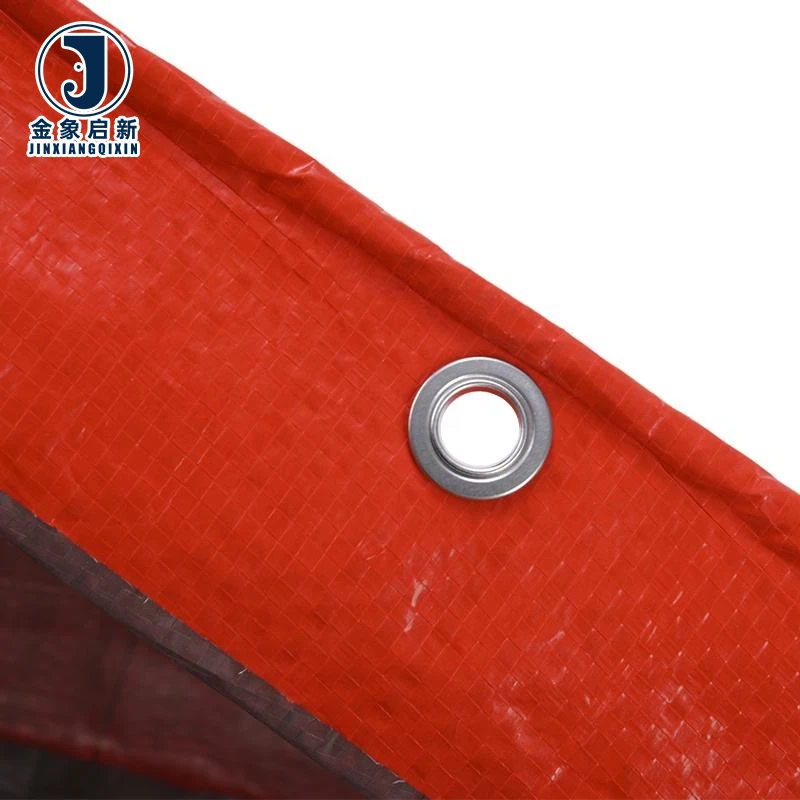
| Edge Reinforcement | Reinforced corner finishing |
| Eyelet Spacing | 39.4 inches (verify against final order) |
| UV Treatment | Available (test basis not stated) |
| Anti-Mildew | Mildew proof treatment available (test basis not stated) |
| Water Resistance | Water-resistant construction |
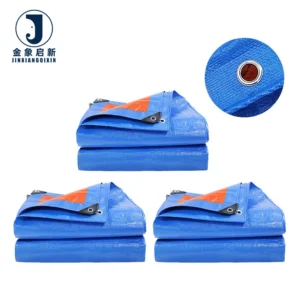
| Custom Options | Width, length, colour |
| Standards | ISO 14001, ISO 45001, CE |
Application Suitability
| Application | Exposure & Requirement |
|---|---|
| Tarpaulin distributor restocking | Roll-to-roll GSM and colour consistency across a full container load |
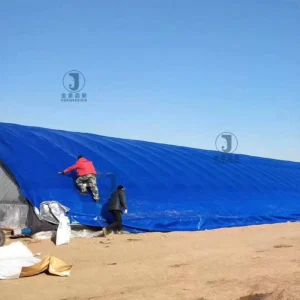
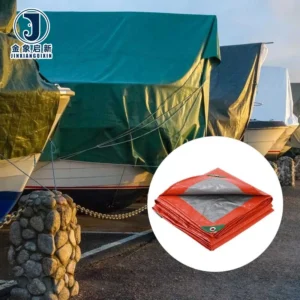
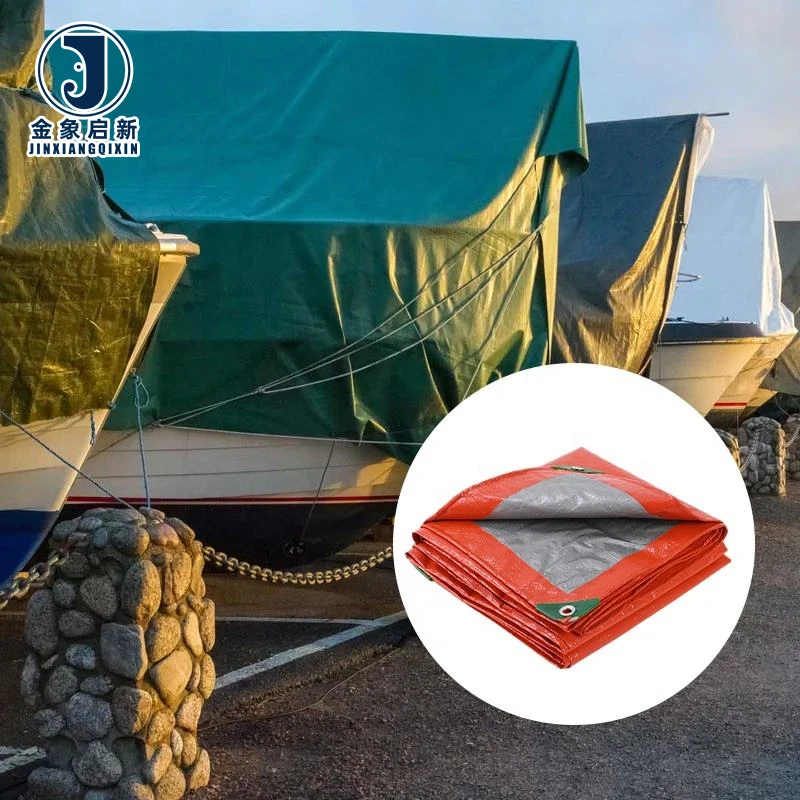
| Agricultural and aquaculture covers | Prolonged sun exposure, water contact, pond lining and stock protection |
| Construction site equipment covers | Abrasion from stacked materials, wind load, UV degradation |
| Truck and trailer load protection | Road debris impact, weather exposure, tie-down flex points |
| Warehouse partition and floor sheeting | Forklift traffic, dust containment, repeated handling |
Why the Quoted GSM Is Not Enough for Wholesale PE Tarpaulin Rolls
Weight verification must happen per roll, not just per order.
Buyers importing PE tarpaulin in volume often face a gap between the GSM on the quotation and the material that arrives on the dock. A lighter fabric may pass visual inspection but fails earlier under load, wind stress or repeated handling. This is one of the most common disputes in the tarpaulin trade and it rarely surfaces until the rolls are already in use or resold to end customers [NEED_CITE: common causes of GSM discrepancy in imported tarpaulin shipments]. For wholesale buyers, a single underweight container can trigger customer returns that far exceed the cost of pre-shipment inspection.
How Roll-to-Roll Consistency Affects Your Resale Reputation
When a distributor loads mixed PE tarpaulin rolls from the same order onto retail shelves, even a slight colour drift between batches becomes visible the moment two sheets are displayed side by side. Batch consistency controls during extrusion and coating are essential to prevent this. For wholesale buyers serving construction or agricultural retailers, consistent shade and weight across the entire container load means fewer complaints and no dead stock from mismatched rolls.
Container Loading Data for PE Tarpaulin Bulk Orders
Efficient container loading depends on roll diameter, width and gross weight per roll. Buyers purchasing PE tarpaulin wholesale need a clear packing plan that states how many rolls fit per 20-foot or 40-foot container, along with total gross weight. This data directly affects landed cost calculations and customs declarations. Without it, buyers risk over-ordering or paying for unused container space, which erodes the margin advantage of buying in bulk [NEED_CITE: container loading optimization for roll goods in ocean freight].
Reading the Specs Beyond GSM for PE Tarpaulin Roll Stock
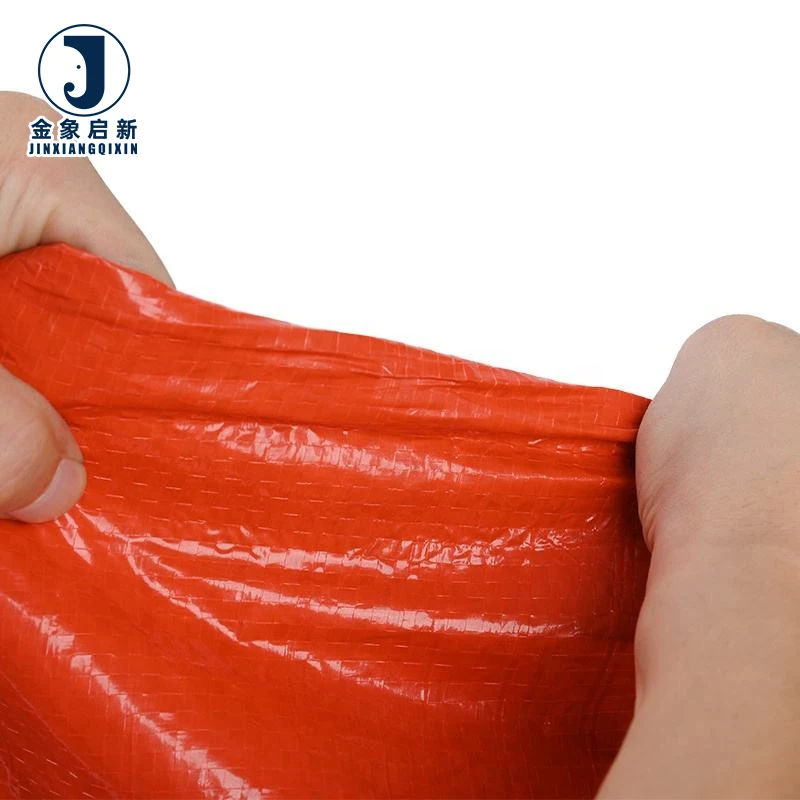
Weight alone tells only part of the story. A 120 g/m² PE tarpaulin with a 10×10 mesh count and high-denier yarn will outperform a heavier roll made with lower-grade base yarn in a loose weave. Mesh count determines how tightly the base fabric is woven, which governs both tensile strength and resistance to tear propagation. The coating weight applied to each surface adds waterproofing and UV protection but also affects flexibility in cold conditions. When specifying PE tarpaulin for resale, buyers should request both GSM and mesh count, then compare tensile values across suppliers rather than relying on weight as the sole quality indicator.
What Inconsistent Roll Weight Costs the Distributor
An order of PE tarpaulin rolls that arrives underweight does not just mean thinner material. Lighter rolls have less coating, which reduces water resistance and UV protection, leading to early failures at the end-user level. For distributors, this means warranty claims, replacement shipments and damaged relationships with retail or contractor customers. The cost of a single returned container can wipe out the margin on several profitable shipments, making per-roll weight verification a necessary step rather than an optional one [NEED_CITE: cost of quality failures in imported textile roll goods].
Why Sourcing PE Tarpaulin Roll Stock Here Works for Volume Buyers
Three full production lines and 36 sets of professional equipment give the facility the capacity to fill container orders without splitting production across multiple batches, which is where colour drift typically starts. A 10-person R&D team develops samples for custom width, colour and print requirements within days, allowing wholesale buyers to confirm specifications before committing to full production runs. Dedicated QA/QC at every production stage ensures 100% inspection before shipment, with each roll weighed and measured against the order sheet. Nearly 30 years of focused coated fabric production means process parameters for each PE grade are well established, reducing the variability that plagues newer producers.
Documentation & Verification
- Material specification sheet stating GSM, base fabric and colour reference for each PE tarpaulin roll
- Pre-shipment inspection record with roll-by-roll weight and dimension verification
- Roll packing list detailing container loading plan by roll count and gross weight
- Certificate of origin and full customs documentation for cross-border shipment
- UV and anti-mildew test reports supplied for treated grades upon request
Fabrication, Handling & Storage
- Heat-seal PE tarpaulin rolls at temperatures matched to the coating grade to avoid delamination
- Reinforce corners and eyelet zones on cut sheets to distribute tie-down load
- Store rolls upright on pallets to prevent flat spots and permanent creasing
- Unroll in moderate temperatures to avoid cracking the PE coating in cold weather
- Use mild detergent for cleaning; avoid solvents that degrade the PE surface
- Plan cutting layouts to maximise yield from each roll width and reduce waste
Before You Request a Quote
Provide the target GSM, roll width and length, and the intended end-use so the correct weight tier and mesh count can be recommended. Specify colour requirements with a reference number or swatch to ensure batch matching across the full order. Confirm whether you need plain rolls for your own fabrication line or finished sheets with eyelets and reinforced edges, as this affects lead time and minimum order quantities.
Frequently Asked Questions
Q: How is GSM verified on each PE tarpaulin roll before shipment?
A: Every roll is individually weighed on calibrated scales and measured for width and length against the order specification. Results are recorded on the pre-shipment inspection report, which accompanies the shipment documentation. This roll-by-roll verification catches any deviation before the container is sealed, so the material arriving at your warehouse matches the GSM stated on your quotation.
Q: What is the MOQ for custom width, colour or print on PE tarpaulin rolls?
A: Minimum order quantities depend on the specific width, colour and treatment combination requested. Custom colours typically require a full production run to ensure dye lot consistency, while standard stock colours may have lower thresholds. Submit your required specifications and annual volume so we can confirm the minimum and provide a container loading plan that matches your restocking cycle.
Q: How do you control colour consistency across rolls in the same order?
A: All rolls in a single order are produced from the same raw material batch under controlled extrusion and coating parameters. In-line colour checks are conducted during production, and a final visual inspection compares rolls side by side before packing. This process prevents shade drift that would be visible when two rolls are unrolled next to each other at the point of sale or installation.
Q: Can you supply test reports for UV and anti-mildew treatment on request?
A: Yes, test reports for UV stabilisation and anti-mildew treatment are available for grades that carry these features. Specify which treatments your market requires during the inquiry stage so the correct grade is selected and tested. Reports are included with the shipment documentation package alongside the material specification sheet and inspection records.