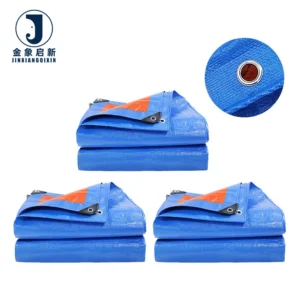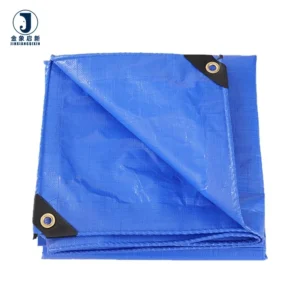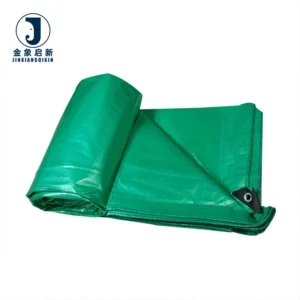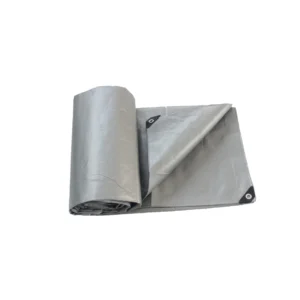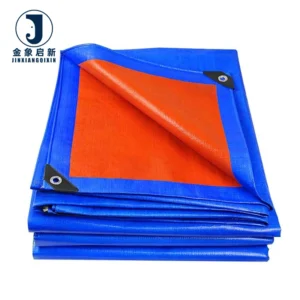
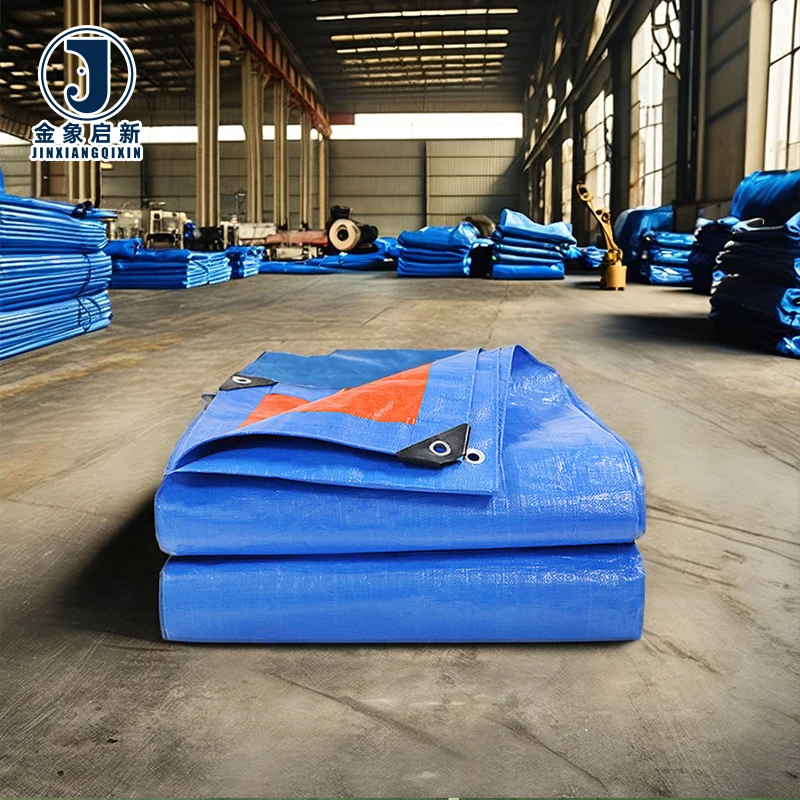
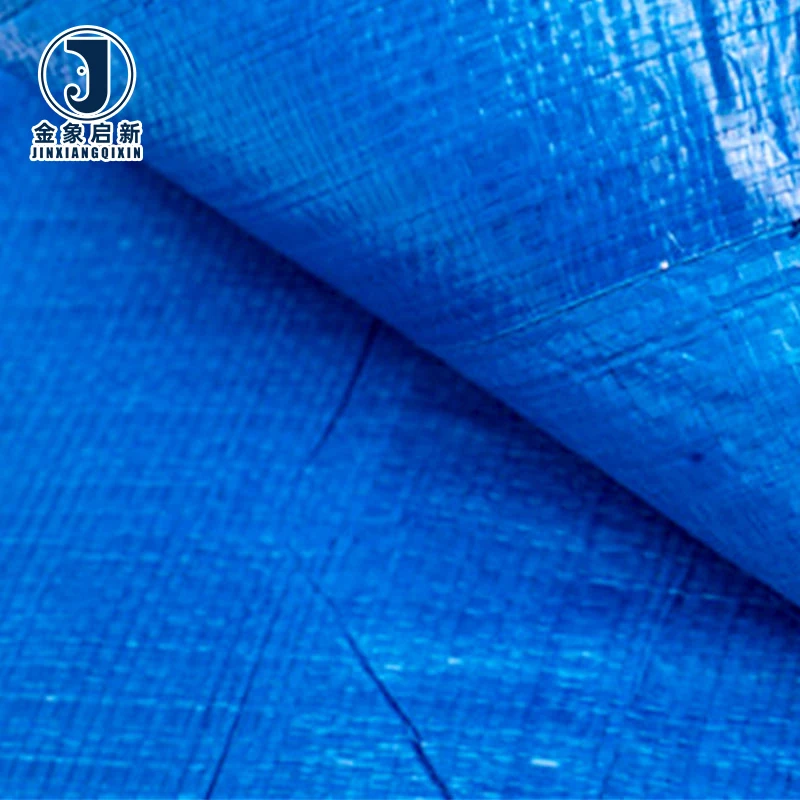
Description
Process Control Over Coating Weight — every PE tarpaulin roll is weighed and inspected against the stated GSM before dispatch, not just at the quotation stage.
Technical Specifications
| Parameter | Value |
|---|---|
| Product Type | PE Tarpaulin |
| Material | Polyethylene |
| Weight Range | 40g~500g/m² |
| Thickness Range | 0.18–0.35 mm |
| Knitting Density | 8×8 / 10×10 / 12×12 |
| Tensile Strength (Meridian) | 300–1200 N/5cm |
| Tensile Strength (Latitude) | 250–1000 N/5cm |
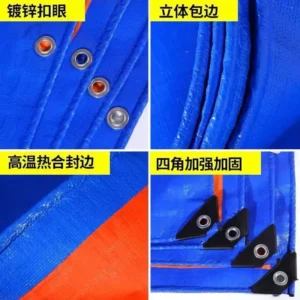
| Surface Treatment | Double waterproof surfaces, UV treatment available |
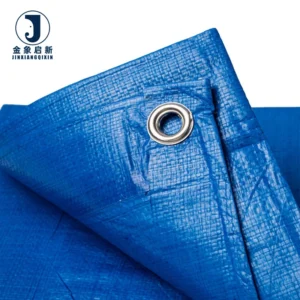
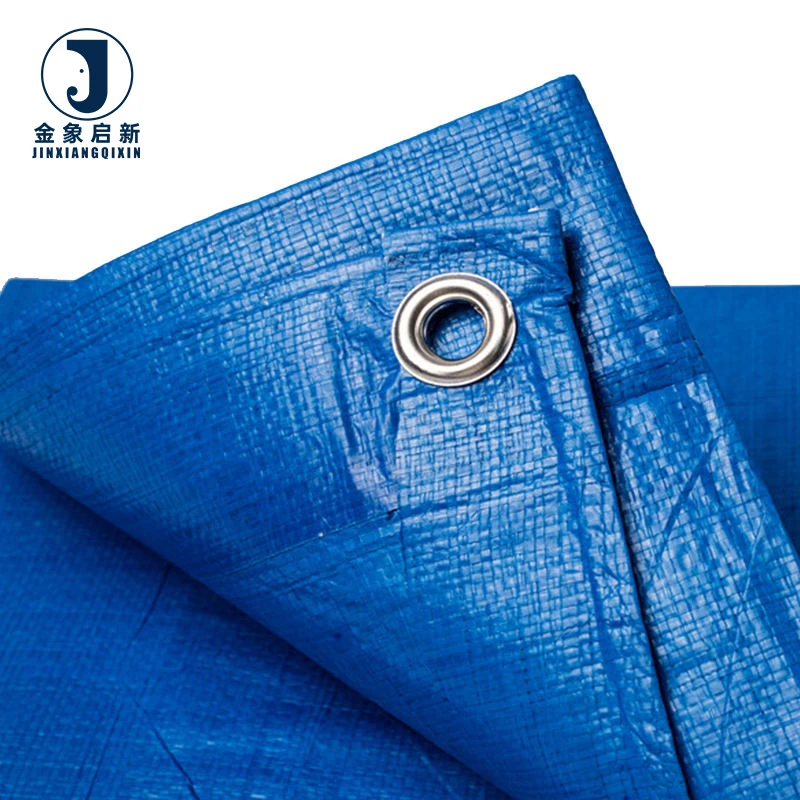
| Reinforcement | Reinforced corners, rustproof grommets |
| Grommet Spacing | 39.4 inches (center to center) |
| Mesh Weave | 5×5~20×20 |
| Size | Custom size |
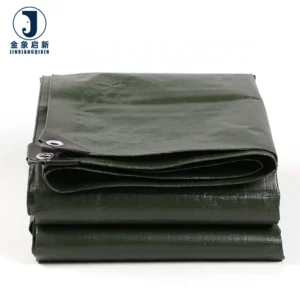
| Color | Custom color |
| Standards | ISO, CE |
Application Suitability
| Application | Exposure & Requirement |
|---|---|
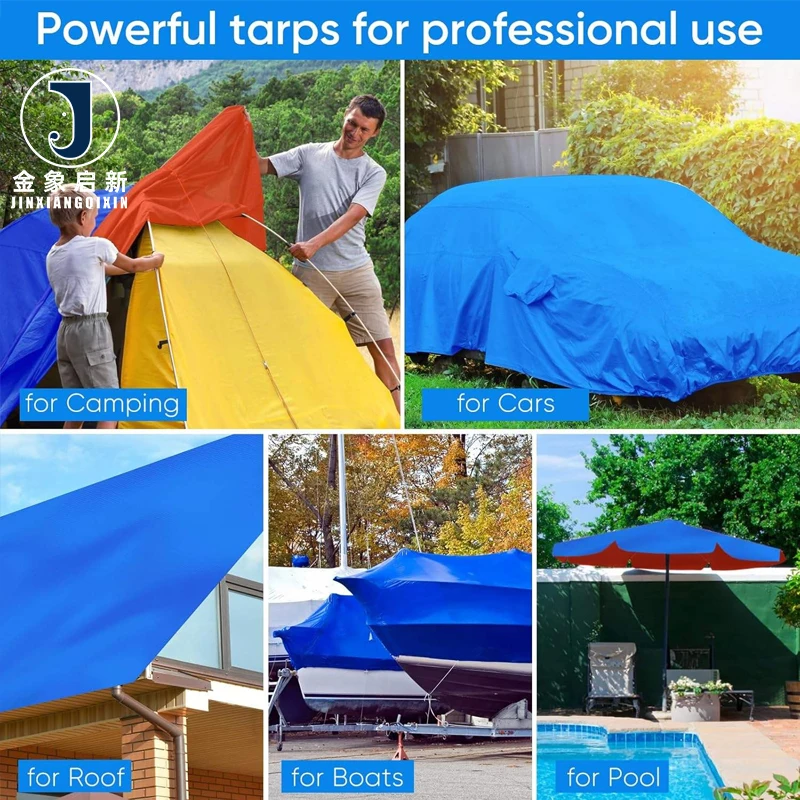
| Agricultural and greenhouse covering | Prolonged UV exposure, condensation, wind load on large unsupported spans |
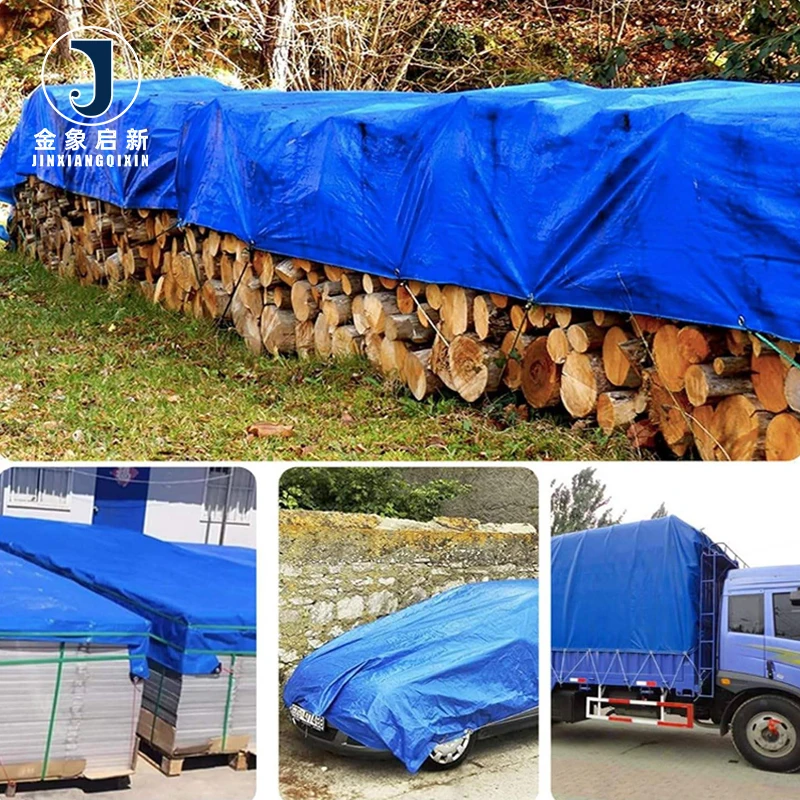
| Warehouse and stockpile coverage | Water ingress prevention, dust control, repeated handling and repositioning |
| Truck and transport tarpaulin | Road abrasion, flexing at tie-down points, weather exposure during transit |
| Pond and reservoir liner | Continuous water immersion, soil chemistry contact, puncture from substrate |
| Outdoor canopy tents and event covers | UV degradation, rain pooling, frequent assembly and disassembly cycles |
| Construction site equipment wrap | Debris impact, moisture exposure, short-term weathering between uses |
Why Roll-to-Roll Weight Consistency Matters for PE Tarpaulin Buyers
A quoted GSM is only useful if it survives the pre-shipment inspection.
I have seen container loads of PE tarpaulin rolls arrive at the destination weighing noticeably less per square metre than the specification sheet promised. The distributor then faces claims from downstream customers who cut, install, and discover the material tears under loads the quoted grade should have handled. This is not a material defect in the traditional sense — it is a verification gap between the quotation and the roll that actually ships [NEED_CITE: pre-shipment inspection standards for coated fabric rolls]. When you are loading a full container, one underweight roll is a problem; an entire container of them is a commercial disaster.
How Mesh Count and Knitting Density Define the Roll You Receive
When ordering PE tarpaulin rolls by the container, the knitting density specification — whether 8×8, 10×10, or 12×12 — directly determines how much base fabric is present in every square metre. A higher mesh count means more yarn crossings per unit area, which increases the amount of PE coating the fabric can hold and distribute evenly across the surface. This is why two rolls at the same stated GSM can behave differently under load if their base weave structures diverge.
Colour Matching Across a Full Container Load
Distributors importing PE tarpaulin rolls for regional resale cannot afford visible colour variation between rolls from the same order. If a customer installs two rolls side by side on a warehouse roof or a market stall canopy and sees a shade difference, the entire batch is called into question. Colour consistency is controlled at the compounding and extrusion stage, not corrected after coating. Every roll in a given production run must draw from the same PE colour masterbatch lot, and this needs to be documented before the container is sealed [NEED_CITE: batch colour consistency methods for polyethylene coated fabrics].
Reading the Specification Sheet Beyond the GSM Number
The weight range of 40g~500g/m² spans from lightweight temporary covers to heavy-duty industrial wraps, but GSM alone does not predict field performance. A 150 g/m² roll woven at 12×12 will typically show higher tensile values than a 150 g/m² roll woven at 8×8, because the denser base fabric distributes stress across more yarn crossings before the coating takes the load. Similarly, the thickness range of 0.18–0.35 mm tells you about the total coated cross-section, which influences stiffness and handling behaviour during fabrication — a thicker roll may be harder to heat-seal at high speed on automated welding equipment. Tensile strength values across meridian and latitude directions reveal whether the fabric will resist stretching more along the warp or the weft, which matters when you are cutting panels for truck covers or tent roofs where load direction is predictable. Grommet spacing at 39.4 inches and reinforced corners address the most common failure point: the tie-down edge where concentrated stress meets the cut edge of the fabric.
The Hidden Cost of Accepting Rolls Without Verification
When a distributor accepts a container load without checking GSM against the spec sheet, the consequences surface weeks later in the field. Covers that should have lasted a full agricultural season fail during the first heavy wind event. Truck tarps split at the grommet line under tie-down tension that the quoted grade was supposed to withstand. Pond liners develop pinhole leaks because the coating weight was too thin to bridge minor substrate irregularities. Each of these failures traces back to the same root cause: the roll that shipped was not the roll that was specified [NEED_CITE: field failure analysis for polyethylene tarpaulin installations].
What Consistent Supply Looks Like in Practice
Three full production lines and 36 sets of professional equipment support bulk roll output with repeatable coating weight across runs. A 10-person R&D team handles custom width, colour matching, and sample development before your order enters production — so you confirm the roll specification physically, not just on paper. Dedicated QA/QC checks at every production stage mean coating adhesion and GSM are measured in-process, not only at final inspection. Samples are developed within days for custom requirements, letting you verify hand feel, stiffness, and colour before committing to a container load. ISO and CE certified production gives importers the documentation framework their customs brokers need.
Documentation & Verification
- Pre-shipment inspection record confirming verified GSM per roll against the purchase specification
- Roll packing list with net and gross weight for accurate container load planning
- Colour reference matched and confirmed across all rolls within the same production batch
- Certificate of origin and full customs documentation included with every export shipment
- Test report for UV and flame-retardant grades provided where applicable and specified at inquiry
Fabrication, Handling & Storage
- Heat-seal temperature and dwell time must be adjusted to the specific thickness grade (0.18–0.35 mm) to avoid coating delamination at weld lines
- Rustproof grommets at 39.4-inch spacing require edge folding of at least 50 mm to distribute tie-down load into the reinforced hem
- Store PE tarpaulin rolls upright on pallets to prevent flat-spot deformation that shows as crease lines after unrolling
- Unroll at temperatures above 5°C to avoid stiffness-induced cracking in cold-weather handling and site installation
- Use mild detergent only for cleaning — solvents and alkaline cleaners degrade the double waterproof PE surface coating
What to Include in Your Inquiry
To receive an accurate specification recommendation and lead time, provide the intended application and the primary exposure conditions the rolls will face. Specify the target GSM grade, required roll width and length, and the colour reference or RAL code for your market. Confirm whether you need finished cut sizes with grommets or raw roll stock for your own fabrication line.
Frequently Asked Questions
Q: How is GSM verified per roll before shipment?
A: Each roll is weighed and measured during pre-shipment inspection. The actual GSM is recorded on the inspection report and compared against the specification agreed at the order stage. Rolls that fall outside the tolerance band are flagged and replaced before the container is sealed, so the weight you quoted to your customers is the weight that arrives.
Q: What are the standard roll widths and can custom widths be ordered?
A: Standard widths cover the range commonly used by distributors and fabricators. Custom widths are available per roll order and are confirmed at the sample stage before production. Width tolerances and maximum widths depend on the specific GSM grade and knitting density selected, so provide your target dimensions at inquiry.
Q: How is batch-to-batch colour consistency controlled across a container load?
A: All rolls in a single order are produced from the same PE colour masterbatch lot. Colour is checked visually and by reference against the approved sample before packing. This prevents the shade variation that becomes visible when two rolls from different production batches are installed side by side on the same structure or vehicle.
Q: What is the MOQ per colour and per GSM grade?
A: Minimum order quantities vary by colour and GSM grade, with standard grades typically carrying lower minimums than custom colours or specialist treatments. Container-load orders across multiple grades can be consolidated into a single shipment. Confirm your required mix of grades and colours at inquiry for an accurate MOQ and lead time.
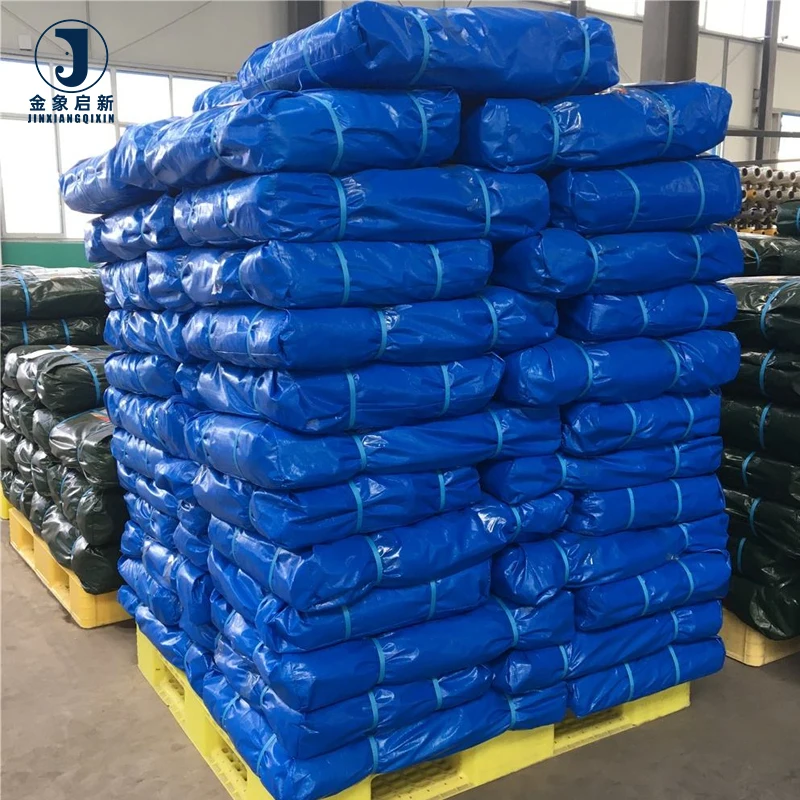
Q: How are rolls packed for container loading to prevent transit damage?
A: Rolls are packed on pallets with protective wrapping to prevent crushing, edge damage, and moisture ingress during ocean freight. The roll packing list details net and gross weight per roll, enabling accurate container load planning and weight distribution. Packing method is adjusted based on roll diameter and weight grade.