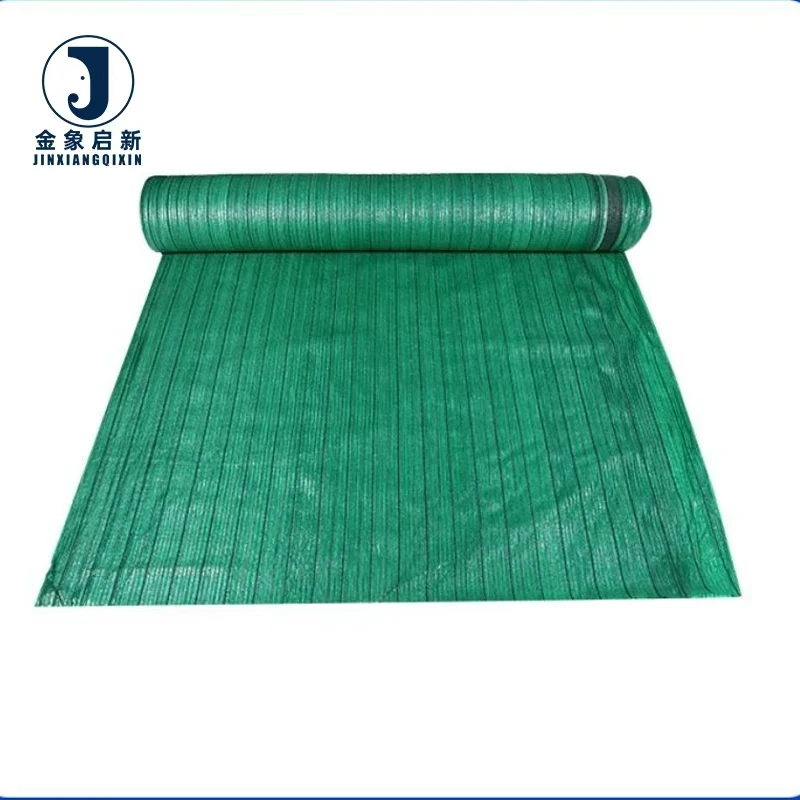
Description
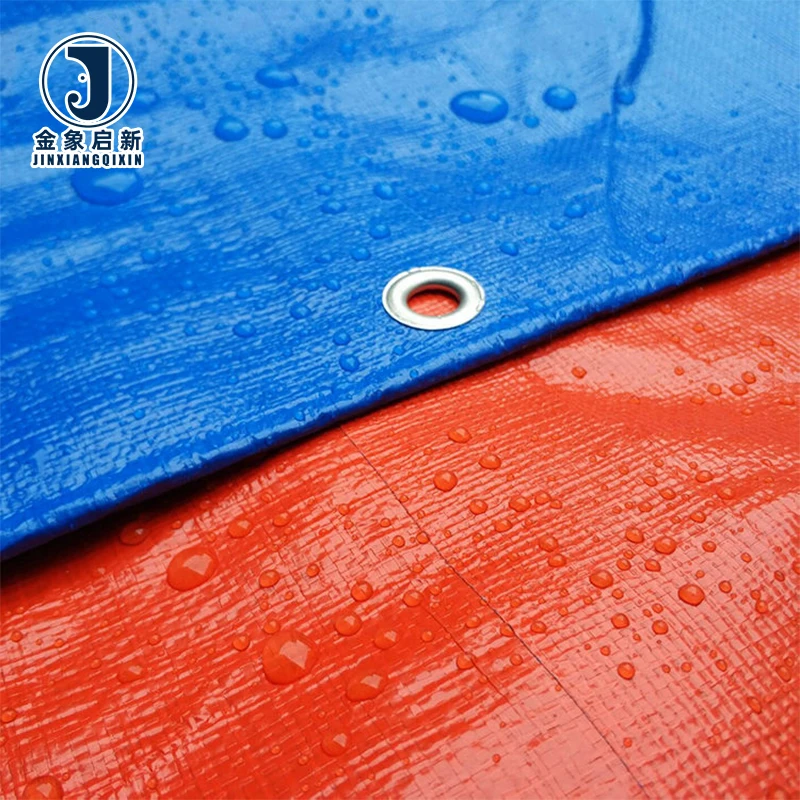
Roll-to-Roll Consistency — Every PE tarpaulin roll ships with a documented weight specification and batch-matched color check, so volume buyers can confirm GSM and shade uniformity on receipt without dispute.
Technical Specifications
| Parameter | Value |
|---|---|
| Product Type | PE Tarpaulin Roll |
| Material | HDPE woven base with LDPE lamination on both sides |
| Weave Density | 7×7 or 7×8 mesh |
| Weight (GSM) | 60 gsm – 80 gsm (confirm the grade for this item) |
| Total Thickness | 0.2–0.4 mm / 8–16 mil / Custom |
| Roll Width Options | 6 ft, 8 ft, 10 ft, 12 ft / 2 m, 4 m, 6 m |
| Roll Length Options | 100 yards, 100 meters, or as per buyer requirement |
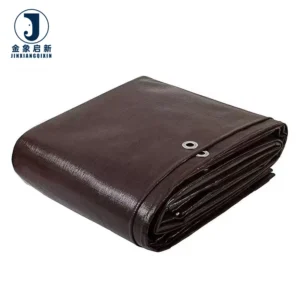
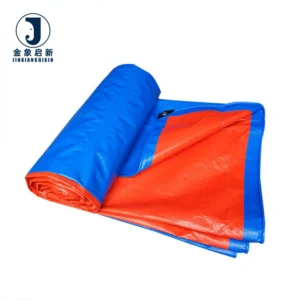
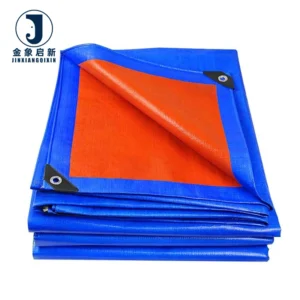
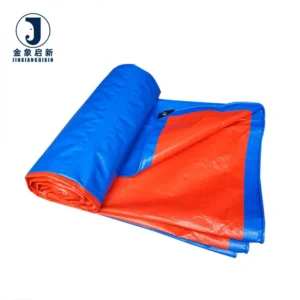
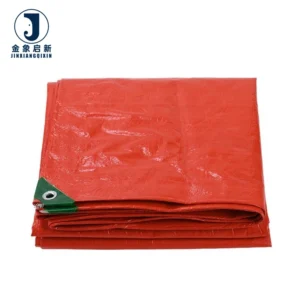
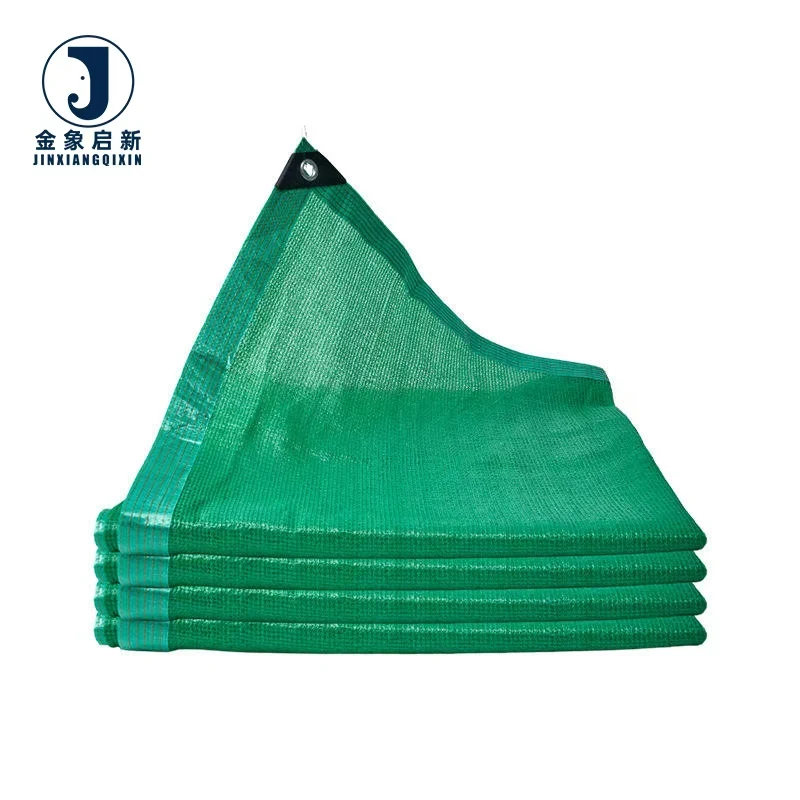
| Available Colors | Blue, Blue/Orange, Green, Grey, Black, Clear, Grey/Green, Orange, or custom |
| Key Features | Waterproof, mildew proof, anti-aging, tear resistant, UV treatment available (test basis not stated) |
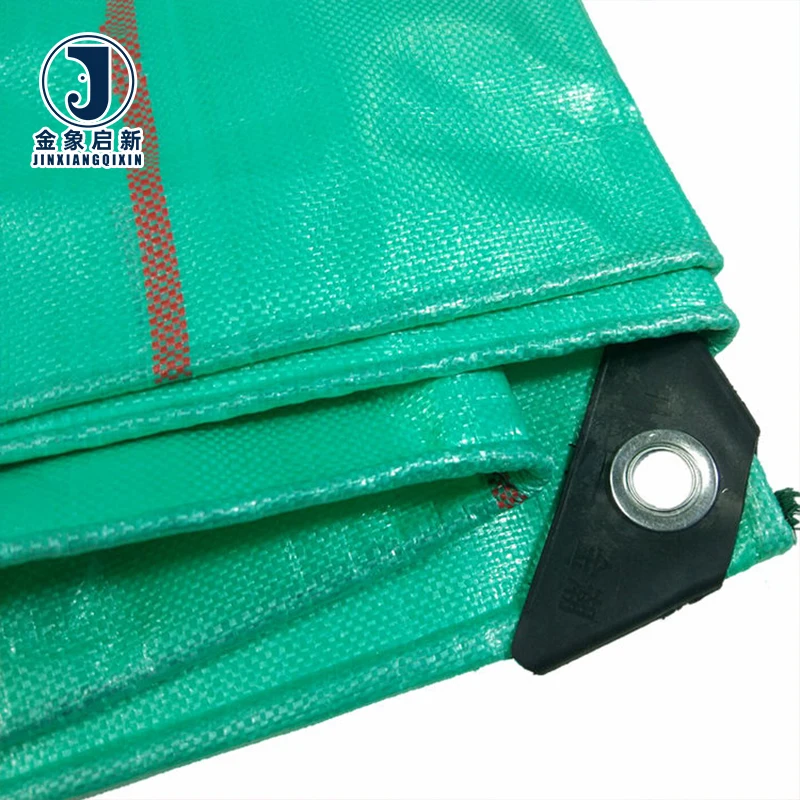
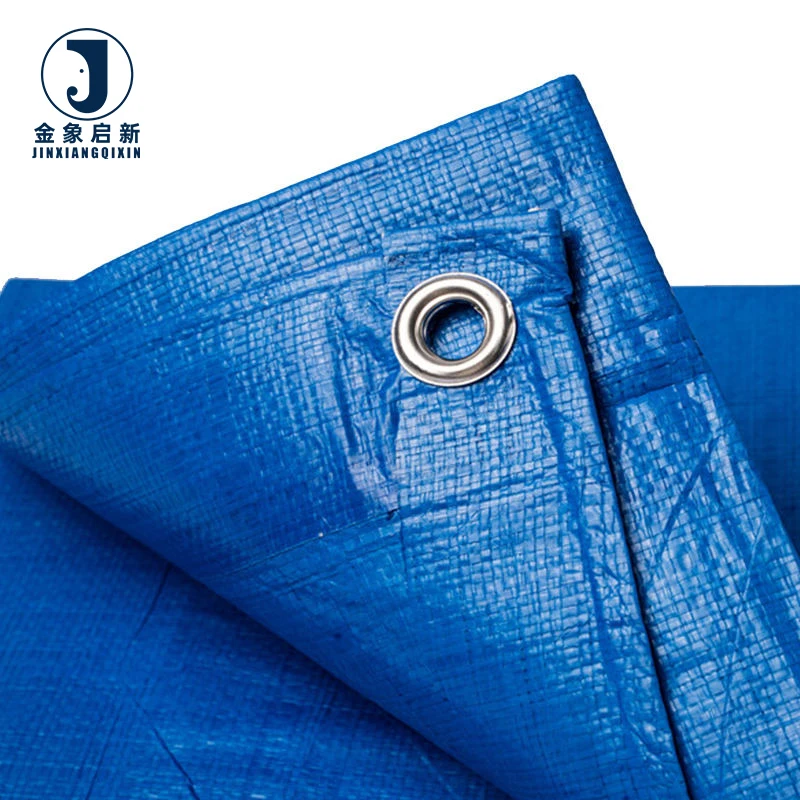
| Edge & Eyelet Options | PP rope reinforced hem on all four edges; galvanized eyelets every 3 ft / 1 m; reinforced plastic corners |
Application Suitability
| Application | Exposure & Requirement |
|---|---|
| Tarpaulin distributors consolidating mixed-GSM inventory | Roll-to-roll weight accuracy and shade consistency for regional resale without buyer complaints |
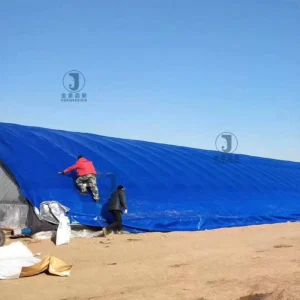
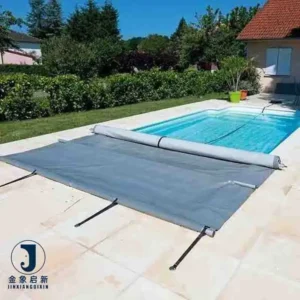
| Agricultural covers for hay, cotton, and crop stockpiles | Prolonged sun exposure, moisture ingress, mildew risk — requires waterproof and anti-aging treatment |
| Construction site material covers and temporary enclosures | Abrasion from aggregate and scaffolding, wind loading on hems and eyelets, UV degradation on exposed surfaces |
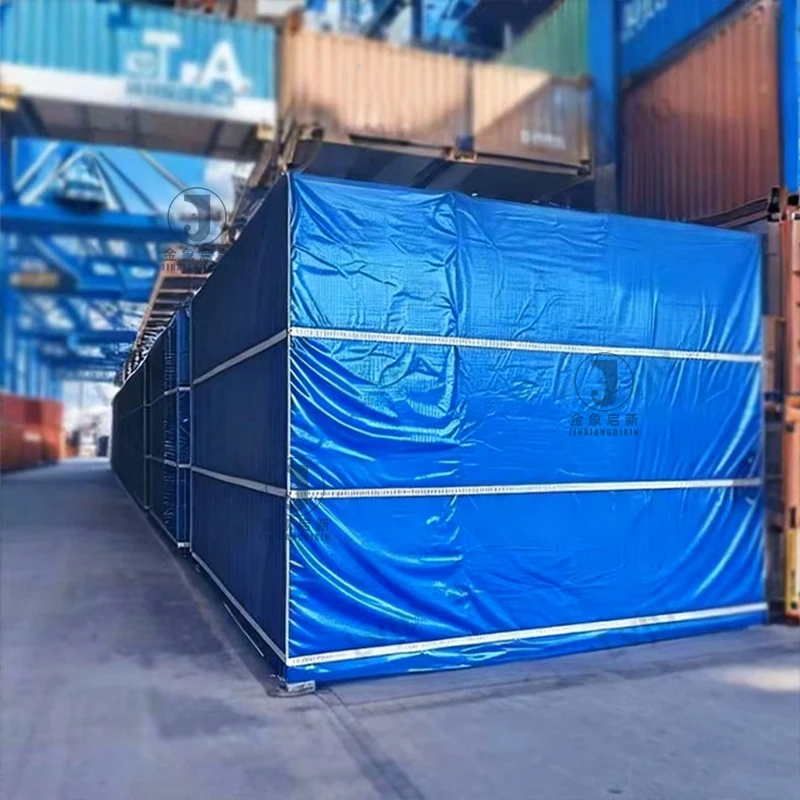
| Truck and container load covers | Road vibration, tie-down strap abrasion, weather exposure during transit |
Why Quoted GSM Rarely Matches Delivered GSM in PE Tarpaulin Roll Wholesale Bulk Orders
Weight verification per roll before dispatch is the only safeguard against underweight shipment.
When sourcing PE tarpaulin roll wholesale bulk, buyers often receive rolls that measure lighter than the GSM stated on the quotation. The discrepancy accumulates across a container load — a few grams per square meter may seem minor on a single sheet, but across hundreds of rolls it represents a significant shortfall in raw material delivered versus raw material paid for. The issue compounds when the coating weight is uneven across the roll width, leaving thin zones that fail prematurely under load. [NEED_CITE: standard methods for measuring coated fabric mass per unit area] Without a documented pre-shipment inspection, the buyer discovers the variance only after customs clearance, when returning goods becomes impractical.
Container Loading Strategy for Volume Buyers
Purchasing PE tarpaulin roll wholesale bulk is fundamentally a logistics exercise. Rolls can be loaded by roll, by bale, or by carton — each method yields different tonnage per container and different handling costs at destination. A 20’GP holds approximately 17 tons by roll, 12 tons by bale, and 9 tons by carton; a 40’HQ holds approximately 28 tons by bale or 20 tons by carton. Choosing the right loading method depends on whether the buyer has automated unrolling equipment or manual handling at the warehouse, and whether individual roll integrity matters more than maximizing weight per shipment.
Batch Color Matching Across Multiple Rolls
Color variance between rolls in the same order is one of the most visible quality failures in wholesale tarpaulin distribution. When two rolls cut and installed side by side show a noticeable shade difference, the end user attributes the inconsistency to the distributor rather than the mill. Controlling this requires matching color references at the LDPE lamination stage and verifying shade under standardized lighting before rolls are grouped into the same shipment batch. [NEED_CITE: colorfastness and shade tolerance standards for laminated fabrics] For buyers ordering multiple container loads over a season, maintaining the same master color reference across production runs prevents drift that accumulates imperceptibly from one batch to the next.
How Weave Density and Lamination Weight Interact
The 7×7 and 7×8 mesh counts in this PE tarpaulin family define the HDPE tape yarn density in the warp and weft directions. A tighter weave provides more yarn intersection points, which distributes load more evenly and limits tear propagation. However, weave density alone does not determine the final GSM — the LDPE lamination coating weight on both sides accounts for a substantial portion of the total weight. A 7×8 fabric with a heavier coating may weigh more than a 7×8 with a lighter coating, yet the base fabric contributes more to tensile and tear performance than the coating does. This is why comparing two rolls on GSM alone, without knowing the base fabric mesh and the coating split, tells an incomplete story about how the material will perform under mechanical stress. Roll width also plays a role in utilization: a 6 m width may eliminate a center seam on a large cover, reducing fabrication labor and removing a potential failure line.
The Hidden Cost of Specifying on Price Per Kilogram Alone
When buyers select PE tarpaulin roll wholesale bulk based solely on the lowest price per kilogram, the supplier has an incentive to deliver at the bottom of the GSM tolerance band — or below it. A roll quoted at 70 gsm but delivered at 62 gsm saves the supplier material cost while exposing the buyer to field failures that damage distributor reputation. Thinner LDPE lamination also reduces waterproof reliability, because the coating may not fully bridge the gaps in the woven base. Eyelets pulled through underweight material tear out under tie-down tension, and hemmed edges separate when the PP rope reinforcement lacks sufficient coating adhesion to grip. [NEED_CITE: coating adhesion and peel strength testing for laminated PE fabrics] The cost of replacing failed covers in the field, including freight, labor, and customer claims, far exceeds the marginal savings from accepting underweight rolls.
Why Source PE Tarpaulin Rolls Here
Three full production lines and 36 sets of professional equipment support bulk output with consistent coating weight across long production runs. A dedicated 10-person R&D team handles color matching, custom width development, and sample preparation within days, allowing buyers to verify shade and hand feel before committing to container quantities. Every production stage carries in-process quality checks, and 100% pre-shipment inspection ensures that roll weight, color, and dimensions are documented before dispatch. With nearly 30 years focused on coated fabric manufacturing, process control over lamination temperature and coating adhesion is maintained through established protocols rather than trial and error. ISO and CE certified operations provide a documented quality framework for buyers who require traceable compliance records.
Documentation & Verification
- Material specification sheet stating GSM, HDPE weave mesh count, and LDPE coating weight per roll SKU
- Pre-shipment inspection record with actual measured GSM for each roll against the quoted value
- Roll packing list with net weight per roll and total weight for container loading verification
- Color reference card and batch consistency check record confirming shade match across the order
- Certificate of origin and customs documentation prepared for destination-country import requirements
Fabrication, Handling & Storage
- Heat-seal at moderate temperatures suited to LDPE lamination to avoid melting through the HDPE base yarn
- Position galvanized eyelets within the PP rope reinforced hem to distribute tie-down load across the rope, not the fabric alone
- Store rolls upright on pallets in a shaded, dry area to prevent compression flattening of the woven structure
- Unroll and allow the material to relax at ambient temperature before cutting to minimize dimensional shift
- Use mild detergent and soft brush for cleaning — abrasive pads can score the LDPE surface and compromise waterproofing
- Plan cutting layouts around the available roll widths (2 m, 4 m, 6 m) to minimize offcut waste and reduce seam count
Before You Request a Quote
To ensure the right grade and configuration for your market, specify the target GSM, the roll widths and lengths you require, and the destination application so we can recommend the appropriate weave density and treatment. If you need rolls color-matched to an existing reference or branded with printed markings, provide the Pantone or physical sample along with your expected annual volume. Confirm whether you need roll stock only or finished sizes with eyelets and reinforced hems, and indicate the container loading method that suits your warehouse handling setup.
Frequently Asked Questions
Q: How is GSM verified per roll before shipment?
A: Each roll is sampled and weighed using a calibrated scale against a known-area template. The measured GSM is recorded on the pre-shipment inspection report, which accompanies the packing list. Rolls that fall outside the agreed tolerance are held back and reworked or replaced before the container is sealed, so the delivered weight matches the quoted specification.
Q: How do you control batch color consistency across multiple rolls in one order?
A: Color is matched at the LDPE lamination stage using a master reference, and every roll is checked under standardized lighting before grouping into the shipment batch. Rolls showing visible shade deviation are separated. For repeat orders, we retain the color reference on file so subsequent production runs maintain the same tone without drift.
Q: What are the container loading options and how many tons fit per container?
A: Rolls ship by roll, by bale, or by carton. A 20’GP holds approximately 17 tons by roll, 12 tons by bale, or 9 tons by carton. A 40’HQ holds approximately 28 tons by bale or 20 tons by carton. We recommend the loading method based on your handling equipment and whether individual roll protection matters for your distribution chain.
Q: Can roll width, length, and color be customized, and what is the MOQ per spec?
A: Custom widths up to 6 m and lengths beyond the standard 100 m or 100 yd are available, along with non-standard colors matched to your reference. MOQ depends on the specific width and color combination requested. Samples are developed within days so you can approve weight, shade, and hand feel before the bulk run begins.
Q: What documentation ships with each roll order?
A: Every shipment includes a material specification sheet for each SKU, a pre-shipment inspection record with measured GSM per roll, a packing list with individual and total net weights, a color batch consistency record, and a certificate of origin. Additional customs or compliance documents are prepared based on destination-country requirements.