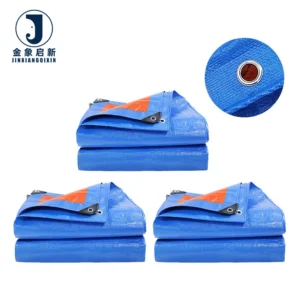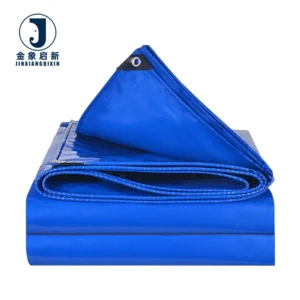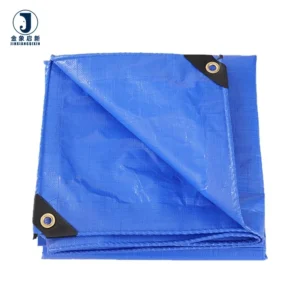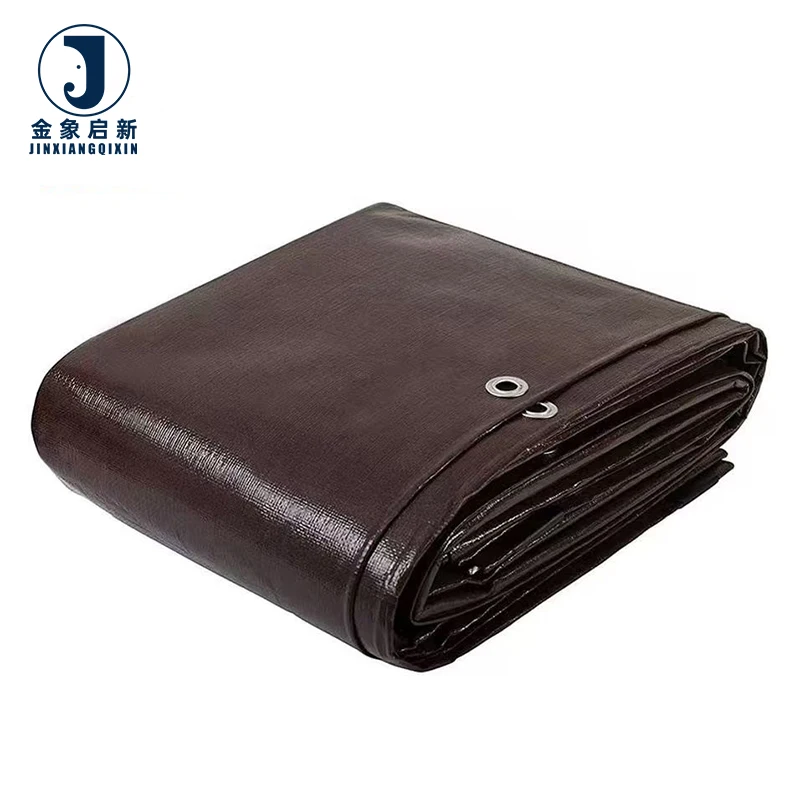
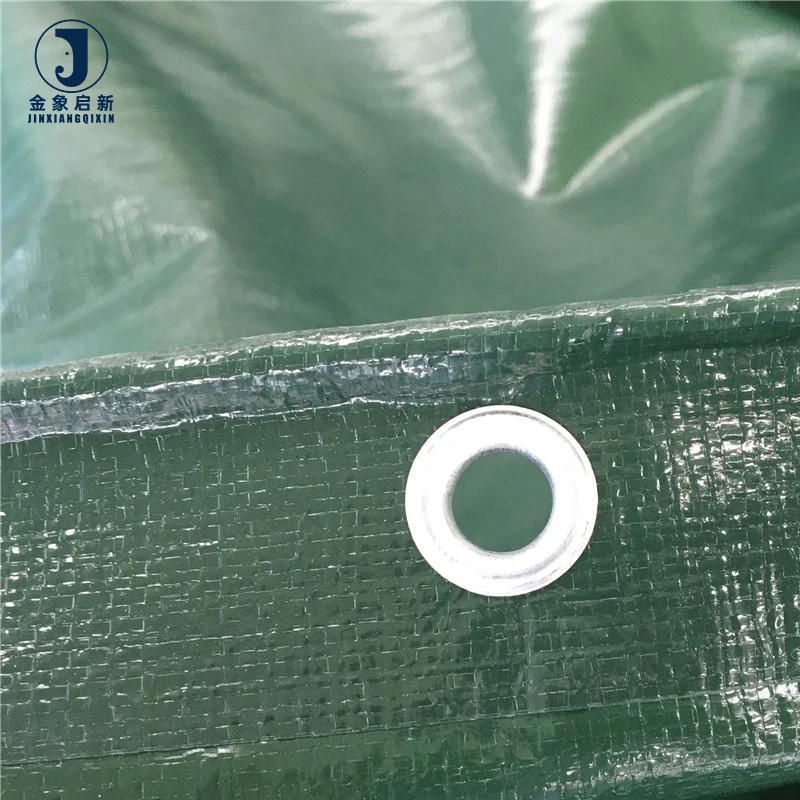
Description
Roll-to-roll consistency verified — Every PE tarpaulin roll is weighed and measured against the specification sheet before dispatch, ensuring the GSM you paid for is the GSM that arrives at your warehouse.
Technical Specifications
| Parameter | Value |
|---|---|
| Product Type | PE Tarpaulin Roll |
| Material | Polyethylene (HDPE woven base, LDPE coated) |
| Weight Range (GSM) | 40g~500g/m² (range covers product family — confirm the grade for this item) |
| Lightweight Grade | 80–110 g/m² |
| Lightweight Thickness | 0.18–0.22 mm |
| Lightweight Mesh Count | 8×8 |
| Lightweight Tensile Strength (N/5cm) | Meridian 300–500 / Latitude 250–450 (test basis not stated) |
| Medium Grade | 120–150 g/m² |
| Medium Thickness | 0.22–0.28 mm |
| Medium Mesh Count | 10×10 |
| Medium Tensile Strength (N/5cm) | Meridian 500–800 / Latitude 400–700 (test basis not stated) |
| Heavy-duty Grade | 160–240 g/m² |
| Heavy-duty Thickness | 0.30–0.35 mm |
| Heavy-duty Mesh Count | 12×12 |
| Heavy-duty Tensile Strength (N/5cm) | Meridian 900–1200 / Latitude 700–1000 (test basis not stated) |
| Mesh Range Available | 5×5 ~ 20×20 |
| Waterproofing | Double waterproof surfaces |
| UV Treatment | Available — confirm the grade required for your market |
| Flame Retardant | Available — confirm the grade required for your market |
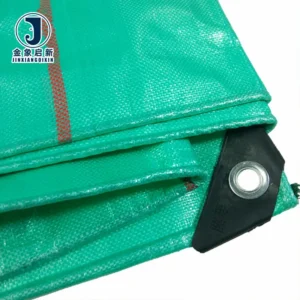
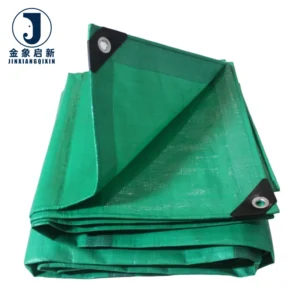
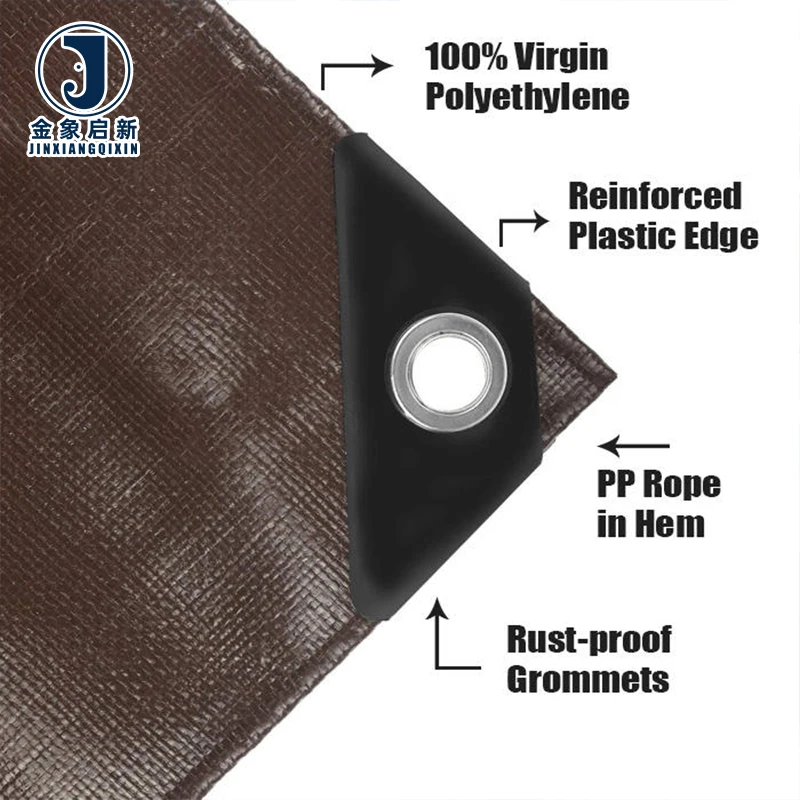
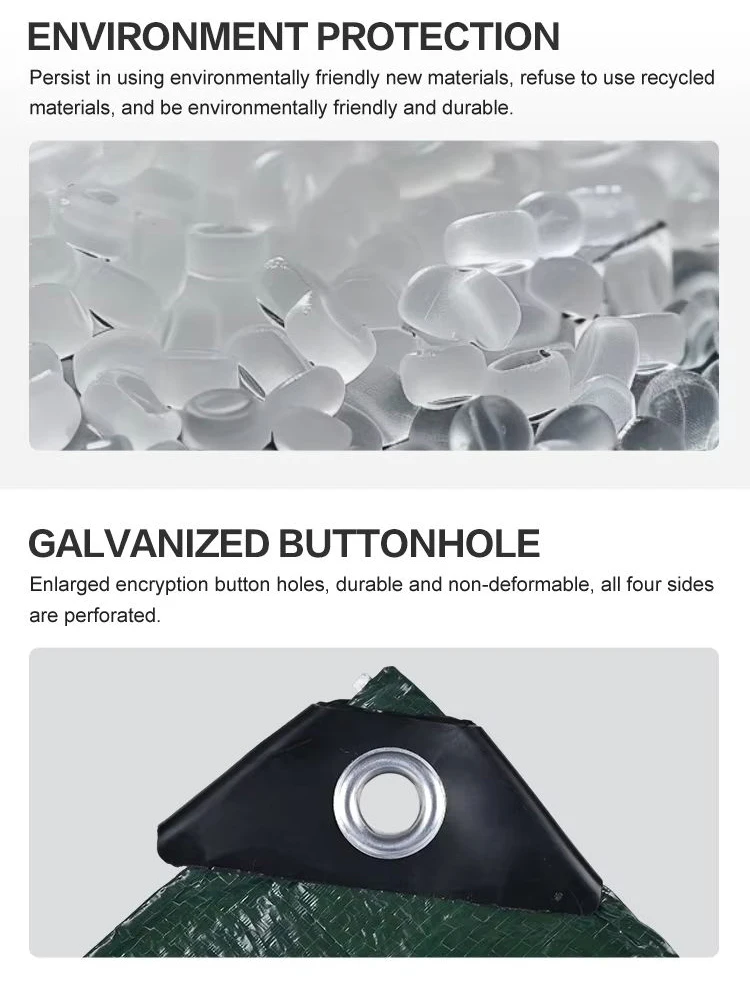
| Reinforced Corner | Yes (on finished cut sheets) |
| Size | Custom width and length per roll |
| Color | Custom color, single or double side |
| Center To Center Spacing | 39.4 Inches (on finished sheets with eyelets) |
| Key Features | Tear-resistant, water-resistant, washable, reinforced hems available |
Application Suitability
| Application | Exposure & Requirement |
|---|---|
| Tarpaulin distributor resale stock | Multiple GSM grades needed per container; roll-to-roll weight and colour consistency critical for regional resale credibility |
| Agricultural and aquaculture pond lining | Permanent water contact, soil chemistry exposure, puncture risk from substrate — requires heavier grade with tight mesh |
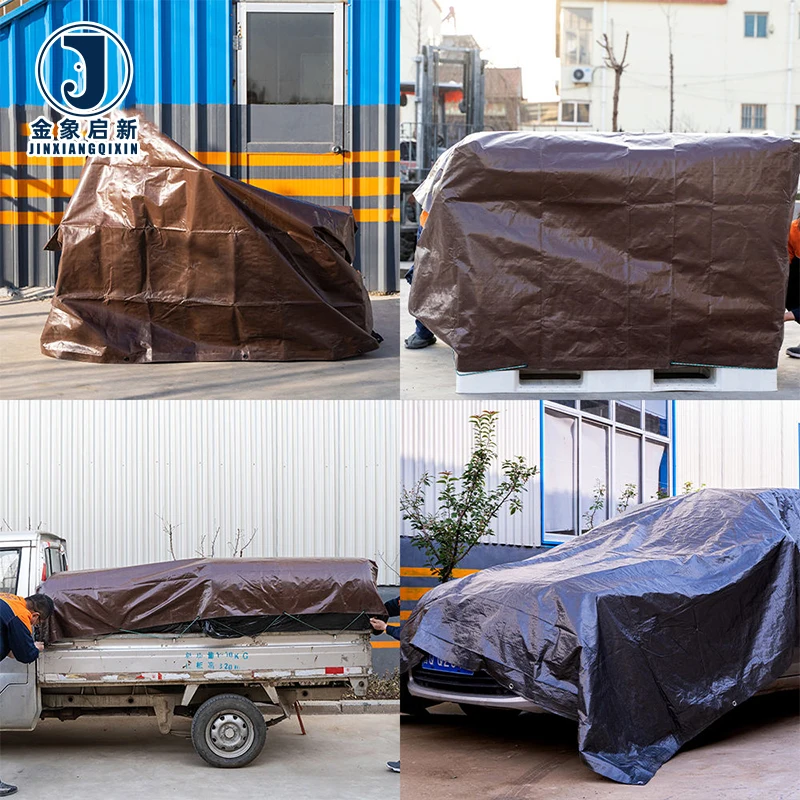
| Warehouse pallet and equipment covers | Indoor dust and moisture protection, frequent handling and folding — medium grade balances durability with flexibility |
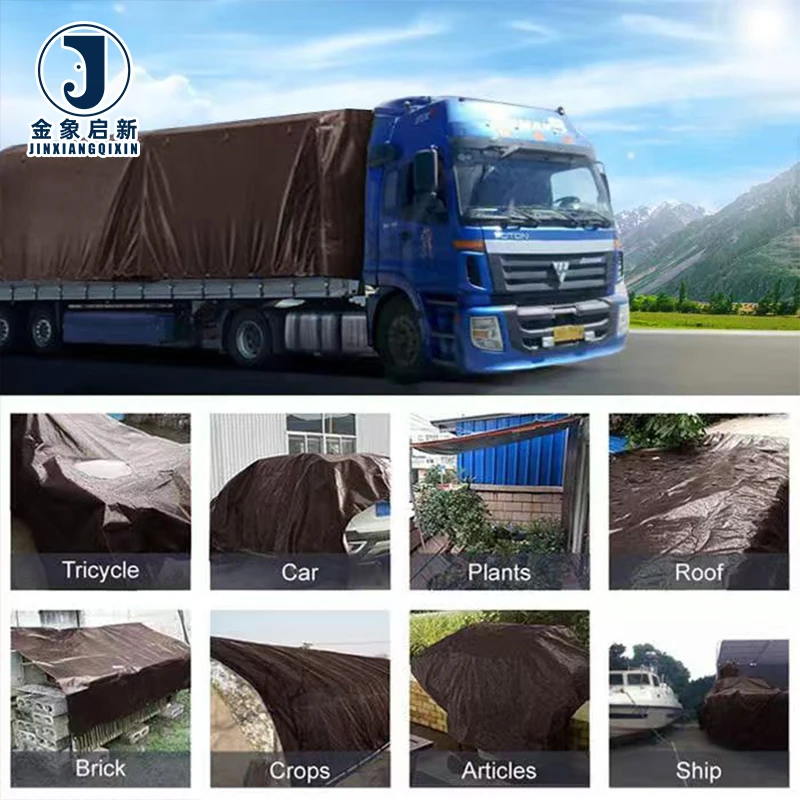
| Truck and trailer load covering | Road abrasion, wind flex, UV exposure — heavy-duty grade with reinforced hems and secure tie-down spacing |
| Construction site stockpile covers | Outdoor weather exposure, abrasion from aggregate materials, repeated deployment — heavy-duty grade with reinforced corners |
Why Roll-to-Roll Weight Drift Costs Importers More Than They Calculate
A PE tarpaulin roll that arrives 10% lighter than quoted silently erodes your margin and your customer’s trust.
When sourcing PE tarpaulin wholesale, the specification sheet states one GSM figure, but the rolls that land in your container may tell a different story. Coating weight variation across a production run is a known issue in woven polyethylene fabric, and the discrepancy often only surfaces when the material is cut, installed, or tested by the end user. Distributors who resell by weight grade absorb the return cost; importers who supply contractors face site rejection. The financial exposure compounds when an entire container is affected rather than a single roll [NEED_CITE: typical GSM tolerance expectations in coated fabric trade].
Stocking Multiple Grades Without Sacrificing Batch Integrity
Wholesale buyers rarely order a single grade. A regional distributor typically needs lightweight PE tarpaulin rolls for agricultural customers alongside heavy-duty rolls for transport and construction accounts, all in one container. Managing colour and weight consistency across different production runs becomes the real procurement challenge. Every roll in a mixed-grade order must match its own specification sheet — not just the average of the batch. This is where pre-shipment roll-by-roll verification separates reliable supply from costly surprises.
Container Loading Strategy for Volume Buyers
A full container of PE tarpaulin roll stock is a significant capital commitment, and inefficient loading directly inflates your landed cost per square metre. Roll diameter, core size, and stacking orientation all influence how many linear metres fit into a 20GP or 40HQ. Heavier grades with thicker coating produce larger roll diameters, reducing the total roll count per container even when the linear metre target is the same. Planning the load by roll count, weight tier, and destination warehouse racking dimensions before production begins avoids costly re-stacking at the port of arrival [NEED_CITE: container loading optimization for roll goods in textile trade].
Reading the Mesh Count and GSM Relationship Correctly
The mesh count — the number of warp and weft HDPE yarns per square inch — works together with coating weight to determine the final GSM and mechanical behaviour of PE tarpaulin fabric. An 8×8 mesh with heavy LDPE coating can produce the same GSM as a 12×12 mesh with lighter coating, but the two fabrics behave very differently under load. The tighter mesh distributes stress across more yarns, resisting tear propagation, while the heavier-coated loose mesh relies on coating thickness for stiffness and water resistance. Specifying GSM alone without stating the mesh count leaves a critical variable uncontrolled, and the fabric that arrives may perform below expectation in tensile or tear tests even though the weight is correct [NEED_CITE: relationship between woven mesh density and tensile performance in polyethylene fabrics per ISO 1421 test methods].
The Hidden Cost of Colour Variation Across Rolls in One Order
When two PE tarpaulin rolls from the same purchase order are unrolled side by side on a job site or in a retail showroom, even a slight shade difference becomes immediately visible. For distributors selling to contractors who install multiple sheets on a single structure, colour inconsistency means partial rejection and credit claims. The root cause is typically pigment dosing variation between compounding batches rather than a coating line fault. Maintaining colour consistency requires that all rolls in one order are produced from a single master batch compound, and that the production run is continuous without mid-run material changeovers.
Why Sourcing Here Reduces Wholesale Risk
Three dedicated production lines allow bulk PE tarpaulin roll orders to run without being squeezed between small custom jobs, keeping your lead time predictable. A ten-person R&D team develops samples for custom widths, colours, and mesh configurations within days rather than weeks, so you can confirm the product before committing to container quantities. QA checkpoints at every production stage — from HDPE yarn extrusion through weaving to LDPE coating — catch weight drift before the roll reaches the packing area. One hundred percent pre-shipment inspection with individual roll weighing means the packing list you receive reflects actual measured weight, not a nominal figure copied from the spec sheet. Nearly 30 years of coated fabric production experience translates into process parameters that have been refined across thousands of production cycles.
Documentation & Verification
- Material specification sheet stating GSM, base fabric mesh count, and coating type for each roll grade ordered
- Pre-shipment inspection record with individual roll weight verification against quoted GSM
- Roll packing list detailing roll count, linear metres, and net weight per roll for container loading
- Certificate of origin included for customs clearance and preferential tariff claims
- UV and flame-retardant test reports supplied where applicable treatments are specified
- Colour reference sample retained from the approved batch for future re-order matching
Fabrication, Handling & Storage
- Heat sealing temperature must be matched to the LDPE coating thickness; heavier grades require adjusted dwell time
- Store PE tarpaulin rolls upright on pallets to prevent flat-spot deformation on the coating surface
- Cut sheets from roll using sharp blades to avoid fraying the HDPE woven base at the edge
- Eyelet spacing at 39.4 inches centre-to-centre distributes tie-down load across the reinforced hem
- Avoid prolonged direct sunlight on stored rolls before fabrication to preserve UV treatment integrity
- Clean finished sheets with mild detergent; abrasive solvents degrade the LDPE coating surface
What We Need to Prepare Your Roll Quotation
To provide an accurate quotation for PE tarpaulin wholesale roll stock, we need your target GSM or weight grade, the mesh count or weave density preference, and the roll width and linear metre length required per roll. If you are stocking multiple grades for regional resale, share the grade mix and total container volume so we can plan the loading configuration. Confirm whether UV treatment or flame-retardant grades are required for your destination market, and whether you need finished cut sheets with eyelets or raw rolls only.
Frequently Asked Questions
Q: How is GSM verified on arrival and what tolerance is accepted?
A: Every roll is individually weighed during pre-shipment inspection and recorded on the packing list. The measured GSM is compared against the specification sheet for that grade. Buyers are encouraged to conduct their own cut-sample weighing on receipt to confirm the figures match. Any discrepancy outside the agreed tolerance is addressed before the container is released.
Q: What roll widths and lengths are stocked versus made-to-order?
A: Standard widths and common GSM grades are held in stock for faster dispatch. Custom widths, non-standard lengths, and specific colour or mesh count combinations are produced to order. Sample rolls are available for approval before bulk production begins, ensuring the specification meets your market requirements.
Q: How is colour consistency maintained across rolls in the same container?
A: All rolls within a single order are produced from one master batch compound in a continuous run. This eliminates pigment variation between compounding lots. A retained colour sample from the production batch is kept on file for reference on future re-orders to maintain shade continuity across shipments.
Q: What is the container loading plan for roll stock orders?
A: Loading plans are prepared per order based on the roll diameter, weight grade, and container type. The packing list states total roll count, net weight, and linear metres loaded. We optimise stacking orientation to maximise capacity while preventing roll deformation during ocean transit.
Q: How are UV and flame-retardant treatments validated?
A: Where UV or flame-retardant treatment is specified, test reports from the applicable standard are supplied with the shipment documentation. Buyers should confirm the specific grade or classification required by their destination market regulations before placing the order, so the correct additive package is applied during coating.