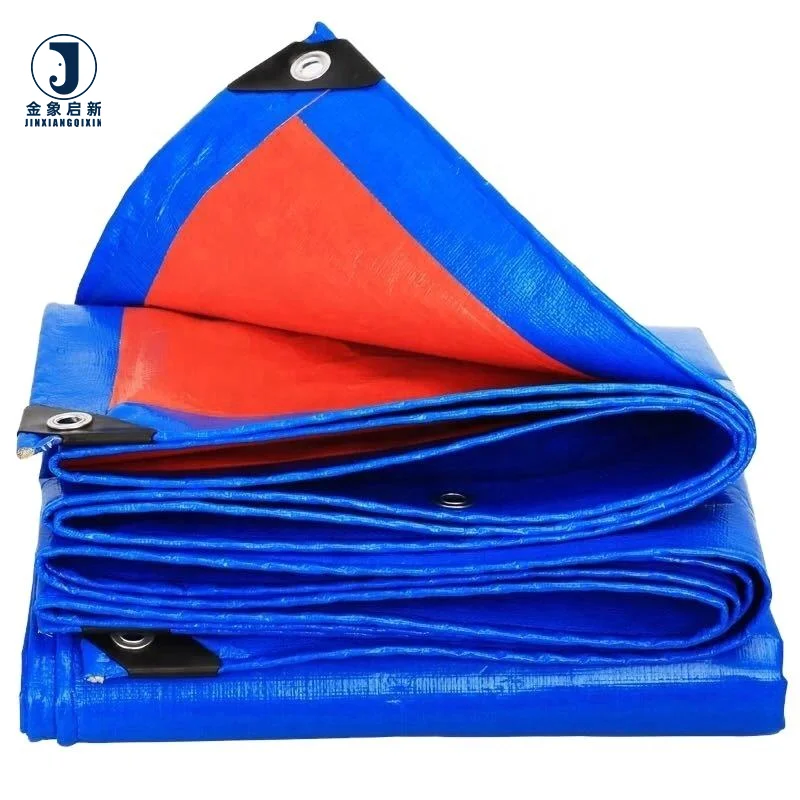
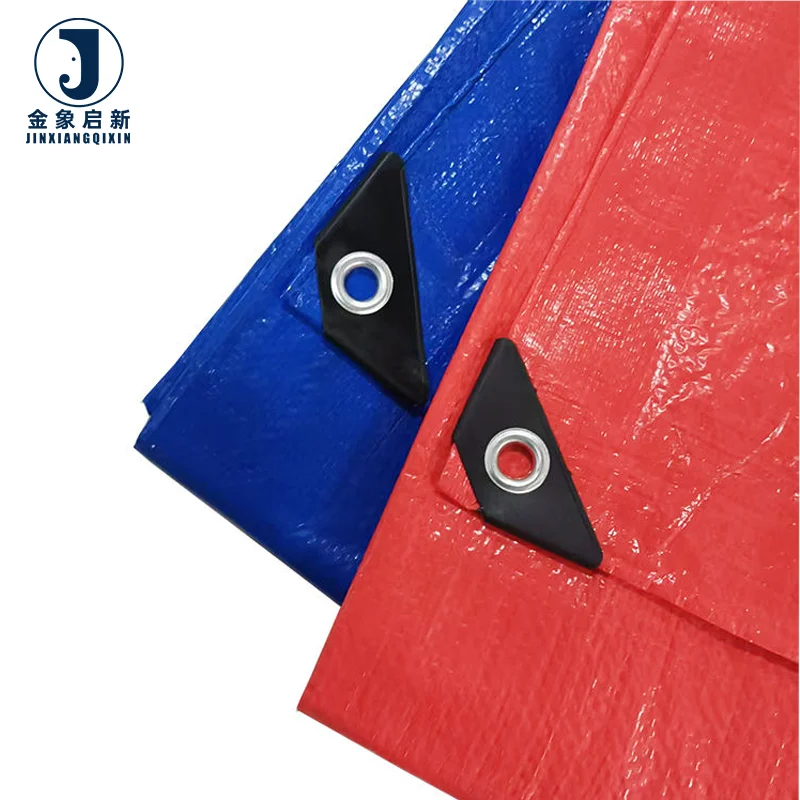
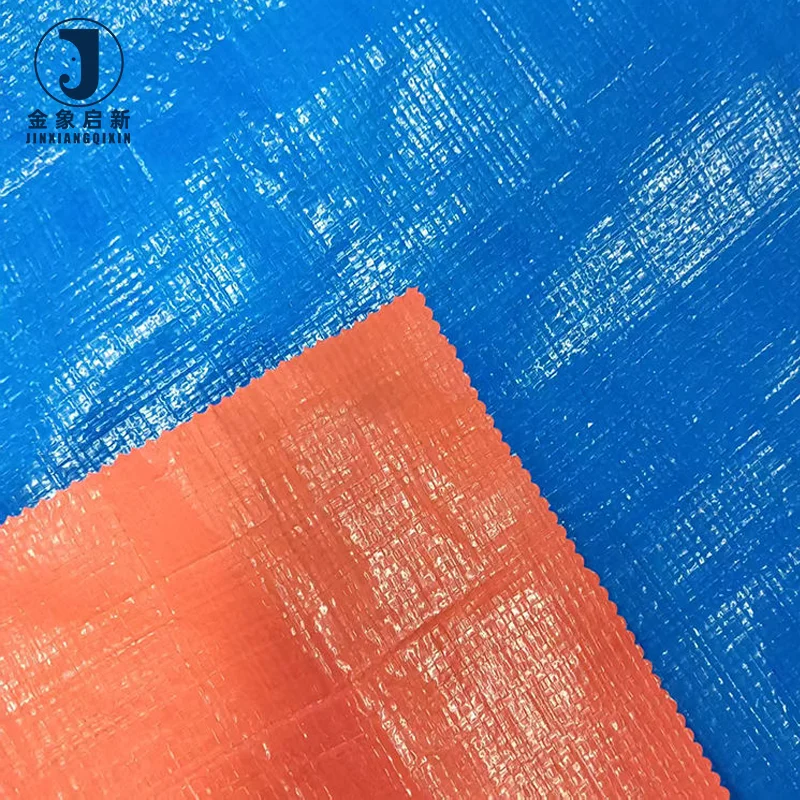
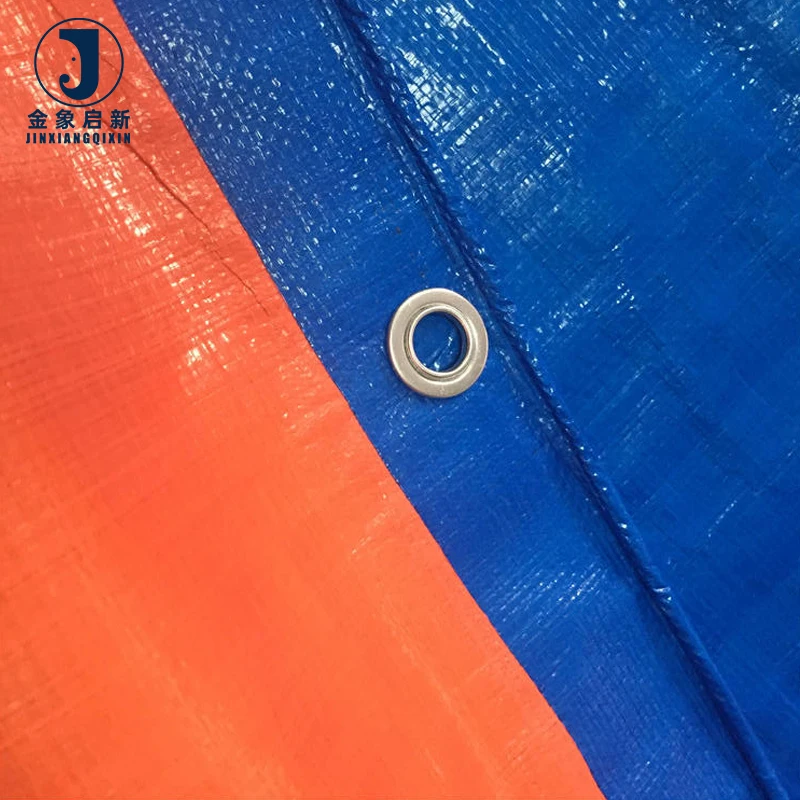
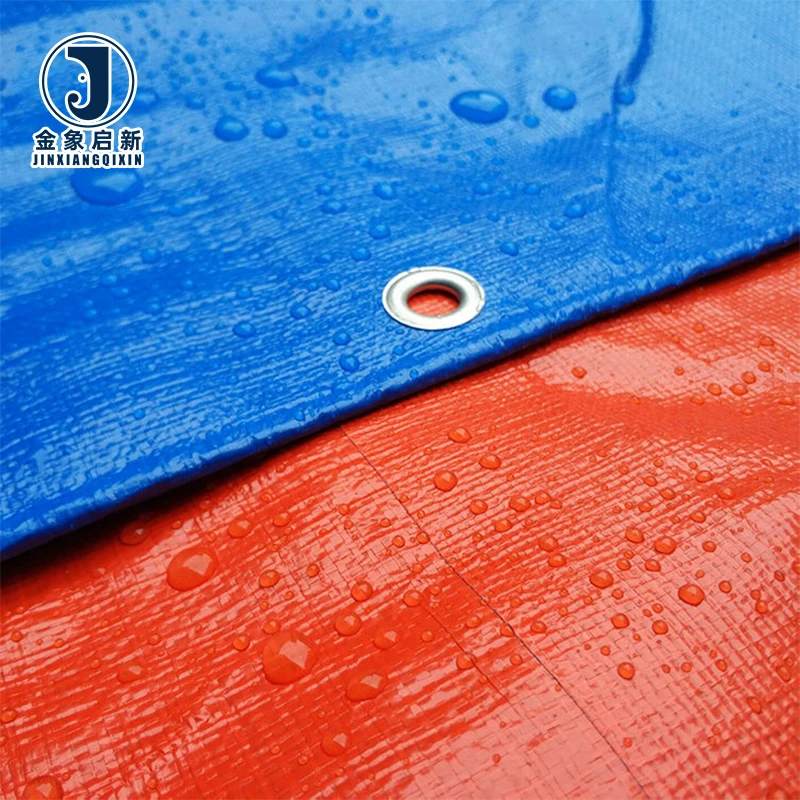
Description
Batch Uniformity Control — roll-to-roll GSM and colour checks verified at multiple coating stages, ensuring every roll in your container matches the specification you approved.
Technical Specifications
| Parameter | Value |
|---|---|
| Product Type | PE Tarpaulin |
| Coating Material | PE |
| Weave Style | Plain |
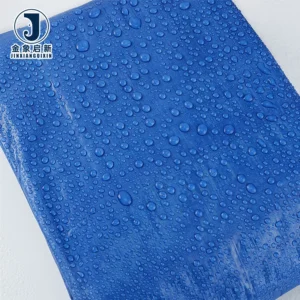
| Waterproof | Yes |
| Anti-Mildew | Yes |
| UV Treatment | Available (test basis not stated in source) |
| Color | Customizable (various colors available) |
| Size | Customizable (various sizes available) |
| Construction | Heavyweight (exact GSM available on request with specification sheet) |
Application Suitability
| Application | Exposure & Requirement |
|---|---|
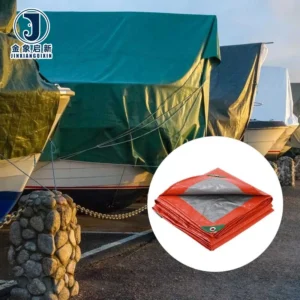
| Tent covers | Prolonged outdoor deployment, rain exposure, wind loading on panels, repeated assembly and teardown |
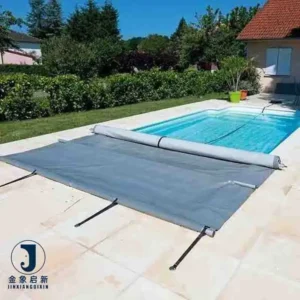
| Vehicle covers | Dust and moisture ingress, UV exposure during parking, abrasion from tie-down straps |
| Outdoor event shelters | Short-term weather protection, large unbroken coverage areas, rapid deployment and retrieval |
| General outdoor waterproof protection | Direct rainfall, standing water on low-slope covers, soil moisture contact at ground edges |
Why Roll-to-Roll Consistency Matters More Than Quoted PE Tarpaulin Roll GSM
A stated GSM on a quotation means nothing if the material arriving at your warehouse is lighter or varies across rolls in the same shipment.
When you source PE tarpaulin roll stock in volume, the weight you pay for should match what arrives. Yet buyers frequently receive material that is thinner at the edges than in the centre, or rolls in the same batch that differ noticeably in hand-feel. [NEED_CITE: GSM deviation tolerance standards for coated woven fabrics per ISO 2286] This inconsistency shows up downstream: when a fabricator cuts panels from different rolls, the lighter material tears at eyelets while the heavier material holds. Wholesale importers then face returns, and contractors discover the cover they installed fails at the exact point where the lighter roll was deployed.
Stocking Standard Widths for Immediate Wholesale Dispatch
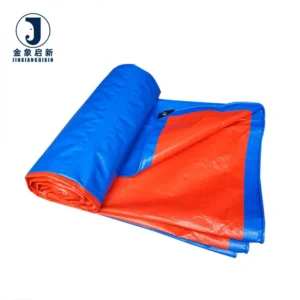
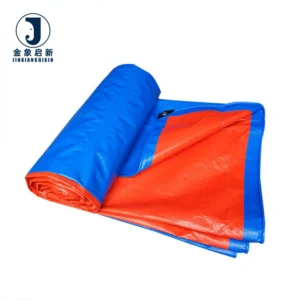
Our PE tarpaulin roll inventory is maintained in standard widths that align with common fabrication patterns, reducing off-cuts and improving material yield for tent makers and cover producers. When you order multiple rolls in the same production run, the coating weight and base fabric tension remain constant across the batch. This is the baseline expectation for any PE tarpaulin roll / wholesale transaction, yet it is where many shipments fall short — the first roll measures correctly while the last roll in the same order has drifted.
Colour Matching Across Full Container Loads
Colour variation between rolls becomes visible the moment they are installed side by side on a single project. Our QA process checks colour reference against the approved sample at the coating stage and again before roll packing. For custom colours, a batch reference sample is retained so that your next reorder matches the original shipment. [NEED_CITE: colour fastness and batch consistency test methods for coated textiles] Distributors stocking PE tarpaulin rolls for regional resale rely on this consistency to avoid customer complaints when end users buy additional material later.
Reading the Specifications Beyond the Label
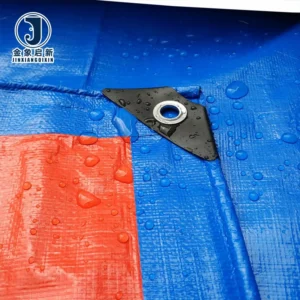
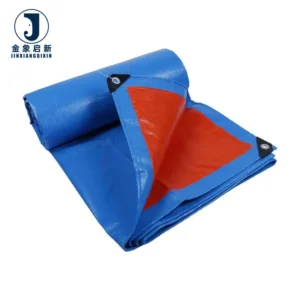
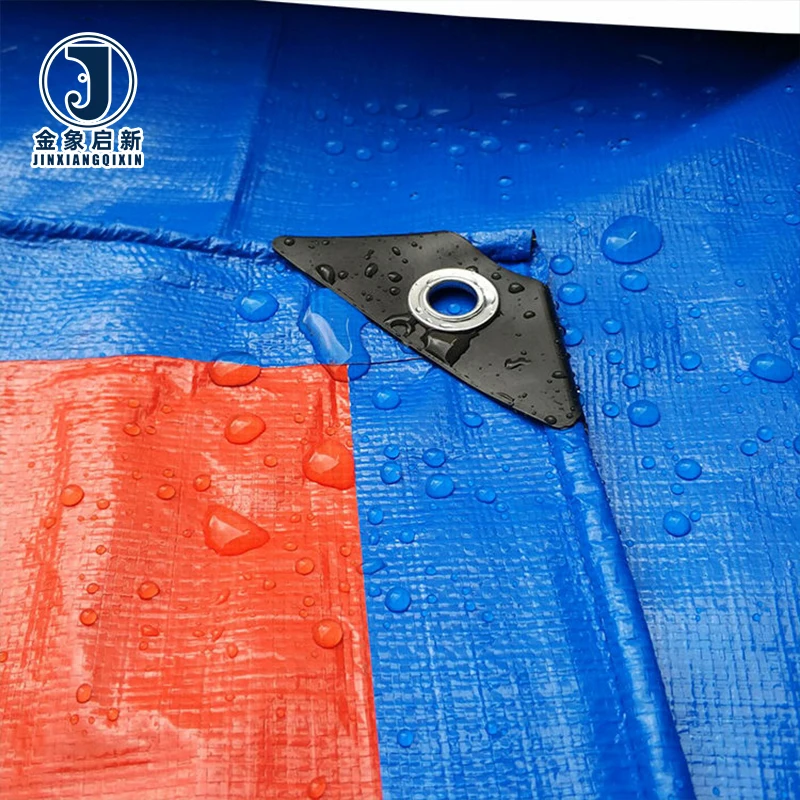
The plain weave construction in this PE fabric distributes load across both warp and weft yarns evenly, which means tensile stress at tie-down points does not concentrate along a single direction. The waterproof coating is applied to both faces, creating a continuous barrier that prevents moisture penetration even when the fabric is under tension. Anti-mildew treatment is integrated into the coating formulation, reducing biological growth in humid storage or prolonged outdoor exposure. The heavyweight construction grade supports repeated deployment cycles — the base fabric resists tear propagation when the material is folded, dragged across ground, or subjected to wind gusting on large tent panels. UV treatment is available in grades suited to different exposure durations; confirm the grade required for your market and expected service environment before placing a bulk order.
The Hidden Cost of Skipping Pre-Shipment Roll Verification
When rolls are loaded into a container without individual weight and dimension verification, receiving teams have no way to confirm what they paid for until the material is unrolled on the fabrication floor. [NEED_CITE: receiving inspection procedures for roll goods in textile distribution] By that stage, the container has been cleared, the supplier is overseas, and the cost of return shipping exceeds the value of the non-conforming rolls. Colour inconsistency, undersized roll length, or GSM deviation discovered after customs clearance becomes a write-off rather than a claim. Pre-shipment inspection records eliminate this risk by documenting roll count, net weight and colour verification before the container door closes.
What Volume Buyers Receive at Every Shipment
Roll-to-roll weight verification is performed across every roll in your production run, not sampled from a single specimen. Batch colour matching is controlled at the coating stage with reference samples retained for reorder matching. A 10-person R&D team supports custom width, colour and length specifications with sample development completed within days. Every roll passes through dedicated QA/QC before packing, with inspection records included in your shipment documentation. Container loading plans specify roll count, dimensions and gross weight so your freight forwarder can calculate utilisation accurately before the container is sealed.
Documentation & Verification
- Weight verification per roll against the stated GSM before dispatch
- Pre-shipment inspection record confirming roll count and colour consistency
- Material specification sheet stating base fabric weave and coating type
- Roll packing list detailing net weight and dimensions per roll
- Certificate of origin and full customs documentation per container
Fabrication, Handling & Storage
- Heat-seal PE tarpaulin panels at manufacturer-recommended temperatures to avoid coating delamination at seam edges
- Store rolls horizontally on pallets to prevent permanent creasing across the full roll width
- Avoid dragging heavyweight rolls on abrasive surfaces to protect the waterproof coating face integrity
- Clean with mild detergent only; solvent-based cleaners can degrade the anti-mildew treatment layer
- Plan cutting layout to minimise off-cuts, using the full customisable roll length efficiently
- Allow cold-stored rolls to reach ambient temperature before unrolling to prevent coating cracking
Specifying Your Roll Order
Provide your target roll width, required GSM range, colour reference and annual volume so we can confirm stock availability and production scheduling. If your end use involves prolonged UV exposure, specify the treatment grade required for your regional compliance standard. Confirm whether you need rolls only or finished cut-to-size panels with hemming and eyelet reinforcement. Request a material specification sheet and sample roll before committing to full container quantities.
Frequently Asked Questions
Q: How is GSM verified per roll and what documentation supports the quoted weight?
A: Every roll in your production run is weighed individually against the quoted GSM specification. A pre-shipment inspection record documents the verified weight per roll along with roll count and dimensions. A material specification sheet stating the base fabric construction and coating weight is provided with each order for your receiving team to cross-check upon delivery.
Q: What stock widths and roll lengths are available, and what is the MOQ for custom sizes?
A: Standard widths are maintained in stock for immediate dispatch, covering common fabrication requirements for tent and cover production. Custom widths and roll lengths are available with minimums that support trial orders. Contact our team with your required dimensions and volume so we can confirm availability, lead time and the minimum quantity applicable to your specification.
Q: How is color consistency controlled across multiple rolls in the same batch?
A: Colour reference is checked at the coating stage against the approved sample, and again during final inspection before roll packing. A batch reference sample is retained for future reorders. Every roll in the same production run is verified for colour uniformity, and the pre-shipment inspection record confirms this across your entire order.
Q: How are rolls packed for container loading and what protection prevents transit damage?
A: Rolls are packed horizontally on pallets with protective wrapping to prevent crushing and moisture ingress during transit. A container loading plan specifies roll count, dimensions and gross weight for freight calculation. The roll packing list included in your shipment details the net weight and dimensions of each individual roll for receiving verification at your warehouse.
Q: What UV treatment options are available and what test data can be provided with the shipment?
A: UV-resistant treatment is available in multiple grades suited to different exposure environments and service durations. The specific grade and corresponding test basis can be confirmed for your target market and application. Request the applicable test report along with your material specification sheet when placing your order so you have full documentation for compliance or resale purposes.