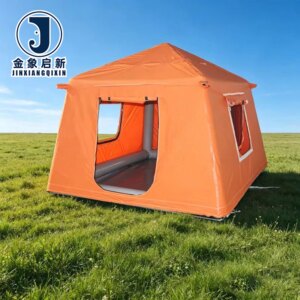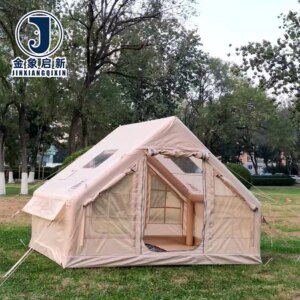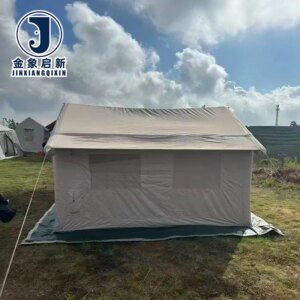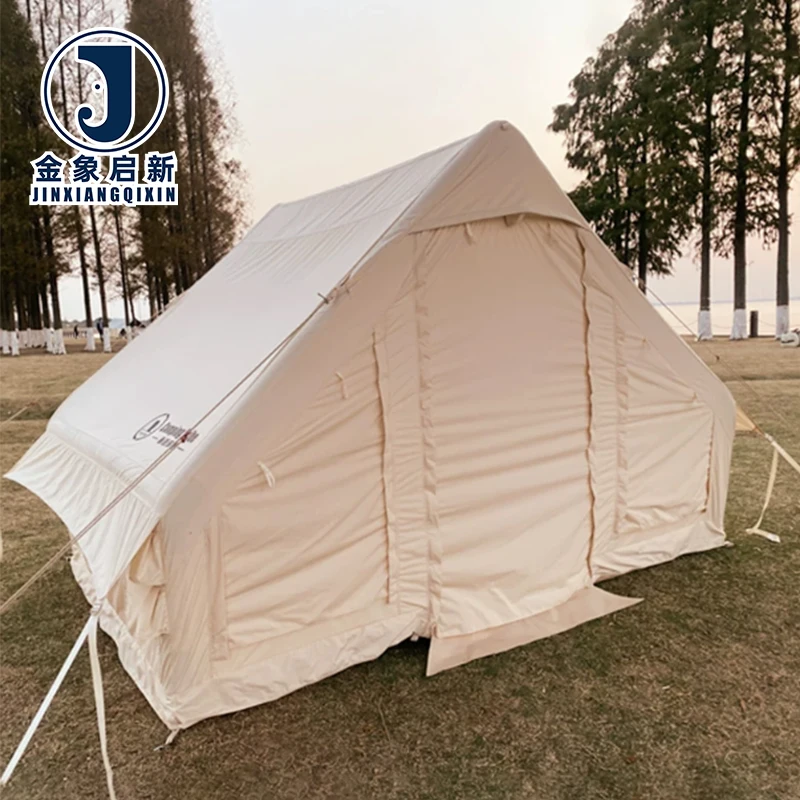

Description
Roll Consistency You Can Audit — Every batch of PVC inflatable tent fabric is checked against the stated GSM and colour reference before it leaves the line, not after it reaches your warehouse.
Technical Specifications
| Parameter | Value |
|---|---|
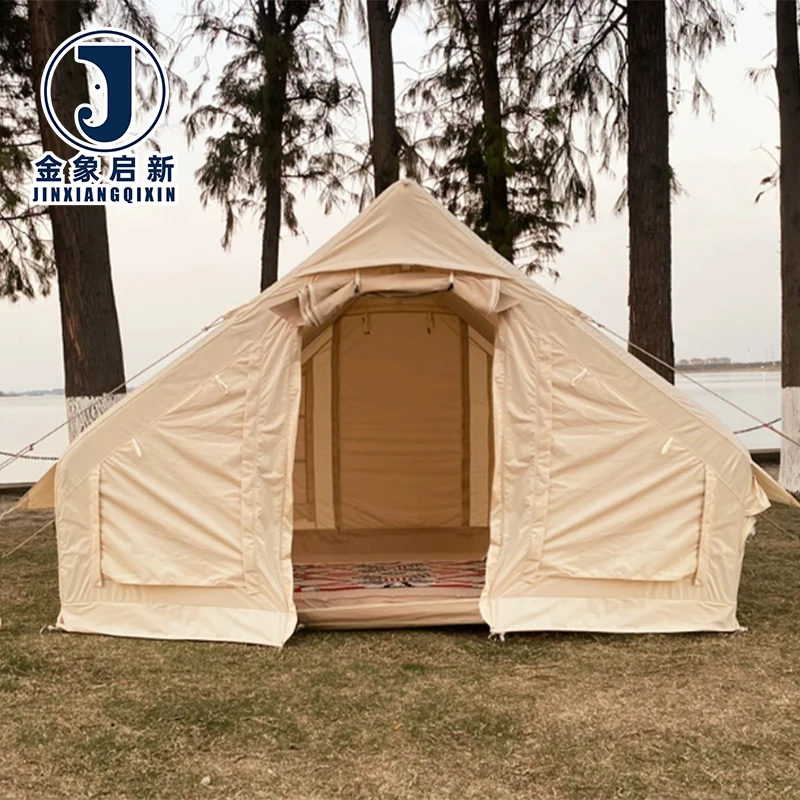
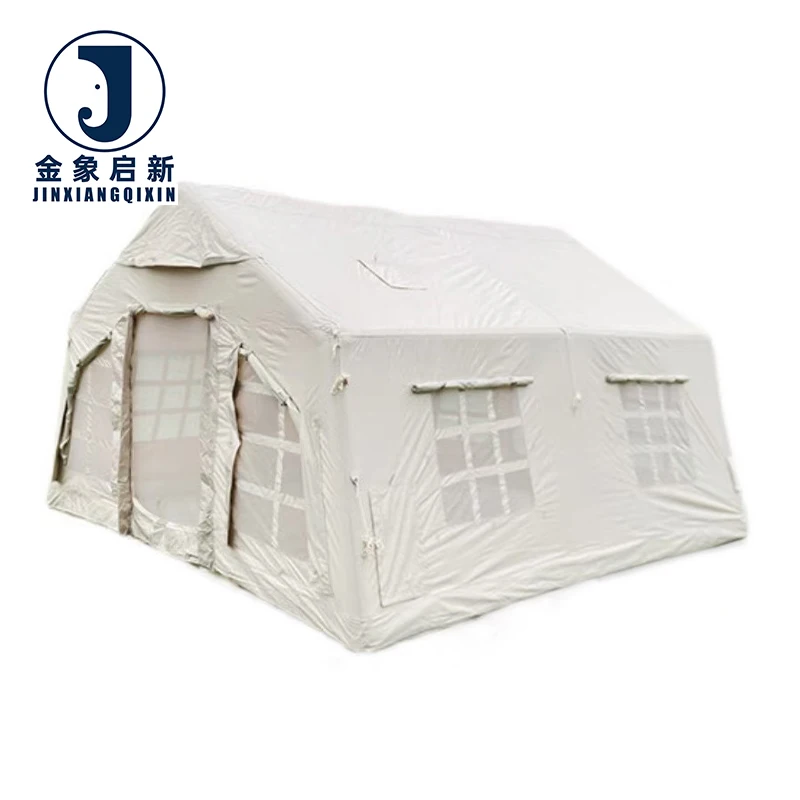
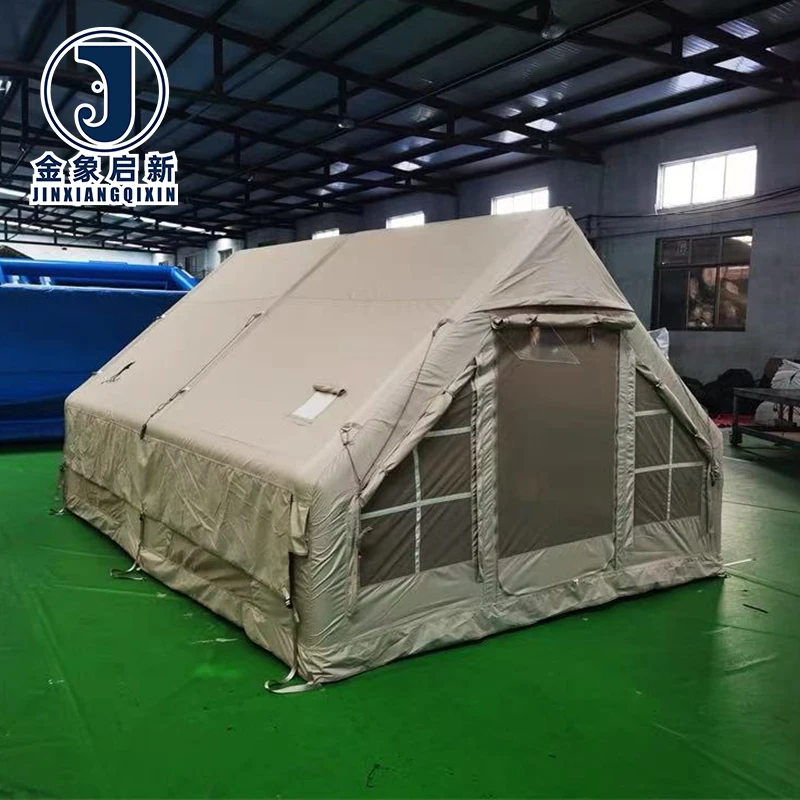
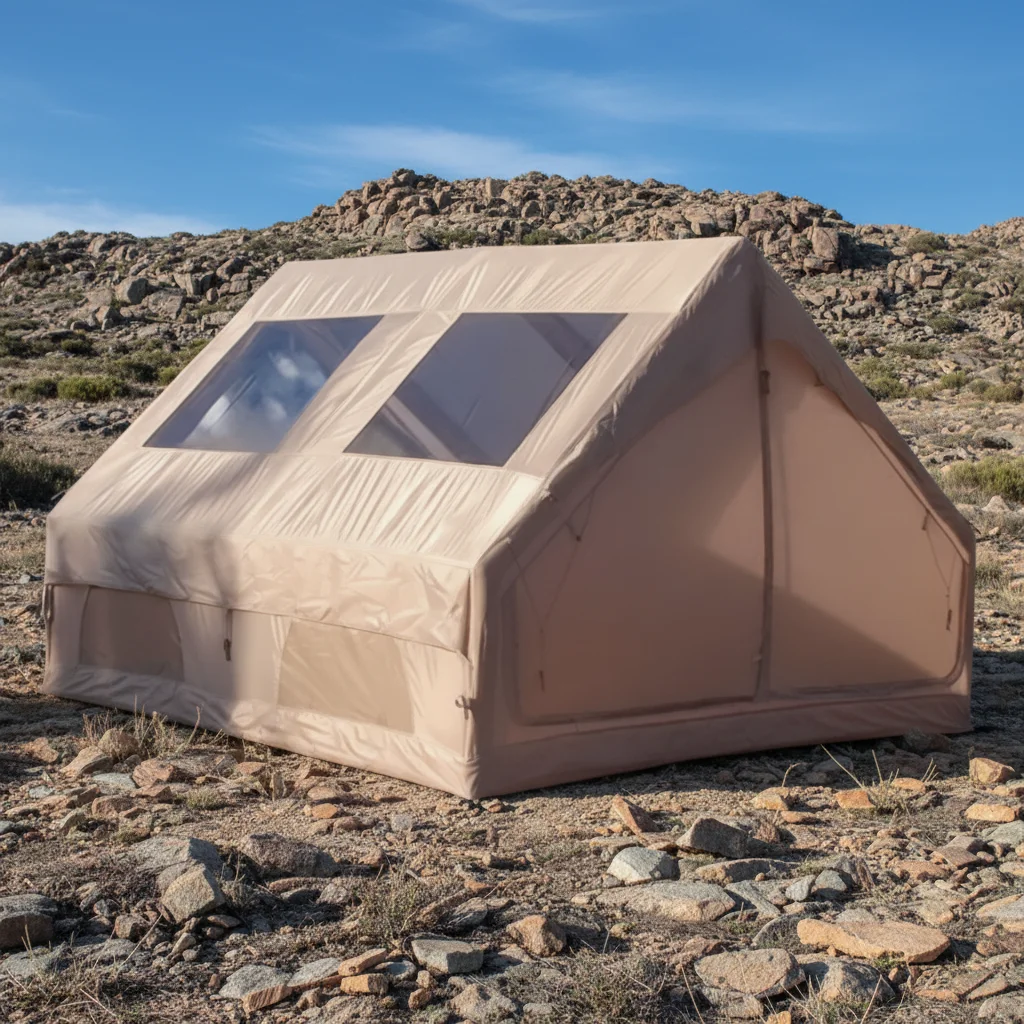
| Product Type | Inflatable Tent |
| Core Material | PVC tarpaulin |
| Construction | Single layer |
| Waterproof | Fully coated waterproof barrier |
| UV-Resistant | Available with UV-resistant treatment — confirm test basis required for your market |
| Season Rating | 4-season suitable |
| Opening Mechanism Support | Quick automatic opening design |
| Capacity Range | 2–8 person configurations |
| Customization | OEM & ODM, sample customization, pattern printing |
| Standards | ISO 9001, ISO 14001, ISO 45001, CE |
Application Suitability
| Application | Exposure & Requirement |
|---|---|
| Inflatable tent manufacturers (roll-stock purchasing) | Repeated inflation cycles, airtight seam welding, batch-to-batch colour match across production runs |
| Commercial outdoor event shelters | High foot-traffic environments, sun and rain exposure, frequent erection and teardown |
| Industrial camping & field operations | Extended deployment in variable climates, abrasion from ground contact, equipment storage loads |
| Emergency response base structures | Rapid deployment requirement, multi-season temperature fluctuation, transport and packing stress |
| Membrane structure fabricators | Airtight welding integrity, sustained internal pressure, UV and weather exposure on exposed surfaces |
Why Roll-to-Roll Colour Match Matters More Than the Swatch You Approved
A single off-shade roll in a container can force you to reject an entire production batch of inflatable tents.
When tent and inflatable manufacturers source Inflatable Tent Fabric wholesale, the sample roll approved at quotation stage often looks nothing like the fifteenth roll off the production run. Colour drift between rolls becomes visible the moment panels from different rolls are welded side by side on an inflatable structure — and by then the fabric has already been cut, printed, and partially assembled. The cost of rework quickly overtakes any savings from a lower unit price. This is why in-process QA checkpoints at the coating stage matter far more than a post-production certificate. [NEED_CITE: batch colour consistency standards for coated technical textiles]
Coating Weight Control as the Foundation of Airtight Performance
The airtight integrity of an inflatable tent depends not just on the PVC tarpaulin base but on how evenly the coating is applied across the full width of each roll. Uneven coating weight creates thin spots that fail under sustained internal pressure, particularly at welded seams where the material flexes during inflation and deflation cycles. For manufacturers buying Inflatable Tent Fabric wholesale, specifying a target GSM without verifying coating uniformity across the roll leaves this failure mode unchecked.
Batch Traceability from Coating Line to Container
Each roll of inflatable tent fabric produced on our three full production lines carries a batch reference tied to the coating run, colour formulation, and QA inspection record. When a tent manufacturer places a repeat order months later, the colour reference and coating parameters are matched against the original batch data — not guessed from a Pantone chip. This traceability chain is what makes roll-to-roll consistency achievable across container volumes rather than a matter of chance. [NEED_CITE: traceability requirements for coated fabric in inflatable structure manufacturing]
Reading the Specification Sheet Beyond GSM
GSM tells you the weight of a square metre of fabric, but it does not tell you how that weight is distributed between the base fabric and the PVC coating. A high GSM achieved through heavy coating on a light base fabric will have very different tensile and tear behaviour compared to the same GSM achieved with a heavier denier yarn and lighter coat. For inflatable tent applications, the base fabric denier and weave density determine how well the material resists tear propagation at seam lines and anchor points — the zones where internal air pressure exerts the greatest sustained force. Coating weight, meanwhile, governs weldability and the airtight seal at heat-welded joints. Understanding this split is essential when comparing Inflatable Tent Fabric wholesale quotations that list identical GSM figures but differ in construction.
What Happens When Welded Seams Fail Before the Fabric Does
A recurring complaint from inflatable structure fabricators is that seams part at the point where the load flexes most — not because the PVC tarpaulin itself tore, but because the heat-weld bond degraded under repeated stress. This failure mode typically traces back to coating formulation and adhesion quality rather than welding technique alone. When the coating layer does not bond uniformly to the base fabric, the weld inherits that weakness. Buyers who specify Inflatable Tent Fabric wholesale without requesting peel strength data or coating adhesion verification often discover this gap only after their finished tents are deployed in the field. [NEED_CITE: heat weld failure analysis in PVC coated inflatable structures]
Procurement Advantages Built Into the Production Process
Our 10-technician R&D team develops sample rolls within days when custom width, colour, or print specifications are required — allowing you to weld-test and approve material before bulk production begins. The dedicated QA and QC staff inspect every roll against the order specification at each production stage, not only at final packing. With 36 sets of professional processing equipment across the facility, coating weight and colour formulation remain stable whether you are ordering a single container or a full production run. Pattern printing and branding are handled in-house, keeping the print-to-fabric colour relationship consistent from sample to shipment. ISO 9001, ISO 14001, ISO 45001, and CE standards govern the management systems behind these controls.
Documentation & Verification
- Material specification sheet confirming GSM, base fabric construction, and coating type per roll
- UV-resistant and flame-retardant test reports included where applicable to your order specification
- Pre-shipment inspection record documenting roll-by-roll GSM and colour verification
- Roll packing list with batch reference numbers for downstream traceability
- Certificate of origin and customs documentation for cross-border shipment
Fabrication, Handling & Storage
- Heat-weld parameters should be tested on sample pieces from each roll batch before full production
- Store PVC tarpaulin rolls upright in a dry, shaded area to prevent surface creasing and coating compression
- Avoid folding single-layer inflatable tent fabric — roll on cores to preserve coating integrity at flex points
- Use compatible PVC-based adhesives for field repairs to maintain airtight seal continuity
- Plan cutting layouts around roll width to minimise off-cuts and welded panel joins on visible surfaces
- Clean with mild detergent only — aggressive solvents can degrade the PVC coating surface layer
Structuring Your Enquiry for a Precise Quotation
To move quickly from enquiry to sample, share the target width and roll length your production line requires, along with annual volume estimates and any colour or pattern printing specifications. If your end market has specific UV-resistance or fire classification requirements, state the test standard so we can confirm whether the available treatment grades meet your compliance threshold. Let us know whether you need raw roll stock only or finished OEM and ODM cut panels.
Frequently Asked Questions
Q: How do you control colour consistency across multiple rolls in one shipment?
A: Each production run uses a locked colour formulation tied to the batch record. In-process QA checks compare every roll against the approved reference under standardised lighting before it passes to packing. Rolls that drift outside the tolerance band are flagged and held before shipping, so panels cut from different rolls in your order match when welded side by side.
Q: Can I order custom widths and roll lengths for my inflatable tent production line?
A: Custom width and length options are available subject to minimum run requirements that vary by specification. Our R&D team develops sample rolls for approval before bulk production, allowing you to verify weld performance and cutting yield on your own equipment. Lead times depend on the degree of customisation required.
Q: What pattern printing and branding options are available on the fabric?
A: Pattern printing and branding can be applied during production to your artwork specifications. Print samples are produced alongside the fabric sample so you can assess colour accuracy, adhesion, and wash resistance before committing to the full run. File format and resolution requirements are shared at enquiry stage.
Q: What documentation ships with each roll order?
A: Every shipment includes a material specification sheet stating GSM and coating details, a roll packing list with batch references, ISO and CE certificates, and a pre-shipment inspection record. UV or flame-retardant test reports are included where applicable. Certificate of origin and customs support documents are prepared according to destination market requirements.