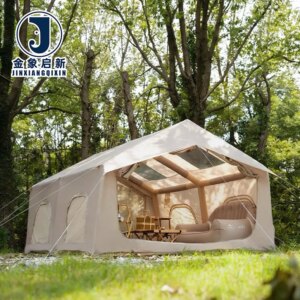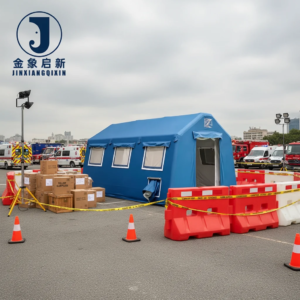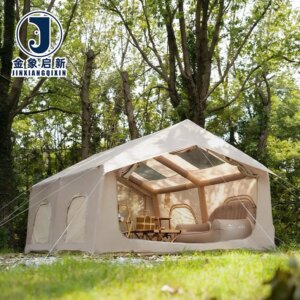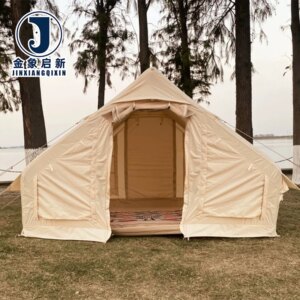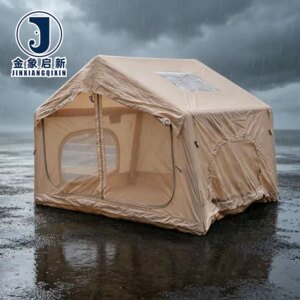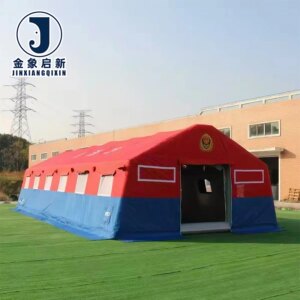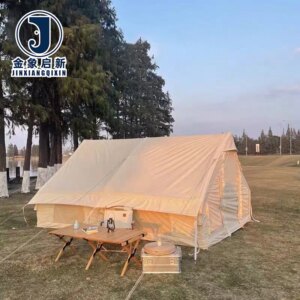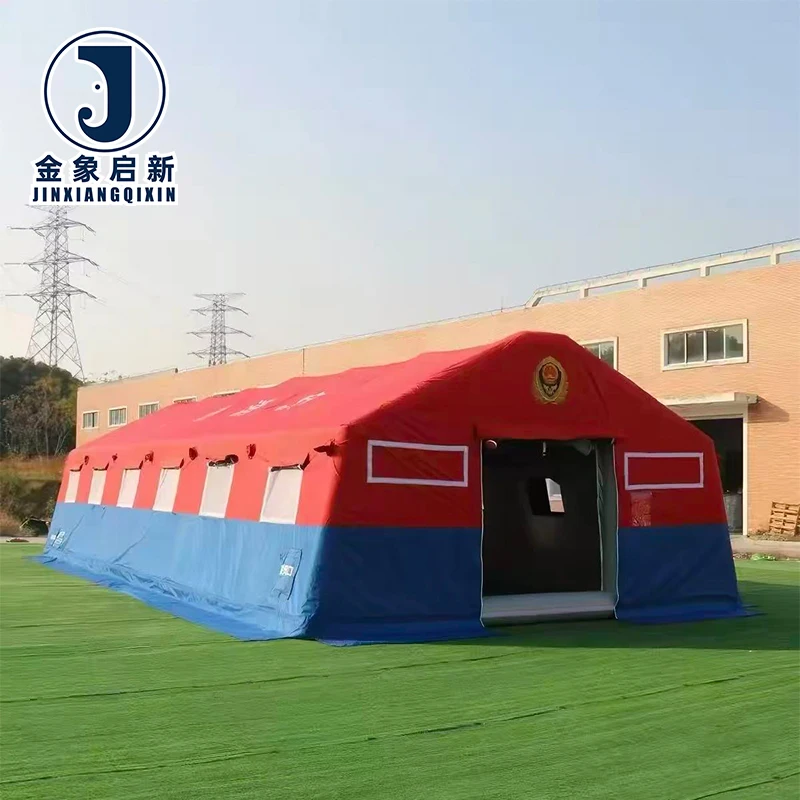
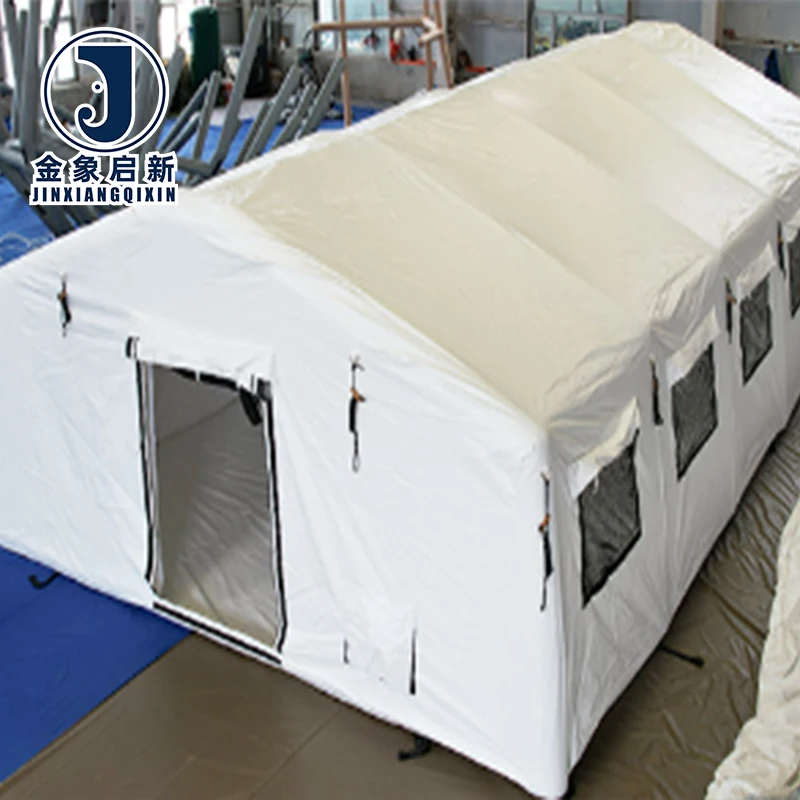
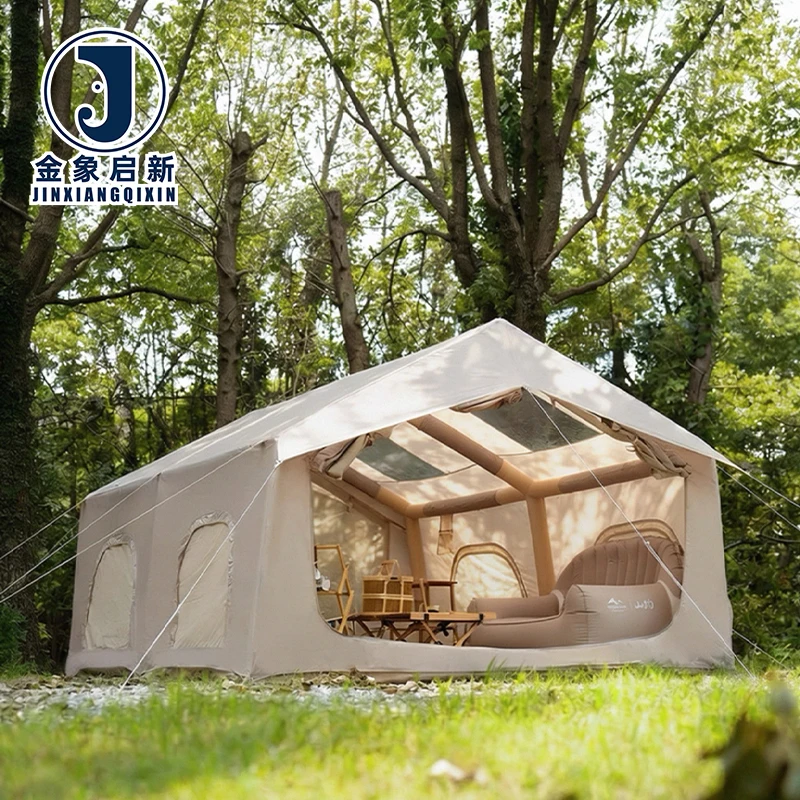
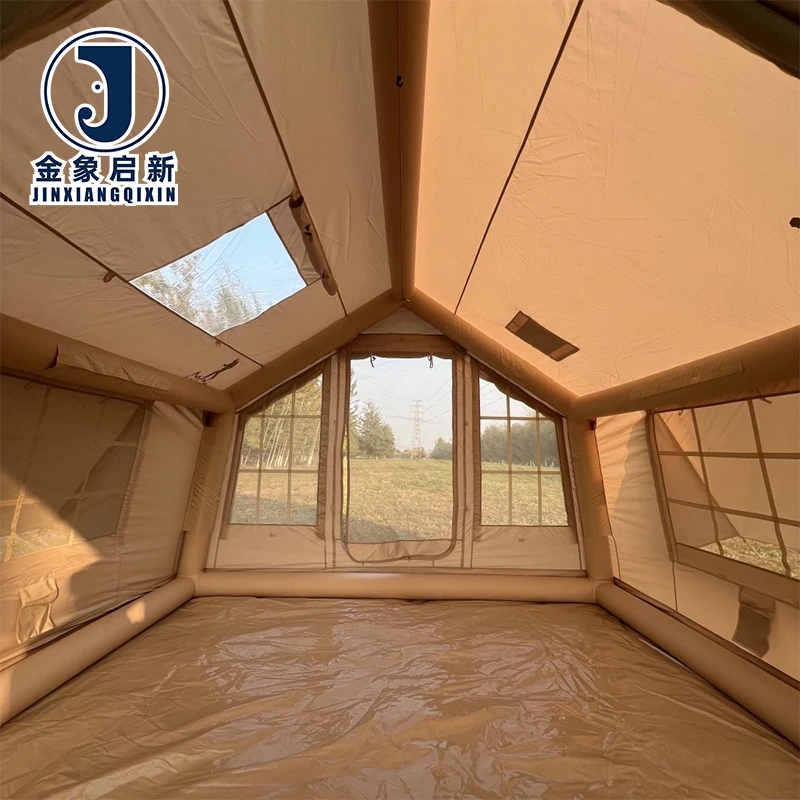
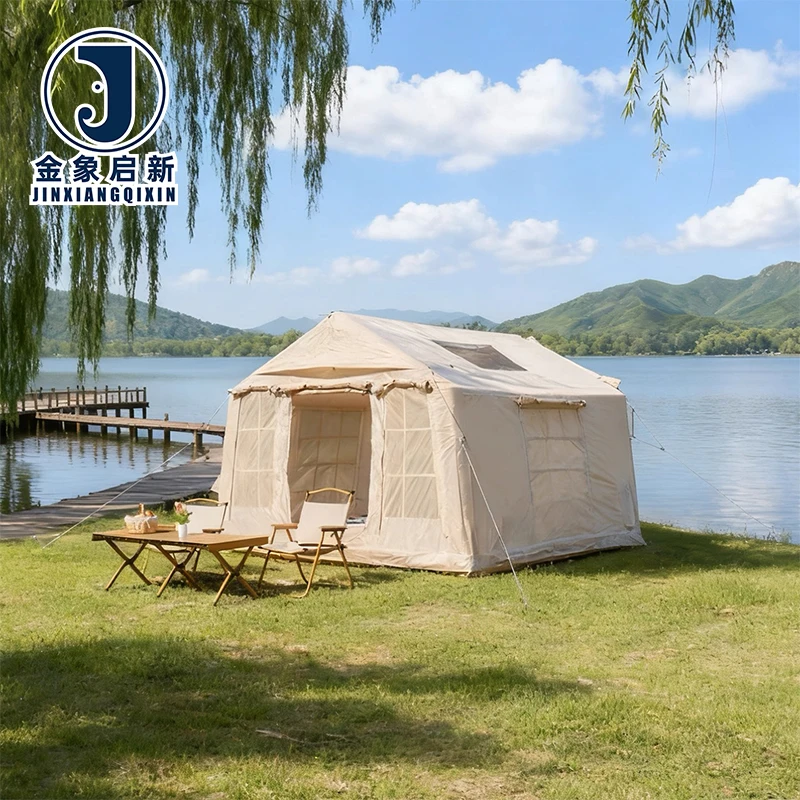
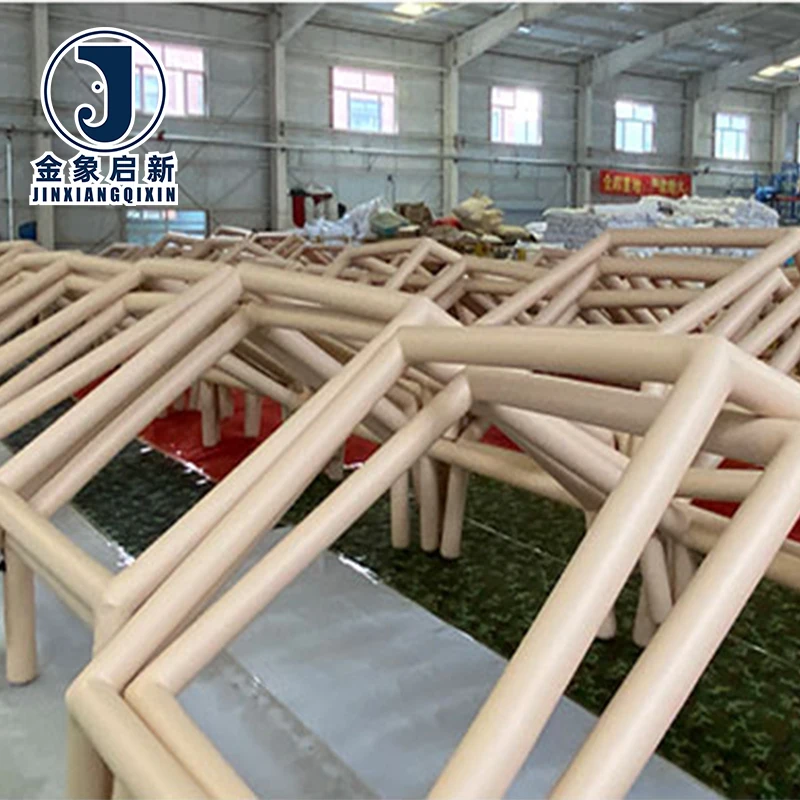
Description
Proven Batch Consistency — every roll of PVC tarpaulin destined for your inflatable structures is verified against stated weight and colour reference before leaving our facility.
Technical Specifications
| Parameter | Value |
|---|---|
| Product Type | Inflatable Tent |
| Core Material | PVC Tarpaulin |
| Waterproof Rating | 3000mm |
| UV Treatment | UV-resistant (test basis not stated in source) |
| Tear Resistance | Tear-resistant (test standard not stated in source) |
| Flame Retardant Grade | Available in flame retardant grades — confirm the grade required for your market |
| Product Form | Inflatable Camping Tent |
| Customization | OEM & ODM (sample customization, pattern printing) |
| Production Facility | 9,180 m² with 3 full production lines |
| Processing Equipment | 36 sets of professional equipment |
| R&D Support | 10 technicians |
| Certifications | ISO9001, ISO14001, ISO45001, CE |
Application Suitability
| Application | Exposure & Requirement |
|---|---|
| Disaster relief temporary shelter | Rapid deployment, prolonged rain exposure, ground moisture, repeated inflation cycles |
| Medical field station | Sterile-environment compatibility, frequent chemical cleaning, climate control retention |
| Industrial equipment storage | UV exposure, wind loading, abrasion from loading operations, dust ingress prevention |
| On-site logistics coordination | High-traffic entry points, tie-down stress at anchorages, seasonal temperature swings |
| Four-season outdoor deployment | Freeze-thaw cycles, thermal expansion at seams, sustained hydrostatic pressure |
Why Waterproof Claims Fail When the Tent Inflates
A 3000mm rating on paper means nothing if the welded seams part under air pressure.
Inflatable tents place unique stress on fabric joins. The internal air pressure pushes outward continuously, and every welded seam becomes a potential failure line. We have seen shelters arrive on disaster relief sites with the base fabric intact but seams already delaminating — because the weld temperature was set for flat sheet, not for the multi-layer junctions an inflatable structure demands [NEED_CITE: hydrostatic pressure testing methods for inflatable fabric structures]. Sourcing an Inflatable PVC Tent aftermarket supplier without verifying seam integrity under pressure invites field failures that no fabric specification alone can prevent.
Roll-to-Roll Colour Matching Across Your Entire Order
When you order multiple inflatable tents for a relief camp or commercial event, visible colour variation between units undermines professional appearance and can signal inconsistent coating batches. Our QA protocol checks colour reference at the coating stage, not just at final packing, ensuring every Inflatable Tent in a single shipment reads as one matched set under daylight and artificial light alike.
Weld Integrity at Air-Pressure Stress Points
Inflatable structures concentrate load at the tube-to-floor junction and at valve surrounds. The PVC tarpaulin used in our inflatable tent range is welded using parameters adjusted for these high-stress zones. We test peel strength at the weld line — not only on the base fabric — so the seam does not become the weakest link once internal pressure rises during hot-weather deployment [NEED_CITE: peel strength test methods for welded PVC tarpaulin per ISO 1421].
How Coating Weight and Base Fabric Interact in Inflatable Applications
The waterproof rating of 3000mm depends on two factors working together: the PVC coating thickness and the density of the underlying polyester weave. A heavy coating on a loosely woven base will crack at fold lines after repeated inflation and deflation cycles. Conversely, a tightly woven base with insufficient coating weight will allow water penetration at the yarn crossover points. Our material selection process balances both variables, matching coating adhesion to the specific denier and weave count of the base fabric so the inflatable tent maintains its waterproof barrier through hundreds of setup and teardown cycles. Surface finish — whether glossy or matte — also affects field performance: glossy surfaces shed water faster but show scuff marks in high-traffic industrial use, while matte finishes tolerate abrasion better in construction staging environments.
The Hidden Cost of Ignoring Colour Consistency in Bulk Orders
Imagine receiving twenty inflatable tents for a disaster relief deployment, unrolling them side by side, and finding three distinct colour shades across the batch. This is not a cosmetic complaint — it signals that the coating formulation varied between production runs, which often correlates with inconsistencies in UV treatment dispersion and weld behaviour [NEED_CITE: batch consistency challenges in PVC coated fabric production]. Field crews then face tents that age at different rates, with some units becoming brittle while others remain supple, making fleet maintenance unpredictable.
Why Procurement Teams Specify With Us
Our 9,180 m² facility runs three dedicated production lines, giving us capacity to deliver large inflatable tent orders without subcontracting to uncontrolled workshops. The 10-person R&D team develops custom samples within days, adjusting dimensions, tube diameter, and valve placement to your deployment protocol. Every roll is inspected at the coating stage and again after fabrication — 100% pre-shipment inspection is standard, not an upcharge. ISO9001, ISO14001, ISO45001, and CE certification documentation ships with every order, satisfying the compliance requirements of international relief agencies and industrial procurement departments alike [NEED_CITE: ISO management system standards applicable to coated fabric manufacturing].
Documentation & Verification
- Material specification sheet listing PVC formulation, base fabric denier, and 3000mm waterproof rating
- UV and flame retardant test reports provided where applicable to your market requirements
- Pre-shipment inspection record covering colour, weight, and weld integrity per unit
- ISO9001, ISO14001, ISO45001, and CE certificates included in every shipping document set
- Certificate of origin and customs documentation prepared for your destination country
- Roll packing list with batch traceability for each inflatable tent unit
Fabrication, Handling & Storage
- Weld temperature must match the specific PVC formulation used in your inflatable tent batch
- Store rolled PVC tarpaulin upright in climate-controlled space to prevent permanent creasing
- Avoid dragging units across abrasive ground during inflation to protect the coated surface
- Use compatible PVC adhesive for field repairs on seam or puncture damage
- Allow material to reach ambient temperature before unfolding in cold conditions to prevent coating fracture
- Clean with neutral pH detergent only to preserve the UV treatment layer
What to Include in Your Inquiry
Provide your intended deployment environment — climate zone, wind exposure, and duration of continuous inflation — so we can recommend the appropriate PVC tarpaulin grade. Specify the dimensions, tube diameter, and any custom printing or colour requirements for your inflatable tent order. If your destination market mandates a specific flame retardant classification, state the standard so we can confirm the correct formulation before sampling begins.
Frequently Asked Questions
Q: What custom sizes and minimum order quantities apply to inflatable tents?
A: Custom dimensions, tube configurations, and valve layouts are developed through our OEM and ODM process. Sample units are produced for your approval before batch manufacturing begins. Minimum quantities depend on the complexity of the design and the material grade selected. Contact us with your specifications and we will confirm the production parameters applicable to your project.
Q: How is the 3000mm waterproof rating verified on arrival?
A: Each shipment includes a pre-shipment inspection record documenting the waterproof test results for the batch. Upon receipt, you can conduct a hydrostatic column test on a fabric sample to confirm the rating. We provide the test methodology and acceptance criteria in our documentation package so your quality team can replicate the verification independently.
Q: What test basis supports the UV-resistant treatment claim?
A: UV-resistant formulations are available for the PVC tarpaulin used in our inflatable tent range. The specific test standard and exposure duration depend on the formulation grade selected for your order. Request the applicable test report during the inquiry stage so we can match the correct documentation to your market’s regulatory or performance requirements.
Q: How does the OEM pattern printing and colour matching process work?
A: We develop a colour reference sample using your specified Pantone or RAL code, then confirm the match under controlled lighting before production begins. Pattern printing for branding or identification markings is applied during the coating stage for maximum adhesion. Approval of the printed sample is required before the full batch proceeds to fabrication.
Q: What are the key points for welding and field repair of inflatable tent seams?
A: Weld temperature, pressure, and dwell time must be calibrated to the specific PVC formulation in your batch. We provide fabrication guidelines with every order. For field repairs, use the compatible PVC adhesive and patch material from the same formulation family. Clean and dry the repair area thoroughly, and apply pressure evenly across the patch until the bond cures fully.