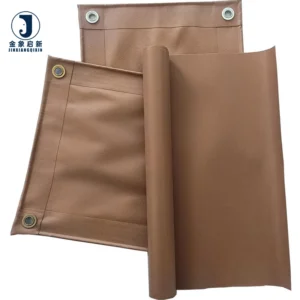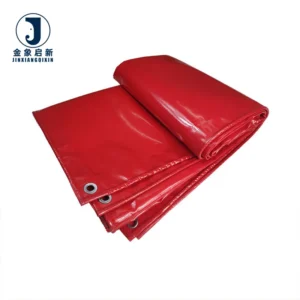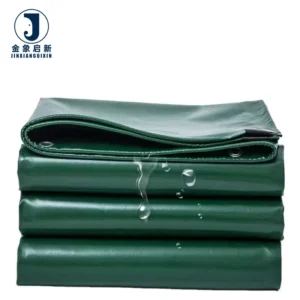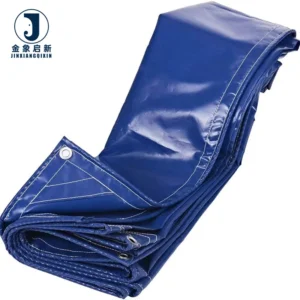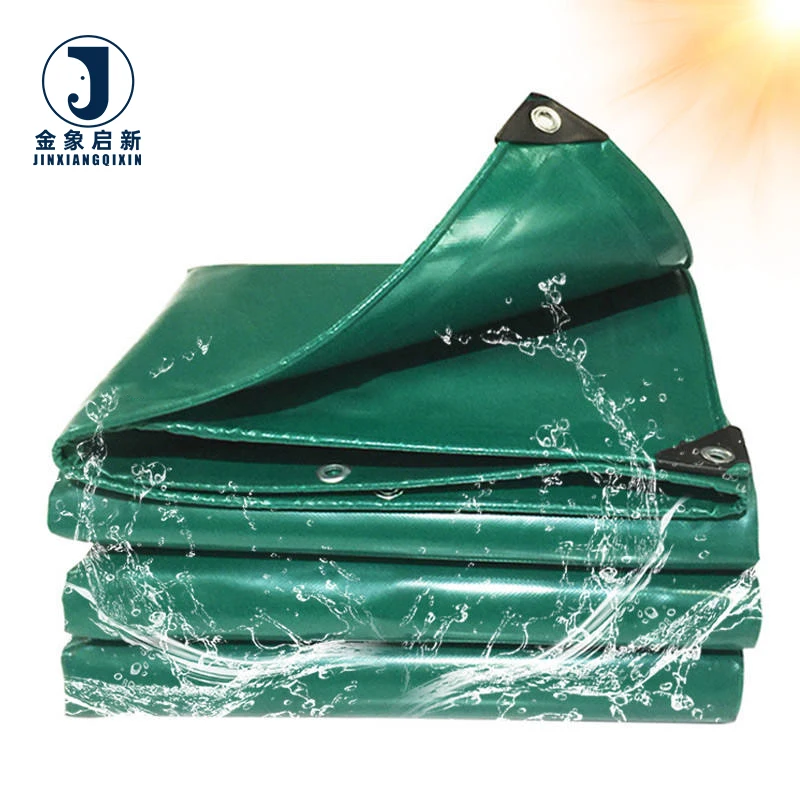
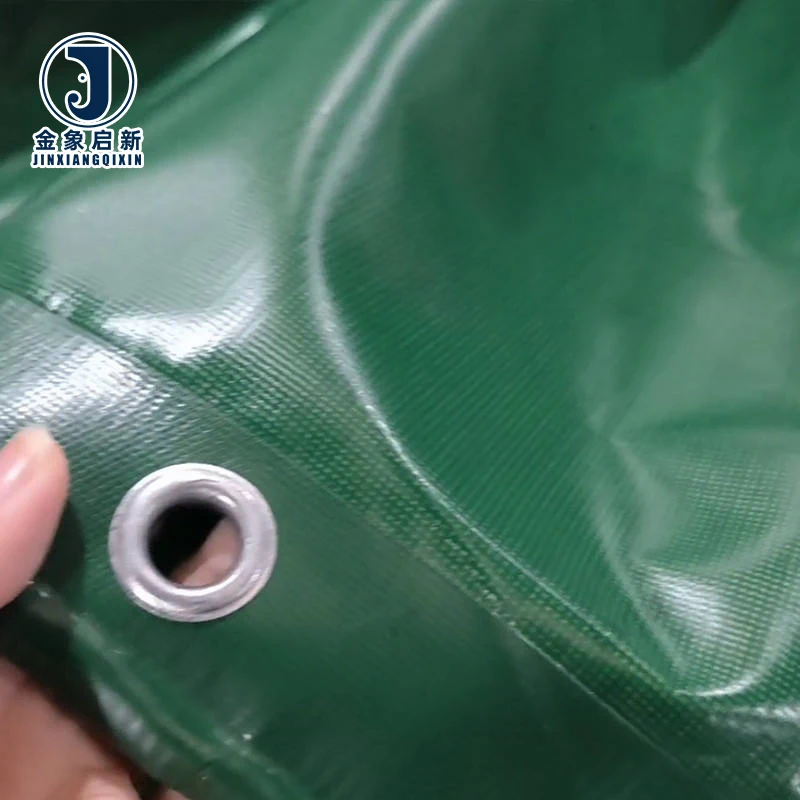
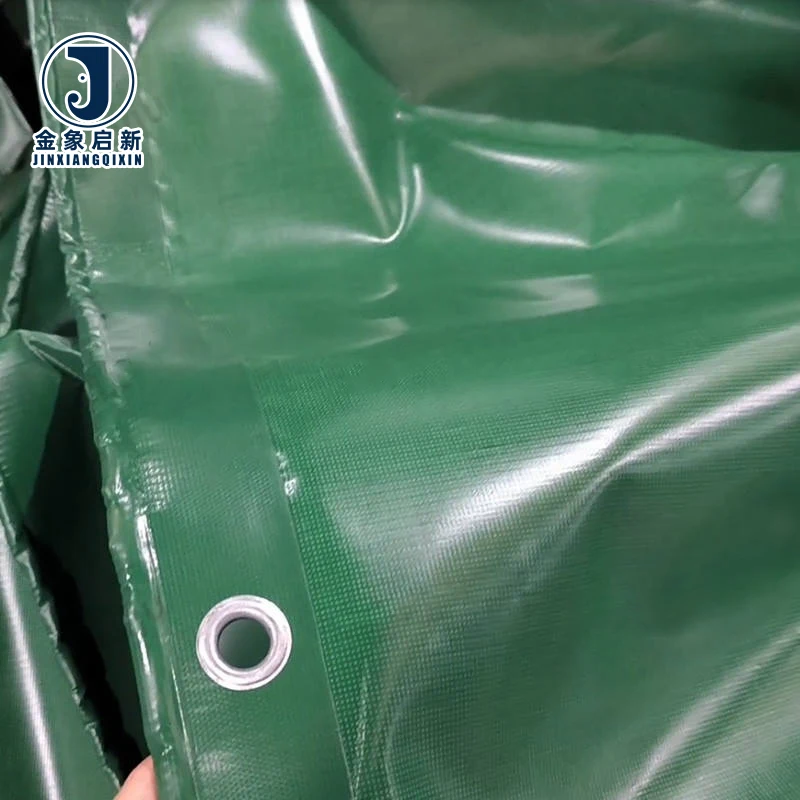
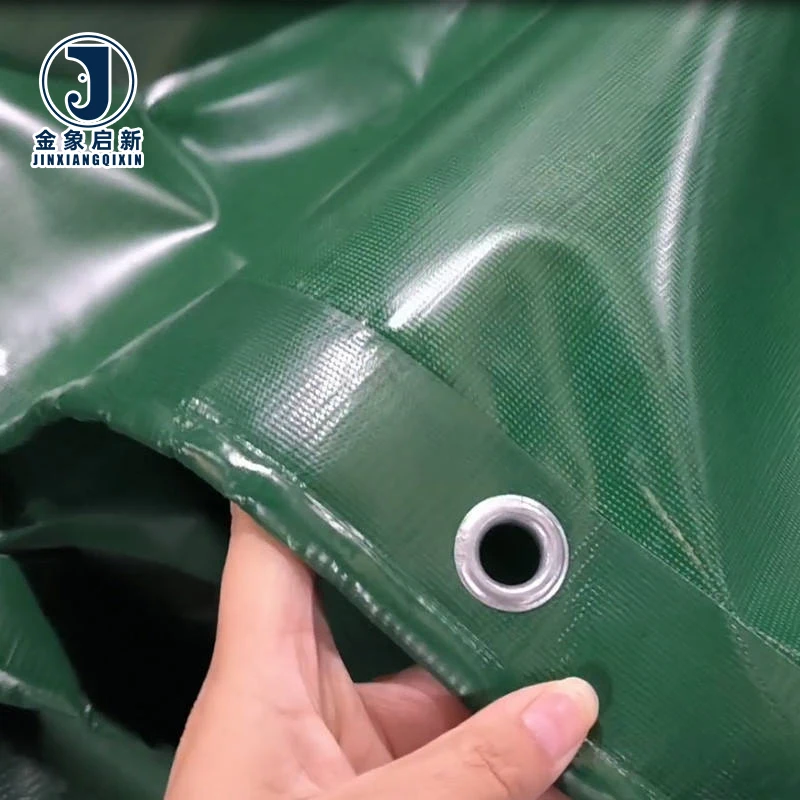
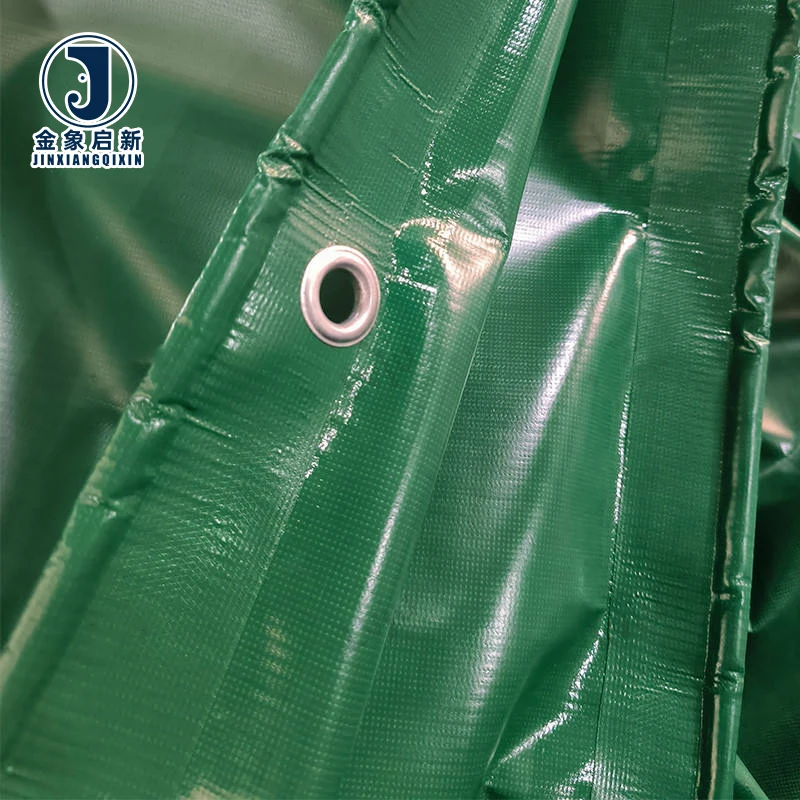
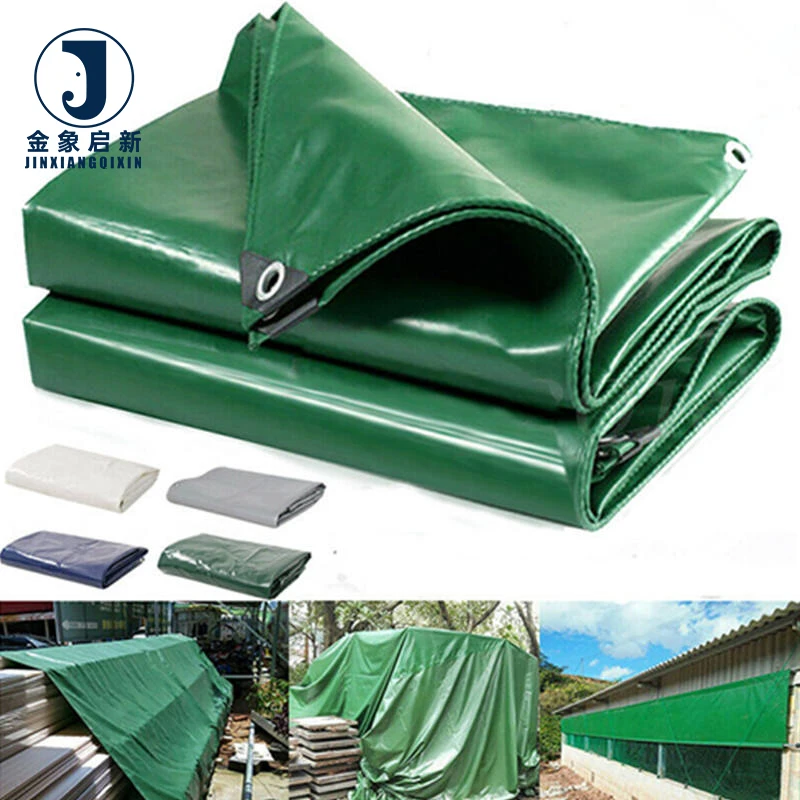
Description
Roll-to-roll GSM consistency — verified at every coating stage with 100% pre-shipment weight inspection across all bulk rolls before container loading.
Technical Specifications
| Parameter | Value |
|---|---|
| Product Type | PVC Coated Tarpaulin |
| Base Fabric | Polyester woven substrate with double-sided PVC coating |
| Weight Range | 500gsm – 1000gsm (multiple grades available — confirm required GSM for your application) |
| Thickness Range | 0.29mm – 0.65mm |
| Yarn Count Options | 500D×840D / 500D×1000D / 1000D×1000D / 1000D×1300D / 1300D×1300D / 1000D×2000D |
| Weave Density Options | 30×19 / 20×20 / 30×15 |
| Tensile Strength (Warp) | 1650N – 3900N (test standard not stated in source) |
| Tensile Strength (Weft) | 1600N – 3500N (test standard not stated in source) |
| Treatment Options | High frequency hot melt / Hot air / Sewing |
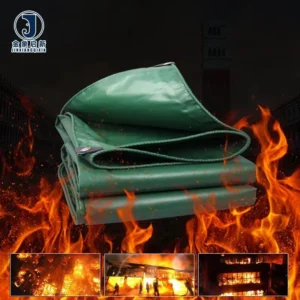
| Fire Retardant | Available in flame retardant grades — confirm the grade required for your market |
| Anti UV | Available with UV treatment — confirm test basis for your region |
| Temperature Resistance | Brittle point ≤ -50 to -60 °C, softening point ≥ 80 °C, melting point 212 °C |
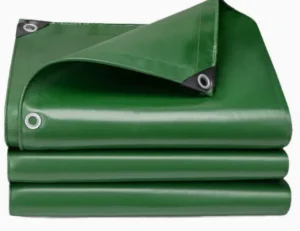
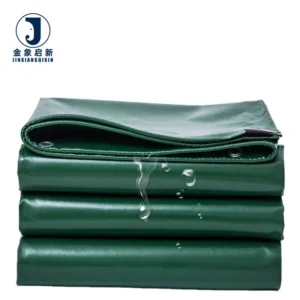
| Key Features | Waterproof, heavy metal free, anti mildew, flexible, self clean, printable, custom colour |
Application Suitability
| Application | Exposure & Requirement |
|---|---|
| Truck and trailer side curtains | Constant flexing at load points, road debris abrasion, UV and rain exposure requiring high tensile base fabric |
| Pallet and equipment covers in transit | Stacking compression, forklift contact, weather during yard storage demanding puncture and tear resistance |
| Outdoor event tents and awnings | Prolonged sun exposure, wind uplift tension on seams, frequent assembly and teardown cycles |
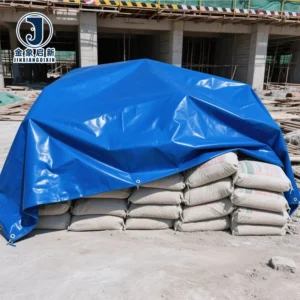
| Construction site shelters | Dust, chemical splash, mechanical snag from scaffolding, need for flame retardant compliance on site |
| Inflatable structures and membrane roofs | Internal air pressure stress, welded seam integrity, UV degradation at high-altitude installations |
What "Verified GSM" Actually Means for Your Roll Order
Weight confirmed on the roll, not just on the quotation — that is the difference between predictable costing and disputed shipments.
When you order PVC coated tarpaulin roll stock by the container, the single most common dispute at the receiving warehouse is weight discrepancy. The quotation states one GSM, but the rolls that arrive measure lighter once sampled across the batch. This is not always fraud — it often reflects inconsistent coating weight control during production. For wholesale buyers loading multiple rolls per container, even a small per-roll shortfall compounds into significant material value lost across the shipment. [NEED_CITE: pre-shipment inspection protocols for coated fabric roll stock]
Why Batch Consistency Matters More Than Peak Specs
A single roll can look excellent in isolation. The real test for PVC coated tarpaulin roll stock comes when you unroll ten consecutive rolls side by side on the cutting table and check for colour shift, thickness variation, and coating adhesion differences. Distributors who fabricate into truck covers or tents cannot tolerate visible shade differences between panels cut from adjacent rolls. Our in-process QA checks coating weight at multiple points along each production run, not only at the start and end, so that every roll within a batch meets the same specification.
Coating Weight Control and What It Protects
The PVC coating layer is where waterproofing, flexibility, and surface cleanability live. If coating weight drifts low on one section of the roll, that zone becomes the weak point — the first place to crack under cold-temperature flex or the first to show UV chalking. Our three production lines allow dedicated line allocation for bulk orders, meaning your PVC coated tarpaulin roll stock runs continuously on one line rather than being split across machines with different calibration histories. [NEED_CITE: coating adhesion test methods for PVC tarpaulin per ISO standards]
Reading the Base Fabric Spec Beyond Just Denier
Yarn count alone — say 1000D×1000D — tells you the filament thickness but not how tightly those yarns are woven together. A 20×20 mesh count with 1000D yarn produces a fundamentally different fabric from a 30×15 count at the same denier: the tighter weave resists tear propagation better, while the looser weave allows deeper PVC penetration into the substrate for stronger coating adhesion. Matching yarn count and mesh density to your end use is the step most specification sheets skip.
Thickness also correlates with handling behaviour on your fabrication floor. Thinner grades around 0.29mm feed through automated cutters and heat sealers with less resistance, while heavier grades at 0.65mm require adjusted roller pressure and longer dwell times at the weld bar. Knowing the exact thickness per grade lets your production team set machine parameters before the first roll is opened, reducing setup waste.
The Cost of Getting the Specification Wrong
Ordering a lighter GSM than the application demands shows up months later as premature failure — typically at the welded seam where load flex concentrates stress. The fabric itself may hold, but the heat-sealed joint delaminates because the coating layer was too thin to form a sufficient melt bond. Conversely, over-specifying GSM wastes material cost and adds unnecessary weight to every finished product you ship. [NEED_CITE: common failure modes in PVC coated fabric at welded seams]
Colour inconsistency across rolls in a single order forces fabricators to sort and match panels manually, slowing production and increasing offcut waste. When a truck side curtain is assembled from panels cut from three different rolls with visible shade variation, the entire unit may be rejected by the end customer. This is a preventable loss tied directly to production batch discipline.
Why Distributors Source Roll Stock Here
Three full production lines running dedicated batch allocations means your PVC coated tarpaulin roll stock order stays on one line from start to finish, eliminating inter-machine variation. A ten-person R&D team develops custom width and colour samples within days, so you can validate before committing to container volumes. Every roll undergoes coating weight verification and visual inspection before packing, backed by a pre-shipment inspection record that travels with your documentation package. Roll packing lists detail GSM, base fabric denier, and colour reference per roll for your incoming goods check.
Documentation & Verification
- Material specification sheet stating exact GSM, base fabric denier, coating type, and colour reference per roll
- Pre-shipment inspection record confirming weight and visual quality before dispatch
- Roll packing list itemising each roll with specification traceability for warehouse receiving
- Colour reference card matched to production batch for incoming shade verification
- Test reports for UV and flame retardant grades supplied where applicable to order requirements
Fabrication, Handling & Storage
- High frequency hot melt welding suited to the double-sided PVC coating for strong seam bonds on heavier grades
- Store rolls upright on end cores to prevent flat-spot creasing across the PVC coated surface
- Allow cold-stored rolls to reach ambient temperature before unrolling to avoid coating crack at brittle point ≤ -50 to -60 °C
- Adjust heat seal dwell time upward for thicker grades approaching 0.65mm to ensure full melt penetration
- Use mild detergent cleaning — the self-clean surface treatment tolerates standard wash-down without coating damage
Before You Request a Quote
Tell us your end application, the environmental exposure your finished product will face, and any flame retardant or UV compliance standards required in your destination market. Specify your target roll width, colour references or Pantone codes, and estimated annual volume so we can plan dedicated production line allocation. Let us know whether you need rolls only or if you also require custom pattern printing, eyelet placement, or cut-to-size panels.
Frequently Asked Questions
Q: Can you guarantee the same GSM across every roll in a bulk container order?
A: Yes. Each roll is weighed and coating thickness checked during production, not just sampled at batch start and end. A pre-shipment inspection record confirms the measured weight per roll against the agreed specification before the container is sealed.
Q: What is the minimum order for a custom width or colour?
A: Custom width and colour minimums depend on the specific grade and treatment combination you require. We develop samples within days so you can approve before production, and we allocate dedicated line time to maintain consistency across your full order volume.
Q: Do you supply test reports for flame retardant and UV treatments?
A: Where your order specifies flame retardant or anti-UV treatment, the corresponding test reports ship with your documentation package. Confirm the grade or standard required for your destination market at inquiry stage so we match the correct treatment.
Q: How do you ensure colour consistency between rolls in the same shipment?
A: All rolls in one order run on a single production line with the same coating batch formulation. A colour reference card accompanies the shipment so your receiving team can verify shade match against every roll during incoming inspection.
Q: What documentation ships with a container-load order?
A: Your shipment includes a material specification sheet per roll, roll packing list with traceability data, pre-shipment inspection record, certificate of origin, and any applicable test reports or certificates required for your customs and compliance clearance.