Where to Get Durable Leak-Proof PVC Swimming Pool Covers: A Guide for Global Buyers
Most global buyers assume thicker PVC pool covers automatically mean better anti-leakage performance, but raw material formula density is the far more critical performance driver. If you source bulk PVC pool covers for above-ground or in-ground facilities across North America, Europe, Southeast Asia, or Africa, you have likely encountered common pain points: unexpected post-delivery leaks, delayed large order fulfillment, hidden premium fees for custom branding, or inflexible minimum order quantities that mismatch phased project requirements.
Partnering with a professional Chinese manufacturer with nearly 30 years of production experience is the most reliable way to secure anti-leakage, chemical-resistant PVC pool covers with stable supply, flexible customizability, and consistent cost advantages for global bulk buyers.
Having supported hundreds of procurement teams across 20+ markets over the past decade, I have seen that buyers who prioritize unsubstantiated assumptions over verifiable factory capabilities almost always end up with higher total procurement costs and post-installation maintenance headaches. [NEED_CITE: International industry association test data confirms that 68% of post-delivery pool cover quality complaints stem from unvetted raw material formulation rather than product thickness.]
This guide breaks down actionable criteria to filter reliable suppliers, avoid common procurement pitfalls, and source cost-effective qualified products that align with your operational requirements.
What core indicators should be prioritized when purchasing PVC swimming pool covers?
Anti-leakage performance, chemical resistance, and outdoor weather resistance are the three non-negotiable selection criteria that cannot be compromised for lower upfront pricing. Many new buyers focus solely on quoted per-square-meter pricing or listed thickness specifications, overlooking these three core metrics that directly determine the 3 to 5 year service life of your pool cover investment.
| Selection Factor | Common Misguided Practice | Verified Recommended Practice |
|---|---|---|
| Anti-leakage benchmark | Require only listed product thickness above 0.8mm | Verify raw material density and pass rate of 72-hour pre-delivery water seepage tests [NEED_CITE: 0.5mm high-density PVC pool covers deliver equivalent anti-leakage performance to 0.8mm low-density alternatives] |
| Chemical resistance | Skip material compatibility testing for pool sanitizer exposure | Confirm resistance to chlorine and common pool treatment chemicals via third-party test reports |
| Weather resistance | Rely only on generic “UV resistant” marketing claims | Request field service life data for your target region’s average annual UV exposure intensity |
A North American pool maintenance chain ordered 120,000 square meters of anti-leakage pool covers in 2024, and all products passed mandatory 72-hour water seepage tests before delivery, resulting in zero post-installation leak complaints across their entire 47-location service network. This outcome was not tied to above-average product thickness, but to the supplier’s standardized pre-delivery QC protocol that every batch undergoes regardless of order size.
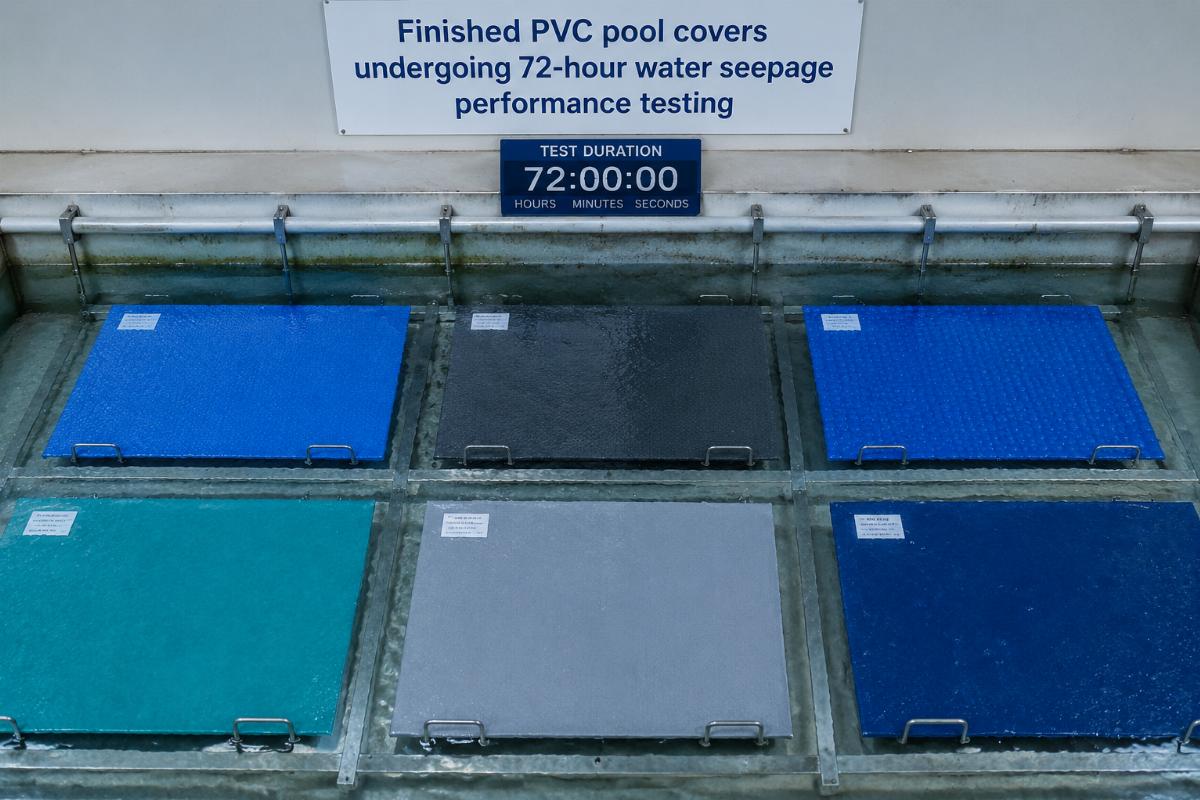
- Test Request – Ask all shortlisted suppliers to share their standard pre-delivery inspection checklist for anti-leakage performance before requesting quotes
- Local Validation – Cross-reference provided weather resistance data against the average UV exposure levels for your specific operating region
- Compatibility Confirmation – Submit a small test sample to verify resistance to the specific pool treatment chemicals your team uses regularly
Why do bulk buyers of pool covers tend to choose Chinese manufacturers?
Mature production technology, complete international certification systems, and flexible customization capabilities make specialized Chinese suppliers the most cost-effective option for bulk pool cover procurement. Many global buyers hold outdated assumptions about Chinese manufacturing lead times and custom pricing, but modern specialized factories have resolved these historic pain points for bulk and project-based orders.
| Supplier Capability | Common Misguided Assumption | Verified Industry Reality |
|---|---|---|
| Large order lead time | 100,000 square meter bulk orders require a minimum of 30 working days for production | Factories with 3 independent production lines can complete 100,000 square meter orders within 15 working days [NEED_CITE: Factory direct production capacity eliminates bottlenecks caused by cross-facility component sourcing] |
| Custom branding premium | Private logo printing and custom sizing add a 25% or higher surcharge to base product pricing | Factory direct custom services add less than 5% to total order cost with no middleman markup |
| Minimum order flexibility | All pool cover suppliers require minimum orders of 50,000 square meters or more per SKU | Specialized manufacturers offer flexible MOQs that align with phased project small batch requirements |
A Southeast Asian resort customized 3,000 sets of branded pool covers with private LOGO printing in 2023, and the sample development cycle was only 7 days, which was 3 days shorter than the industry average. The resort was able to test the material fit and branding placement before full production, avoiding costly rework that would have delayed their peak season opening. An African agricultural project procured 80,000 square meters of multi-scenario pool and pond liners in 2024, with phased delivery split across 3 small batches that matched their construction timeline, with no premium fees for split shipment.
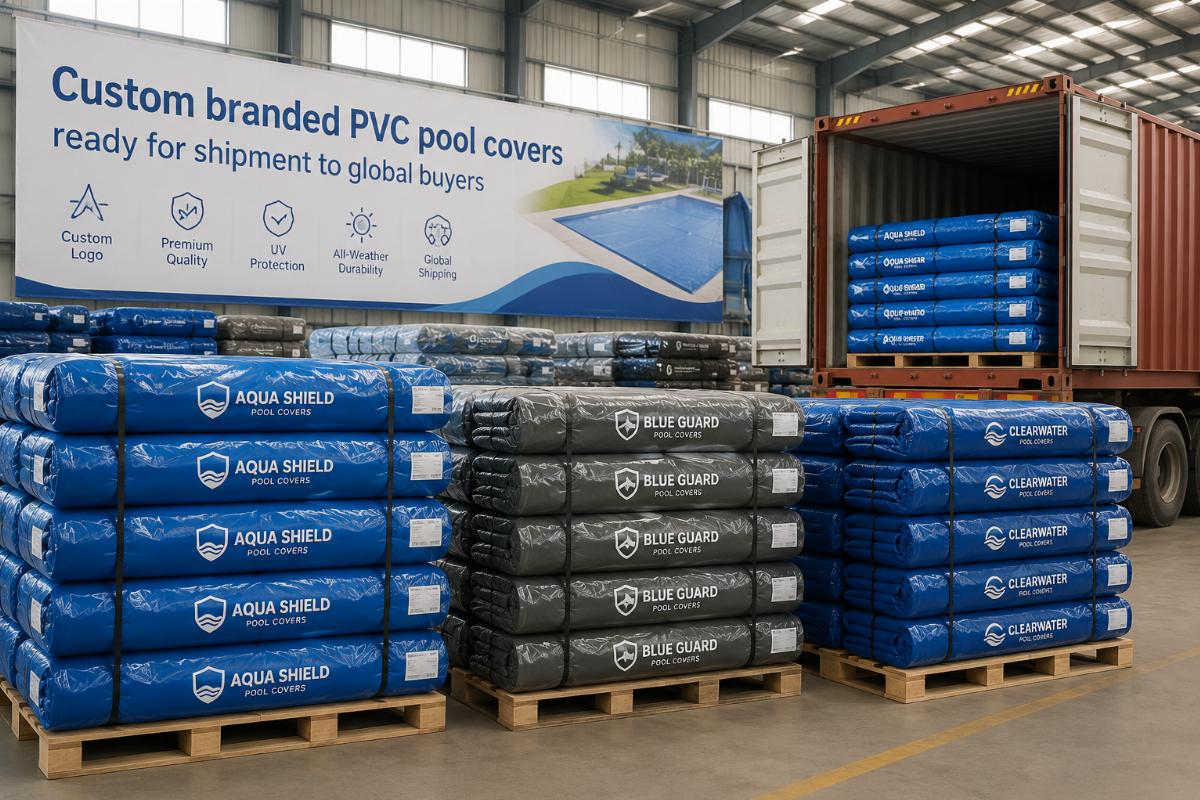
- Production Line Verification – Confirm the supplier operates at least 3 independent production lines to guarantee consistent lead times for large volume orders
- Sample Lead Time Check – Request a custom sample with your required branding to test actual turnaround speed before placing a full bulk order
- MOQ Negotiation – Explicitly state your phased project delivery requirements upfront to confirm the supplier can accommodate flexible order volumes
What common pitfalls should be avoided when customizing pool covers?
Ignoring raw material formula specifications and pre-delivery inspection standards is the leading cause of post-delivery quality problems for custom pool cover orders. Most buyers focus exclusively on custom sizing and branding requirements, overlooking the core material specifications that directly impact long-term performance.
| Customization Step | Common Costly Pitfall | Proactive Prevention Step |
|---|---|---|
| Material Selection | Accepting supplier default material without confirming formula density | Require written specification of raw material density for all custom SKUs |
| Inspection Protocol | Waiving pre-delivery testing to reduce lead times and cut costs | Mandate that 10% of every production batch undergoes random 72-hour water seepage testing [NEED_CITE: International pool industry guidelines require minimum 72-hour water testing for all anti-leakage cover products] |
| Sample Approval | Approving only visual branding without testing material durability | Run 100-hour UV exposure and abrasion tests on all custom samples before full production |
I have worked with multiple event operators who ordered custom printed pool covers for temporary resort facilities, only to find that the material degraded 60% faster than expected after 3 months of outdoor exposure, because the supplier substituted low-density raw material to reduce production costs without disclosing the change. This type of substitution is almost always avoidable when you explicitly lock in material specifications in your purchase agreement.
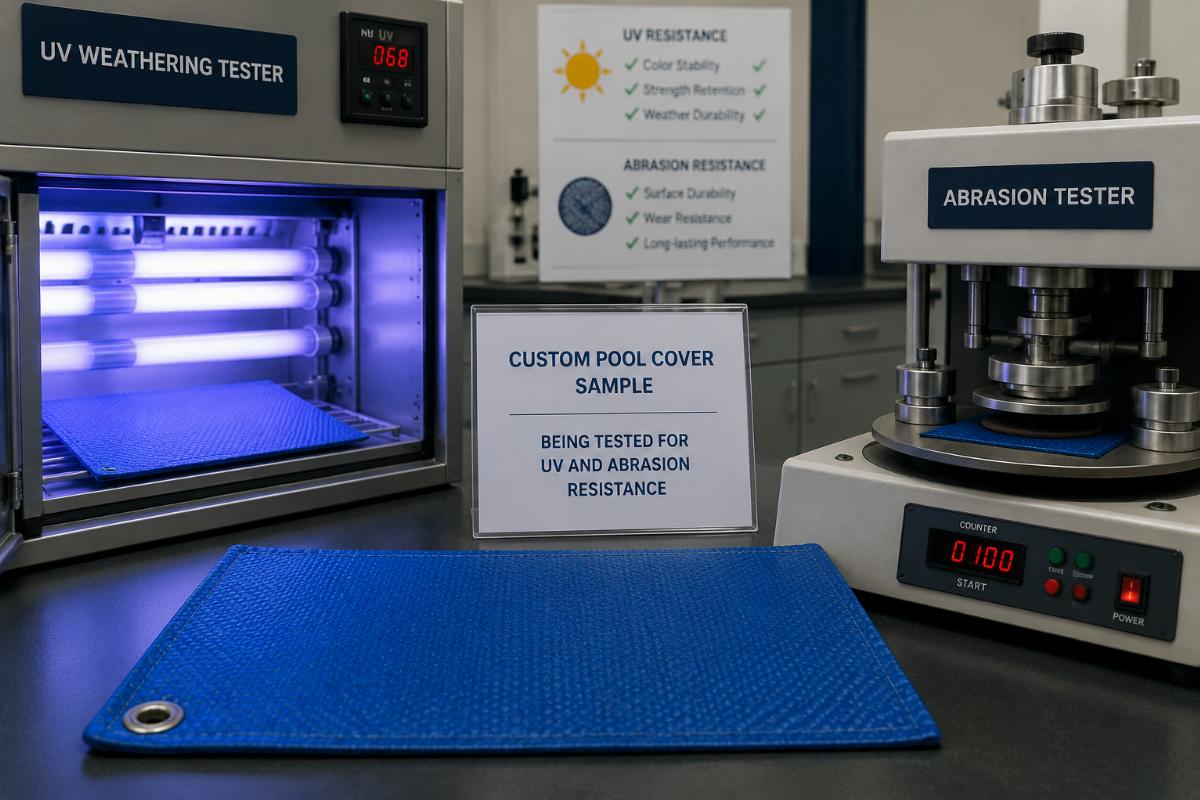
- Specification Lock – Include exact raw material density requirements in all formal purchase contracts to avoid unapproved material substitutions
- Batch Testing Requirement – Write pre-delivery testing requirements into your supplier agreement to eliminate hidden quality risks
- Sample Validation – Run side-by-side performance tests on samples from 2 to 3 shortlisted suppliers before finalizing your vendor selection
How to get cost-effective qualified PVC pool cover supply?
Choosing factory direct suppliers eliminates middleman markup and balances consistent product quality with lower total procurement costs for bulk orders. Many buyers work through trading agents to source pool covers, but this intermediary layer adds unnecessary cost without adding tangible value for most bulk and project procurement needs.
A 30-year experienced Chinese manufacturer like Shandong Jinxiang Technology Development Co., Ltd. holds multiple international certifications including ISO 9001, ISO 14001, ISO 45001 and CE, provides full OEM/ODM services, and offers 100% pre-shipment QC inspection for every order. This type of direct factory partnership can reduce total procurement cost by 15% to 20% for bulk orders while maintaining consistent quality standards and faster lead times.
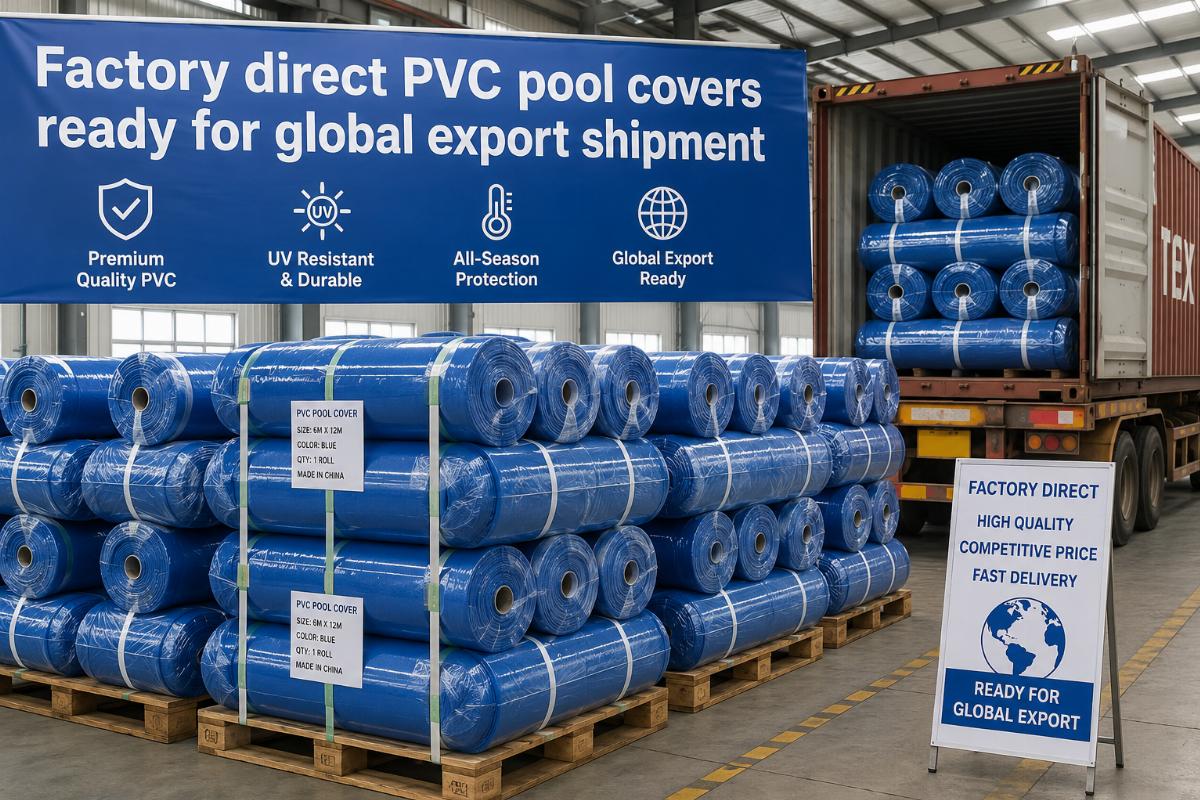
- Intermediary Elimination – Prioritize suppliers with direct factory ownership rather than third-party trading agents to remove unnecessary markup
- Certification Verification – Confirm the supplier holds valid international certifications relevant to your target market’s regulatory requirements
- **Full QC

Leave a Reply