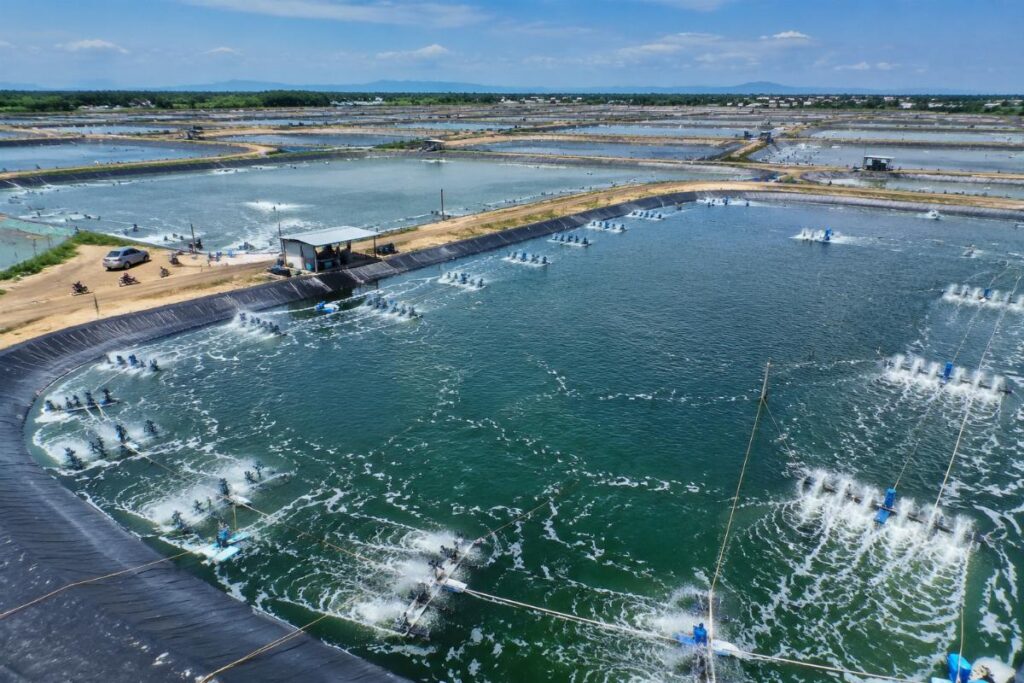
Heavy-Duty PVC Geomembrane: How to Choose Reliable Shrimp Pond Liners from China Manufacturer
Thicker shrimp pond liners do not guarantee better performance for intensive farming. Most aquaculture operators default to selecting the thickest available liners to avoid leaks and damage, but this common choice often leads to unnecessary upfront costs without delivering the extended service life promised. For high-density shrimp farming that requires frequent sludge cleaning and repeated equipment contact, the core performance indicator directly determines liner durability rather than raw material thickness.
The only three non-negotiable criteria for reliable heavy-duty PVC shrimp pond liners are high-density base material structure, full compliance with ecological safety standards, and verified long-term UV resistance. Matching these three standards can reduce the total comprehensive cost of aquaculture operations over the entire liner life cycle by 15% for intensive farming projects.
As someone who has supported aquaculture procurement teams across 20+ countries for nearly 30 years, we have seen hundreds of operators fall into avoidable selection traps that add 20% or more to their annual operational expenses. [NEED_CITE: Aquaculture operators that skip core performance verification for shrimp pond liners face 20-30% lower shrimp seed survival rates] Many of these mistakes come from outdated assumptions that do not align with the requirements of modern high-density farming systems.
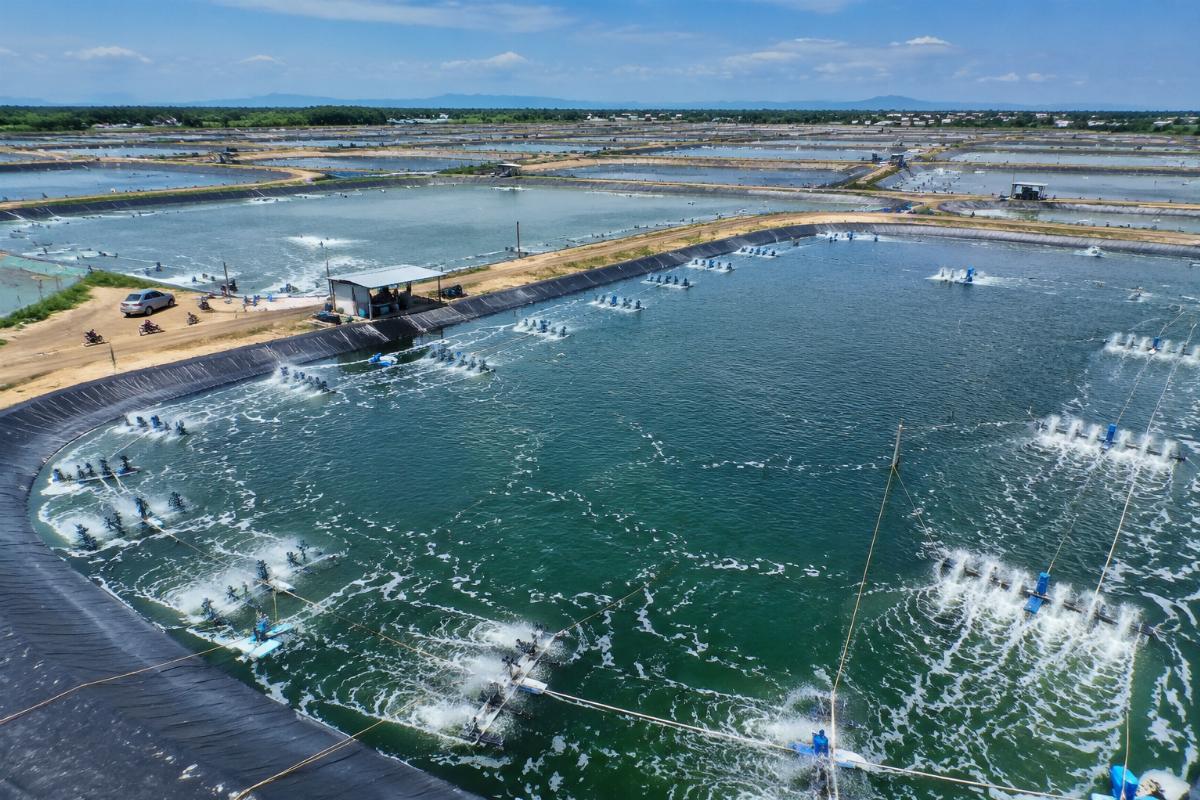
With this framework, you can systematically filter qualified suppliers and avoid costly missteps during the procurement process.
What Core Performance Specs Should You Prioritize for Intensive Shrimp Pond Liners?
Standard geomembranes fail 2x faster in high-density shrimp farming due to missing targeted performance design. Ordinary liners are built for general waterproofing scenarios like construction landfills, not for the repeated scraping of cleaning tools, constant contact with aquaculture medications, and year-round exposure to strong sunlight in tropical and subtropical farming regions.
| Performance Category | Common Substandard Practice | Verified Standard for Intensive Farming |
|---|---|---|
| Tear Resistance | Selecting materials with tear strength below 15kN/m | Tear strength of at least 20kN/m to withstand frequent sludge cleaning operations [NEED_CITE: 0.5mm high-density PVC liners can match the service life of 0.8mm ordinary liners in intensive shrimp farms] |
| UV Stability | Only testing for 1000 hours of UV exposure | Passing 4000 hours of UV aging testing with no obvious brittleness |
| Material Elongation | Ignoring stretch performance parameters | Tensile elongation at break of at least 300% to adapt to ground movement in seasonal temperature changes |
A shrimp farm operator in Southeast Asia operating a 120-acre intensive production base once ordered low-cost ordinary geomembranes, which developed widespread leaks after only 18 months of use. After switching to high-density PVC liners that meet the three core indicators, the system has run for 5 full years with zero leak points, extending the replacement cycle by 2 times compared to the previous product.
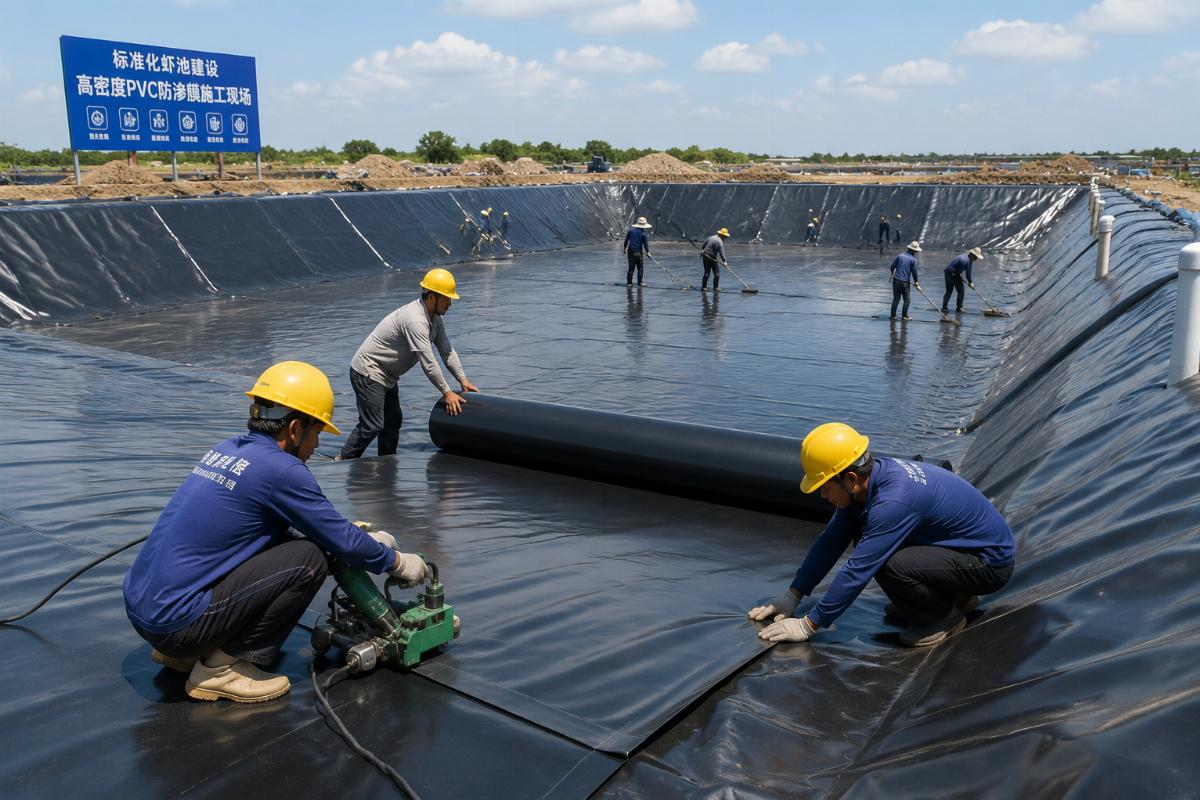
- Tear Resistance Verification – Request third-party test reports for tear strength parameters to confirm they meet the 20kN/m threshold before sample confirmation.
- UV Aging Validation – Ask for accelerated aging test data to ensure the material will not become brittle after long-term outdoor exposure in your local climate.
- Elongation Check – Confirm the material will not crack when the pond base shifts due to seasonal temperature fluctuations.
Common Misconceptions About Shrimp Pond Liner Selection That Increase Operational Costs
Three widespread selection myths directly push up total aquaculture operation costs by 20% or more. Almost all new aquaculture operators will fall into at least one of these traps in their first procurement attempt, leading to extra replacement expenses, reduced shrimp survival rates, or unnecessary upfront capital occupation.
| Common Misconception | Actual Operational Impact | Correct Selection Logic |
|---|---|---|
| Thicker liners always perform better | Wastes 30-40% of upfront material cost with no corresponding service life improvement | Prioritize high-density base material tear strength over raw thickness [NEED_CITE: Shrimp pond liners without ecological safety certification reduce shrimp seed survival rates by 20-30%] |
| Ecological certification is an unnecessary formality | Unqualified materials leach harmful substances into the water, leading to mass shrimp mortality | Only select products with full ISO 14001 ecological safety certification |
| Custom liners require extremely high minimum order quantities | Forces small and medium operators to overstock inventory they cannot use for years | Partner with factories that support flexible order thresholds for all project scales |
A small-scale shrimp business in Africa once worried that custom thin liners would have an excessively high minimum order requirement, and almost overstocked 3 times more material than they needed. They eventually found a source that supported a 500sqm minimum order for 0.5mm thick custom liners, received their samples in 7 days, and got the full batch delivered in only 15 days with zero excess inventory cost.
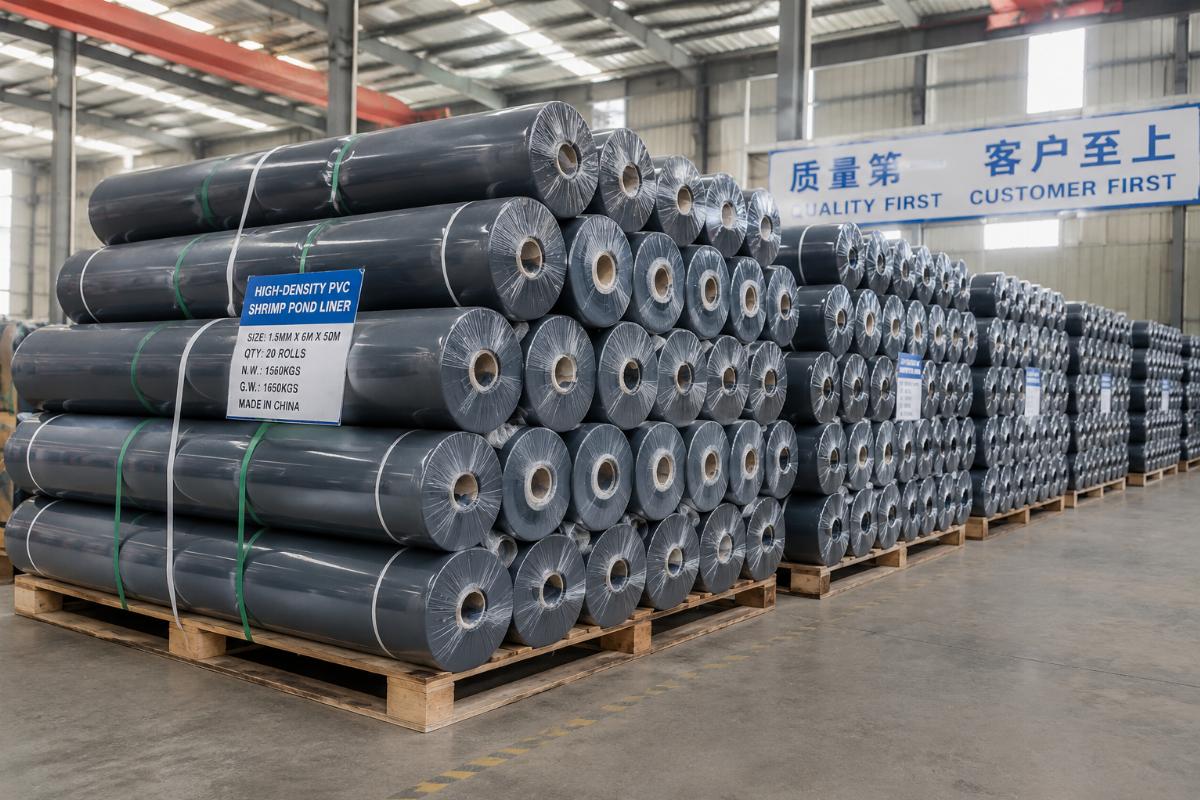
- Thickness vs Density Prioritization – Always request tear strength test data first, rather than directly locking in liner thickness parameters.
- Certification Validation – Cross-check the validity of ecological safety and anti-corrosion certification documents to avoid fake or expired qualifications.
- Order Threshold Confirmation – Communicate your actual required area clearly before quotation to confirm no hidden forced overstock requirements.
How to Verify a Qualified PVC Shrimp Pond Liner Manufacturer in China?
Checking three core dimensions can filter out 90% of unqualified suppliers in the market. China is the world’s largest production base for PVC geomembranes, with thousands of production entities of varying quality, so targeted verification is the only way to avoid unreliable partners.
| Verification Dimension | Common Supplier Red Flag | Qualified Supplier Benchmark |
|---|---|---|
| Production Experience | Less than 5 years of focused production in aquaculture materials | At least 10 years of dedicated R&D and production experience for aquaculture application scenarios |
| Quality Control Process | No pre-shipment inspection or only random sampling for 1% of batches | 100% full inspection of all products before shipment |
| Qualification Coverage | Only provides basic product quality certification | Holds complete ISO 9001 and ISO 14001 system certification covering the full production chain |
Shandong Jinxiang Technology Development Co., Ltd. has nearly 30 years of production experience in PVC and PE products, holds all relevant certifications including ISO 9001 and ISO 14001, operates 3 complete production lines, and implements 100% quality inspection for all products before shipment, fully meeting the core verification standards for qualified suppliers.
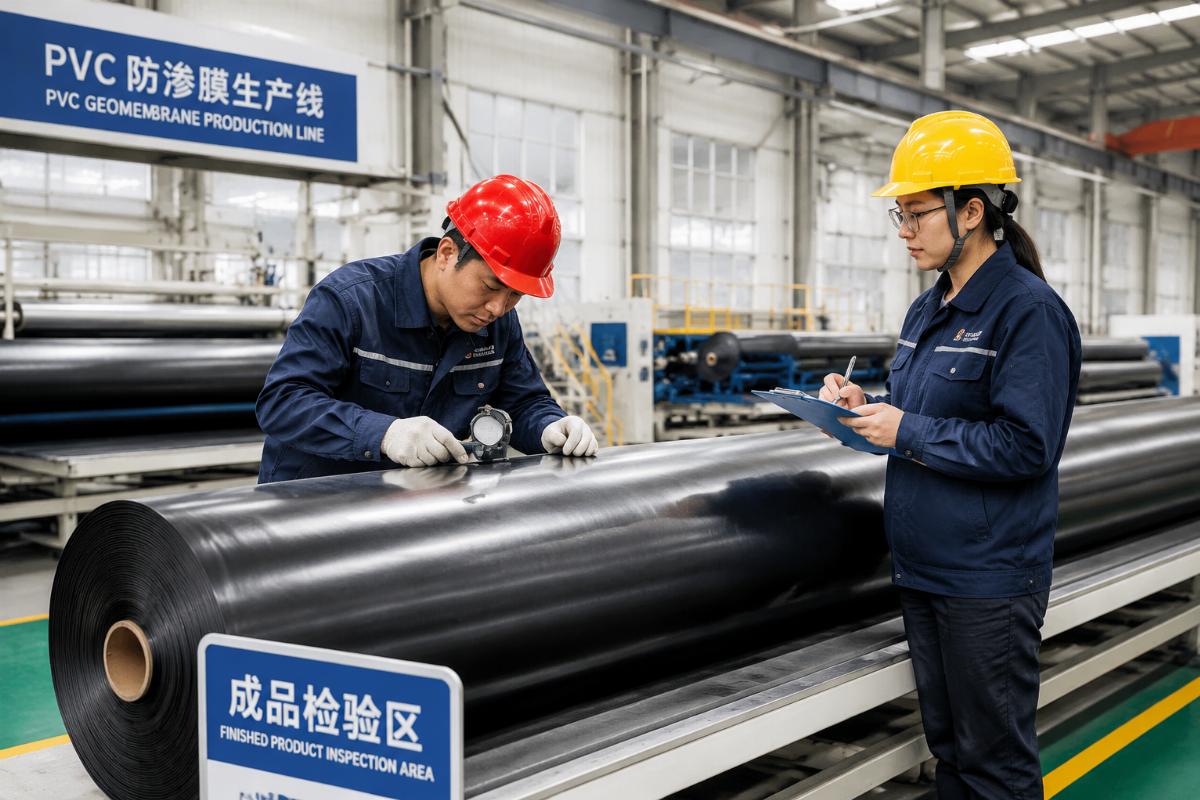
- Production History Check – Confirm the supplier has long-term focused production experience in the aquaculture liner sector, rather than a general geomembrane factory with no targeted R&D.
- QC Process Confirmation – Ask for specific quality control process documents to ensure no batch of products leaves the factory without full inspection.
- Certification Authenticity – Cross-check all provided certification documents with the issuing body to avoid forged or expired qualifications.
Conclusion
The core of reliable shrimp pond liner procurement is to match product parameters to actual farming needs, rather than chasing unnecessary redundant indicators. For operators of all scales, the optimal solution is to first clarify the three core performance indicators, then avoid the three common selection traps, and finally filter qualified suppliers through three key verification dimensions. This approach ensures you get a product that fits your local climate and farming scale without paying unnecessary premium costs, and you can achieve a 15% reduction in total long-term operation costs for intensive farming projects. Over 90% of aquaculture customers who have cooperated with regular Chinese suppliers for more than 2 years have a repurchase rate of over 80%, which fully proves the efficiency of this selection logic.

Leave a Reply