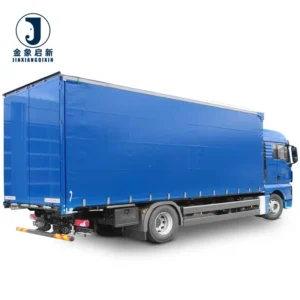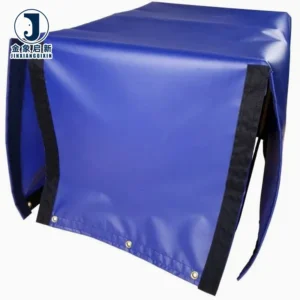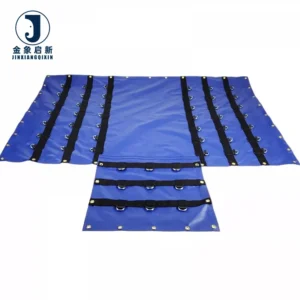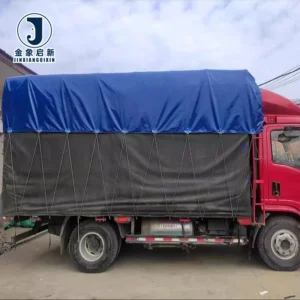
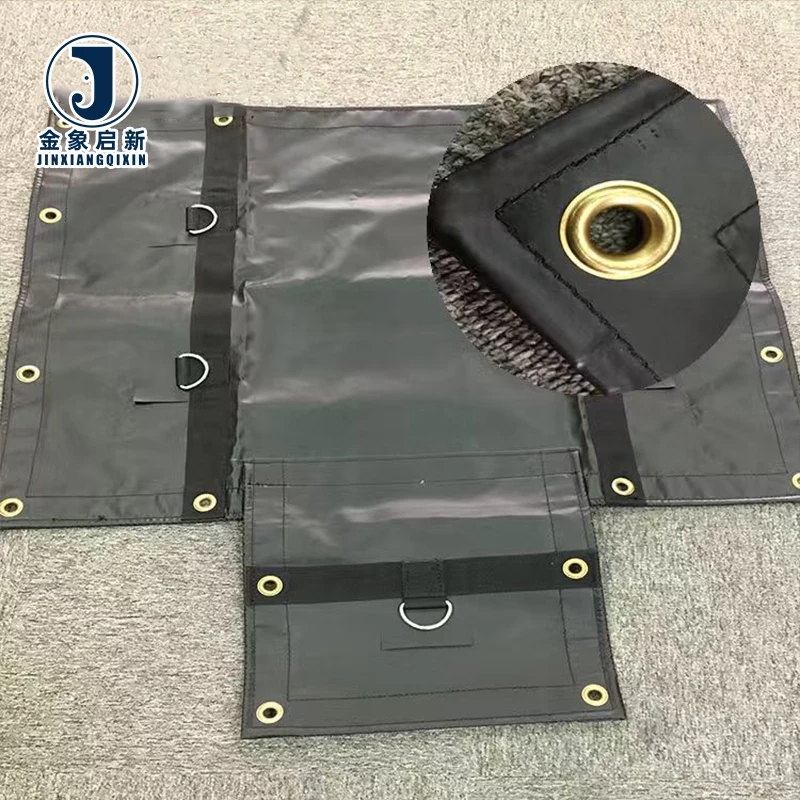
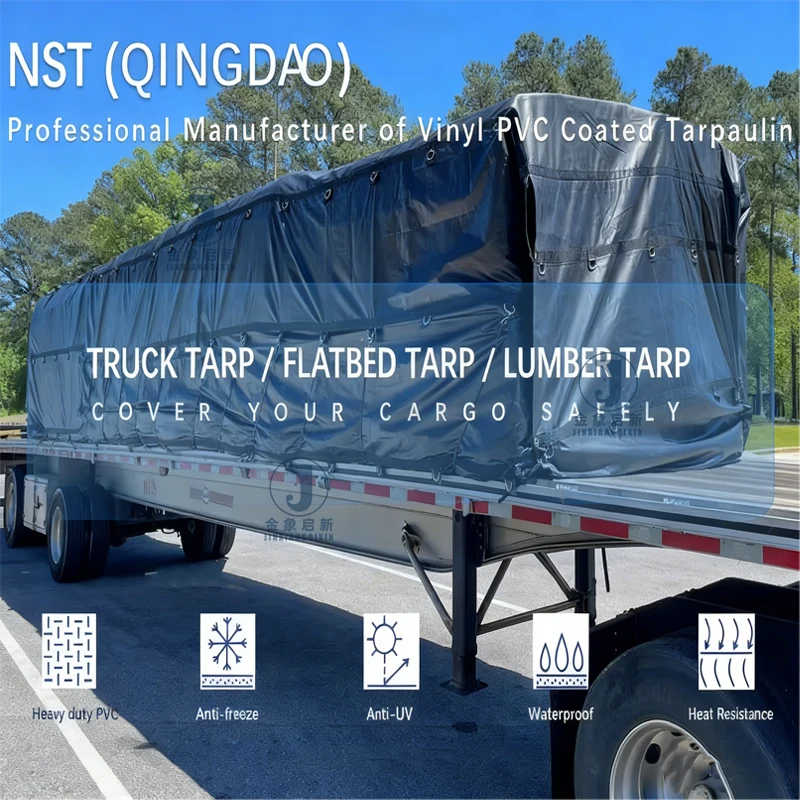
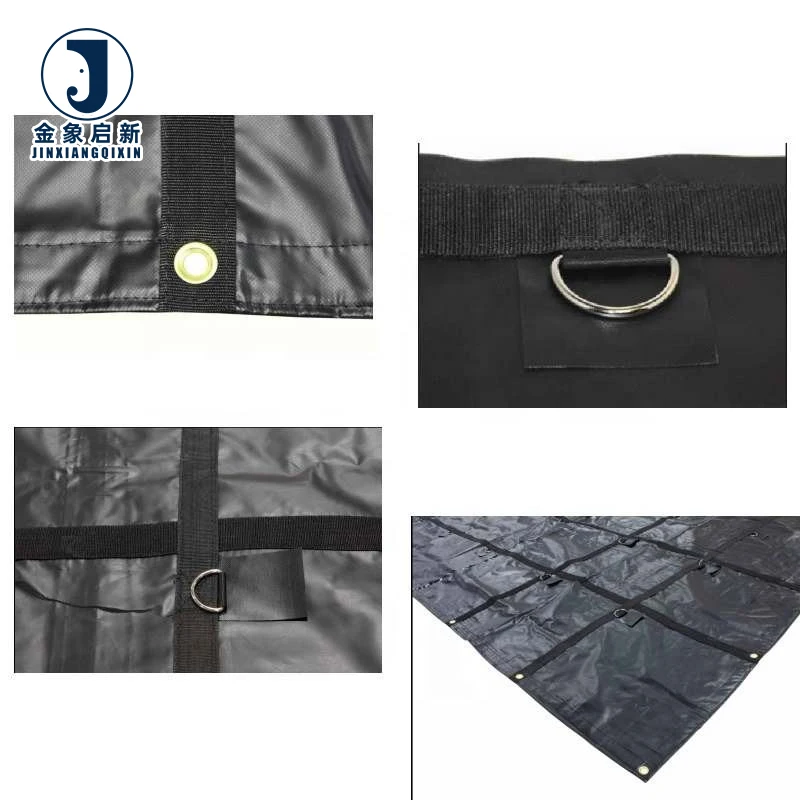
Description
Roll-To-Roll Batch Consistency — every roll of PVC truck tarpaulin undergoes dedicated QA inspection with 100% weight verification before it leaves the production line, eliminating GSM and colour discrepancies that surface only after fabrication.
Technical Specifications
| Parameter | Value |
|---|---|
| Product Type | PVC Coated Tarpaulin Truck Cover |
| Base Fabric | RipSTOP / Vinyl |
| Weight Options | 12oz / 14oz / 15oz / 18oz |
| Drop Options | 8′ Drops |
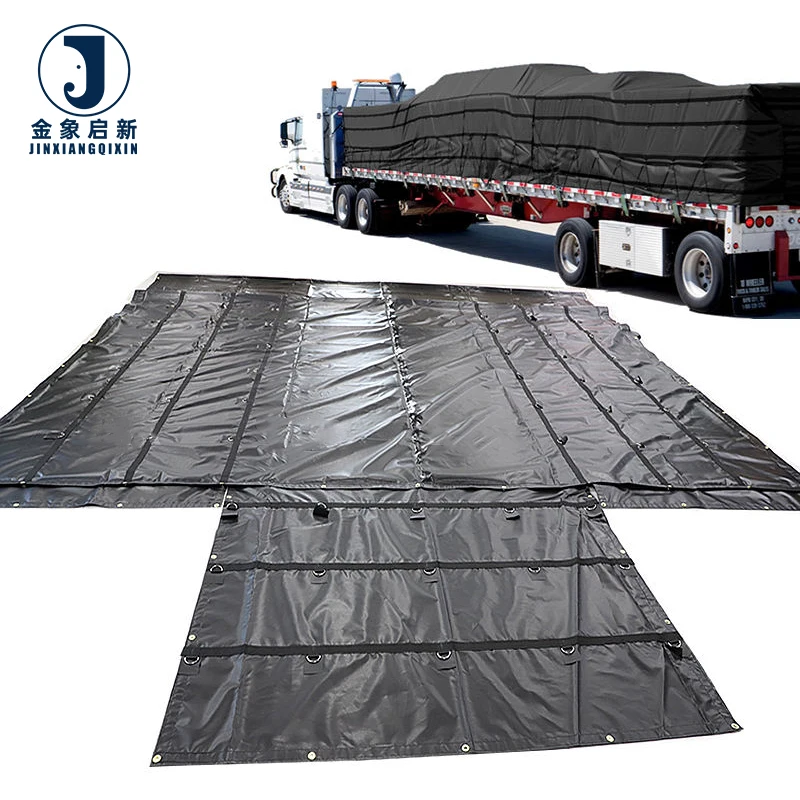
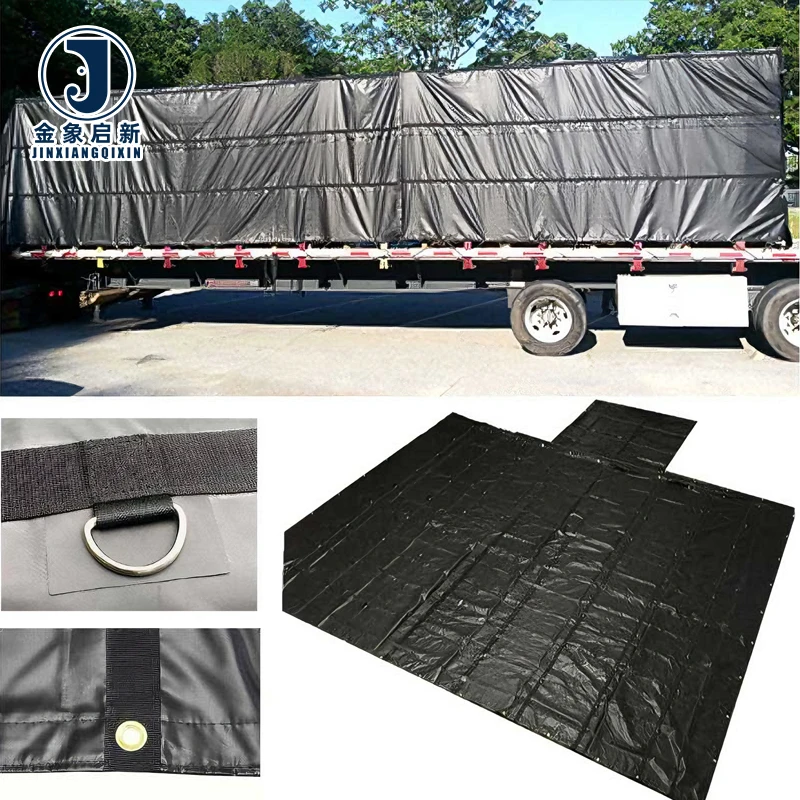
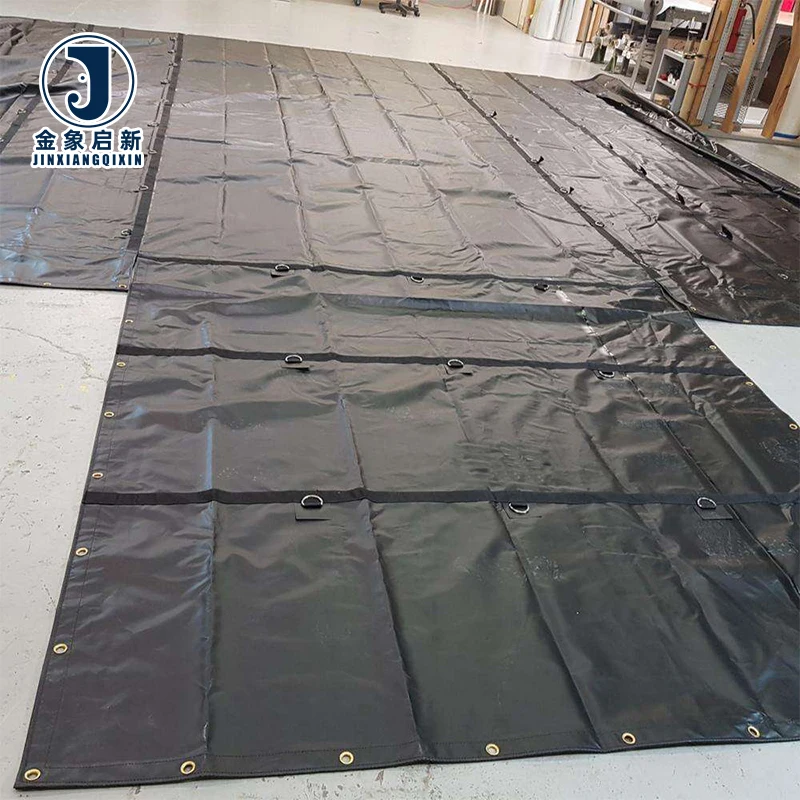
| Panel Configuration | 1PC / 2PC / 3PC |
| Waterproof | Yes |
| Abrasion-Resistant | Yes |
| Anti-Mildew | Yes |
| Anti-Pull | Yes |
| Customizable Density | Yes |
Application Suitability
| Application | Exposure & Requirement |
|---|---|
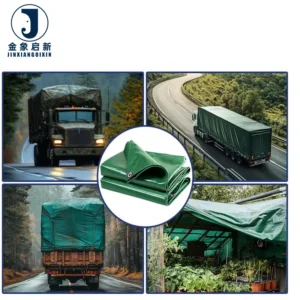
| Flatbed semi-truck lumber transport | Constant road abrasion, load flex at tie-down points, weather exposure requiring waterproof and anti-pull construction |
| Heavy-duty cargo protection during transit | High-speed airflow stress, repeated deployment and folding, friction against cargo edges |
| Fleet-standardised trailer covering | Roll-to-roll colour and weight consistency across multiple units for uniform fleet appearance |
| Transport equipment builder fabrication | Predictable welding and sewing behaviour across the entire roll for efficient production runs |
Why Weight Labels Fail When the Roll Arrives at Your Shop
A quoted 18oz PVC truck tarpaulin roll that arrives lighter than specified is not a minor variance — it is a structural compromise that shows up as premature tearing at the weld line.
Procurement teams regularly face a gap between the GSM stated on the quotation and the material that actually arrives. The PVC truck tarpaulin aftermarket supplier landscape is full of this discrepancy. A roll that measures below its stated weight delivers lower tensile and tear values than the fabricator designed for. This problem compounds when an entire container load arrives with mixed weights across rolls, forcing fabricators to segregate stock or risk inconsistent cover performance [NEED_CITE: tensile and tear test methods for coated fabrics per ISO 1421].
Bulk Sourcing Demands Predictable Roll Stock
Fleet operators and tarpaulin distributors ordering PVC truck tarpaulin roll wholesale quantities need every roll in a container to behave identically on the fabrication table. When base fabric denier and coating weight shift between rolls, the heat-welding temperature that seals one panel perfectly may burn through or under-bond the next. This batch variability forces fabricators to recalibrate equipment mid-run, generating scrap and delaying delivery schedules.
Custom Panel Configurations for Mixed Fleet Coverage
Transport companies operating different flatbed and lumber trailer models need covers cut to exact dimensions. The available 1PC, 2PC, and 3PC panel configurations with 8′ drop options allow fabricators to match specific trailer profiles without excessive seaming. Custom density and sizing mean the fabric can be ordered to the precise width and length the trailer demands, reducing off-cuts and secondary trimming on the shop floor [NEED_CITE: flatbed tarpaulin fitment standards for North American freight corridors].
How Base Fabric Choice Affects Road Performance
The difference between RipSTOP and vinyl base fabric is not cosmetic — it changes how the material responds to tearing under load. RipSTOP construction uses a reinforcement grid woven into the base that halts tear propagation when the fabric is punctured by a sharp cargo edge or caught on a tie-down hook. Vinyl base offers a smoother surface and more uniform coating adhesion, which translates to cleaner heat-weld seams during fabrication. Selecting between them depends on whether the priority is tear containment or weld consistency.
The weight range from 12oz to 18oz across these base fabrics determines how much abrasion the coating can absorb before the base yarns are exposed. Heavier grades carry more PVC coating mass, which protects the structural yarns longer at high-friction contact points such as lumber corners and steel coil edges.
The Hidden Cost of Ignoring Batch Consistency
A tarpaulin distributor who accepts a container load with colour variation between rolls faces customer complaints the moment two covers hang side by side on adjacent trailers. Similarly, when coating weight drifts below specification across a batch, every cover fabricated from the lighter rolls will reach end-of-life sooner than expected. These failures are rarely traced back to the incoming material — instead they are blamed on fabrication quality or road conditions, leaving the root cause unresolved and the next order exposed to the same problem [NEED_CITE: common failure modes in PVC coated tarpaulin covers at flex points].
Why Fabricators Source Truck Cover Rolls Here
Three full production lines running dedicated PVC coating processes ensure that bulk orders maintain schedule without splitting production across different equipment with varying output characteristics. The 10-person R&D team handles sample development for custom widths, colours, and density requirements, delivering working samples within days so fabricators can test weld parameters before committing to a full container. In-process QA at every production stage catches weight drift and colour shift before the roll reaches the packing area. Pre-shipment inspection verifies every roll against the purchase order specification — not a sampling protocol. Material specification sheets accompany each shipment stating the exact oz weight, base fabric type, and coating details per roll, giving fabricators the documentation needed for their own quality records.
Documentation & Verification
- Material specification sheet stating exact oz weight, base fabric type, and PVC coating per roll
- Pre-shipment inspection record with roll-by-roll weight verification against the quoted specification
- Roll packing list with colour reference code for batch traceability across container loads
- Certificate of origin and customs documentation prepared per shipment destination
- UV or flame-retardant test report included where specific treatment grades are ordered — confirm the grade required for your market
Fabrication, Handling & Storage
- Heat-weld temperature ranges differ between 12oz and 18oz grades — test scrap pieces from each roll before running full panels
- RipSTOP base fabric requires adjusted sewing tension compared to vinyl to prevent puckering at seam lines
- Store rolls horizontally on padded racks to prevent permanent creasing in heavier 18oz grades
- Allow cold-stored rolls to reach ambient temperature before unrolling to avoid coating micro-cracking
- Use PVC-compatible cleaners only — solvent-based products can soften the coating and reduce abrasion resistance
- Plan cutting layouts around the available roll width to minimise drop-panel seams on large flatbed covers
What We Need to Prepare Your Quotation
Provide the trailer models you are covering, the target oz weight for each application, and the annual roll volume you expect to consume. Specify whether you require finished panels with welded hems or raw roll stock for in-house fabrication. Let us know if your market requires specific colour references or if you need flame-retardant grades so we can confirm the applicable standard.
Frequently Asked Questions
Q: How do you guarantee the oz weight matches the quotation on arrival?
A: Every roll undergoes weight verification during our pre-shipment inspection, not just a sample check. The inspection record states the measured weight per roll against the quoted specification. If any roll falls outside tolerance, it is pulled from the shipment before packing. This eliminates the common problem of receiving lighter material than agreed.
Q: Can I get consistent colour across multiple rolls in one bulk order?
A: Yes. Batch colour consistency is controlled through in-process QA checks at the coating stage. Rolls destined for the same container are produced in a single coating run wherever possible, and each roll is tagged with a colour reference code so you can verify uniformity before cutting.
Q: What is the minimum order for custom width or drop length?
A: Minimum order quantities depend on the specific width and weight grade you require. Custom widths and non-standard drop lengths are available across all oz grades. Contact us with your target dimensions and quantity so we can confirm lead time and minimums for your configuration.
Q: Do you supply finished truck covers or only roll fabric?
A: Both options are available. We supply PVC truck tarpaulin roll wholesale for fabricators who cut and weld in-house, as well as finished covers in 1PC, 2PC, or 3PC configurations with 8′ drops and reinforced hems. Specify your preference when requesting a quotation.
Q: What documentation ships with each container for customs clearance?
A: Each shipment includes a roll packing list with weight and colour reference per roll, a material specification sheet, certificate of origin, and pre-shipment inspection record. If your order includes UV or flame-retardant grades, the relevant test reports are included. All documents are prepared to match your destination country requirements.