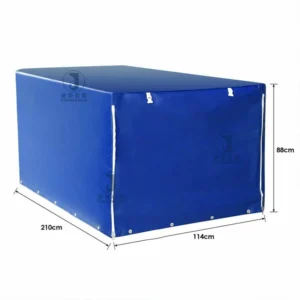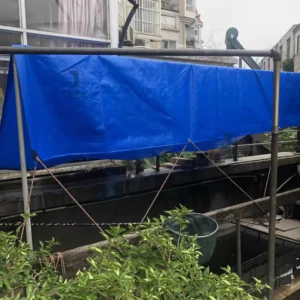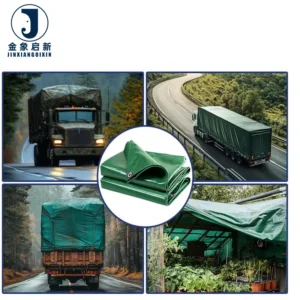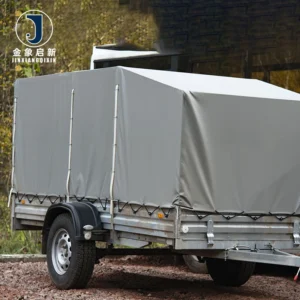
Description
Roll-to-Roll Consistency — batch colour and weight held within tolerance across every roll in a container load, backed by dedicated QA at each production stage.
Technical Specifications
| Parameter | Value |
|---|---|
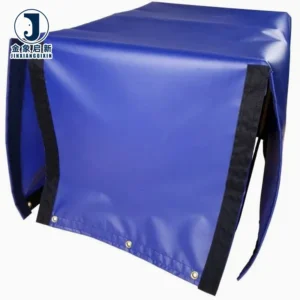
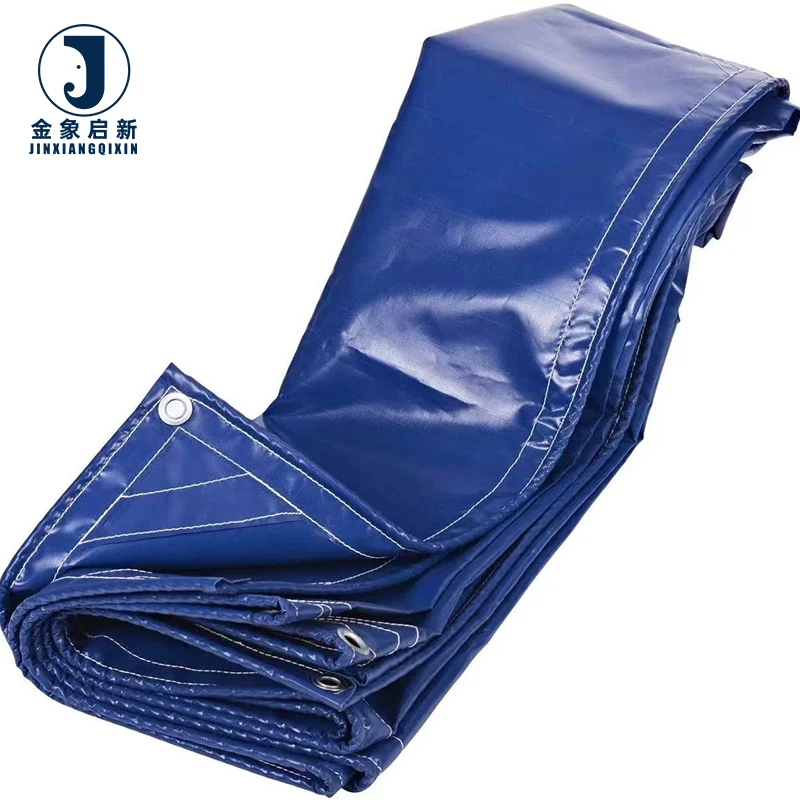
| Product Type | PVC Tarpaulin Truck Cover / Side Curtain |
| Coating Material | PVC |
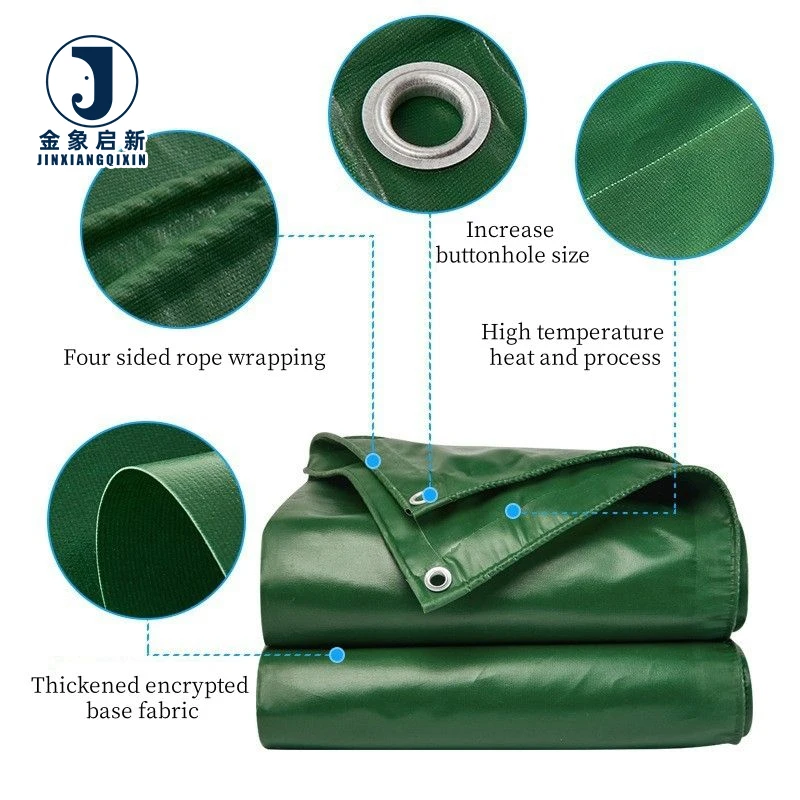
| Construction | Double-faced coated fabric |
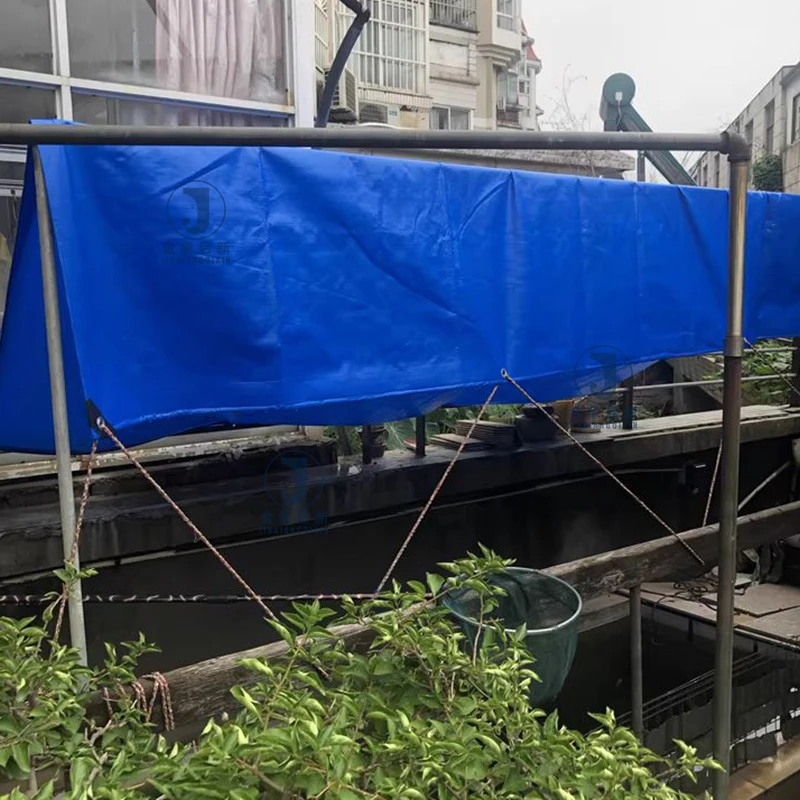
| Water Resistance | Yes — fully waterproof coated construction |
| Anti-UV Treatment | Yes (grade not stated — confirm requirement at inquiry) |
| Flame Retardant | Yes (grade not stated — confirm requirement at inquiry) |
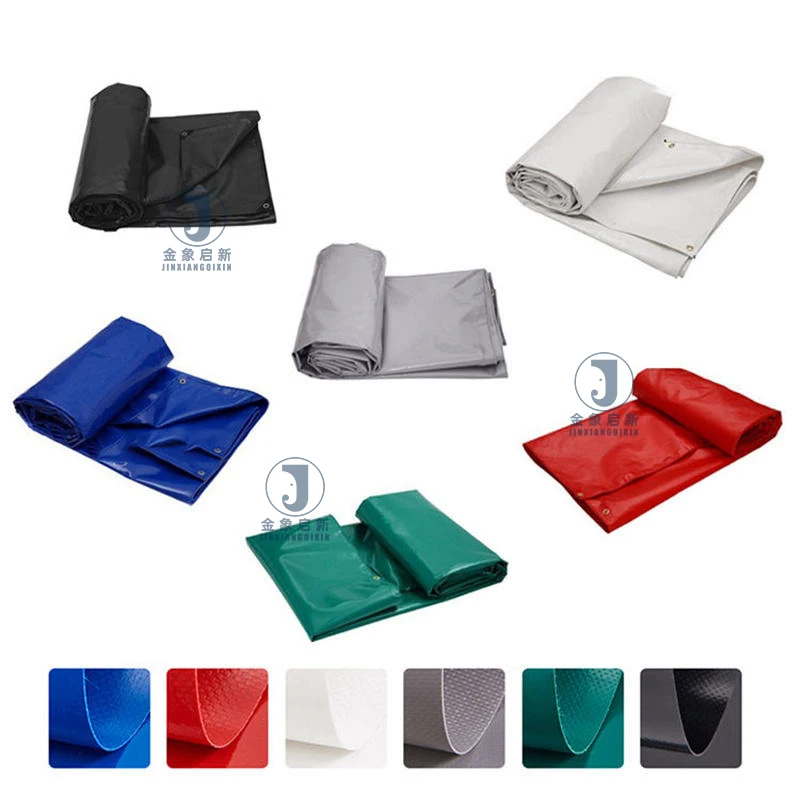
| Color Options | Multiple colors available |
| Customization | Logo printing and custom sizing available |
| Certification | ISO, CE |
Application Suitability
| Application | Exposure & Requirement |
|---|---|
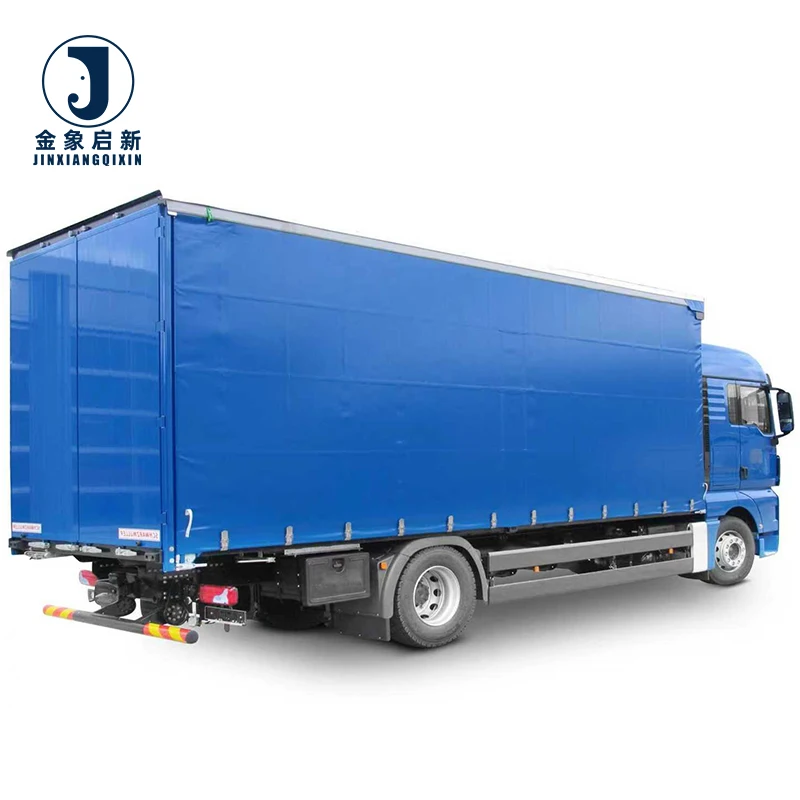
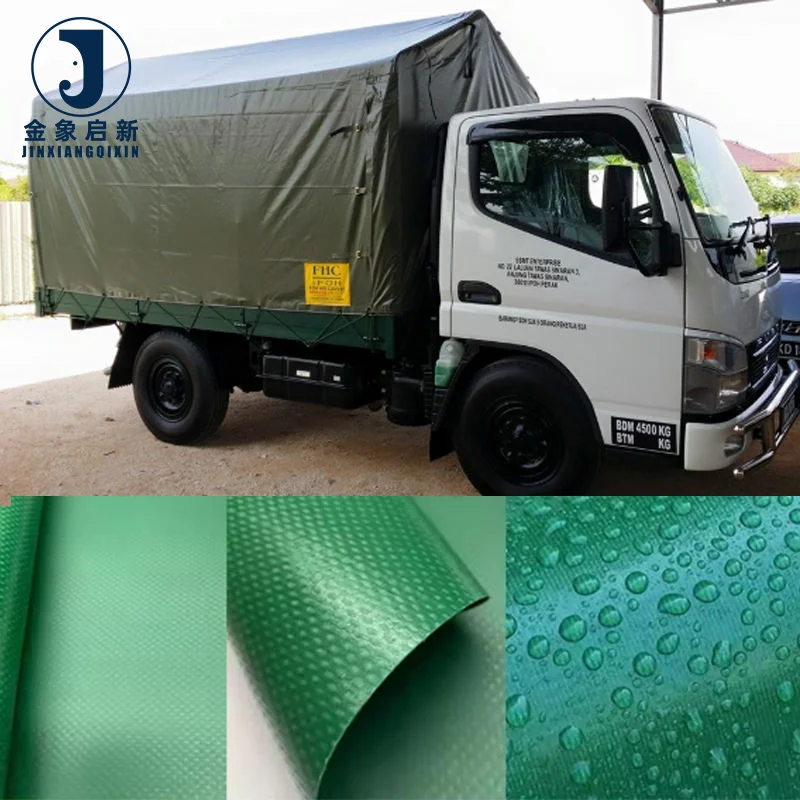
| Curtain-side trailer enclosures | Constant flexing at fold points, road debris abrasion, prolonged UV exposure, wind load stress |
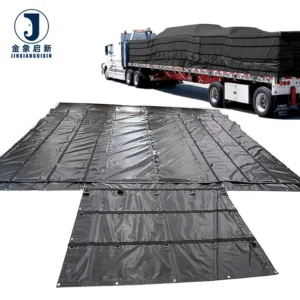
| Flatbed truck load covers | Direct sunlight, rain ingress prevention, tie-down friction at contact points |
| Advertising truck tarpaulins | Surface print clarity, colour fastness under sun exposure, large-format graphic reproduction |
| Fleet-wide cover replacement | Roll-to-roll colour matching across multiple units, consistent weight for uniform handling |
Why Colour Shifts Between Rolls Cost More Than the Fabric Itself
Batch consistency is a procurement metric, not a production afterthought.
When a transport fleet orders PVC truck tarpaulin wholesale to replace side curtains across twenty trailers, a visible colour difference between adjacent panels forces either a full reskin or an accepted mismatch that damages brand perception. The problem rarely appears on a single sample card — it emerges only when two rolls from the same shipment hang side by side on a curtain-side trailer in daylight. Sourcing managers who have dealt with this know that the rework cost of removing, re-welding, and re-hanging a panel far exceeds the per-metre savings of a cheaper roll. [NEED_CITE: visual colour tolerance standards for coated fabrics in fleet livery]
How Roll Stock Purchasing Differs from Cut-to-Size Ordering
Buying PVC truck tarpaulin wholesale by the roll shifts the quality checkpoint from a finished-product inspection to a raw material audit. Distributors and trailer OEMs need to verify GSM, colour reference, and coating adhesion before the fabric enters their own fabrication line, because once a roll is cut and welded into a side curtain, rejecting it means absorbing the full conversion cost. Roll stock purchasing also demands a clear container loading plan — knowing how many rolls of each width fit in a 20-foot or 40-foot container, and the gross weight per roll, determines whether a shipment is commercially viable.
Controlling Batch Uniformity Across a Multi-Roll Production Run
Maintaining consistent colour and weight across a full production run requires process control at the coating stage, not just a final visual check. PVC compound mixing ratios, plastisol viscosity, and coating head gap settings all influence the final GSM and shade of each roll. When a PVC truck tarpaulin wholesale order spans dozens of rolls in a single colour, even a minor drift in coating weight between the first and last roll produces a measurable difference on the scale and a visible difference on the trailer. Our 36 sets of professional equipment and dedicated in-process QA are designed to catch this drift before a roll reaches the packing station. [NEED_CITE: coating weight tolerance methods for PVC plastisol on polyester base fabric]
Reading the Specification Sheet Beyond the GSM Number
GSM alone tells you how much material is on the roll, not how that material is distributed between base fabric and coating. A PVC tarpaulin with a heavier coating layer but a lighter base fabric may reach the target GSM while offering lower tensile and tear strength than a lighter-coated fabric built on a denser polyester weave. The base fabric denier and thread count govern how the material resists tearing once a puncture starts, while the coating weight governs waterproofing, UV shielding, and surface weldability. For side curtain applications where the fabric flexes hundreds of times per trip, the adhesion between coating and base — determined by the coating method — matters as much as either weight component. Double-faced construction adds uniform strength and abrasion resistance on both the road-facing and cargo-facing surfaces, eliminating a weak side that could degrade faster.
The Hidden Cost of Specifying on Price Per Kilogram Alone
When a procurement decision rests on the lowest cost per kilogram of PVC tarpaulin, the supplier has an incentive to reduce coating weight or substitute a lower-density base fabric while still hitting the quoted GSM target. The result is a roll that passes the incoming weight check but fails prematurely at the weld line or develops micro-cracks along fold points after months of flexing. Fleet operators who have experienced this pattern learn to request a material specification sheet that breaks down base fabric weight and coating weight separately, along with a pre-shipment inspection record that confirms both values against the agreed specification. [NEED_CITE: common failure modes in PVC coated truck tarpaulins related to coating adhesion loss]
Why Fleet Buyers Source PVC Truck Tarpaulin Here
Nearly 30 years of focused production in PVC coated fabric gives our process engineers deep familiarity with the coating weight and adhesion variables that determine roll-to-roll consistency. Three full production lines and 36 sets of professional equipment support container-volume orders with on-time delivery schedules that distributors and trailer OEMs can plan around. A 10-person R&D team handles custom width, colour matching, and logo print development, producing samples within days so buyers can confirm shade and hand-feel before committing to a full production run. Dedicated QA inspection at every stage — from base fabric intake through coating, winding, and packing — means each roll ships with verified weight and colour documentation. ISO and CE certified production provides the compliance framework that importers need for customs clearance and downstream customer audits.
Documentation & Verification
- Material specification sheet stating confirmed GSM, base fabric type, and coating weight per roll
- Colour reference card with batch number for traceability across the full order
- Pre-shipment inspection record covering weight and colour consistency roll by roll
- Roll packing list with dimensions, gross weight, and roll count for customs clearance
- ISO and CE certificates included in the shipping document set
- UV and flame retardant test reports supplied where applicable to the ordered grade
Fabrication, Handling & Storage
- Heat-weld double-faced PVC fabric using matched temperature and dwell time to avoid coating delamination at seams
- Store rolls horizontally on padded racks to prevent permanent creasing in the PVC coating layer
- Allow cold-stored rolls to acclimatise before unrolling to prevent cracking of the PVC surface
- Select mild pH cleaners compatible with PVC coating to preserve surface finish and print adhesion
- Plan cutting layout around standard roll widths to minimise off-cuts and transverse weld seams
- Reinforce tie-down contact zones with additional PVC patches to distribute load across the coated surface
What to Include in Your Inquiry
Provide the target GSM range, required roll widths, and annual volume so we can recommend stock grades or schedule a dedicated production run. Specify any flame retardant or anti-UV grade required by your destination market, along with the applicable test standard. If logo printing or custom colour matching is needed, share the artwork and Pantone reference so our R&D team can develop a sample for your approval before bulk production.
Frequently Asked Questions
Q: What GSM grades and widths are available for immediate shipment?
A: We maintain a range of stock grades and widths suited to truck cover and side curtain fabrication. Current stock availability varies by production schedule, so we confirm specific GSM options and roll widths at the time of inquiry. For custom widths or colours outside the stock range, our R&D team provides lead time and minimum order guidance based on your specification.
Q: How do you control colour consistency across multiple rolls in one order?
A: Every roll in a batch production run is checked against the confirmed colour reference during in-process QA. PVC compound mixing ratios and coating parameters are locked for the full run to prevent shade drift. A pre-shipment inspection record documents colour and weight verification roll by roll, and a batch reference number on the roll packing list allows full traceability after delivery.
Q: Can different widths and colours be mixed in a single container?
A: Yes, mixed-width and mixed-colour rolls can be consolidated into one container shipment. We provide a container loading plan detailing roll count, dimensions, and gross weight per roll so you can verify that the loading arrangement meets your logistics requirements. This flexibility supports distributors and importers who supply multiple customers from a single order.
Q: What test reports come with anti-UV and flame retardant grades?
A: Where anti-UV or flame retardant treatment is specified, test reports are supplied matching the batch shipped. The applicable test standard and grade must be confirmed at inquiry, as requirements differ by market. We recommend sharing your destination market compliance requirements early so we can align the correct grade and documentation with your order.
Q: What is the lead time and minimum for custom colour or width runs?
A: Lead time and minimum order quantity for custom runs depend on the specific colour, width, and GSM requested. Our R&D team develops samples within days for your approval, after which we confirm a production schedule. Standard stock items typically carry shorter lead times, while dedicated custom production runs require planning around existing line commitments.