Description
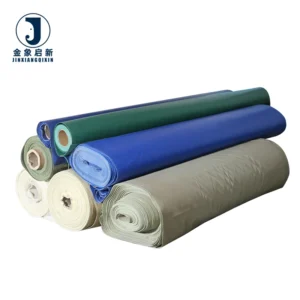
Verified GSM Consistency — every roll is weighed and recorded against the stated 400g specification before dispatch, so the PVC Tarpaulin Roll you order is the roll you receive in the container.
Technical Specifications
| Parameter | Value |
|---|---|
| Product Type | PVC Coated Tarpaulin |
| Specification | 400g 0.3mm |
| Weight (GSM) | 400g/m² |
| Total Thickness | 0.3mm |
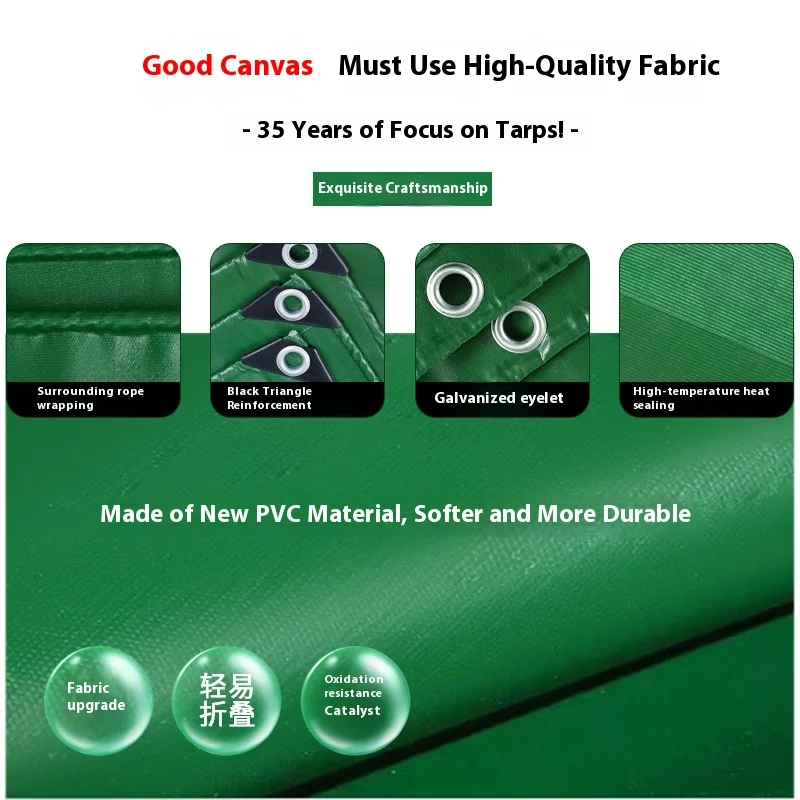
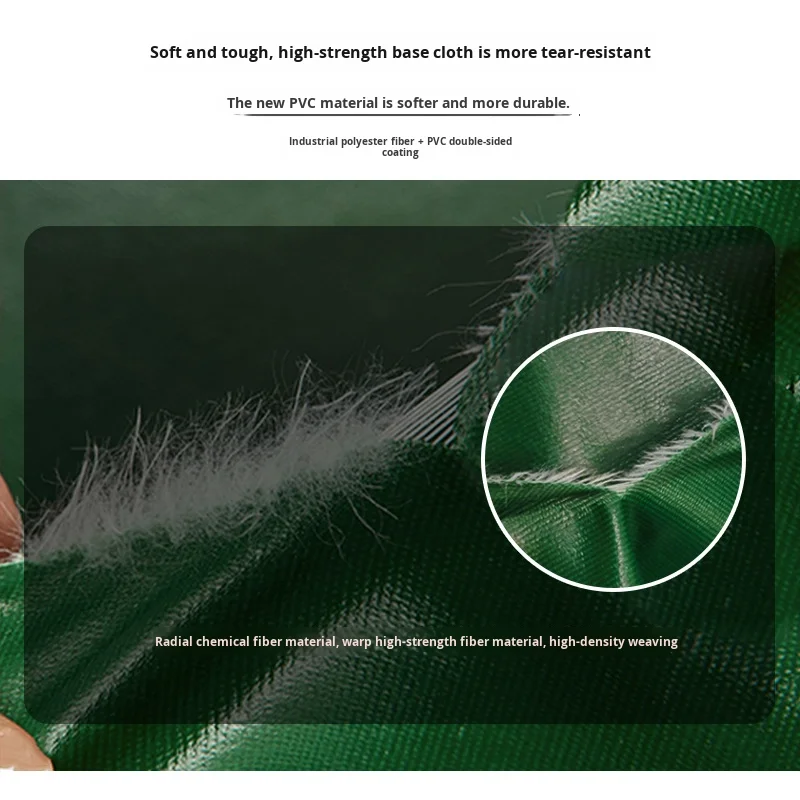
| Base Fabric | 500D×500D Polyester |
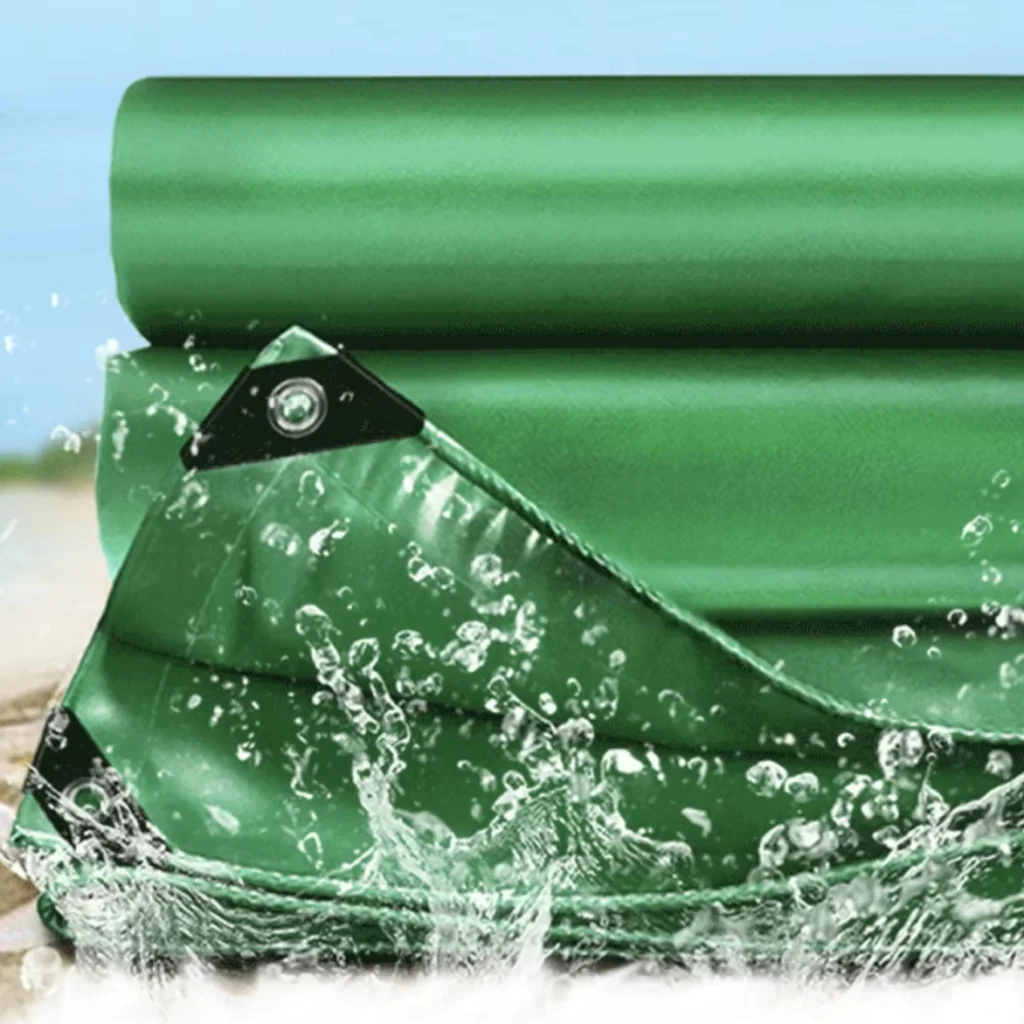
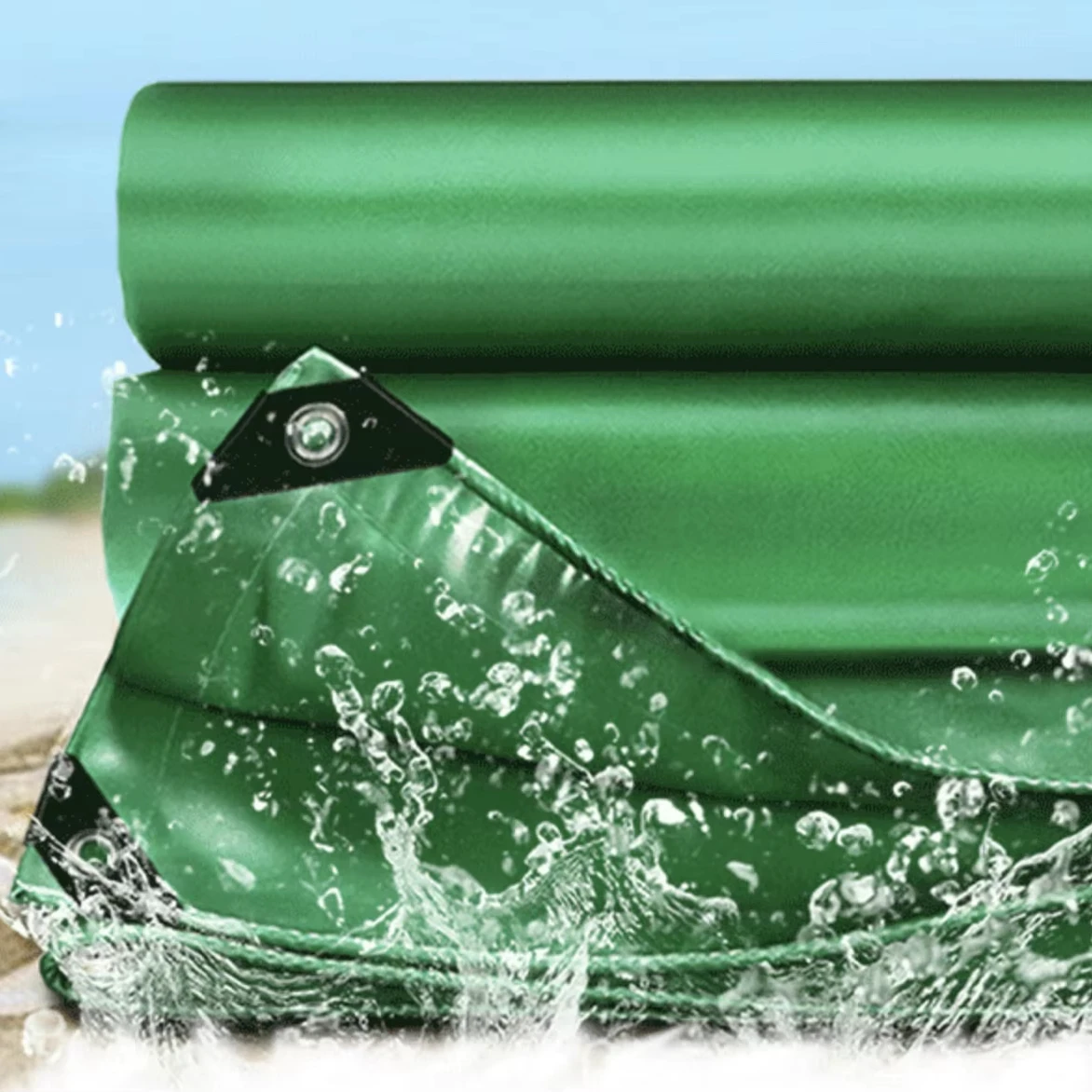
| Coating Material | PVC, Double-Sided |
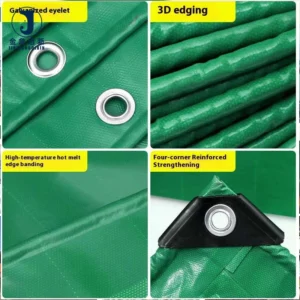
| Surface Finish | Smooth, Leather-like Texture |
| Water Resistance | Water Resistant / Waterproof |
| Flame Retardant | Claimed (grade not stated in source — confirm required grade) |
| UV Treatment | Claimed (test basis not stated in source — request report) |
| Key Features | Waterproof, Flame Retardant Options, Anti-UV Options |
Application Suitability
| Application | Exposure & Requirement |
|---|---|
| Tarpaulin Distribution | Roll-to-roll GSM and colour consistency for warehouse inventory replenishment |
| Truck Cover Fabrication | Flexing at load points, road spray, UV exposure requiring reliable weld lines |
| Awning and Tent Manufacturing | Smooth surface for cutting and joining, batch colour match across multiple panels |
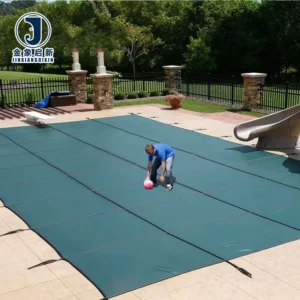
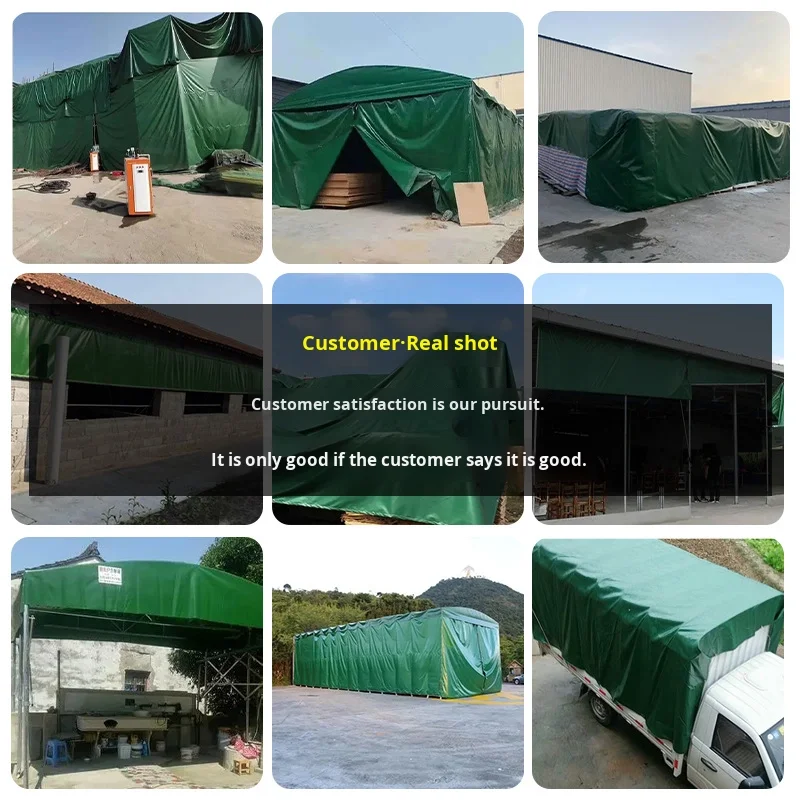
| Machine and Equipment Covers | Abrasion from repeated placement and removal, dust and moisture ingress prevention |
| Agricultural Stock Covers | Weather exposure over extended periods, resistance to organic acids and moisture |
Why Roll-to-Roll Consistency Matters More Than the Stated GSM
The specification on the quotation means nothing if the roll on the warehouse floor weighs less.
For wholesale buyers purchasing PVC Coated Tarpaulin Roll stock by the container, the gap between quoted GSM and actual delivered weight is one of the most frequent disputes. A roll that arrives underweight not only fails to meet the end user’s performance expectation but also disrupts downstream fabrication where cutting patterns and weld parameters are set for a specific material thickness [NEED_CITE: common causes of tarpaulin roll weight disputes in wholesale trade]. When two rolls from the same shipment show visible shade differences once unrolled side by side, the entire batch may be rejected by the fabricator, causing delays that ripple through production schedules. The cost of re-ordering and re-shipping far exceeds the margin saved by accepting inconsistent supply.
Bulk PVC Coated Tarpaulin Roll Stock for Container-Load Orders
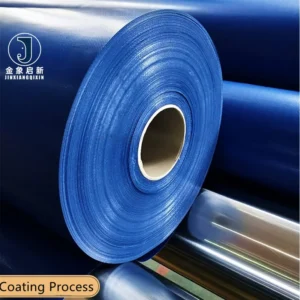
Purchasing PVC Coated Tarpaulin Roll wholesale requires a supply chain built around volume and repeatability. This 400g grade sits in the mid-weight range suited to general-purpose cover and fabrication applications, making it a high-turnover SKU for distributors. Rolls are produced on dedicated coating lines where process parameters are locked per batch, reducing the variation that occurs when production is split across multiple machines or shifted between runs.
Colour and Weight Control Across the Full Shipment
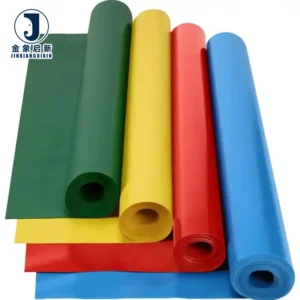
Maintaining colour consistency across dozens of rolls in a single container load depends on coating formulation control and cure temperature stability. Each production batch is tracked from base fabric lot through to final winding, so rolls destined for the same order are pulled from matched runs. Weight verification is conducted per roll rather than sampled from a batch average, providing a receiving check that matches the packing list [NEED_CITE: roll-by-roll inspection methods for coated fabric GSM verification].
Reading the Specifications Beyond the GSM Number
The 400g weight of this PVC coated tarpaulin is a function of both the 500D×500D polyester base fabric and the double-sided PVC coating applied to it. GSM alone does not determine tensile or tear performance — the denier of the base yarn and the weave density set the structural floor, while the coating weight adds body, abrasion resistance and waterproof integrity. A 0.3mm total thickness at this weight indicates a coating-to-fabric ratio that favours flexibility, which matters when the material is folded, rolled or heat-welded into finished covers. The 500D yarn count in both warp and weft directions provides balanced strength, reducing the risk of tear propagation along a single axis when the fabric is under tension at tie-down points.
The Hidden Cost of Specifying on Price Per Kilogram Alone
When roll stock is sourced primarily on unit price, the savings are often recovered in fabrication failures. Weld seams on underweight material tend to fail before the fabric body does, particularly at flex points where truck covers and side curtains are under repeated stress [NEED_CITE: coated fabric weld seam failure analysis per ISO 1421 test methods]. Colour variation between rolls forces fabricators to sort and match panels manually, adding labour cost and slowing throughput. Material that arrives below the quoted GSM may pass initial inspection but degrade faster under UV exposure, generating warranty claims that damage the distributor’s reputation with end users.
Why Sourcing Roll Stock Through This Production Setup
Three full production lines with 36 sets of professional equipment provide the capacity to hold delivery schedules on container-load PVC Tarpaulin Roll orders without splitting batches. The 10-person R&D team develops samples within days when a buyer needs to confirm colour, width or surface finish before committing to volume. Dedicated QA/QC at every production stage means rolls are inspected during coating, winding and packing — not just sampled at the end. Full documentation accompanies each shipment, including the specification sheet, packing list and certificates needed for customs clearance in destination markets.
Documentation & Verification
- Material specification sheet confirming 400g GSM, 500D base fabric and coating weight per roll
- Roll packing list showing individual roll count, net weight and container load plan
- Pre-shipment inspection record with verified GSM check for each roll in the order
- Certificate of origin and customs documentation for cross-border wholesale clearance
- UV and flame retardant test reports included where applicable grades are specified
Fabrication, Handling & Storage
- Hot air welding temperature should be set to match the 0.3mm PVC coating thickness for full seam adhesion
- Store rolls upright on pallets to prevent flat-spotting and permanent creasing of the PVC surface
- Unroll and allow the material to relax before cutting to account for tension from winding
- Cut patterns to maximise yield from standard roll widths and minimise offcuts at seams
- Clean the smooth leather-like surface with mild detergent only — solvents degrade the PVC coating
Planning Your Roll Stock Order
To specify the right roll stock for your market, share your end-use application, the environmental exposure the finished product will face, and any flame retardant or UV treatment grades your local regulations require. Confirm the roll widths and lengths that match your cutting tables and welding equipment, and indicate whether you need mixed grades or colours within a single container. Requesting a sample roll before committing to volume lets you verify colour, surface finish and weld behaviour against your production parameters.
Frequently Asked Questions
Q: How is roll-to-roll GSM consistency verified before shipment?
A: Every roll is weighed individually during the pre-shipment inspection, not sampled from a batch average. The recorded weight for each roll is listed on the packing list, allowing you to verify against the 400g specification at your receiving dock. This roll-by-roll approach catches variation that batch sampling misses.
Q: What widths and roll lengths are available for bulk orders?
A: Standard stock widths are produced to suit common cutting tables used by tarpaulin fabricators. Custom widths are available for bulk orders, with practical minimums that align with full-container loading. Contact the production team with your required width and roll length to confirm availability and lead time for your specific order.
Q: How do you control colour variation between rolls in the same order?
A: Rolls allocated to a single order are drawn from matched production batches where coating formulation and cure conditions are held constant. This controlled allocation reduces shade variation that occurs when rolls from different runs are mixed, ensuring panels cut from different rolls match once installed side by side.
Q: Can I mix different stock grades or colours in one container?
A: Mixed loading is supported for buyers who need to replenish several SKUs in a single shipment. The packing plan groups rolls by grade and colour within the container, and the packing list clearly identifies each roll’s specification for easy sorting at your warehouse on arrival.
Q: What documentation comes with a wholesale roll shipment?
A: Each container shipment includes a material specification sheet, roll-by-roll packing list with weights, pre-shipment inspection record, certificate of origin and ISO or CE certificates. Where flame retardant or UV-treated grades are ordered, the relevant test reports are included for your market compliance requirements.