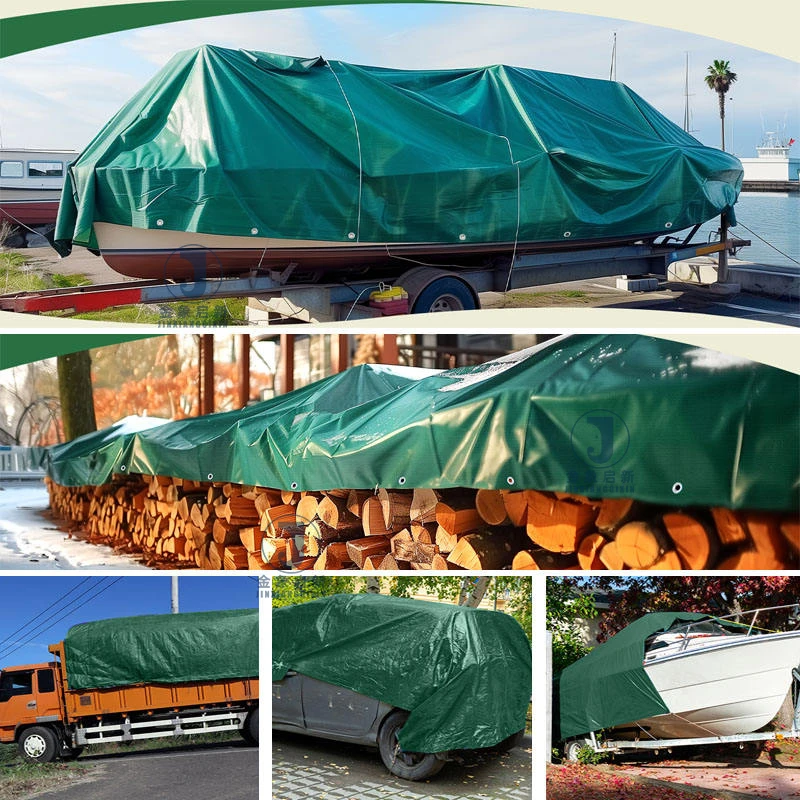
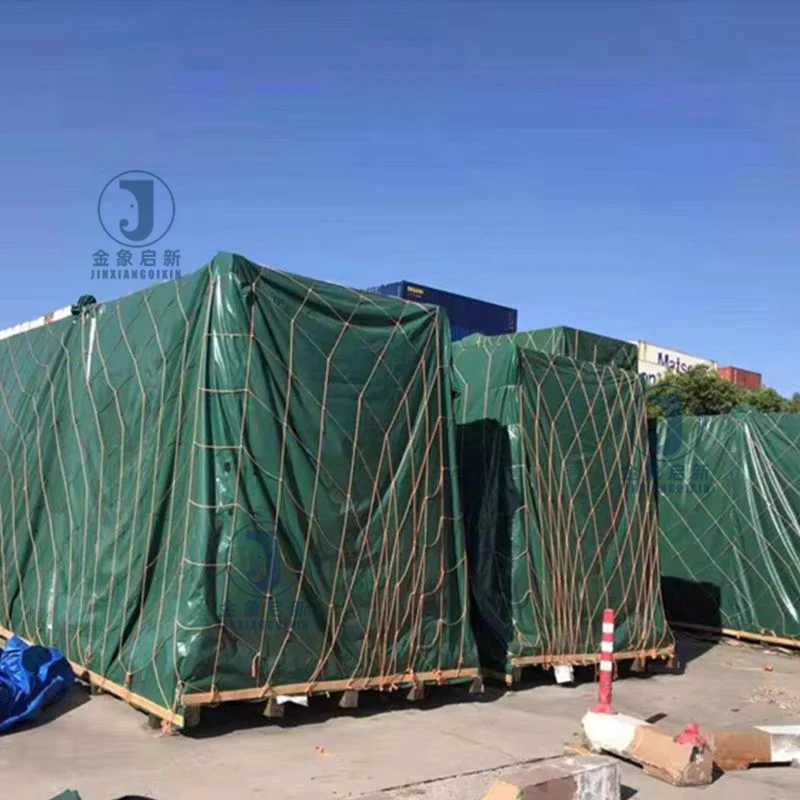
Description
Batch-Matched Roll Consistency — Every roll of PVC coated tarpaulin is produced under in-process QA and checked against the stated GSM, colour reference and width before loading, so distributors and importers receive container loads without visible variation or underweight material.
Technical Specifications
| Parameter | Value |
|---|---|
| Product Type | PVC Coated Tarpaulin |
| Base Fabric | 500D×500D Polyester |
| Coating Material | PVC, double-sided |
| Weight Range | 450–900 g/m² |
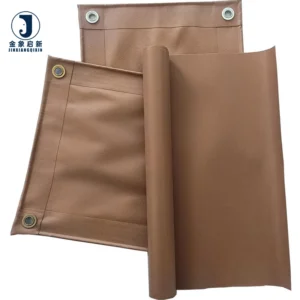
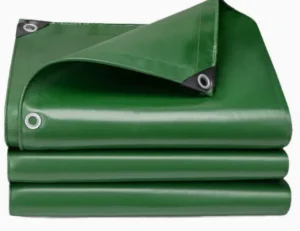
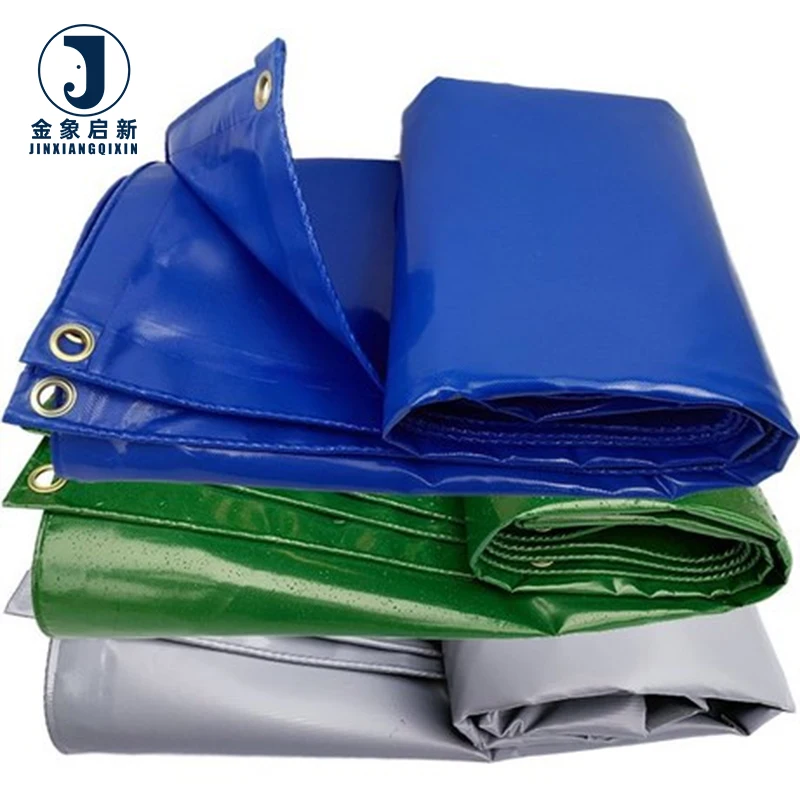
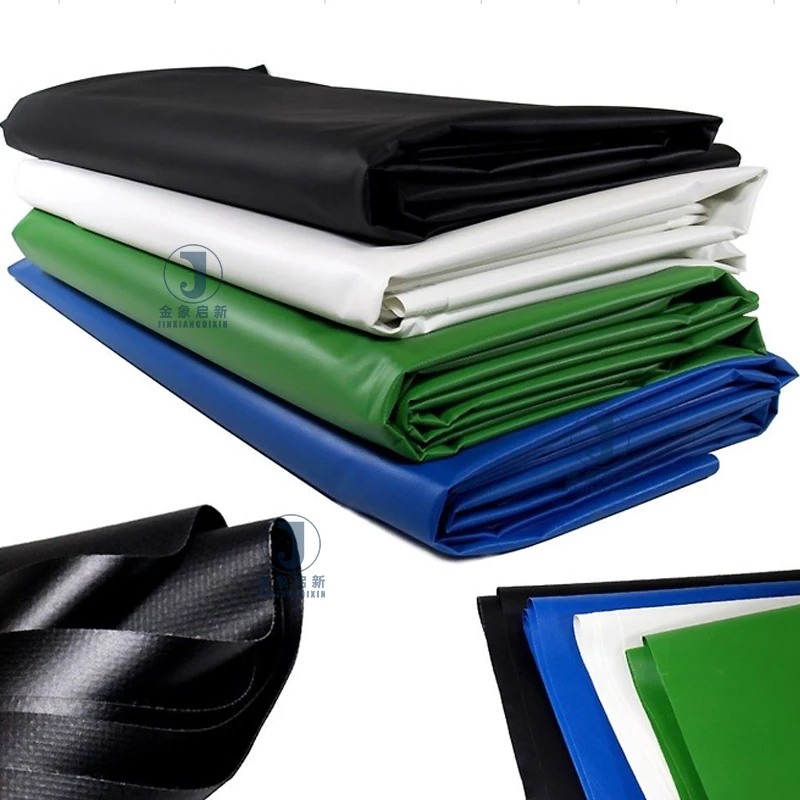
| Surface Finish | Smooth, leather-like texture |
| Flame Retardant | Available in flame retardant grades — confirm the grade required for your market |
| UV Treatment | Anti-UV treatment available — test basis to be confirmed per order |
| Water Resistance | Fully waterproof coated construction |
| Repairability | Hot air weldable |
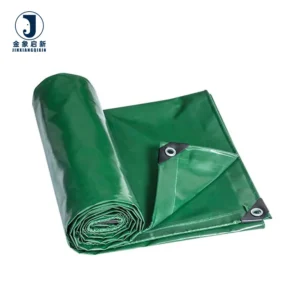
| Packing Options | Roll packing, bale packing, carton |
| Standards | ISO, CE |
Application Suitability
| Application | Exposure & Requirement |
|---|---|
| Tarpaulin distribution and regional resale | Consistent GSM and colour across multiple rolls in one shipment, ready for local cutting and fabrication |
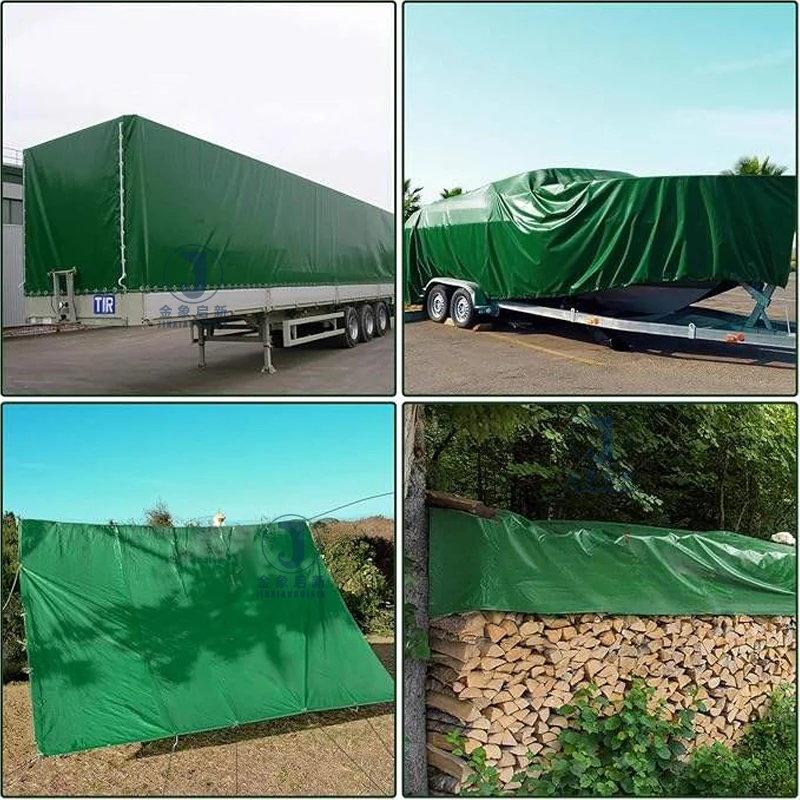
| Truck and trailer cover fabrication | Tensile stability under flexing, road abrasion, weather and UV exposure on moving loads |
| Tent and awning manufacturing | Roll-to-roll colour match, smooth surface for clean weld lines and structural panel assembly |
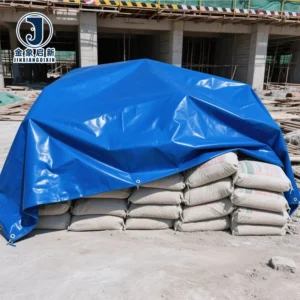
| Outdoor machinery and timber covers | Waterproof protection against rain, dust and prolonged sun exposure on static yard storage |
| Inflatable and membrane structure fabric | Weldable PVC coating with reliable seam adhesion under air pressure and structural tension |
Why Roll-to-Roll Colour Drift Destroys a Container Load
Colour shifting between rolls in the same container is one of the most visible failures a distributor or fabricator can face. Once two panels cut from different rolls are hung side by side on a truck curtain or welded into an awning frame, even a slight hue difference becomes a rejection event — and the entire batch is called into question.
We control colour consistency at the compounding and coating stage, not at the packing bench.
When a PVC coated tarpaulin roll is produced, the pigment dispersion must be locked into the coating compound before it reaches the knife or calender. If the mixing window shifts between batches — or if the base fabric absorbency varies — the finished surface can land in a different colour space without any visible warning on the roll face. Buyers who have received mixed-shade containers know the cost: re-cutting, re-welding, customer complaints and in the worst case a full return [NEED_CITE: colour matching standards for coated textile batches]. The answer is not a final visual check. It is process control over pigment loading, coating weight and cure temperature across every roll in the order.
Stocking Width and Weight for Regional Distribution
Distributors need to hold several GSM grades and widths in local inventory so their own customers — fabricators, fleet operators, tent builders — can draw stock without waiting for a container from overseas. The PVC coated tarpaulin roll range here covers 450 to 900 g/m², which spans the light covers used for short-term yard storage through to the heavier grades specified for long-haul side curtains and semi-permanent awning structures. Ordering by the container means the full width range can be loaded in one shipment, reducing per-roll freight cost and giving the importer a complete catalogue on the warehouse floor.
Batch Matching Across a Full Container Order
The real test of a wholesale coated fabric supply chain is whether the first roll and the last roll in a 20-foot container look and weigh the same. Our production lines run coating compound from a single mix batch wherever the order volume allows, and every roll is weighed and measured before it leaves the factory floor. This is not a cosmetic exercise: a roll that is lighter than the quoted GSM will behave differently on the fabrication table — it will drape, weld and tension at a different rate, and the finished cover will not match the specification the end user signed off on [NEED_CITE: tensile and tear test methods for coated fabrics per ISO 1421].
Reading the Weight, Denier and Surface Together
GSM alone is an incomplete number. A 500D×500D polyester base fabric provides the structural grid that determines tensile and tear behaviour, while the PVC coating weight on each side fills and protects that grid. Two rolls can carry the same GSM but distribute mass differently — one may have a heavier coating and a lighter base, the other the reverse — and their performance under load will diverge. The smooth leather-like surface finish on this PVC coated tarpaulin is a function of the calender pressure and top-coat formulation, which also affects how well dirt releases in service and how cleanly a hot-air weld bead lays down. Anti-UV and flame retardant treatments are available as additive packages; the specific grade and test basis should be confirmed against the target market’s regulatory requirements before production is scheduled. Flame retardant classifications vary by region — a grade accepted for construction site covers in one market may not satisfy a neighbouring jurisdiction’s building code [NEED_CITE: fire classification standards for PVC coated textiles in building and transport applications].
When the Wrong Roll Spec Reaches the Cutting Table
A distributor who stocks an incorrect GSM for a given application will hear about it quickly. Fabricators cutting truck side curtains need enough weight to resist flex fatigue at the tie-down points; if the roll is too light, the curtain develops pinholes along the weld lines within the first season. Equally, ordering a width that does not match the fabricator’s panel layout forces extra weld seams into the finished cover, and every seam is a potential failure point under road vibration and wind load. Colour mismatch across rolls in the same production run is the fastest route to a rejected shipment — the end user sees it the moment the panels go up [NEED_CITE: seam failure rates in fabricated PVC covers]. The cost is not the fabric. It is the labour, the freight and the relationship.
Why Importers and Distributors Source Rolls Here
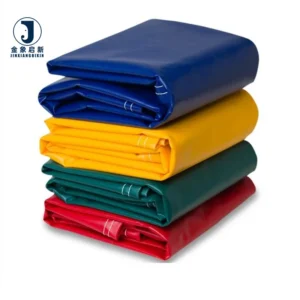
Three full production lines and dedicated coating equipment give this factory the throughput to fill container orders without splitting a batch across multiple production windows, which is where colour drift typically enters. A ten-person R&D team handles custom width and colour development in-house, producing sample rolls for approval before the main run starts. Every roll passes through a staged QA process with documented weight and dimension checks, and a pre-shipment inspection record travels with the packing list. Nearly thirty years of coating process control means the relationship between base fabric denier, coating weight and surface finish is managed at the machine, not left to chance. Container loading plans are built around roll count, weight distribution and the importer’s warehouse racking format.
Documentation & Verification
- Material specification sheet confirming GSM, base fabric denier and coating type for every roll batch
- Pre-shipment inspection record with weight and dimension checks per roll
- Roll packing list detailing count, gross weight and container loading sequence
- Test reports for UV resistance and flame retardancy supplied where applicable to order
- Certificate of origin and customs documentation prepared for cross-border shipment
Fabrication, Handling & Storage
- Hot air weld settings should be adjusted to the specific GSM of each roll batch before production runs begin
- Store rolls upright on pallets to prevent flat-spotting on the PVC coating surface over long warehouse periods
- Unroll and acclimatise cold-stored PVC coated tarpaulin before cutting to avoid cracking at low temperatures
- Clean the smooth leather-like surface with mild detergent only; solvents may degrade the PVC top coat
- Plan panel layouts around the ordered width to minimise weld seams across high-stress areas of the finished cover
- Repair field damage by hot air welding with matching PVC scrap from the same roll batch
What to Include in Your Roll Stock Enquiry
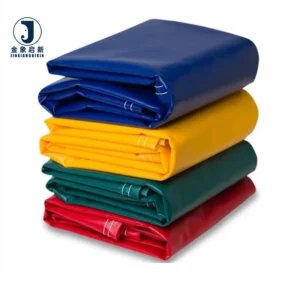
Tell us the GSM grades and widths your market demands, along with your typical annual volume and container frequency. If your end users require flame retardant or anti-UV treatment, specify the standard or grade your local regulations call for so we can match the additive package and provide the supporting test report. Confirm whether you need standard colour stock, custom Pantone matching, or printed branding on the roll face.
Frequently Asked Questions
Q: How is GSM verified before the rolls ship?
A: Each roll is weighed on calibrated scales and measured for width and length during the pre-shipment inspection. The results are recorded against the material specification sheet and included in the inspection report, so you can cross-check the stated GSM when the container arrives at your warehouse.
Q: Can I get consistent colour across a multi-roll container order?
A: Yes. We run coating compound from a single mix batch wherever the order volume allows and control pigment dispersion at the compounding stage. Rolls from the same production window are matched for hue and surface finish before packing, eliminating visible variation when panels are installed side by side.
Q: What minimum quantities apply to custom widths or colours?
A: Custom widths and Pantone-matched colours are available with minimums set per container loading efficiency rather than arbitrary yardage. We confirm the exact roll count and lead time at quotation stage based on your specification and target ship date.
Q: Do flame retardant grades come with a test certificate?
A: Flame retardant treatments are available and the specific grade is confirmed at order stage based on your target market’s fire code. Where a test standard is specified, we supply the supporting report with the shipment documentation package.
Q: How are rolls packed for container shipping?
A: Rolls are packed vertically on pallets in roll, bale or carton format depending on your warehouse requirements. A loading plan is prepared showing roll count, weight distribution and container position, and travels with the packing list for easy identification on arrival.