
Description
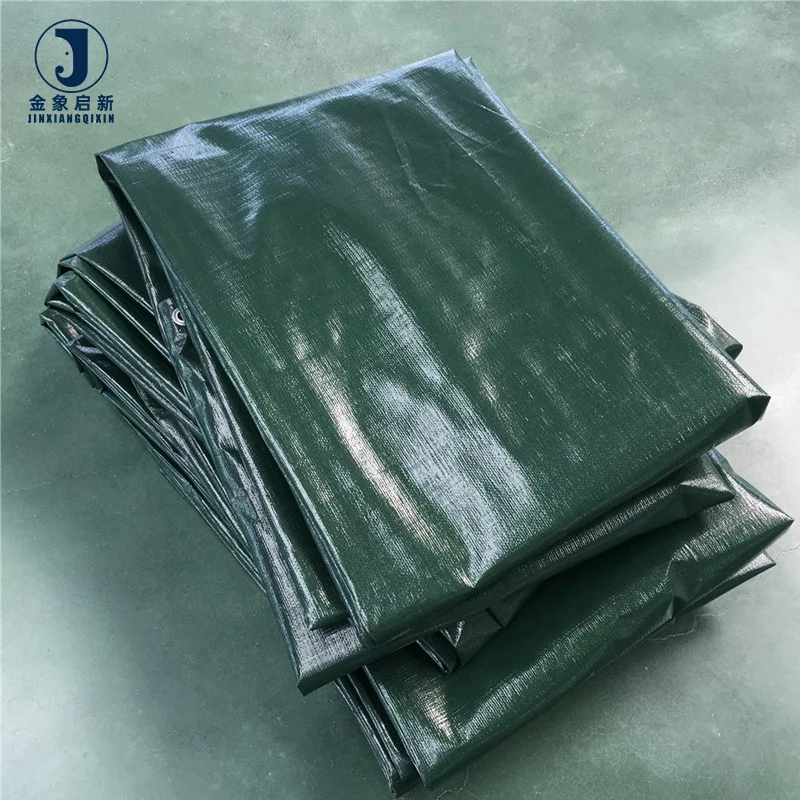
Batch Consistency at Scale — Hot-melt coating lines calibrated per roll to maintain GSM and colour uniformity across full container loads of PVC coated tarpaulin fabric.
Technical Specifications
| Parameter | Value |
|---|---|
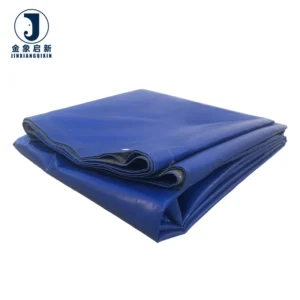
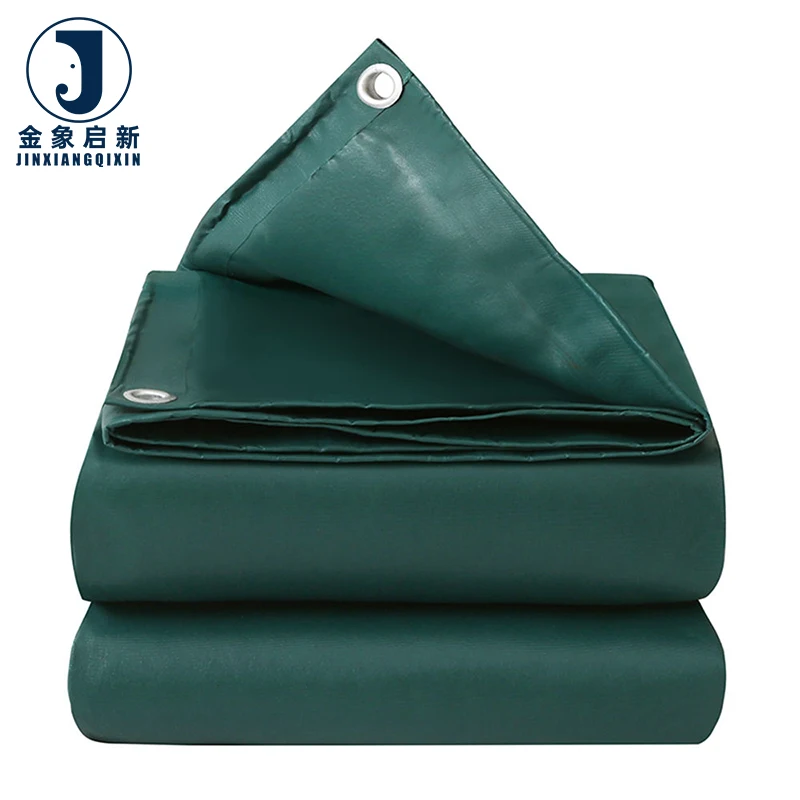
| Product Type | PVC Coated Tarpaulin Fabric |
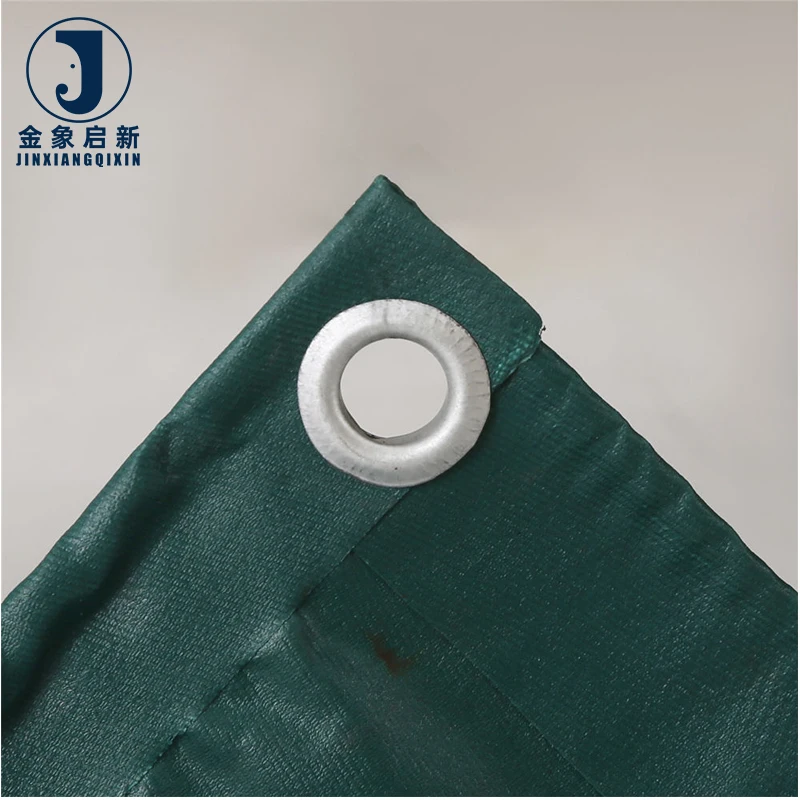
| Material | PVC + High-strength polyester mesh fabric |
| Coating Technology | Laminated technology & Hot-melt coating technology |
| Weight (GSM) | 350gsm / 420gsm / 500gsm / 550gsm / 600gsm / 750gsm |
| Thickness | 0.32mm / 0.35mm / 0.4mm / 0.45mm / 0.5mm / 0.65mm |
| Roll Size | 2m width × 75m length / 2.1m width × 50m length |
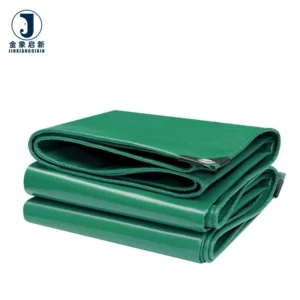
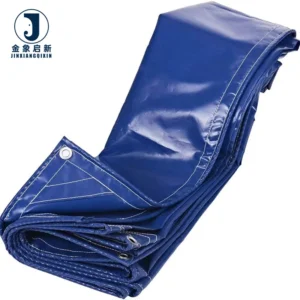
| Color | Blue / Red / Yellow / Light blue / Grey (Customized) |
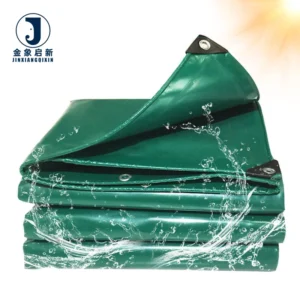
| Key Features | Cold crack resistance, anti-mildew, waterproof, sunproof, outstanding tearing strength for welding |
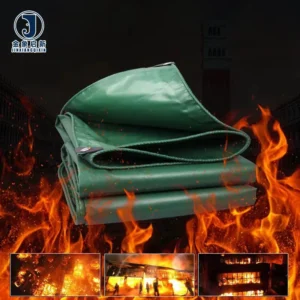
| Special Treatments Available | Flame retardant, anti-static, anti-cold, anti-mildew, 3P |
| Service Life | 3–7 years under normal circumstances |
| Standards | ISO, CE |
Application Suitability
| Application | Exposure & Requirement |
|---|---|
| Tarpaulin distributor stock | Consistent GSM and colour across rolls for regional redistribution |
| Tent and awning fabrication | Clean welding at seams, colour match across multiple panels |
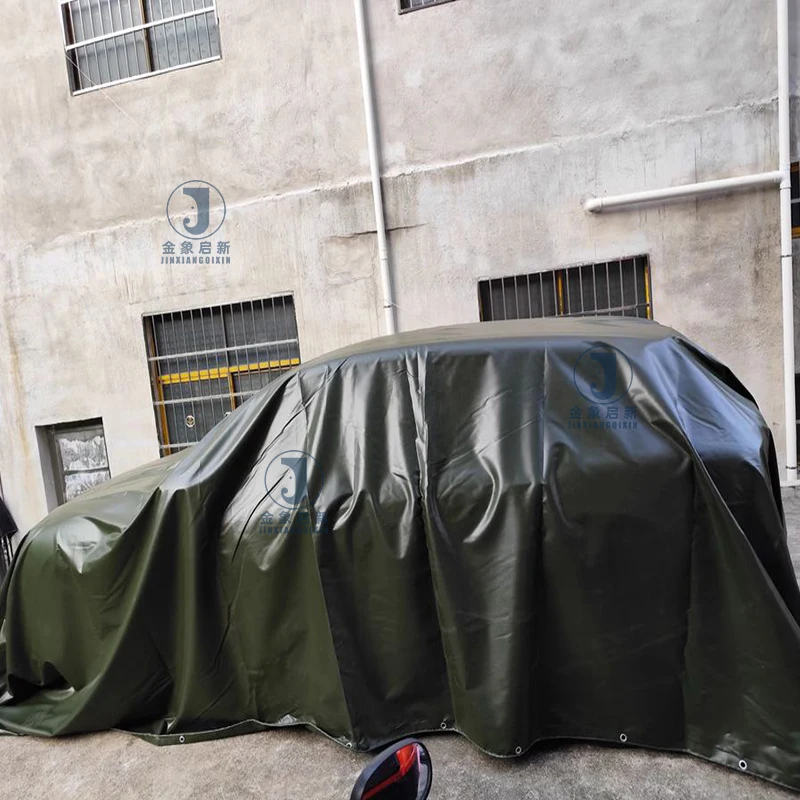
| Truck side curtain and awning | Constant flexing, road vibration, weather exposure, abrasion at contact points |
| Construction site enclosure | Wind load on scaffolding wraps, UV exposure, mechanical damage risk |
| Equipment and industrial covers | Outdoor storage, moisture ingress, dust and debris protection |
| Agricultural and aquaculture lining | Prolonged water contact, biological growth resistance |
Why Roll-to-Roll Colour Drift Costs More Than the Fabric Itself
Colour varying between rolls in the same PVC coated tarpaulin fabric shipment forces fabricators into unplanned sorting, panel rejection, or visible colour steps once the final product is installed side by side.
When a tent manufacturer or truck curtain fabricator cuts panels from three different rolls and the shade shifts by even a single Delta-E unit, the entire assembled unit can fail a client visual inspection. The material cost of one rejected tent panel is minor compared to the labour spent cutting, welding, and assembling it — only to tear it down and start over. [NEED_CITE: colour tolerance standards in coated fabric procurement] Batch-to-batch colour control at the coating stage, not at the sorting stage, is where this problem is solved.
How Hot-Melt Coating Secures the Weld Line
The adhesion between the PVC layer and the polyester mesh base is what determines whether a heat-welded seam holds or peels under load. Hot-melt coating technology forces the PVC compound into the weave at elevated temperature, creating a mechanical bond that survives repeated flexing. For PVC coated tarpaulin fabric used in truck awnings or inflatable structures, where welded seams carry structural load, this bond integrity is non-negotiable.
Coating Weight and Base Fabric Density as a System
GSM alone tells you how much material sits in a square metre, but it does not reveal how that weight is distributed between coating and base fabric. A heavy-grade roll with a sparse base weave and thick coating may meet the GSM target on the scale yet tear easily along the warp. Conversely, a tighter mesh with a leaner coating delivers superior tear resistance at the same weight class. When evaluating PVC coated tarpaulin fabric for load-bearing or tension applications, request the base fabric denier and pick count alongside the GSM figure. [NEED_CITE: relationship between base fabric density and tear strength per ISO 1421]
Reading the Specs That Matter for Roll Buyers
The GSM range from 350gsm to 750gsm spans light-duty covers through to heavy structural membranes, and each grade pairs with a corresponding thickness from 0.32mm to 0.65mm. Lighter grades serve temporary site wraps and agricultural covers where weight and cost per square metre drive the decision. Heavier grades suit truck side curtains and permanent tent structures where tear propagation resistance and long-term weathering are the priority. The laminated and hot-melt coating options further differentiate the product: laminated construction suits applications with moderate flex cycles, while hot-melt coating delivers the peel strength required for welded seams in tensioned structures. Roll widths of 2m and 2.1m in 50m and 75m lengths are configured for standard container loading, minimising dead space and reducing freight cost per usable square metre. Anti-mildew treatment and cold crack resistance extend the usable temperature range for outdoor storage without surface degradation. [NEED_CITE: cold crack test methodology for PVC coated textiles]
The Hidden Cost of Under-Specifying for the Application
Choosing a lighter GSM to save on material cost creates downstream losses that outweigh the initial saving. A distributor who stocks only 350gsm for general-purpose resale may find fabricators returning with complaints when the material tears at eyelet points or fails at welded seams under wind load. A construction contractor specifying without flame-retardant certification for a site that requires it faces work stoppage and material replacement at their own cost. [NEED_CITE: building code flame retardant requirements for temporary enclosures] Batch inconsistency — where some rolls test lighter than the quoted GSM — erodes trust and forces buyers to add incoming inspection costs that should never have existed.
Why Procurement Teams Source Rolls Here
Three full production lines and 36 sets of professional equipment provide the capacity to fill container orders within typical production schedules without splitting batches across different coating lines. The 10-person R&D team handles colour matching and custom width development, producing samples within days so buyers can verify shade and hand-feel before committing to full-roll production. Dedicated QA/QC at every production stage — including coating weight checks and colour comparison against reference standards — means that every roll leaving the facility has a documented inspection record. Roll packing lists detail individual roll weight and total container load calculation, giving logistics teams the data needed for freight booking before the shipment leaves the dock.
Documentation & Verification
- Material specification sheet stating GSM, base fabric, and coating type for each roll grade
- Pre-shipment inspection record verifying actual coating weight against the purchase order
- Roll packing list with individual roll weight and container load calculation for freight planning
- Test report for flame retardant and anti-static grades where applicable to the specified treatment
- Certificate of origin and customs documentation supporting import clearance at destination
Fabrication, Handling & Storage
- Hot-weld at temperatures matched to the coating technology — laminated grades require lower heat input than hot-melt coated rolls
- Store rolls upright on pallets to prevent flat-spot deformation on the PVC surface over extended warehouse periods
- Allow cold-stored rolls to acclimatise before unrolling to avoid cracking the coating at low temperature
- Cut panels with consideration for the 2m or 2.1m width to minimise offcuts and welded seam count
- Clean with mild detergent only; avoid solvent-based cleaners that can soften the PVC coating layer
- Anti-mildew treatment reduces biological growth during outdoor storage but does not eliminate the need for dry, ventilated conditions
Planning Your Roll Order
Specify the application and end-use environment so the correct GSM grade and treatment package can be recommended. Provide target roll width, annual volume, and colour reference — whether a standard shade from the available range or a custom match to your brand specification. Confirm whether your market requires flame-retardant or anti-static certification so that test documentation can be prepared alongside production.
Frequently Asked Questions
Q: What GSM and width options are available from stock?
A: The standard range covers 350gsm through 750gsm in 2m and 2.1m widths. Stock availability varies by grade and season. For consistent supply across multiple container orders, confirm your annual volume and preferred GSM early so production slots can be reserved.
Q: Can I get consistent colour across multiple rolls in one order?
A: Yes. Each production run is matched against a colour reference, and rolls from the same batch are grouped together for dispatch. Pre-shipment colour samples are available for approval before the full order ships, reducing the risk of shade variation across your cutting table.
Q: Are flame-retardant or anti-static test reports included with shipment?
A: Where these treatments are specified in your order, the corresponding test reports are included in the shipping documentation. Confirm the grade and standard required for your destination market at inquiry stage so the correct treatment and certification package is applied.
Q: What is the lead time for custom width or colour orders?
A: Custom widths and colours require dedicated production runs separate from standard stock schedules. Sample development typically takes days once specifications are confirmed. Full production lead time depends on order volume and current line capacity — request a quotation with your specific requirements for an accurate schedule.
Q: How is roll packing handled for container loading?
A: Rolls are packed with protective wrapping to prevent surface damage during transit. A detailed packing list is provided showing individual roll dimensions, weight, and total container load calculation. This documentation supports efficient freight booking and customs clearance at your port of entry.