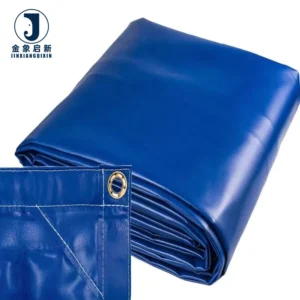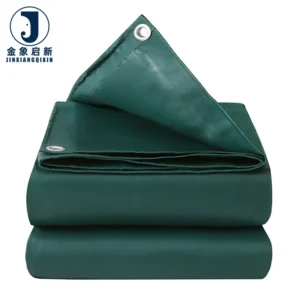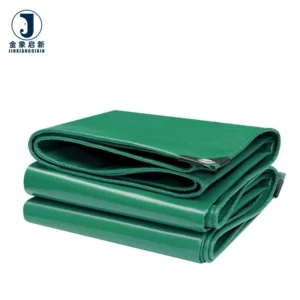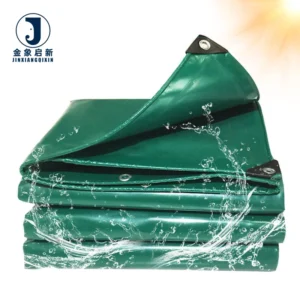

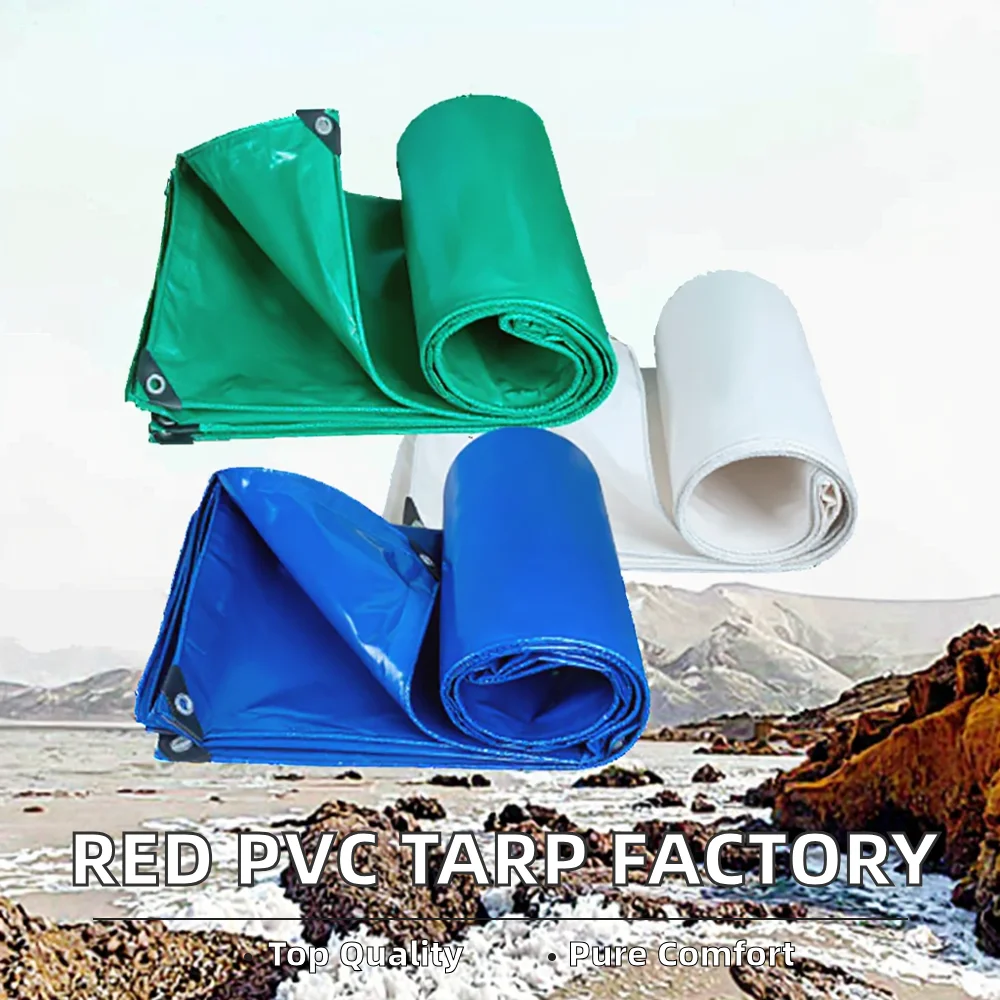
Description
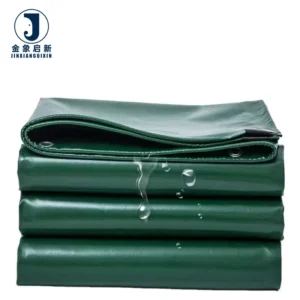
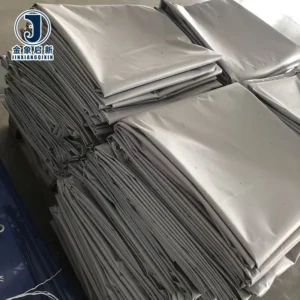
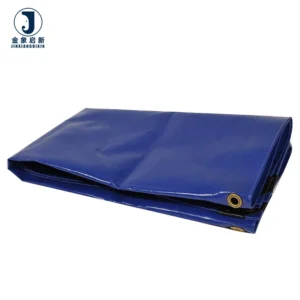
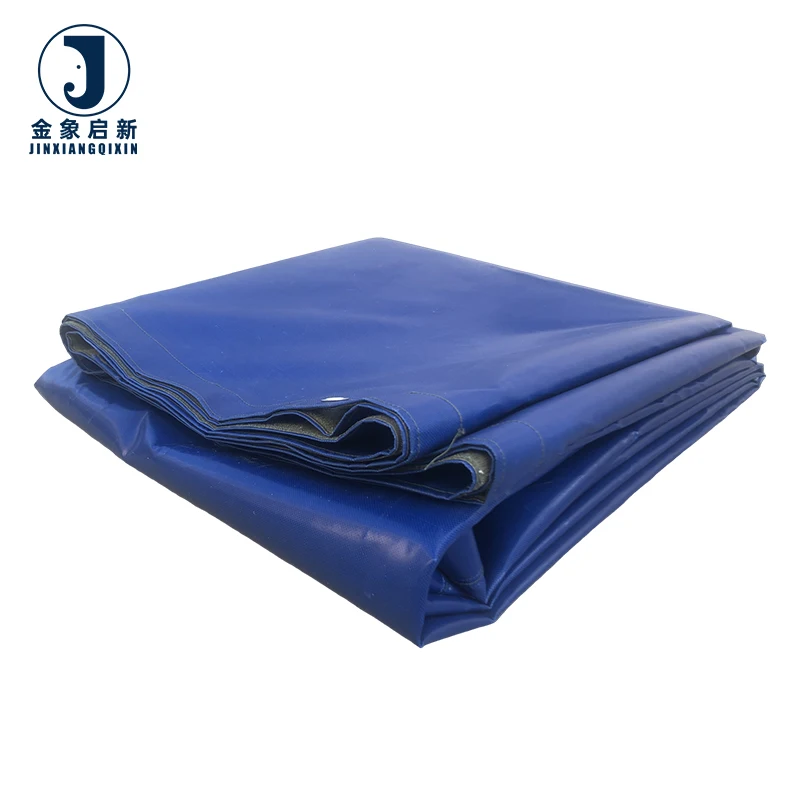
Roll-to-roll consistency — Three dedicated production lines with 100% pre-shipment inspection keep GSM and colour stable across every PVC Coated Tarpaulin Roll in a wholesale container load.
Technical Specifications
| Parameter | Value |
|---|---|
| Product Type | PVC Coated Tarpaulin Roll |
| Base Fabric | 100% high toughness polyester yarn |
| Base Fabric Denier | 500D to 2000D depending on grade |
| Coating Material | PVC |
| Coating Technology | Lamination technology and hot melt coating technology |
| Weight (GSM) | 400–1500 g/m² across product family |
| Total Thickness | 0.35 mm to 1.5 mm depending on grade |
| Tensile Strength (Warp) | 1500 to 3000 N/5cm depending on grade |
| Tensile Strength (Weft) | 1200 to 2800 N/5cm depending on grade |
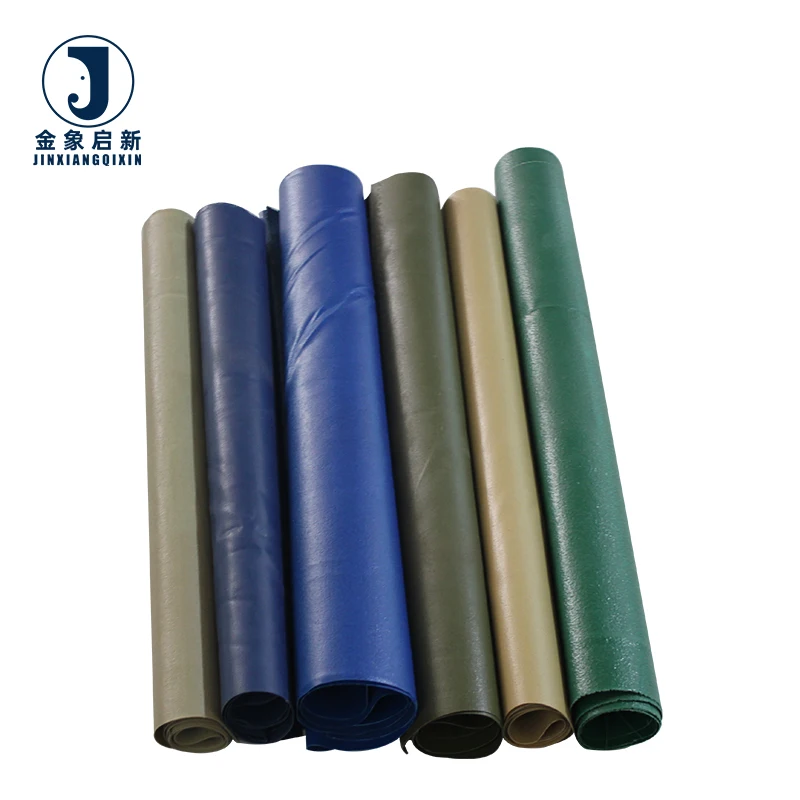
| Color Options | Blue, Blue/Orange, Green, Grey, Black, Clear, Grey/Green, Orange, or custom |
| Surface Treatment | Anti-UV, flame retardant, anti-static, cold resistant, mold proof (confirm the grade required for your market) |
| Waterproof | Fully waterproof coated construction |
| Welding Tear Strength | Described as excellent — confirm test standard for your application |
| Standards | ISO, CE certified production |
Application Suitability
| Application | Exposure & Requirement |
|---|---|
| Tarpaulin distributor inventory | Multi-grade roll stock covering light to super heavy duty for resale to local fabricators and contractors |
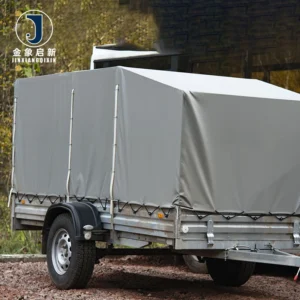
| Truck side curtain and trailer cover | Constant flexing at load points, road debris abrasion, sustained UV exposure during transit |
| Tent, awning and inflatable structure | Roll consistency for cutting multiple panels from the same batch without colour shift |
| Construction site enclosure and equipment wrap | Puncture from scaffolding and steel edges, rain and wind loading over extended deployment |
| Farm and transport cover | Contact with organic acids, fertiliser dust, repeated folding and refolding in cold conditions |
What Happens When Roll Consistency Breaks Down in a Wholesale Container
Batch variation turns a full container order into a sorting problem your warehouse was not prepared for.
When you buy PVC Coated Tarpaulin Roll wholesale by the container, a shade difference between two rolls is invisible until they are unrolled side by side at the fabrication bench. GSM drift is equally hidden — the scale at your receiving dock tells you the roll is lighter than quoted, but by then the shipment has cleared customs and the supplier is a time zone away. These are not specification failures on paper; they are process control failures at the coating head [NEED_CITE: quality control standards for coated fabric batch consistency]. Wholesale buyers absorb this cost in re-sorting labour, customer complaints, and write-offs on rolls that cannot be paired on the same job.
Stocking Multiple Grades Without Sacrificing Uniformity
Distributors typically carry a tiered catalogue — a medium grade for general covers, a heavy-duty grade for truck and transport applications, and a super heavy grade for industrial and structural use. Sourcing these as PVC Coated Tarpaulin Roll wholesale from a single coating line means the base yarn sourcing, coating chemistry, and colour master batch remain constant across tiers. This matters because your fabrication team sets heat welder temperature and dwell time based on how a specific coating formulation responds, and switching suppliers between grades forces recalibration on every order.
Container Loading by Roll Count and Gross Weight
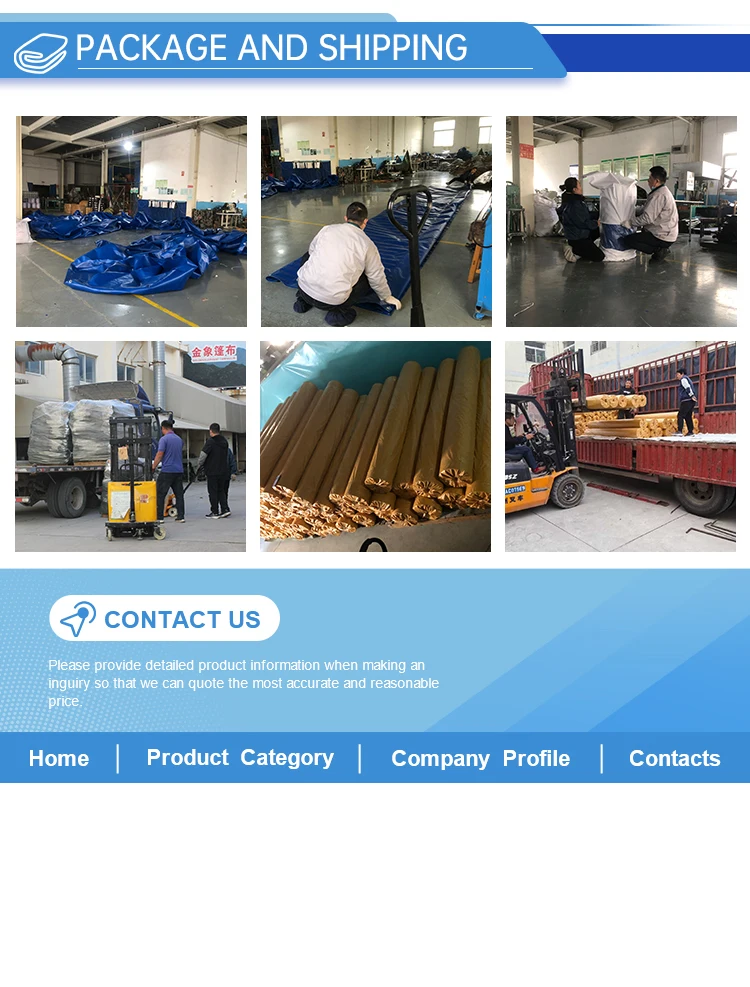
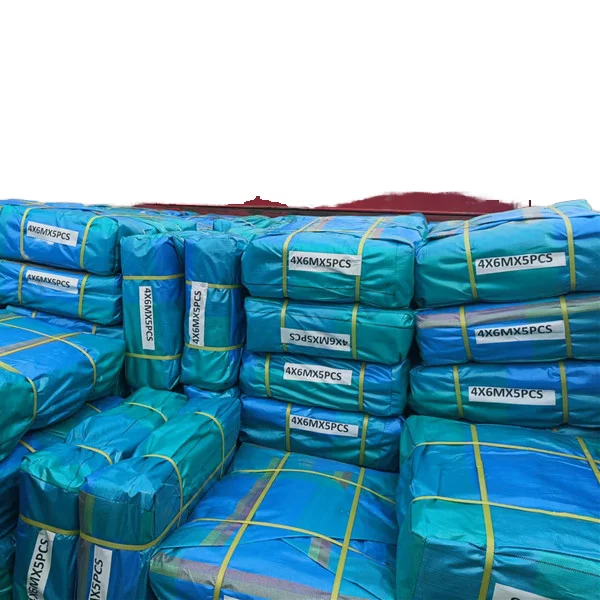
A wholesale order lives or dies on how efficiently rolls fill a container. Mixed-grade loading — say, heavier 1000 g/m² rolls on the floor with lighter 400 g/m² rolls stacked above — protects the lighter stock from compression damage during ocean transit. Roll diameter and core size must match your warehouse racking and unwinding equipment. Confirming these details at the quotation stage, rather than at the loading bay, prevents costly repacking at the port of origin.
How Coating Technology Defines the Performance Window
Lamination and hot melt coating produce fundamentally different adhesion profiles. Hot melt coating drives the PVC paste directly into the polyester yarn interstices, creating a mechanical bond that resists delamination when the fabric flexes repeatedly at weld lines and fold creases. Lamination bonds a pre-formed PVC film to the base fabric, yielding a smoother surface suited to applications where print clarity or visual finish takes priority. For wholesale buyers supplying fabricators who hot-air weld seams, the coating method dictates weld temperature, peel strength at the joint, and ultimately whether the seam fails before the fabric itself does [NEED_CITE: hot melt versus lamination coating adhesion mechanisms per ISO 2411].
The Real Cost of Specifying on Price Per Kilogram Alone
A roll that arrives lighter than the GSM stated on the invoice saves the supplier material at your expense. Thinner coating reduces tear propagation resistance, meaning a single puncture from a sharp load edge will zip open under wind load rather than stopping at the next yarn intersection. In cold conditions, an under-coated roll stiffens and cracks at fold lines during winter transport. These failures surface months after delivery, well outside the window for a straightforward commercial claim, and they erode your reputation with the fabricators and end users who trusted your roll stock [NEED_CITE: relationship between coating weight and low-temperature cracking in PVC coated fabrics].
Why Wholesale Buyers Consolidate Here
Three full production lines allow mixed-grade container loading without splitting your order across factories with different coating formulations. A 10-person R&D team develops colour matches and custom widths with samples turned around within days, not weeks. Dedicated QA/QC runs at every production stage, and 100% pre-shipment inspection verifies roll weight, colour, and dimensions before the container is sealed. Material specification sheets accompany each grade so your technical team has the data to set fabrication parameters. ISO and CE certified production provides the documentation trail your import compliance requires.
Documentation & Verification
- Material specification sheet stating GSM, base fabric denier, and coating method for each roll grade in the shipment
- Pre-shipment inspection record confirming weight and colour consistency across every roll in the batch
- Roll packing list detailing roll count, individual roll weight, and total container gross weight
- Certificate of origin and customs documentation prepared for the destination country
- Test reports for UV and flame retardant grades where applicable to the specific order
Fabrication, Handling & Storage
- Hot-air welder temperature must match the coating technology — confirm settings for lamination versus hot melt before production runs
- Store rolls upright on their cores to prevent flat spots that cause tracking issues on unwinding equipment
- Allow cold-stored rolls to acclimatise to workshop temperature before unrolling to avoid coating micro-cracking
- Cut panels from the same roll when colour match is critical, especially across lighter colourways like grey and blue
- Use mild detergent for cleaning; solvent-based cleaners can soften the PVC coating and reduce surface adhesion over time
What We Need to Quote Your Roll Stock Order
To provide an accurate specification and lead time, share the GSM grades and colourways you need to stock, your target roll width and standard roll length, and the annual volume you expect to move through your warehouse. If your fabricators require flame retardant or anti-static treatment for specific end markets, confirm the grade or standard those markets demand so we can match the formulation and testing accordingly.
Frequently Asked Questions
Q: How do you ensure GSM matches the quotation across every roll in a bulk order?
A: We run dedicated QA/QC at every production stage and perform 100% pre-shipment inspection, weighing rolls against the stated GSM before dispatch. A pre-shipment inspection record documents the actual weight of each roll, so you have verification before the container is sealed rather than discovering a shortfall at your receiving dock.
Q: Can I mix different GSM grades, widths, or colours in one container?
A: Yes. With three full production lines, we support mixed-grade loading within a single container. Heavier rolls are positioned to protect lighter stock during ocean transit. Provide your grade breakdown, widths, and colourway quantities at the inquiry stage so we can plan the production sequence and loading plan together.
Q: What test reports accompany flame retardant or anti-static roll orders?
A: Where flame retardant or anti-static treatment is specified, we supply test reports relevant to the grade produced. Confirm the standard your end market requires — such as a specific national fire classification — so we align the formulation and testing to match. Reports ship with the documentation package alongside the material specification sheet.
Q: What is the minimum order and lead time for a custom colour or width?
A: Custom colours and widths carry minimums that vary by grade and coating run length. Our R&D team develops samples within days for your approval before full production. Share your required colour reference, roll width, and estimated annual volume so we can confirm the minimum and provide a production timeline matched to your inventory schedule.