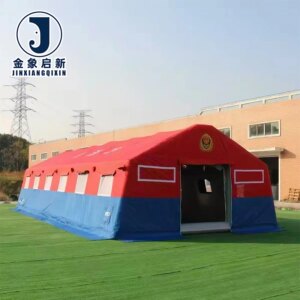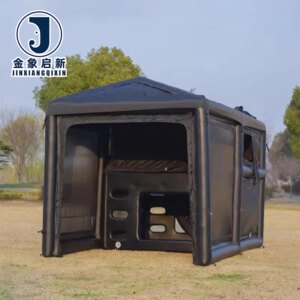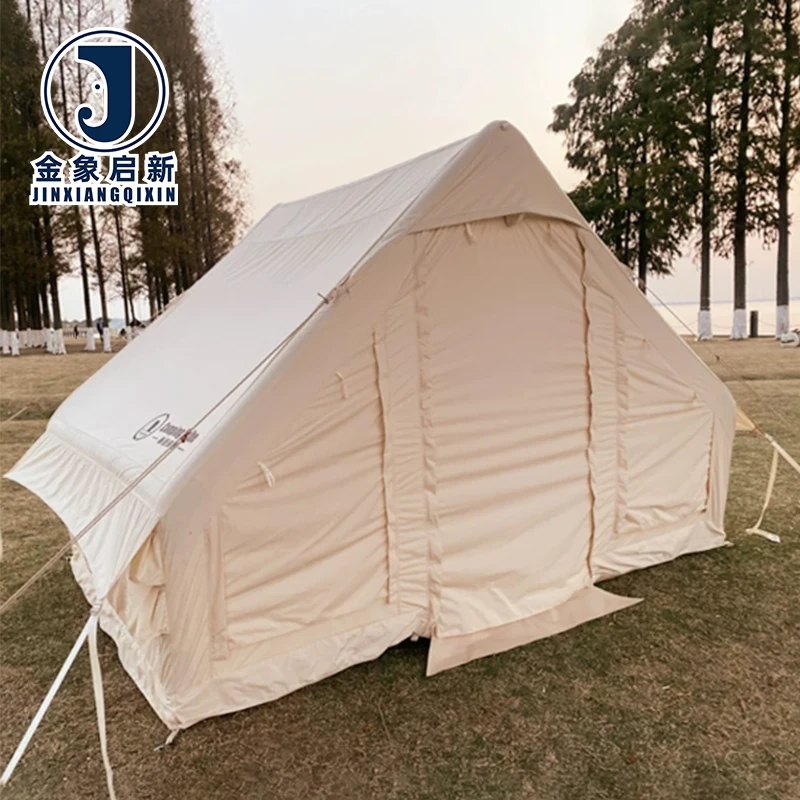
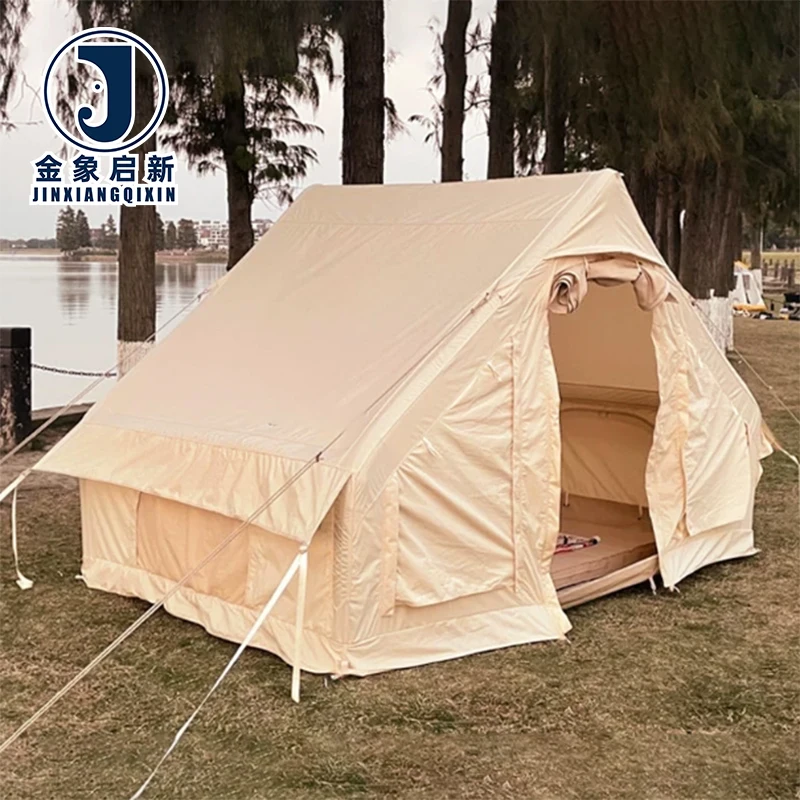
Description
Bulk PVC Coated Fabric — Sourced from a facility with three full production lines and dedicated QA/QC at every stage, ensuring roll-to-roll colour, coating weight, and GSM consistency across inflatable tent fabric orders.
Technical Specifications
| Parameter | Value |
|---|---|
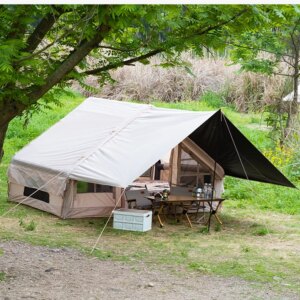
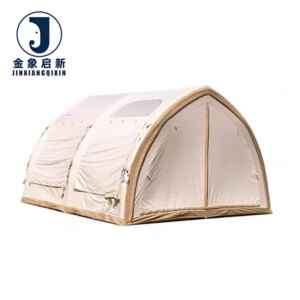
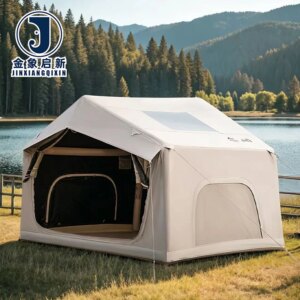
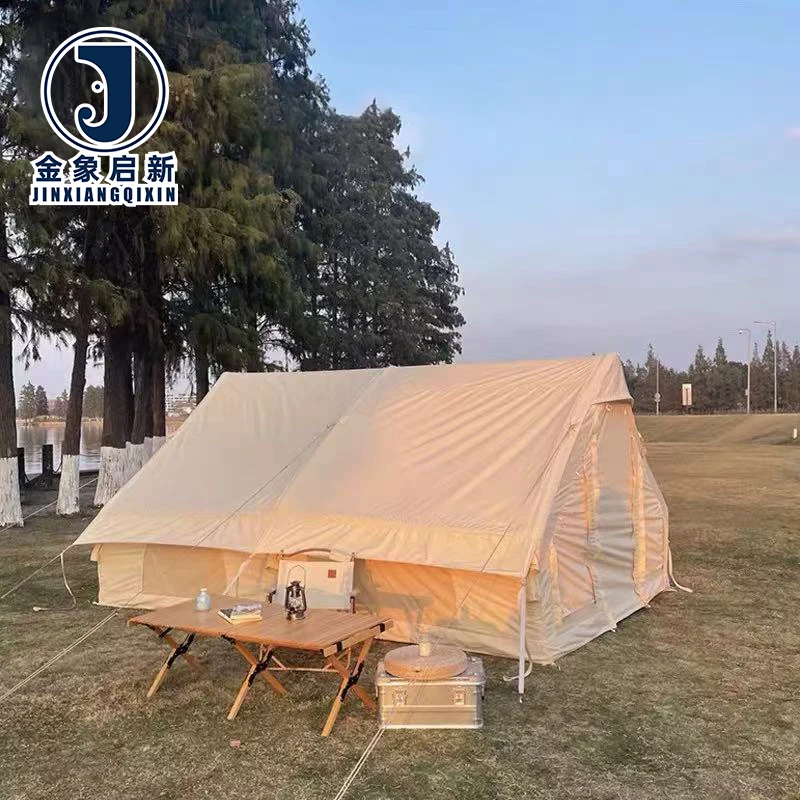
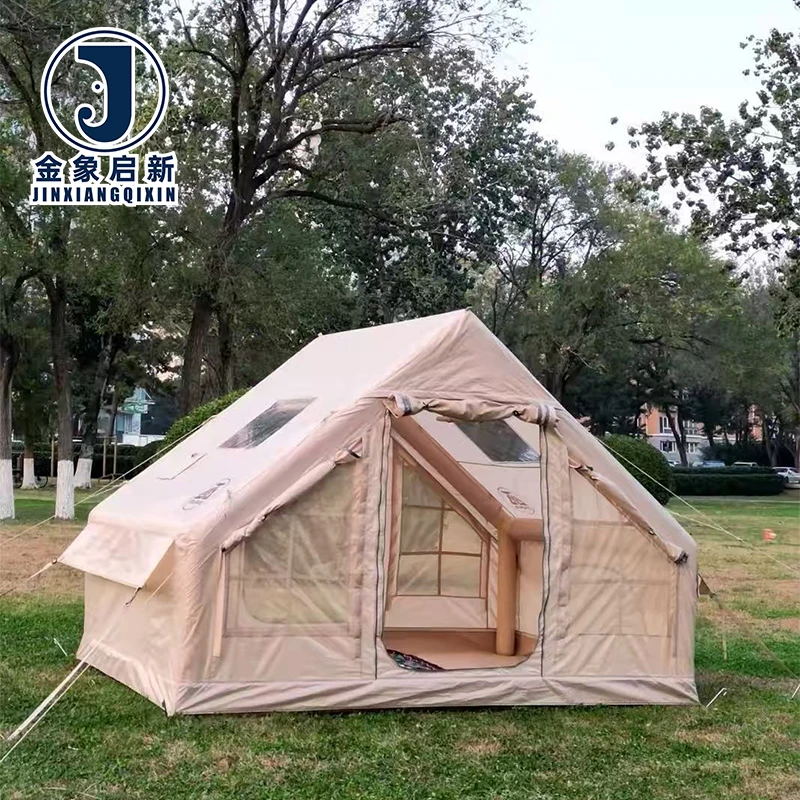
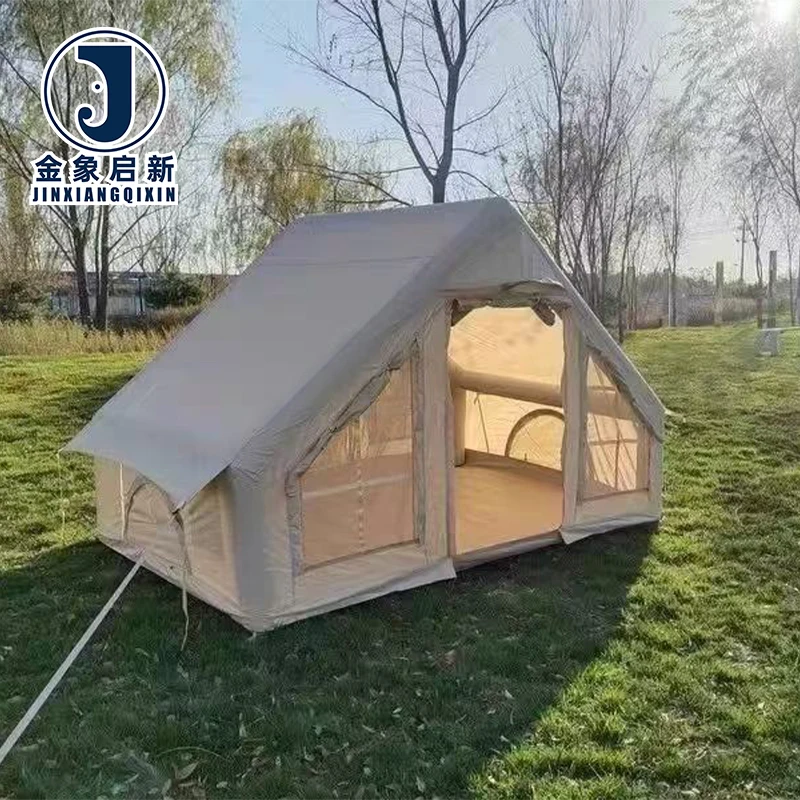
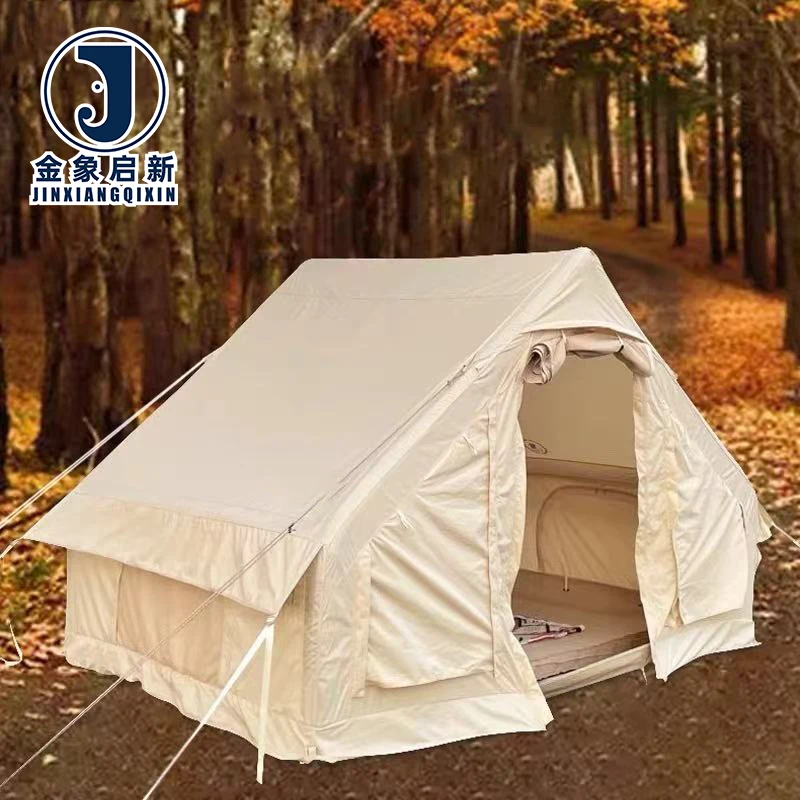
| Product Type | Inflatable Camping Tent |
| Core Material | UV Water-resistant PVC Fabric |
| Key Performance | Waterproof, UV-resistant, Tear-resistant |
| Design Configuration | Single Layer, One Bedroom & One Living Room |
| Season Suitability | Four-Season Use |
| Capacity | 4-Person |
| UV Protection Rating | 50+ (verify against batch test report) |
| Hydrostatic Head Rating | ≥5000mm (verify against batch test report) |
| Tear Strength (Warp & Weft) | ≥300N (test basis not stated) |
| Fabric Thickness Options | 0.3mm–0.8mm |
| Customization Service | OEM & ODM (Material Selection, Product Design, Pantone Color Matching, Structural Modifications, Heat Transfer Printing) |
| Quality Control | Full-process inspection with dedicated QA/QC staff, 48-hour pressure retention test |
| Standards & Certifications | ISO 9001, ISO 14001, ISO 45001, CE |
Application Suitability
| Application | Exposure & Requirement |
|---|---|
| Commercial outdoor gear manufacturing | High-volume roll consumption, strict batch consistency for inflatable tent product lines assembled side by side |
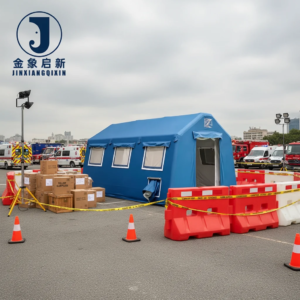
| Expedition company field shelters | Prolonged UV exposure, heavy rain, abrasion from repeated inflation/deflation and ground contact |
| Military field operations | Rapid deployment, tear resistance under load, reliable waterproofing in uncontrolled environments |
| Disaster relief shelters | Immediate weather protection, high tensile demand during inflation, transport abrasion resistance |
| Large-scale event temporary structures | High occupant capacity, sustained UV and water exposure, visual consistency across multiple units |
Why Roll-to-Roll Colour Shift Ruins Inflatable Tent Production Runs
Colour variation between rolls within a single order becomes immediately visible once tent panels are cut and sewn side by side.
For commercial inflatable camping tent manufacturers buying by the roll, a batch that arrives with even slight shade differences across rolls creates a visible patchwork effect on finished products. This forces production halts, panel re-sorting, or entire batch rejection. Consistent pigment dispersion and controlled coating application from the first roll to the last in a container is not optional — it is the baseline that determines whether the fabric can be consumed efficiently on the cutting table [NEED_CITE: coating consistency standards for PVC fabric in tent manufacturing].
Batch Uniformity Across Bulk PVC Orders
Manufacturers sourcing Inflatable Tent Fabric wholesale require assurance that every roll pulled from a container will match the approved sample in weight, colour, and coating thickness. Roll stock consistency is governed by how tightly the coating line controls PVC paste viscosity, knife gap, and oven temperature throughout the run. Deviations at any point produce measurable differences in surface gloss, colour depth, and flexibility from one end of a roll to the other, and those differences compound across a full container load.
Container Loading and Roll Count Planning
Purchasing Inflatable Camping Tent bulk material at volume requires knowing exactly how many rolls fit a container, what weight allowance applies, and whether partial rolls can be avoided to eliminate waste at the cutting stage. Roll width and length availability directly affect cutting table yield. Custom widths in the available range of 0.3mm–0.8mm thickness allow manufacturers to specify material that minimises off-cuts while meeting the structural demands of inflatable air beams and tent body panels [NEED_CITE: container loading calculations for PVC coated fabric rolls].
Reading Specifications for Inflatable Tent Fabric Performance
The tear strength value of ≥300N warp and weft indicates the force required to propagate a tear through the coated fabric — relevant for inflatable air beams that flex under internal pressure and external wind loads. Tear resistance is a function of base fabric yarn denier and weave density, not coating thickness alone. A heavier PVC coating adds waterproofing and abrasion resistance but does not compensate for a loosely woven base fabric when it comes to tear propagation. The hydrostatic head rating of ≥5000mm confirms water column resistance suitable for sustained rainfall exposure, while the 50+ UV protection rating addresses degradation from prolonged solar radiation. Both values should be confirmed against test documentation accompanying each batch.
The Cost of Skipping Pre-Shipment Roll Inspection
Accepting fabric based on quotation specifications without verifying GSM, coating weight, and colour on arrival leads to production-line discoveries. Rolls that arrive lighter than the stated GSM yield thinner tent walls with reduced structural margin. Coating inconsistencies that were not caught during production become apparent only when panels are heat-welded, resulting in weak seams that fail during the 48-hour pressure retention test. The cost of identifying these issues at the factory floor in the destination country far exceeds the cost of pre-shipment inspection at the source [NEED_CITE: pre-shipment inspection impact on coated fabric defect rates].
Why Volume Buyers Source Roll Stock Here
Three full production lines with 36 sets of professional equipment provide the capacity to fill container orders without splitting production across facilities, which is a common cause of batch inconsistency. The 10-person R&D team develops custom Pantone-matched samples within days, allowing buyers to approve colour and finish before committing to bulk roll production. Dedicated QA/QC staff conduct 100% inspection before shipment, with pre-shipment inspection records documenting GSM, colour reference, and coating weight per roll. Material specification sheets accompany every roll, stating base fabric, coating type, and performance test references. ISO 9001, ISO 14001, ISO 45001, and CE certifications underpin the quality management system across all production stages.
Documentation & Verification
- Material specification sheet stating GSM, base fabric weave, coating type, and colour reference per roll
- Batch-specific test reports confirming UV protection and hydrostatic head ratings for the shipped lot
- Pre-shipment inspection record with 100% roll-by-roll verification before container loading
- Roll packing list detailing roll count, individual roll weight, and total shipment weight
- Certificate of origin and customs documentation for cross-border roll stock shipments
Fabrication, Handling & Storage
- Heat-weld air beams at manufacturer-recommended temperature for the specified PVC coating thickness between 0.3mm–0.8mm
- Store rolls upright on pallets to prevent permanent creasing across the PVC coated fabric surface
- Allow cold-transported rolls to reach ambient temperature before unrolling to avoid coating micro-cracking
- Use neutral pH cleaners on the UV water-resistant surface to preserve coating integrity and waterproofing
- Plan cutting layouts to minimise transverse seams on inflatable air beams where flex stress concentrates
- Patch field repairs with compatible PVC adhesive and off-cuts from the same roll batch for colour match
Requesting a Bulk Fabric Quotation
Provide your target fabric thickness within the 0.3mm–0.8mm range, required roll width, annual volume estimate, and Pantone colour references if custom matching is needed. Specify whether rolls are destined for commercial inflatable tent production, disaster relief procurement, or event structure fabrication so the correct performance documentation can be prepared. Confirm whether OEM or ODM support is required for material selection or product design modifications before sampling begins.
Frequently Asked Questions
Q: How is batch-to-batch colour consistency guaranteed across bulk roll orders?
A: Every production run follows a Pantone-matched colour standard verified at the coating line. Dedicated QA/QC staff inspect each roll before dispatch, comparing against the approved sample. Pre-shipment inspection records document colour reference per roll, and batch-specific reports are provided with the shipment to confirm consistency across the entire order.
Q: What roll widths and lengths are available for container loading?
A: Custom widths and lengths are available within the facility’s production capability, developed through the R&D team during sampling. Buyers specify target roll dimensions to optimise cutting table yield for their inflatable tent panel layouts. Container loading plans are provided showing roll count and weight distribution for efficient shipping.
Q: How is the stated GSM and coating weight verified upon arrival?
A: Each roll ships with a material specification sheet stating GSM, base fabric details, and coating weight. The 100% pre-shipment inspection conducted by QA/QC staff verifies these values before container loading. Buyers can cross-check GSM on arrival against the documentation provided, with batch-specific quality reports available for reference.
Q: What are the minimum order quantities for custom roll stock?
A: MOQ depends on the customisation scope — standard widths and stock colours carry lower minimums, while Pantone-matched colours, custom widths, or specific thickness selections within the 0.3mm–0.8mm range require sample development first. The sales team provides MOQ and lead time after reviewing the specification request and application requirements.
Q: How is fabric packaged to prevent damage during long-distance transit?
A: Rolls are packed on pallets with protective wrapping to guard against moisture, abrasion, and compression during ocean freight. The roll packing list details individual roll positioning and weight distribution within the container. Storage and handling guidance is provided to ensure rolls arrive in production-ready condition at the destination facility.