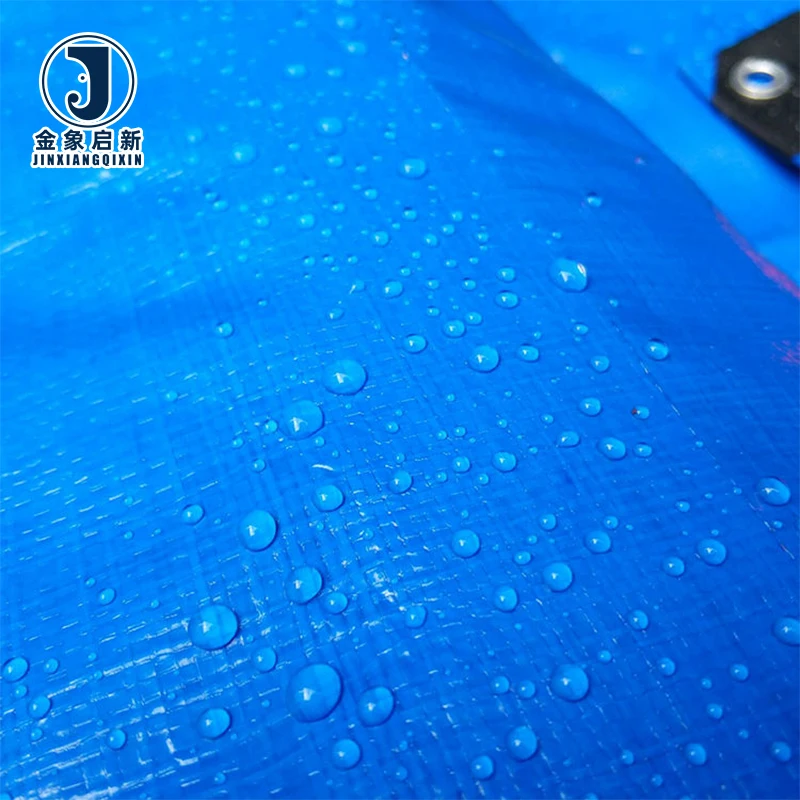
Description
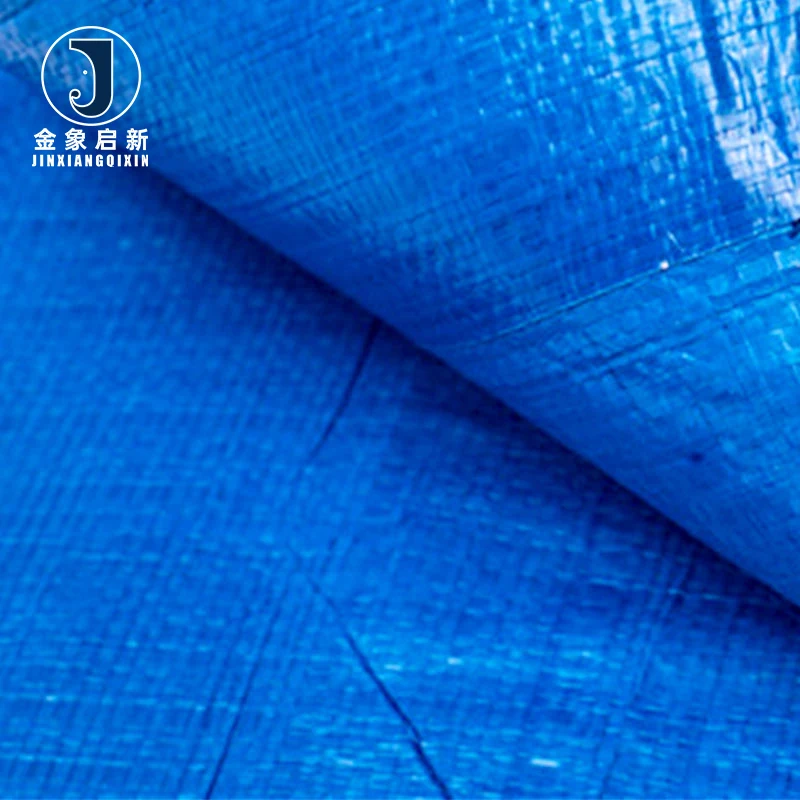
Batch-Level Consistency — Every PE tarpaulin roll shipped under one purchase order is verified for GSM, colour and weave count before dispatch, matching the roll-stock buyer’s need for warehouse-ready uniformity.
Technical Specifications
| Parameter | Value |
|---|---|
| Product Type | PE Tarpaulin Roll |
| Material | HDPE weaving with LDPE lamination on both sides |
| Fabric Weight | 45gsm ~ 400gsm (confirm the grade for this item) |
| Weave Count | 6×6, 8×8, 10×10, 12×12, 14×14 |
| Total Thickness | 0.2–0.4 mm (8–16 mil) |
| Roll Width | 6ft, 8ft, 10ft, 12ft, 2m, 4m, 6m |
| Roll Length | 100 yards, 100 meters, or custom |
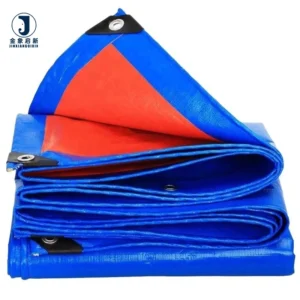
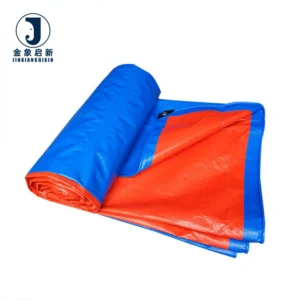
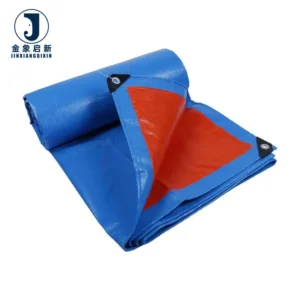
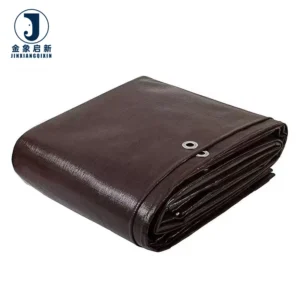
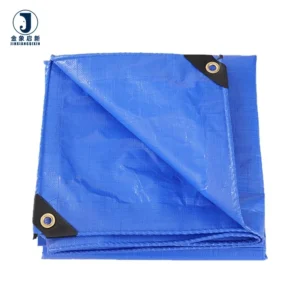
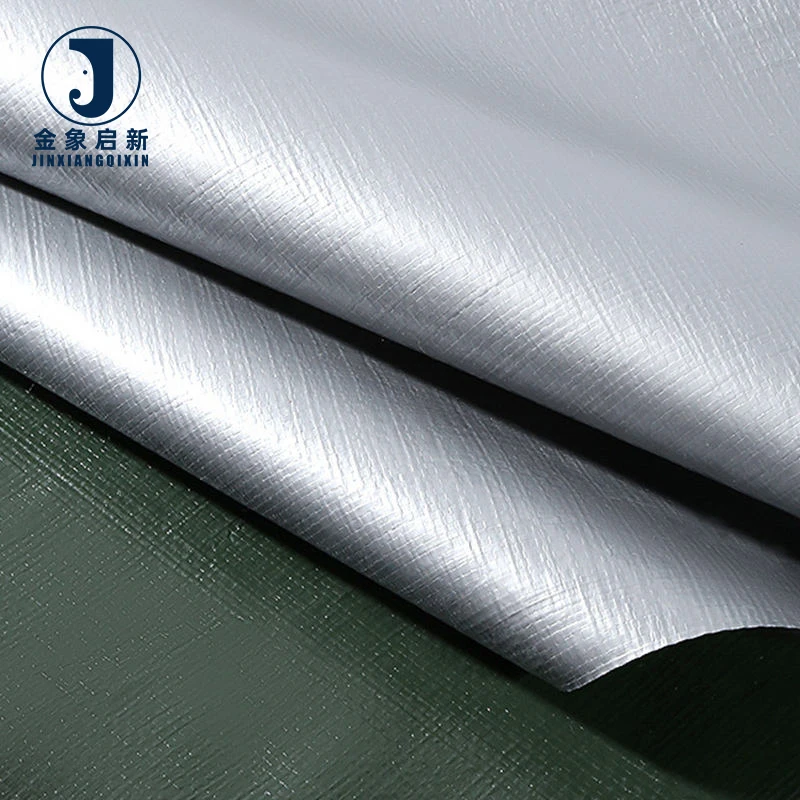
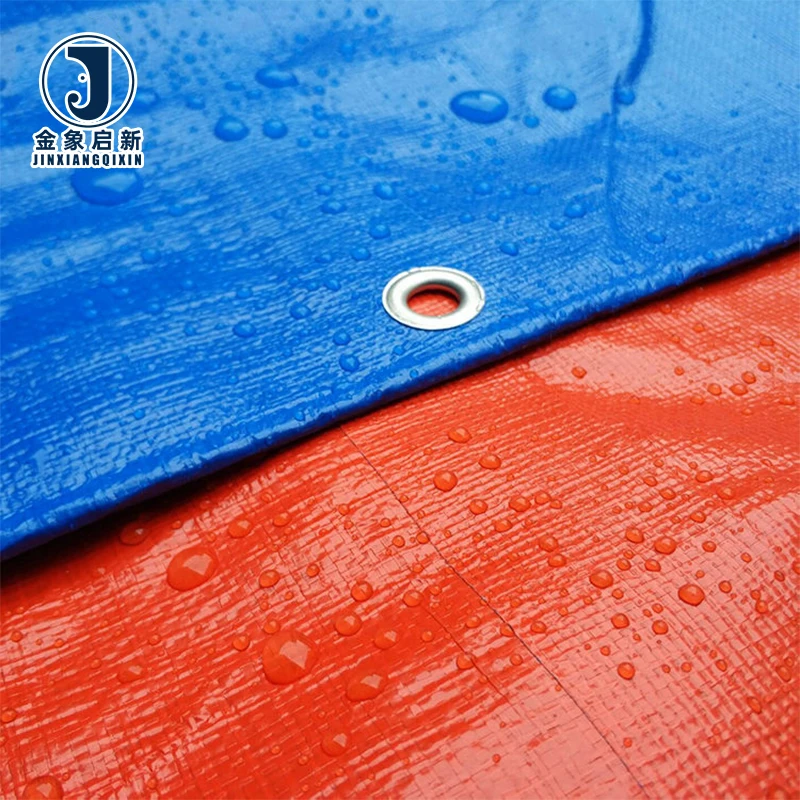
| Color | Blue, Blue/Orange, Green, Grey, Black, Clear, Grey/Green, Orange, or any Pantone color |
| Flame Retardant | Available — NFPA 701 (confirm the grade required for your market) |
| UV Treatment | Available (test basis not stated in source) |
| Waterproof | Yes |
| Mildew Proof | Yes |
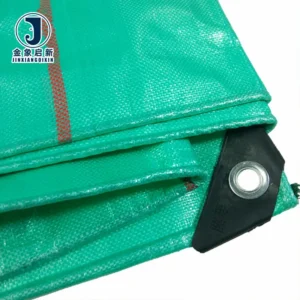
| Hemming | All four edges reinforced with PP rope, 4 cm hemming margin unless specified |
| Eyelets | Galvanized, PC, brass, or aluminum; spaced every 3 ft or 1 meter |
| Corner Guards | PP or PE reinforced plastic |
| Roping | All four sides |
| Gussets | Available for heavy-duty grades |
| Standards | NFPA 701, ISO, CE |
Application Suitability
| Application | Exposure & Requirement |
|---|---|
| Tarpaulin distributor warehousing | Roll-to-roll colour and weight consistency for retail or contractor resale without end-user complaints |
| Transport fleet load covering | Abrasion from tie-down straps, wind flap fatigue, and road spray across repeated trips |
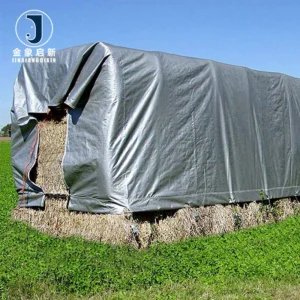
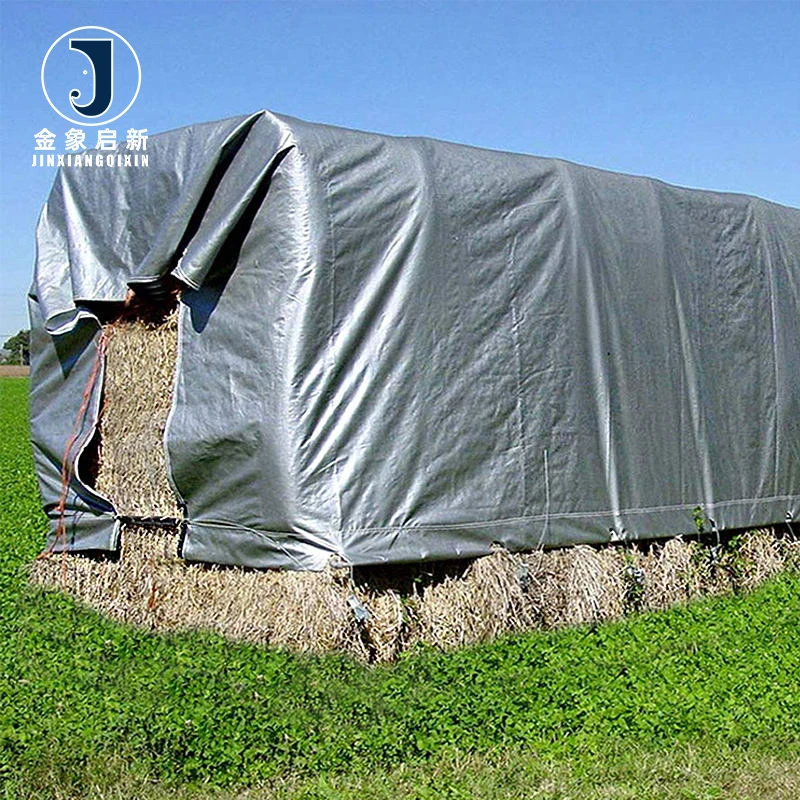
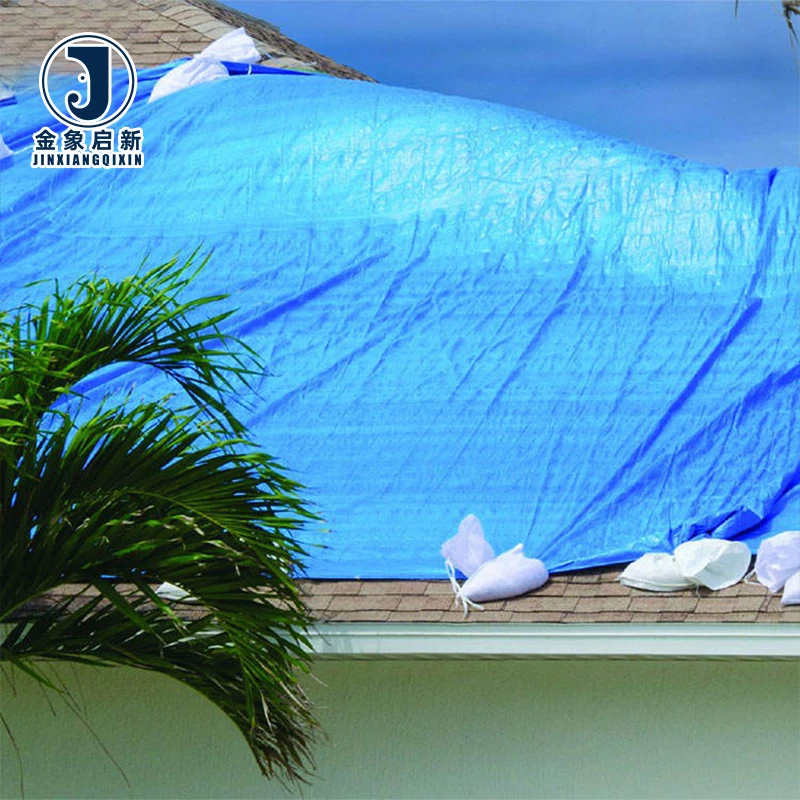
| Agricultural and aquaculture stock covering | Continuous UV exposure, moisture pooling, and mildew risk in humid storage environments |
| Tent and awning fabricator conversion | Clean slitting and heat-seal behaviour across long production runs of cut panels |
| Construction site equipment wrapping | Puncture and tear risk from sharp edges on machinery and scaffolding |
Why Batch Colour Drift Matters More Than GSM Tolerance in Roll Stock
Visible seams between rolls destroy buyer confidence before the fabric ever fails mechanically.
When a wholesale buyer sources PE tarpaulin by the container, the first thing their customer notices is not whether the fabric weighs 180gsm or 175gsm — it is whether two rolls hung side by side on a job site show the same shade. Colour variation between rolls in a single shipment forces distributors to sort, re-grade, or absorb returns. [NEED_CITE: colour tolerance standards for laminated PE fabrics in batch production] The cost is not in the material — it is in the rework and the reputational damage downstream.
Controlling Pigment Dosage Across Full Production Runs
PE tarpaulin roll wholesale suppliers who run short batches can mask inconsistency by blending stock. The problem surfaces when orders scale to container volume and pigment dosing drifts across extruder cycles. Maintaining uniform colour requires inline monitoring at the lamination stage, not just a spectrophotometer check on the first roll off the line. For wholesale buyers committing to a single Pantone reference across a full order, the production protocol must hold pigment concentration steady from the first meter to the last.
Roll Weight Uniformity and Its Impact on Downstream Pricing
Distributors price their cut sizes by area, which means any roll that delivers less fabric per stated GSM directly erodes margin. A PE tarpaulin roll wholesale programme only works when every roll on the packing list matches its ticketed weight within the agreed tolerance. [NEED_CITE: acceptable GSM variance in HDPE woven tarpaulin for commercial resale] Inline weight verification during coating and lamination catches drift before it reaches the winding station, keeping the entire shipment within spec rather than relying on post-production sampling.
How Weave Density Defines the Performance Tier
The weave count — ranging from 6×6 through 14×14 — sets the structural backbone before any LDPE lamination is applied. A 6×6 weave produces a lighter, more flexible fabric suited to temporary covers and agricultural sheeting, while a 14×14 weave locks in dimensional stability for heavy-duty truck wraps and construction enclosures. The lamination weight adds waterproofing and surface durability but cannot compensate for a base fabric that lacks the tensile structure for the intended load. Choosing the correct weave count matters more than adding GSM through thicker coating alone.
Width, Length and Container Loading Efficiency
Roll widths from 2 m to 6 m and standard lengths of 100 yards or 100 meters allow wholesale buyers to align orders with their market’s common cut sizes. Selecting a roll width that matches the most frequently sold panel dimension reduces trim waste at the fabricator’s table. Container load planning depends on net weight per roll and the total roll count, both of which are confirmed on the pre-shipment packing list so buyers can finalise freight bookings before dispatch. [NEED_CITE: standard container loading patterns for PE tarpaulin rolls by width]
The Hidden Cost of Underspecifying for the End Market
Ordering a mid-range GSM to hold down unit cost seems rational until the end user installs the tarp on a truck that flexes through every gear change. Rolls specified too light for the actual application fail at the eyelet line or along the hem fold, generating warranty claims that cost the distributor more than the original savings. Matching the weave count and coating weight to the exposure class — rather than to a price point — prevents downstream failure. [NEED_CITE: field failure modes of under-specified PE tarpaulin in transport applications] Flame-retardant grades must also align with the end market’s fire classification; shipping NFPA 701-rated fabric to a region that requires a different standard leaves the entire shipment unsellable.
What Sets This Supply Chain Apart for Roll Buyers
Three full production lines and 36 sets of professional equipment support bulk output without compressing lead times into a single line. A 10-person R&D team handles custom width slitting, Pantone matching, and sample development within days rather than weeks. Every roll passes through dedicated QA at the coating, lamination, and winding stages with 100% inspection before packing. The documentation pack travels with the shipment — not in a follow-up email — so customs clearance and warehouse intake proceed without delay. Nearly 30 years of focused coated fabric production translates into process control that holds GSM and colour within tolerance across the entire order.
Documentation & Verification
- Material spec sheet per roll stating GSM, base fabric weave, LDPE coating weight, and colour reference
- GSM verification record from inline measurement, confirming actual weight against the quoted grade
- NFPA 701 test report included for flame-retardant orders, matched to the production batch
- ISO and CE certificates provided with every shipment for customs and compliance filing
- Roll packing list with net weight, dimensions, and roll count for container load reconciliation
- Certificate of origin and full customs documentation package accompanying the bill of lading
Fabrication, Handling & Storage
- Slit rolls on a tension-controlled unwinder to prevent stretching the HDPE weave before cutting
- Heat-seal LDPE-laminated surfaces at manufacturer-recommended temperature to avoid delamination at seams
- Store rolls upright on pallets in a shaded, ventilated area to prevent flat-spotting on the bottom wraps
- Install galvanized or brass eyelets through the 4 cm PP-rope reinforced hem for reliable tie-down anchoring
- Avoid dragging rolls across gravel or concrete during unloading to protect the outer lamination layer
- Allow cold-stored rolls to acclimate to ambient temperature before unrolling to prevent surface cracking
Preparing Your Inquiry
Specify the weave count and GSM range your market demands, along with the roll widths and lengths that match your standard cut sizes. Confirm whether your end users require NFPA 701 flame-retardant certification or a different regional fire classification. Provide your target Pantone colour reference and estimated annual volume so we can plan pigment batches for consistent supply. Let us know if you need custom labelling, T-labels, or specific pallet configurations for your warehouse intake process.
Frequently Asked Questions
Q: What GSM grades are available for immediate shipment?
A: The PE tarpaulin roll range covers 45gsm through 400gsm across multiple weave counts. Stock availability varies by season and recent order flow. Share your target GSM and roll width, and we will confirm which grades are ready for near-term dispatch versus those requiring a production run.
Q: Can colour consistency be guaranteed across a full container order?
A: Yes. Pigment dosing is monitored at the lamination stage and verified against the agreed Pantone reference throughout the production run. Every roll is inspected before packing. The pre-shipment inspection record documents colour verification for each roll in your order.
Q: What is the minimum order for custom width or colour?
A: Custom slitting widths and Pantone colour matches carry minimums based on the extruder setup and pigment batch size. These thresholds vary by GSM grade and roll length. Submit your required dimensions and colour reference, and we will quote the applicable minimum alongside lead time.
Q: How are rolls packed for container loading?
A: Standard options include bale packing, carton box, poly bag wrapping, and palletizing. Each roll is listed on the packing list with net weight and dimensions, enabling accurate container load planning. T-labels and product labels can be applied per your distribution requirements.
Q: Are test reports provided for flame-retardant and UV treatments?
A: Flame-retardant rolls are supplied with an NFPA 701 test report matched to the production batch. UV treatment is available; confirm the specific test standard required by your market so the correct documentation can be prepared and included with your shipment.