Description
Batch-Verified GSM Control — Every PE tarpaulin roll undergoes in-process weight checks before dispatch, ensuring the GSM you order is the GSM you receive across the entire shipment.
Technical Specifications
| Parameter | Value |
|---|---|
| Product Type | PE Tarpaulin |
| Coating Material | HDPE weaving with LDPE lamination on both sides |
| Weight (GSM) | 50gr/m2 ~ 220gr/m2 available (range covers product family — confirm the grade for this item) |
| Total Thickness | 0.2-0.4mm / 8 mil-16 mil / Custom |
| Mesh Count Options | 6×6, 6×7, 7×7, 7×8, 8×8, 9×9, 8×10, 10×10, 12×12, 14×14, 14×16 |
| Roll Width Options | 6ft, 8ft, 10ft, 12ft, 2m, 4m, 6m |
| Roll Length Options | 100 yards, 100 meters, or custom |
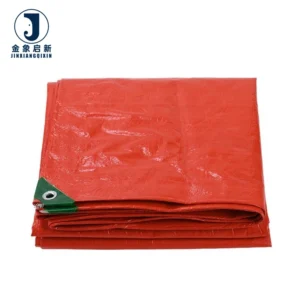
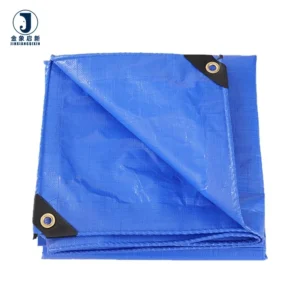
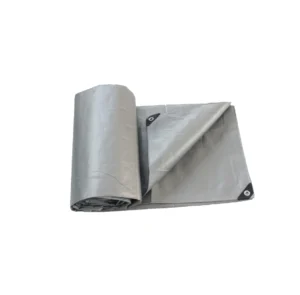
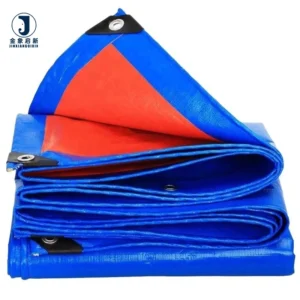
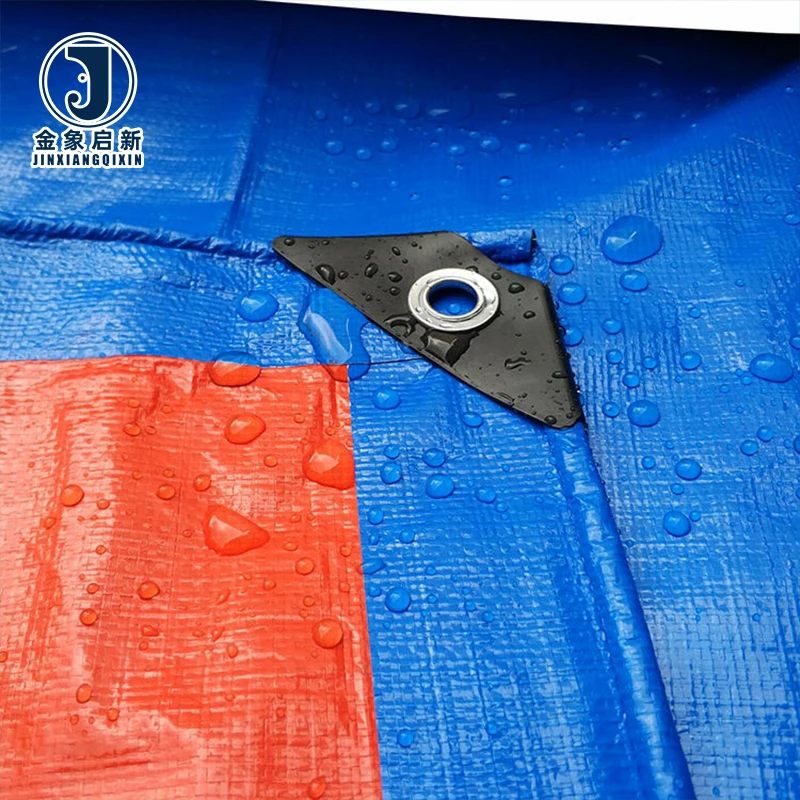
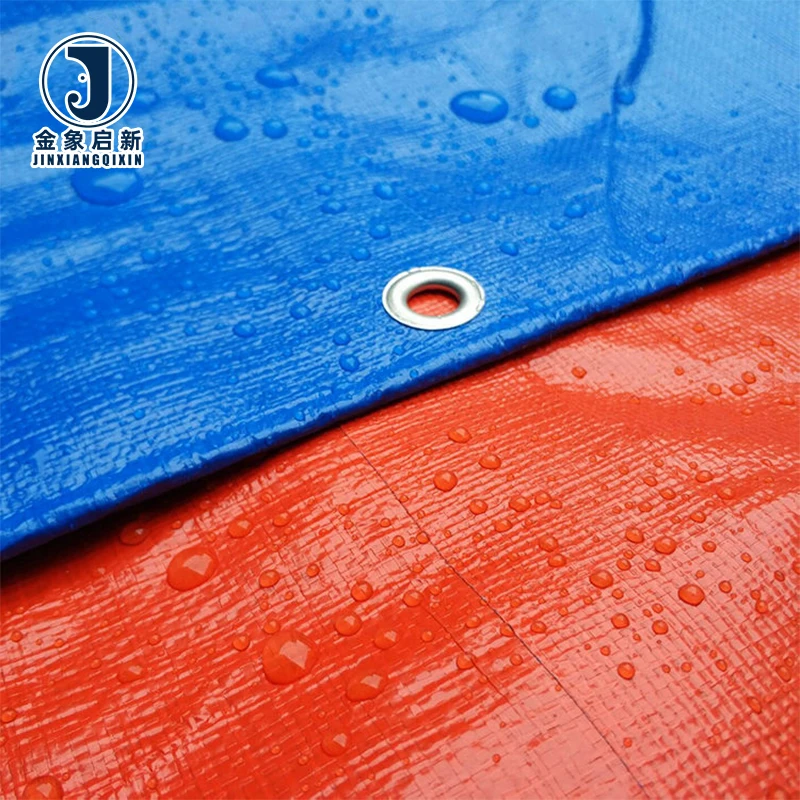
| Color Options | Blue, Blue/Orange, Green, Grey, Black, Clear, Grey/Green, Orange, or custom |
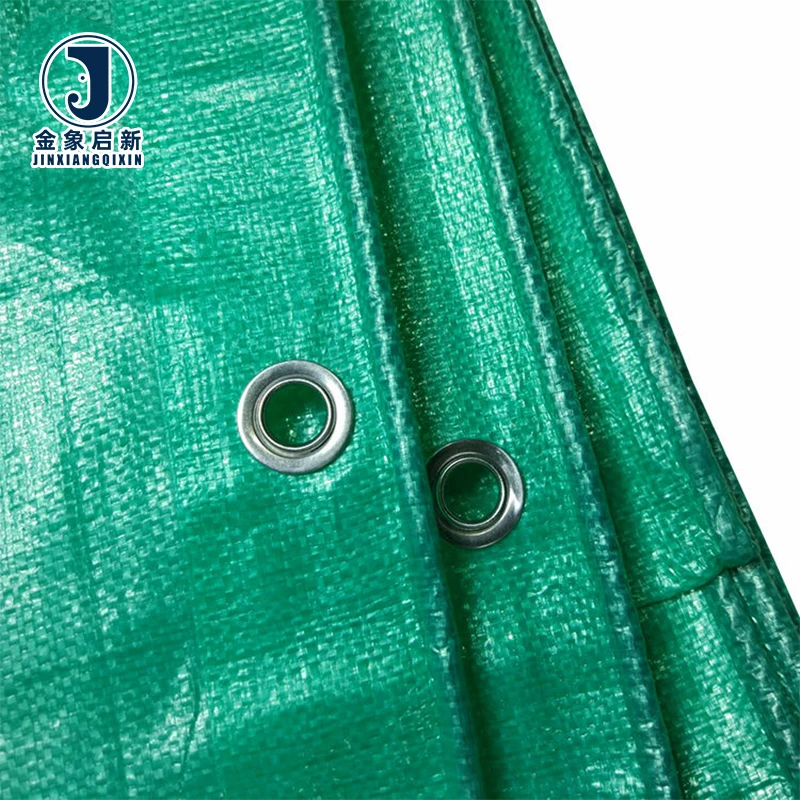
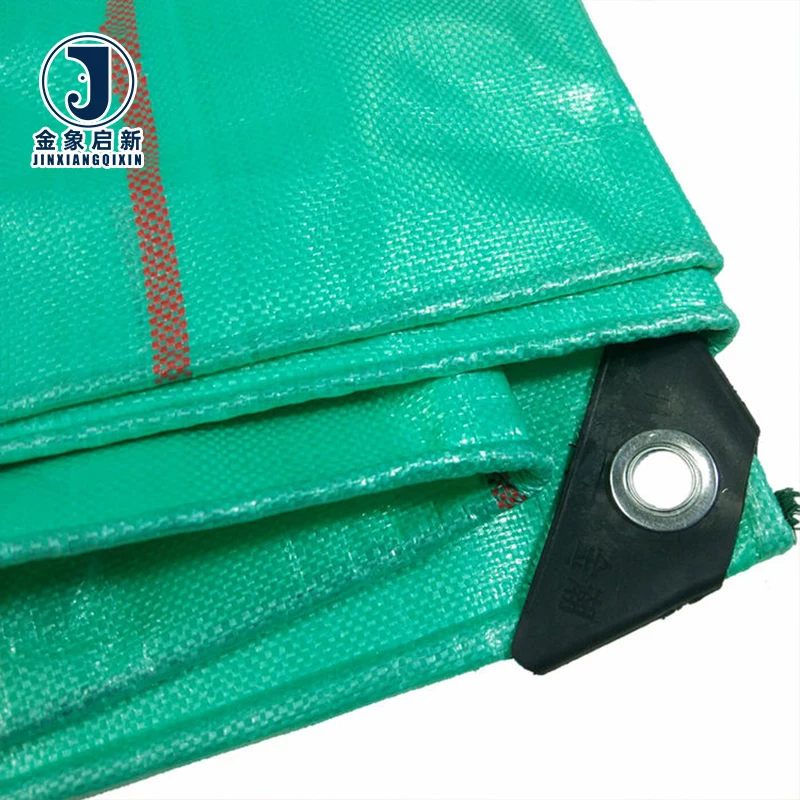
| Edge & Eyelet Reinforcement | PP rope reinforced hem, galvanized eyelets every 3ft or 1m, reinforced plastic corners |
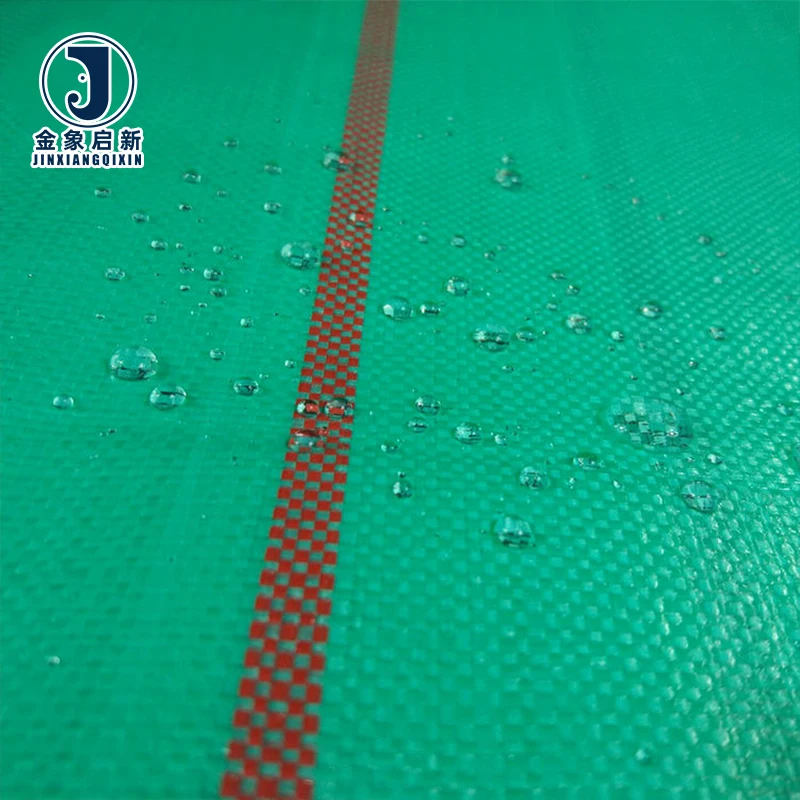
| Waterproof Rating | Waterproof (source value — verify against manufacturer catalog) |
| UV Treatment | UV treatment available (test basis not stated in source) |
| Anti-Mildew | Mildew proof and anti-aging (source value — verify against manufacturer catalog) |
| GSM-to-Weave Mapping | 6×6/6×7 → 50gsm~60gsm; 7×7/7×8 → 60gsm~80gsm; 8×8/9×9 → 80gsm~90gsm; 8×10 → 90gsm~100gsm; 10×10 → 100gsm~120gsm; 12×12 → 120gsm~150gsm; 14×14 → 150gsm~250gsm; 14×16 → 250gsm~300gsm |
| Container Loading (20’GP) | By Roll 17 Tons; By Bale 12 Tons; By Carton 9 Tons |
| Container Loading (40’HQ) | By Bale 28 Tons; By Carton 20 Tons |
| Printing Option | Custom printing available |
| Standards | ISO, CE |
Application Suitability
| Application | Exposure & Requirement |
|---|---|
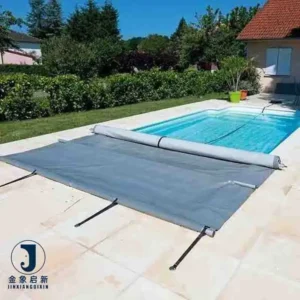
| Pond and reservoir lining | Permanent water contact, soil chemistry exposure, puncture resistance from substrate irregularities |
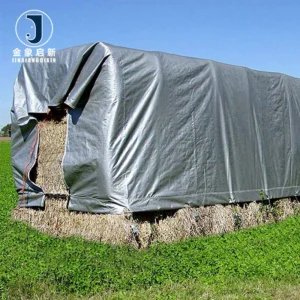
| Agricultural crop and hay covers | Extended outdoor UV exposure, wind uplift stress, moisture barrier requirement |
| Construction site material wraps | Abrasion from scaffolding contact, debris impact, temporary weather enclosure |
| Tarpaulin distributor restock | Roll-to-roll GSM and color uniformity, efficient container loading, regional resale compliance |
| Aquaculture pond liners | Submerged conditions, biological growth resistance, long-term waterproof integrity |
Why Weight Discrepancies Sink Wholesale PE Tarpaulin Orders Before They Reach the Shelf
Verified GSM at the production stage is the only metric that matters when containers arrive at port.
A common failure in the PE tarpaulin roll supply chain is receiving material that reads lighter on the scale than what the quotation promised. For a distributor reselling to contractors or agricultural operators, a shortfall in GSM translates directly into customer complaints, rejected batches, and margin erosion. When roll stock arrives underweight, the entire container may need to be re-graded or sold at a discount. [NEED_CITE: weight verification protocols for coated fabric imports]
Batch consistency across a wholesale order is equally critical. If one roll of blue 120gsm material sits alongside another that is visibly lighter or darker, fabricators cutting finished sheets will produce mismatched panels. This is not a cosmetic issue — it signals uneven coating weight, which means uneven tear resistance and waterproof performance across the same order.
How Weave Density and GSM Interact in PE Tarpaulin Roll Stock
The PE tarpaulin roll you source is defined not by GSM alone, but by the relationship between HDPE weave density and the LDPE lamination weight applied to both sides. A 6×6 weave at 50gsm serves light-duty applications such as temporary dust covers or single-season crop wrapping, while a 14×14 weave approaching 150gsm–250gsm provides the structural integrity needed for pond liners that must resist puncture from uneven substrate.
Choosing the right weave-to-GSM combination for your market determines whether the roll stock you import will satisfy end-user expectations or generate returns. The mesh count directly controls the base fabric’s tear propagation resistance before any coating is applied.
Color Uniformity Across Wholesale Container Loads
Maintaining identical color across every roll within a single container load requires controlled resin dosing and consistent extrusion temperatures on the LDPE lamination line. When pigment concentration varies even slightly between production runs, the difference becomes visible once a distributor or fabricator lays two sheets side by side. [NEED_CITE: color consistency standards in laminated polyethylene fabrics]
For wholesale buyers restocking standard colors such as blue, green, or grey, batch matching is non-negotiable. Each production run in this PE tarpaulin range is tracked by lot, and rolls within the same wholesale order are pulled from matched production batches to eliminate visible shade variation at the point of sale or installation.
Reading the GSM-to-Weave Map Before You Specify Roll Stock
Understanding how mesh count drives GSM eliminates the guesswork when selecting roll stock for a specific application tier. The 6×6 and 6×7 weaves map to the 50gsm–60gsm range, which is appropriate for disposable or short-term covers where cost per square meter is the primary driver. Moving to 8×8 or 9×9 shifts the weight to 80gsm–90gsm, a mid-range grade commonly used by construction contractors for scaffolding wraps and site enclosures.
The 12×12 weave at 120gsm–150gsm represents the transition into heavy-duty territory. At this density, the HDPE base yarns are close enough together that LDPE lamination fills the interstices completely, producing a continuous waterproof membrane rather than a partially filled weave. The 14×14 and 14×16 grades, reaching 150gsm–300gsm, are specified for applications where the fabric must resist sustained mechanical stress — pond liners holding water volume against soil pressure, or heavy-equipment covers exposed to wind-driven abrasion. Roll widths up to 6m reduce the number of field seams required when lining large reservoirs or covering wide equipment, directly affecting installation labor and failure-point count.
The Cost of Specifying Roll Stock by Price Per Ton Alone
When procurement decisions reduce PE tarpaulin roll stock to the lowest cost per ton, the consequences surface after the container is unpacked. Lighter-than-specified GSM means the LDPE lamination is thinner, and thinner lamination is the first point of failure when the fabric flexes over sharp edges or is dragged across abrasive surfaces. Distributors who sell underweight rolls to agricultural clients find that pond liners develop pinhole leaks within the first filling cycle, and hay covers tear at the grommets during the first storm.
Color inconsistency within a single order forces fabricators to sort and segregate rolls, adding labor cost and generating waste from unusable shade-mismatched panels. [NEED_CITE: field failure rates in imported polyethylene tarpaulin shipments]
The hidden expense is not the material itself — it is the claims, returns, and reputational damage that follow when end users discover the fabric does not match its description.
What Makes This PE Tarpaulin Supply Reliable for Volume Buyers
Three full production lines and 36 sets of professional equipment provide the capacity to fill container orders without splitting production across incompatible batches. This matters for wholesale buyers who need uniform roll stock in a single shipment.
A 10-person R&D team supports custom width, color, and printing requirements, developing samples within days rather than weeks so that approval does not delay the production window. Dedicated QA/QC checkpoints at every production stage ensure that GSM, color, and weave density are verified before rolls reach the packing area, not after.
Full documentation accompanies each dispatch — from material specification sheets to pre-shipment inspection records — so that compliance and verification requirements at the port of entry are met without last-minute scrambling. Container loading plans are optimized by roll count, bale count, and tonnage for both 20’GP and 40’HQ configurations, maximizing the volume of PE tarpaulin roll stock per shipment.
Documentation & Verification
- Material specification sheet stating GSM, HDPE weave density, and LDPE coating weight per roll grade
- Pre-shipment inspection record confirming 100% visual and weight check before container loading
- Roll packing list with container plan by roll count, bale configuration, and tonnage for 20’GP and 40’HQ
- Certificate of origin and customs documentation for cross-border wholesale shipments
- Color reference and lot tracking record matching each roll to its production batch
Fabrication, Handling & Storage
- Heat-seal LDPE laminated surfaces using temperature settings matched to the specific GSM grade to avoid burn-through on lighter weaves
- Install galvanized eyelets at specified 3ft or 1m intervals with reinforced plastic corners to distribute tie-down loads across the PP rope hem
- Store PE tarpaulin rolls upright on hard paper tubes to prevent flat-spot deformation that causes creasing during unrolling
- Avoid dragging rolls across unprotected concrete surfaces during warehouse handling to prevent LDPE lamination abrasion
- Clean finished sheets with mild detergent only; harsh solvents degrade the LDPE coating bond to the HDPE base fabric
How to Scope Your Roll Stock Inquiry
Specify the GSM grade, weave density, and color you need along with your target roll width and length so we can confirm availability and lead time. If your market requires UV treatment or specific compliance documentation, include those requirements at the inquiry stage so the correct test reports are prepared. Indicate whether you need rolls only or finished cut sheets with eyelet reinforcement, as this affects both pricing structure and container loading configuration.
Frequently Asked Questions
Q: How is GSM verified on every roll before dispatch?
A: Each roll is weighed during the pre-shipment inspection stage, and the actual GSM is recorded against the specification stated on your order. Rolls that fall outside the tolerance band are pulled from the shipment and replaced. The inspection record travels with the container documentation so you can cross-check on arrival.
Q: Can I mix different colors or GSM grades in one container?
A: Yes, mixed loads are supported for wholesale orders. Each roll grade and color is packed and labeled separately, and the packing list itemizes every roll by position in the container. This allows you to receive multiple product tiers in a single shipment without cross-contamination or misidentification at your warehouse.
Q: What roll width and length should I choose for container optimization?
A: Standard roll widths up to 6m and lengths at 100 yards or 100 meters are designed for efficient container loading. Wider rolls reduce end-user waste during fabrication but may require specific handling equipment. Your loading plan will be calculated by roll count, bale configuration, and total tonnage to maximize container utilization for your chosen format.
Q: What is the minimum order for custom color or printed branding on bulk orders?
A: Custom colors and printed branding require a minimum production run to ensure color consistency across the full batch. Lead times vary based on the specific shade and print complexity. Submit your Pantone reference or print artwork with your inquiry, and we will confirm the minimum quantity and sample approval timeline before production begins.
Q: What documentation ships with the container?
A: Every wholesale shipment includes a material specification sheet for each roll grade, a pre-shipment inspection record, a detailed roll packing list, a certificate of origin, and customs support documents. ISO and CE certificates are available for market compliance. All documents reference your purchase order and container number for traceability.