Description
Verified Roll-Stock Supply — Every roll of PE tarpaulin is checked against the quoted GSM at pre-shipment inspection, ensuring what arrives at your warehouse matches what you ordered.
Technical Specifications
| Parameter | Value |
|---|---|
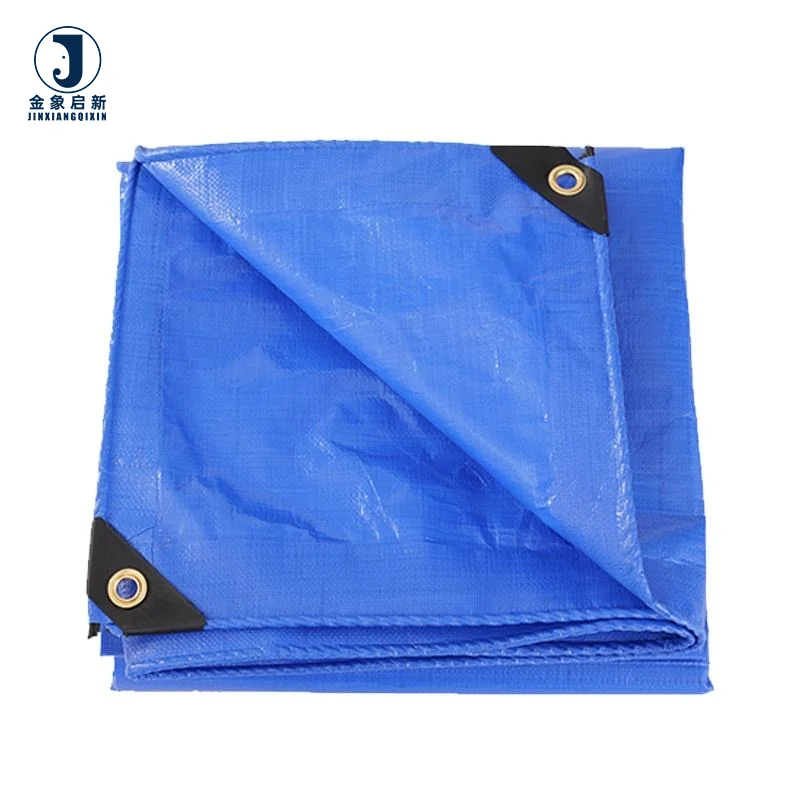
| Product Type | PE Tarpaulin Roll / Finished PE Tarpaulin |
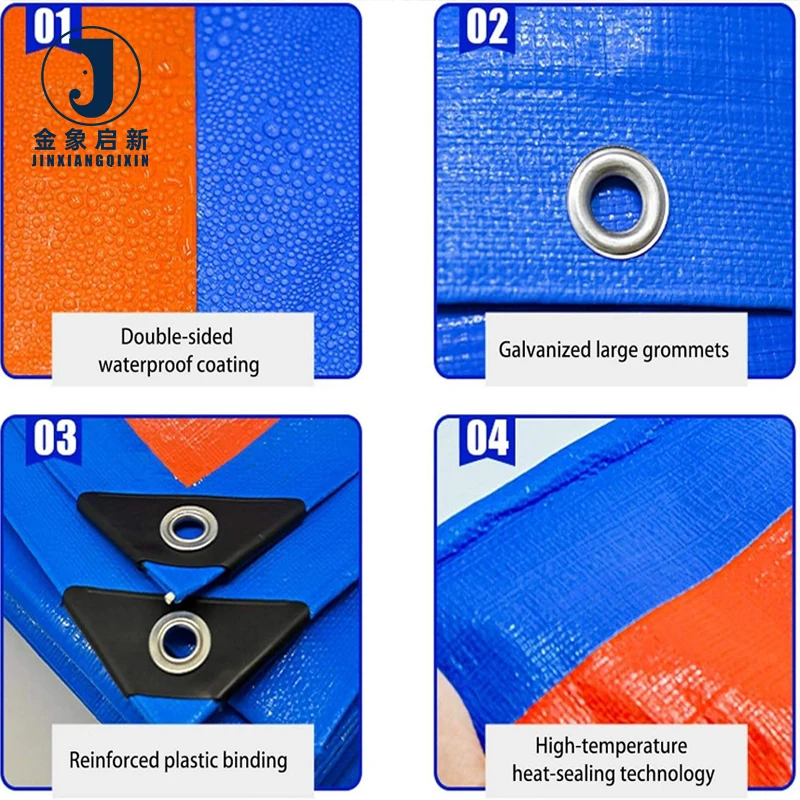
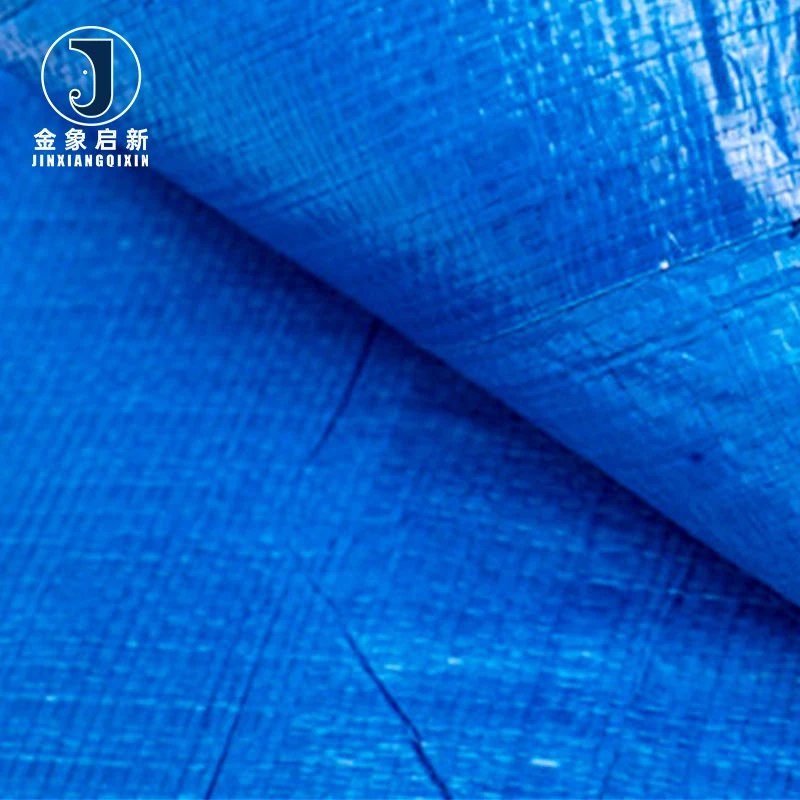
| Material | HDPE weaving with LDPE lamination on both sides |
| Weight Range | 50 g/m² – 220 g/m² |
| Lightweight Grade | 80–110 g/m², 0.18–0.22 mm, 8×8 mesh |
| Medium Grade | 120–150 g/m², 0.22–0.28 mm, 10×10 mesh |
| Heavy-Duty Grade | 160–240 g/m², 0.30–0.35 mm, 12×12 mesh |
| Roll Width | 2 m / 4 m / 6 m (also 6 ft / 8 ft / 10 ft / 12 ft) |
| Roll Length | 100 yards / 100 meters or custom |
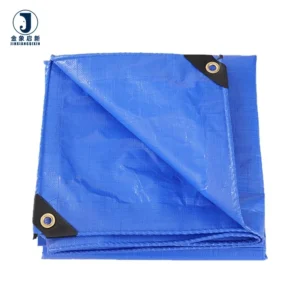
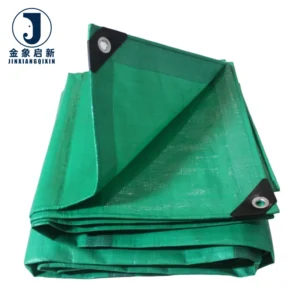
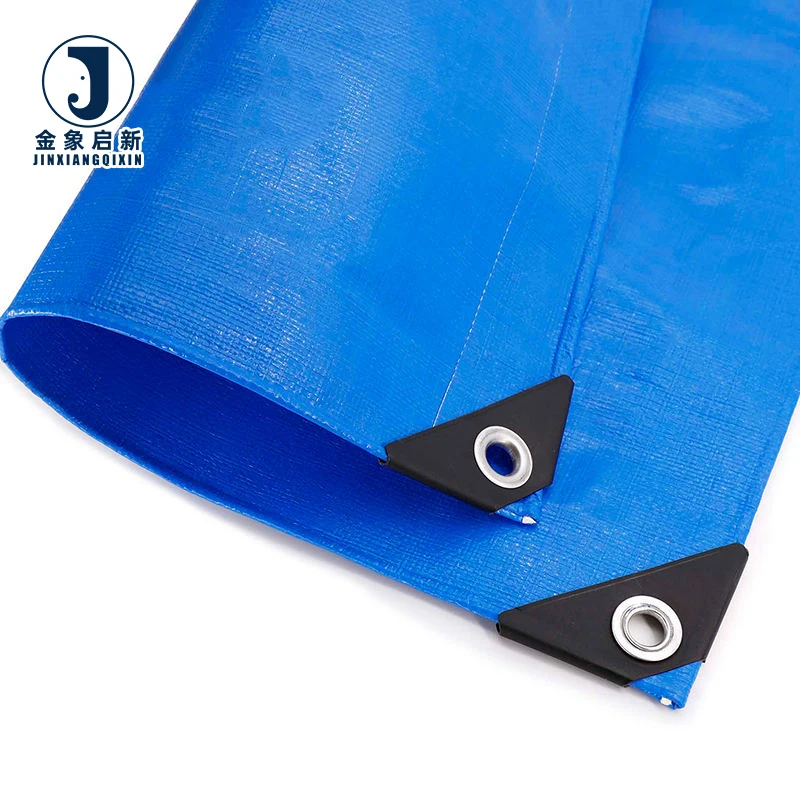
| Finished Tarpaulin Edge | PP rope reinforced hem on all four sides |
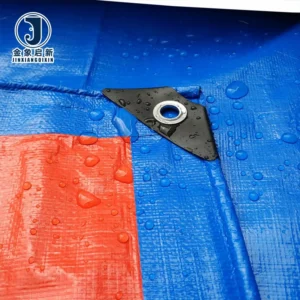
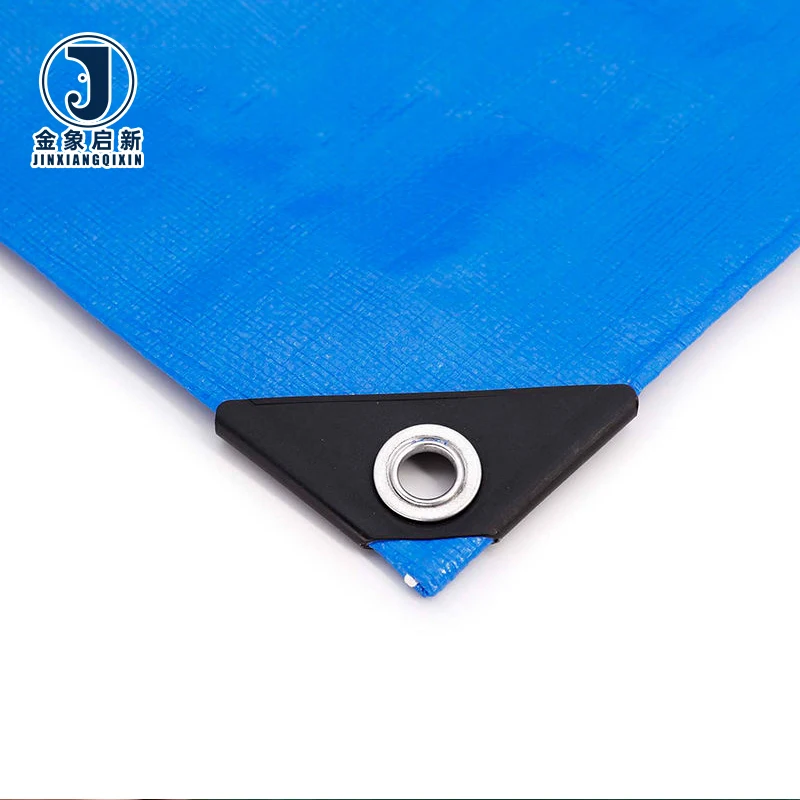
| Eyelets | Galvanized, every 3 ft or 1 m interval |
| Corner Reinforcement | Reinforced plastic corners |
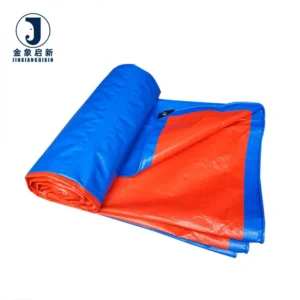
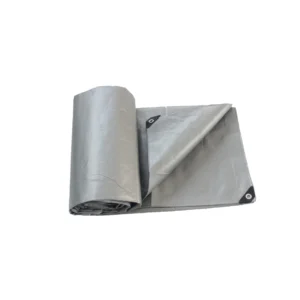
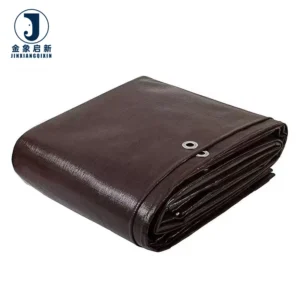
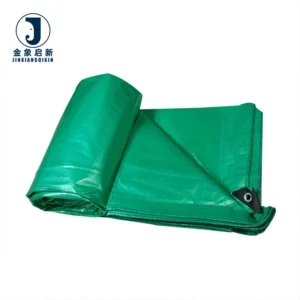
| Available Colors | Blue, Blue/Orange, Green, Grey, Black, Clear, Grey/Green, Orange, or custom |
| Key Features | Waterproof, mildew proof, anti-aging, washable, tear resistant; UV treatment available (test basis not stated) |
Application Suitability
| Application | Exposure & Requirement |
|---|---|
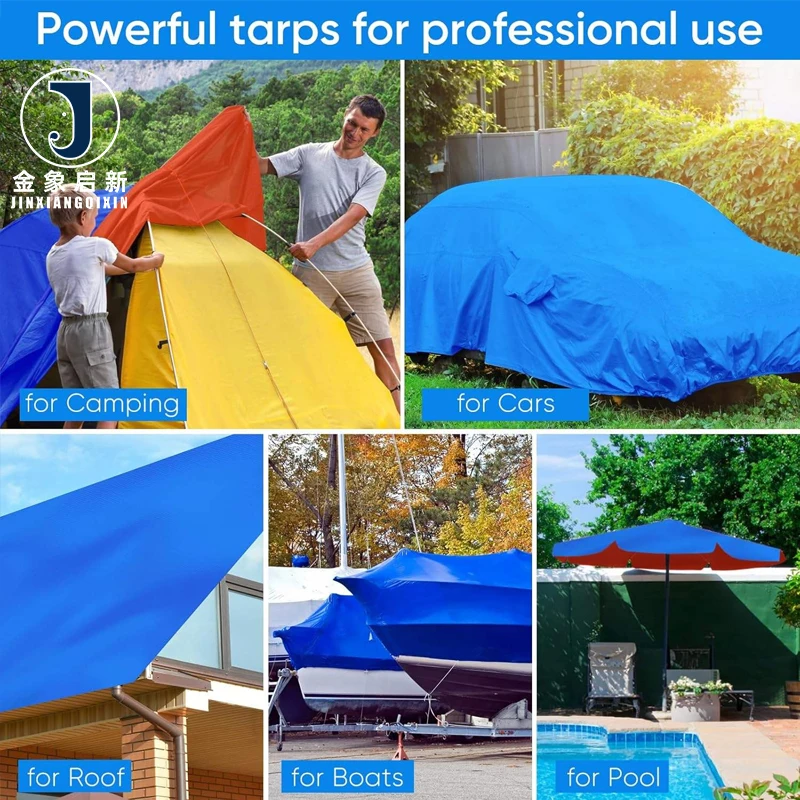
| Agricultural covering | Prolonged sun exposure, rain ingress risk, moderate wind uplift, lightweight grades preferred for ease of handling |
| Truck and transport covering | Road vibration, flexing at load points, weather exposure, heavier grades needed for long-haul durability |
| Warehouse and stockpile coverage | Continuous outdoor storage, water pooling on flat surfaces, UV exposure, medium to heavy-duty grades typical |
| Construction site covering | Dust containment, debris protection, foot traffic abrasion, temporary weather enclosure |
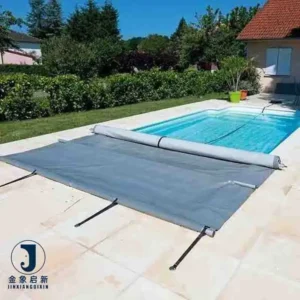
| Pond and reservoir lining | Permanent water contact, soil chemistry exposure, puncture risk from substrate, UV at exposed edges |
Why Stated GSM Often Fails at the Dock — and How PE Tarpaulin Roll Wholesale Orders Stay Protected
We verify weight roll-by-roll at pre-shipment inspection, not just on the quotation sheet.
Buyers of bulk PE tarpaulin repeatedly face the same problem: the roll arrives and feels lighter than expected. When tested, the actual GSM falls below what the supplier quoted, meaning the material is thinner, weaker, and shorter-lived than specified. Across container loads, even small per-roll shortfalls accumulate into significant coverage gaps or premature field failures. [NEED_CITE:] Roll-stock purchasing decisions depend on consistent material density, and any deviation undermines the economics of buying by the container.
Roll Widths and Lengths Stocked for Container-Load Dispatch
We stock PE tarpaulin in standard widths of 2 m, 4 m, and 6 m, with imperial equivalents at 6 ft, 8 ft, 10 ft, and 12 ft. Standard roll lengths run at 100 yards or 100 meters, and custom lengths are produced on request. For wholesale buyers loading full containers, these stock dimensions allow mixed-grade orders to be planned around container weight and volume limits without waiting for non-standard production runs.
Batch Colour and Weight Consistency Across the Full Order
Colour variation between rolls in the same shipment is one of the most visible quality failures in wholesale tarpaulin distribution. Our LDPE lamination process is controlled across each production run so that all rolls within one order hold to the same colour reference. PE tarpaulin roll wholesale buyers who distribute to end users can rely on side-by-side visual consistency, whether the rolls are sold individually or fabricated into finished covers. [NEED_CITE:]
How GSM, Mesh Count, and Tensile Strength Interact in PE Tarpaulin Grades
GSM alone does not determine how a PE tarpaulin performs under load. The HDPE woven base provides structural strength, and the mesh count — 8×8 for lightweight, 10×10 for medium, 12×12 for heavy-duty — defines how many yarns per square inch carry the tensile load. A heavier GSM with a loose weave may weigh more but tear more easily than a lighter roll with tighter weaving. The LDPE lamination on both sides adds waterproofing and abrasion resistance but contributes less to tensile performance than the base fabric. Buyers specifying for high-wind or heavy-load applications should review both GSM and mesh count together rather than selecting on weight alone. The three available grades — lightweight at 80–110 g/m², medium at 120–150 g/m², and heavy-duty at 160–240 g/m² — each pair a defined weight band with a corresponding mesh density and tensile range, giving wholesale buyers clear grade separation for their product lines.
The Hidden Cost of Underspecifying Roll Stock for Your Market
Distributors who accept rolls at the lower end of a GSM range without independent verification often face warranty claims downstream. A lightweight cover specified for agricultural use may perform adequately for a season, but if the actual GSM delivered is below what the end user expected, the material degrades faster under UV exposure and requires earlier replacement. In construction applications, underspecified PE tarpaulin used for site enclosure or equipment wrapping can tear at tie-down points during the first strong wind event, exposing stock and generating liability. Colour inconsistency across a single delivery forces fabricators to sort rolls manually or risk visible mismatches on installed covers. [NEED_CITE:]
What This Supply Chain Delivers for Volume Buyers
Three full production lines and 36 sets of professional equipment support bulk roll output with reliable scheduling for container-load PE tarpaulin orders. A 10-person R&D team handles custom width, colour matching, and sample development so that new product lines can be validated before committing to volume. Every roll passes through dedicated QA/QC at each production stage, with 100% pre-shipment inspection before dispatch. The facility holds ISO and CE certification, and documentation is prepared to match each buyer’s import requirements. Roll-to-roll consistency in both weight and colour is maintained through controlled LDPE coating across the full production batch.
Documentation & Verification
- Material specification sheet confirming GSM, base fabric denier, and LDPE coating weight per roll
- Pre-shipment inspection record with roll-by-roll weight check and colour reference documented
- Certificate of origin and full customs documentation prepared for each destination market
- Test reports for UV treatment and flame-retardant grades provided where specified and applicable
- Roll packing list itemising width, length, grade, and colour for each unit in the container
Fabrication, Handling & Storage
- Hot-air welding suits LDPE lamination; set temperature to match the 0.2–0.4 mm thickness range
- Place galvanized eyelets through PP rope hem to distribute tie-down load across the reinforced edge
- Store rolls upright on pallets to prevent permanent creasing across the 2 m to 6 m roll widths
- Allow rolls to acclimatise before unrolling in cold conditions to avoid LDPE surface cracking
- Clean with mild detergent; avoid solvent-based cleaners that can degrade the LDPE lamination surface
- Plan cutting layouts to maximise yield from 100 m or 100 yard standard roll lengths
How to Scope Your Inquiry for Roll-Stock PE Tarpaulin
Provide your target GSM grade, preferred roll widths, and the colour references you need so we can confirm stock availability or lead time for custom production. If you require finished tarpaulin sizes cut from roll stock, specify the dimensions, eyelet spacing preference, and hem reinforcement details. Let us know your container-load volume and destination port so we can plan the packing list and documentation accordingly. Samples are available for approval before committing to a bulk order.
Frequently Asked Questions
Q: How do you verify GSM per roll and what documentation comes with my shipment?
A: Every roll is weighed and measured during 100% pre-shipment inspection, and the results are recorded against the material specification sheet that accompanied your order. You receive a documented inspection record, a roll packing list itemising width, length, grade, and colour for each unit, plus certificate of origin and customs paperwork matched to your destination market.
Q: Can I mix different GSM grades and colours in one container load?
A: Yes. Our production lines handle lightweight (80–110 g/m²), medium (120–150 g/m²), and heavy-duty (160–240 g/m²) grades across the full colour range. Mixed-grade container loads are planned around roll count and total weight to maximise your container utilisation. We provide a detailed packing list separating each grade and colour for your warehouse receiving.
Q: How do you control batch-to-batch colour consistency across rolls in the same order?
A: Colour consistency is managed through controlled LDPE lamination across the entire production run for your order. All rolls within one batch are produced against the same colour reference, and the pre-shipment inspection includes a visual check for roll-to-roll variation. [NEED_CITE:] If you are reordering a previous colour, we match against the original reference rather than relying on screen or print samples alone.
Q: What roll widths and lengths are stocked versus made to order, and what are the minimums?
A: Standard stock widths are 2 m, 4 m, and 6 m, with imperial equivalents at 6 ft through 12 ft. Roll lengths of 100 yards and 100 meters are standard, with custom lengths produced on request. Minimum order quantities depend on whether you are ordering stock grades or custom colours and widths; we confirm the minimum and lead time at the quotation stage based on your specific combination.
Q: What eyelet spacing and hem reinforcement options are available for finished tarps cut from roll stock?
A: Finished tarpaulins are hemmed on all four edges with PP rope reinforcement, and galvanized eyelets are installed at 3 ft or 1 m intervals as specified. Reinforced plastic corners are standard. Custom eyelet spacing and additional reinforcement at high-stress points are available upon request. Provide your required dimensions and tie-down configuration so we can confirm the reinforcement specification.