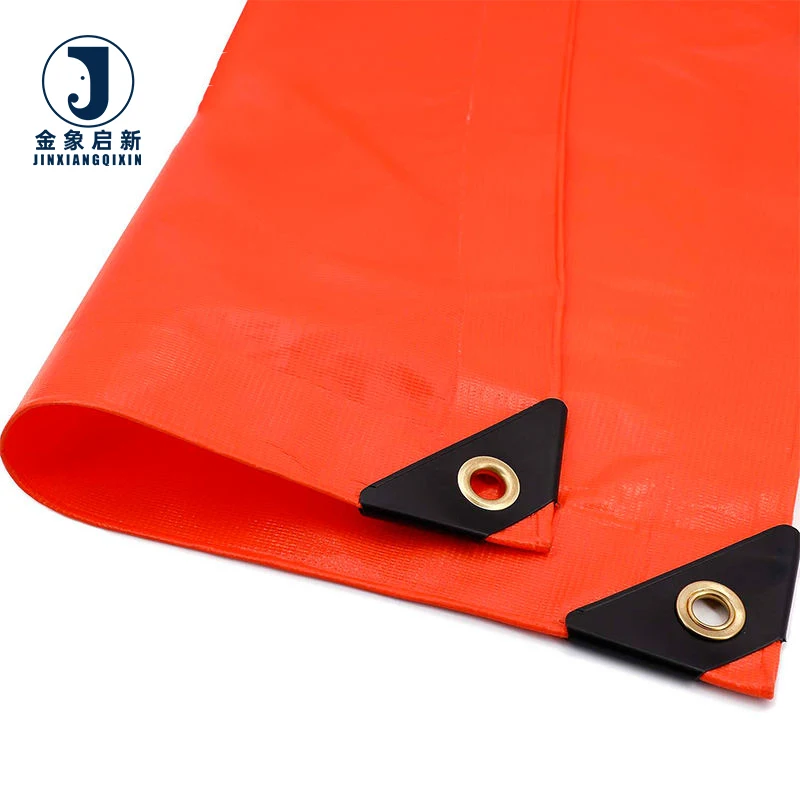
Description
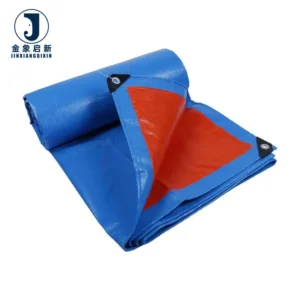
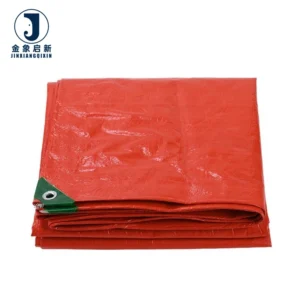
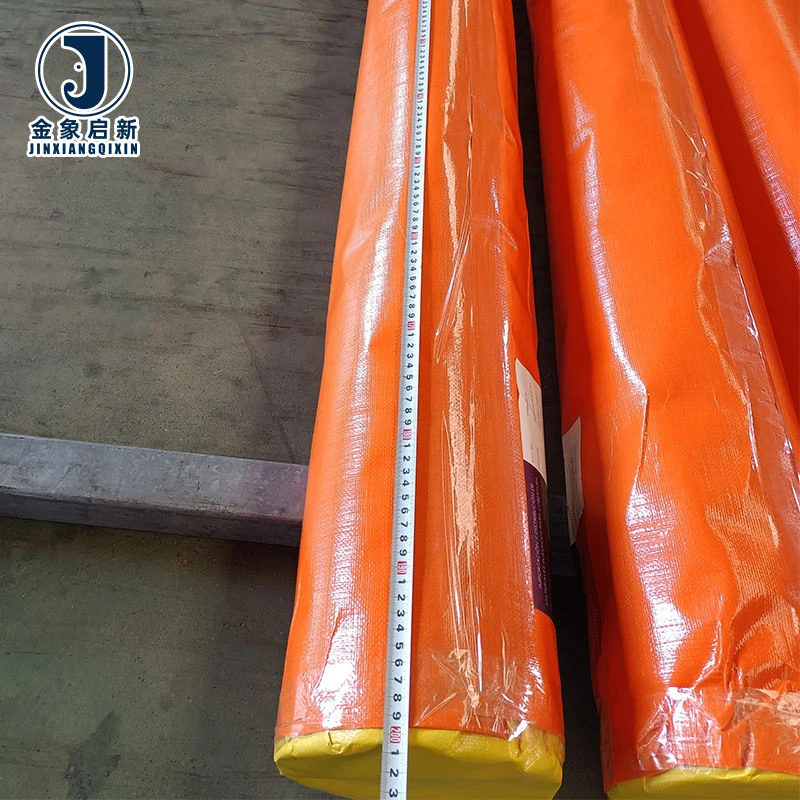
Bulk Roll Consistency — Every PE Tarpaulin roll leaving the facility is weighed and cross-referenced against the purchase order GSM, with inspection records documenting variance before container loading begins.
Technical Specifications
| Parameter | Value |
|---|---|
| Product Type | PE Tarpaulin |
| Material | Polyethylene (PE) |
| Weight Range | 40g~500g/m² |
| Thickness Range | 0.18-0.35 mm |
| Mesh Count Range | 5×5 ~ 20×20 |
| Eyelet Spacing (Center to Center) | 39.4 Inches |
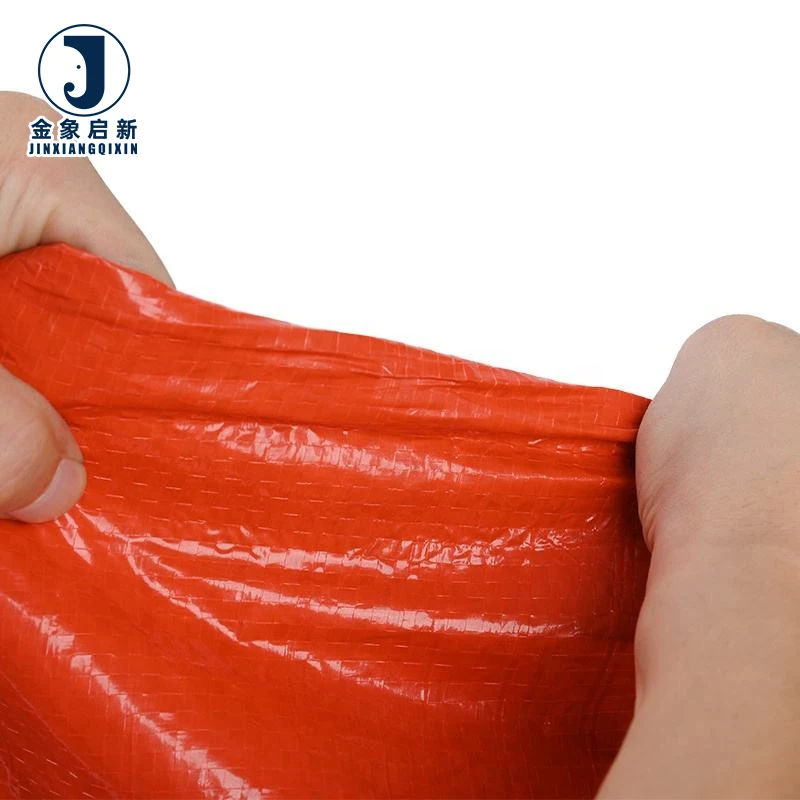
| Water Resistance | Double waterproof surfaces |
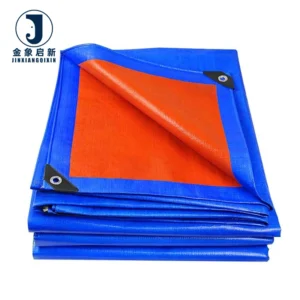
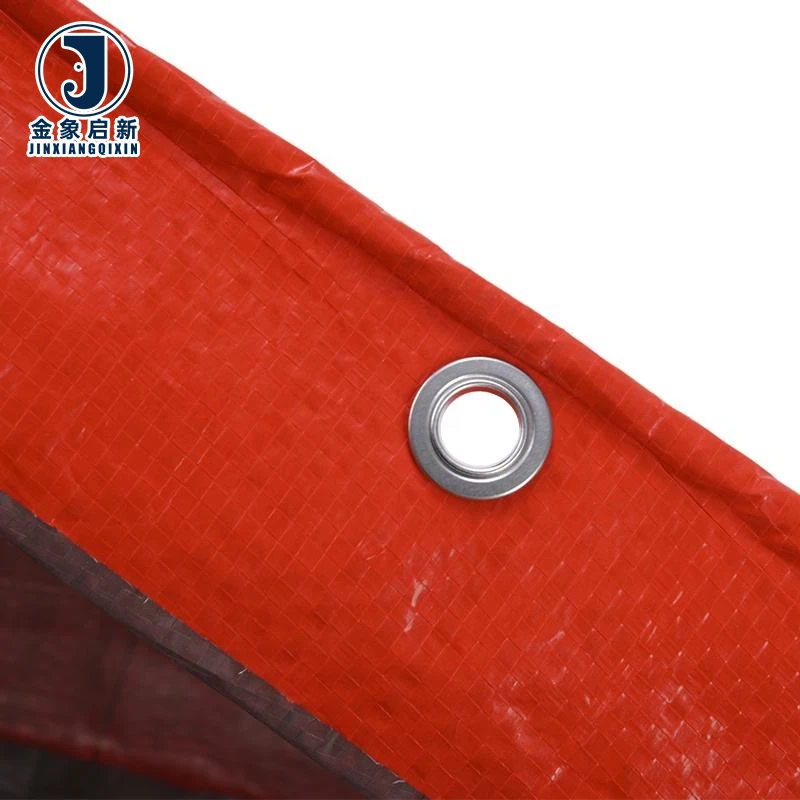
| Reinforcement | Reinforced corners |
| UV Treatment | Available (test basis not stated) |
| Anti-Mildew | Mildew proof and anti-aging (test basis not stated) |
| Size | Custom |
| Color | Custom |
| Printing | Custom branding available |
| Standards | ISO 14001, ISO 45001, CE |
Application Suitability
| Application | Exposure & Requirement |
|---|---|
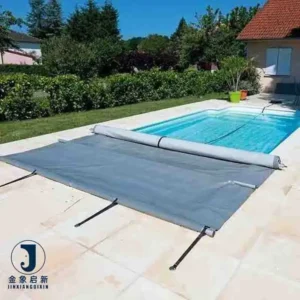
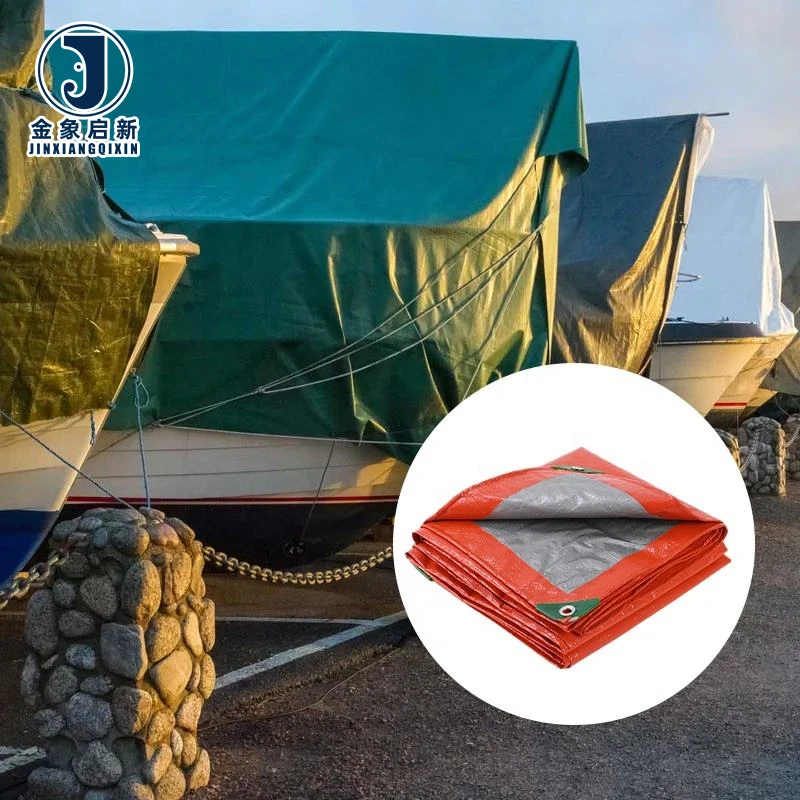
| Truck and trailer side curtains | Continuous road abrasion, flexing at load shift points, weather and UV exposure |
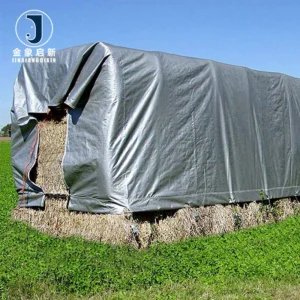
| Agricultural stock and crop covers | Prolonged sunlight, moisture ingress, wind uplift stress on eyelets |
| Warehouse and industrial protective sheeting | Dust containment, pallet stacking load, puncture from sharp edges |
| Pond and reservoir liners | Permanent water contact, soil chemistry, ground puncture risk |
Why Quoted GSM Often Fails the Warehouse Rack Test
Weight on the label means nothing if the roll in the container does not match.
Distributors open containers and cut sample swatches from the middle of the roll, only to find the PE Tarpaulin wholesale stock is lighter than what was paid for. The coating is thinner at the edges, the knitting density drops, and the tensile response feels different between rolls that were supposed to be identical [NEED_CITE: roll-to-roll GSM variance in coated polyethylene fabrics]. When the material is converted into truck covers or agricultural sheets, the lighter rolls tear at the eyelet line under tie-down tension while the heavier rolls perform as expected.
Maintaining GSM and Colour Across a Full Container Order
PE Tarpaulin roll stock ordered in bulk must arrive with the same weight per square metre from the first roll to the last. Three full production lines and 36 sets of equipment run dedicated batches per purchase order, so a single container load is drawn from one production run rather than mixed from leftover partial batches. This approach prevents the visible colour shift that appears when two rolls of green or silver PE tarpaulin are unrolled side by side on a fabrication table.
Roll-to-Roll Inspection Before Dispatch
Each roll passes through a weight check and a visual surface inspection before it is tagged and packed. The pre-shipment inspection record captures the actual GSM reading, the colour batch reference, and the roll dimensions. For wholesale buyers loading mixed container orders — some rolls of lightweight 80-110 g/m² for agricultural use, others of heavy-duty 160-240 g/m² for transport covers — the packing list separates every grade, width and length so that customs clearance and warehouse sorting proceed without manual rechecking [NEED_CITE: pre-shipment inspection protocols for coated fabric rolls].
Reading GSM, Mesh Count and Thickness Together
A 150 g/m² PE tarpaulin with a 10×10 mesh behaves differently from a 150 g/m² sheet built on a 14×14 weave. The knitting density determines how the load distributes across the warp and weft yarns when the fabric is pulled at an eyelet or flexed over a truck load. Thickness at 0.22-0.28 mm in the medium range signals adequate coating penetration into the base fabric, which supports weld strength when rolls are fabricated into finished covers. Lightweight grades at 0.18-0.22 mm with 8×8 knitting suit short-term agricultural covers where drape and handling weight matter more than long-term tear propagation resistance.
The Hidden Cost of Specifying on Weight Alone
A buyer who selects a PE tarpaulin roll purely on the lowest quoted GSM per container often discovers the problem after fabrication. The material tears along the hem line under wind load because the base fabric denier was reduced to hit the target weight [NEED_CITE: base fabric denier and tear propagation in polyethylene woven fabrics]. Reinforced corners help only if the surrounding mesh can transfer the load; a sparse 5×5 weave at low weight will simply pull apart around the reinforcement patch.
Supply Discipline for PE Tarpaulin Wholesale Orders
Near three decades of coating production experience means the process controls are specific to polyethylene fabric behaviour. Custom widths and colours are produced on the same lines as stock grades, so lead times for non-standard specifications are measured against actual machine scheduling rather than outsourced coating calendars. The 10-person R&D team develops samples within days when a distributor needs a colour match for a regional brand. Every roll ships with its own weight ticket, not just a batch average printed on the label.
Documentation & Verification
- GSM verification ticket per roll matched against purchase order specification
- Roll packing list detailing count, net and gross weight by grade for container loading
- UV treatment test report supplied with applicable roll grades on request
- Material specification sheet stating base fabric mesh, coating type and weight
- Certificate of origin and customs documentation for multi-country import clearance
- Pre-shipment inspection record confirming colour batch and dimensional consistency
Fabrication, Handling & Storage
- Heat weld at temperatures suited to the 0.18-0.35 mm thickness range to avoid coating burn-through
- Reinforce eyelet zones beyond the standard 39.4-inch spacing where tie-down loads concentrate
- Store rolls vertically on end caps to prevent flat-spot creasing on the PE coating surface
- Unroll in temperatures above freezing to avoid stiff coating crack at the fold line
- Specify custom width rolls to minimise off-cuts and reduce seam count on large covers
What to Include in Your Next Enquiry
Provide the target application — whether rolls will be converted into truck covers, sold as agricultural sheeting, or redistributed as cut sizes to end users — along with the required GSM range and colour reference. State whether UV treatment documentation is needed for your market’s compliance requirements, and indicate the container volume you are planning so that roll widths and lengths can be configured for efficient loading.
Frequently Asked Questions
Q: How is roll weight verified before my container is loaded?
A: Every PE Tarpaulin roll is individually weighed and the reading is recorded on the pre-shipment inspection sheet. The dispatch team cross-references each roll against the GSM stated on your purchase order, and the inspection record accompanies the shipment so you can confirm the same figures on arrival at your warehouse.
Q: Can I expect consistent colour across all rolls in a wholesale order?
A: Full container orders are scheduled as single production runs so that all rolls draw from the same coating batch. The packing list tags each roll with its colour batch reference, preventing the visible shade variation that occurs when mixed leftover rolls are shipped together in the same container.
Q: What lead times apply to custom width or colour rolls?
A: Custom specifications run on the same three production lines as stock grades. Lead times depend on the width and GSM grade requested, with sample development handled by the in-house team within days of specification confirmation before bulk production is scheduled.
Q: Which roll grades are available for immediate container loading?
A: Lightweight, medium and heavy-duty PE Tarpaulin roll stock in standard widths is produced on a rolling schedule. Confirm the specific GSM, mesh count and colour you require so the dispatch team can match available inventory or schedule your order into the next available production window.