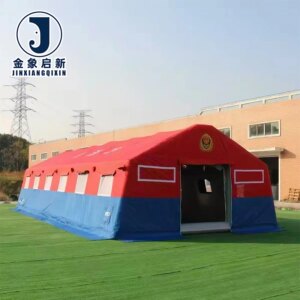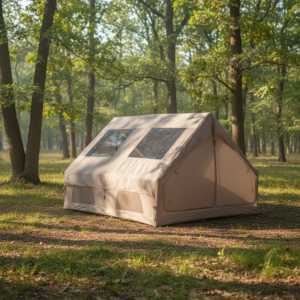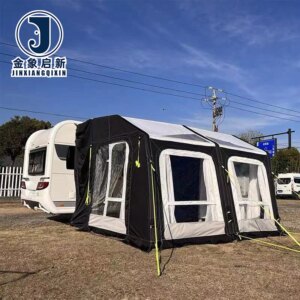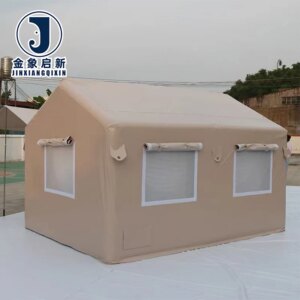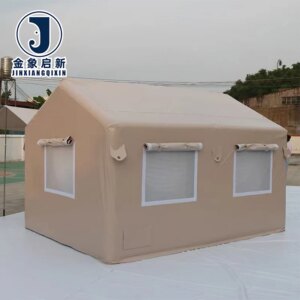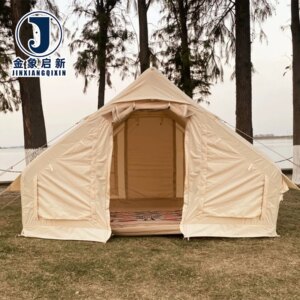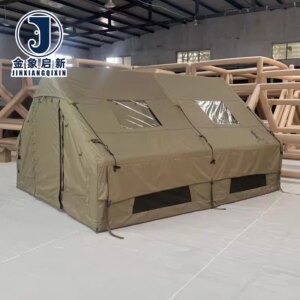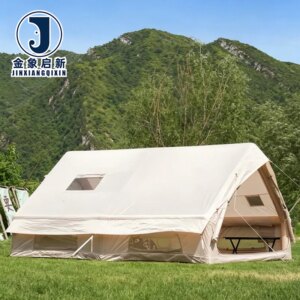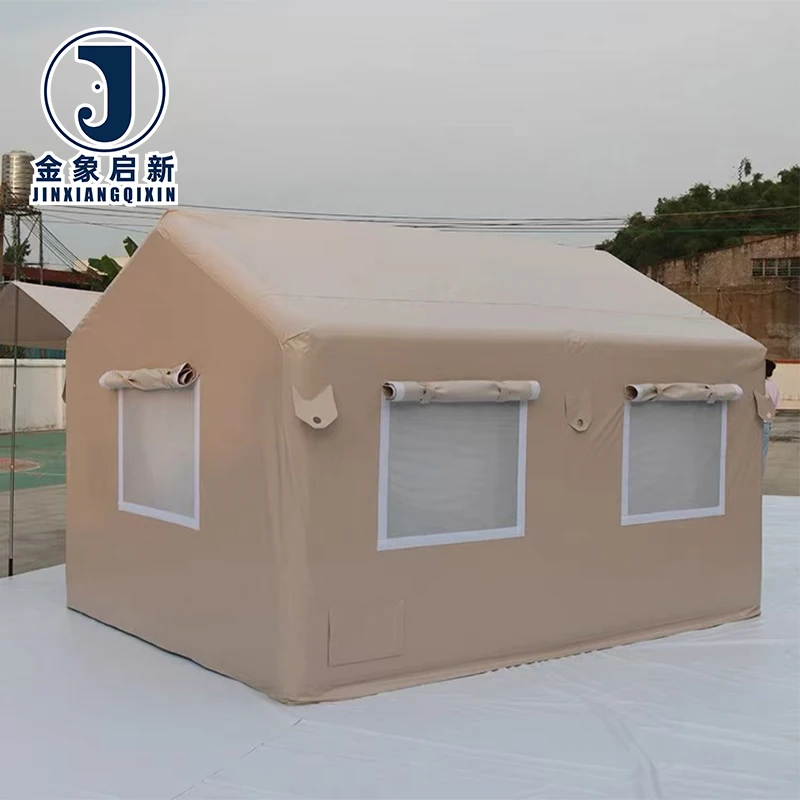
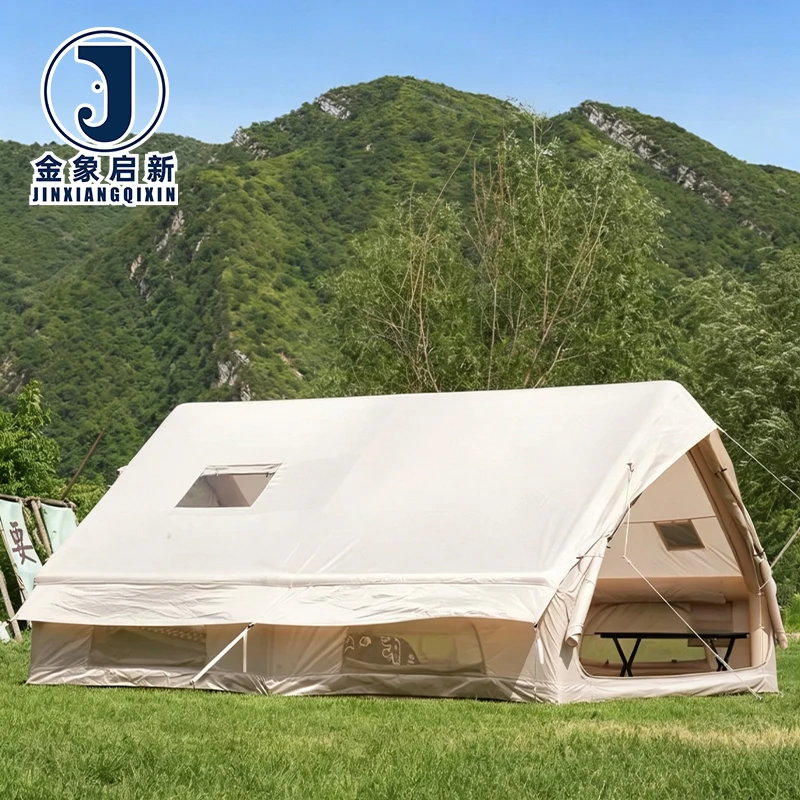
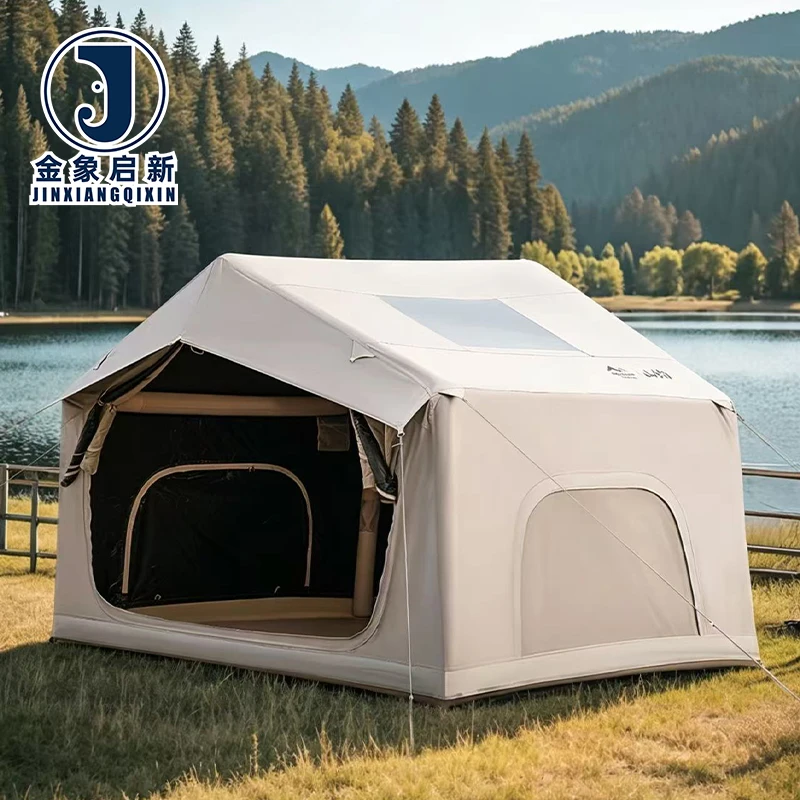
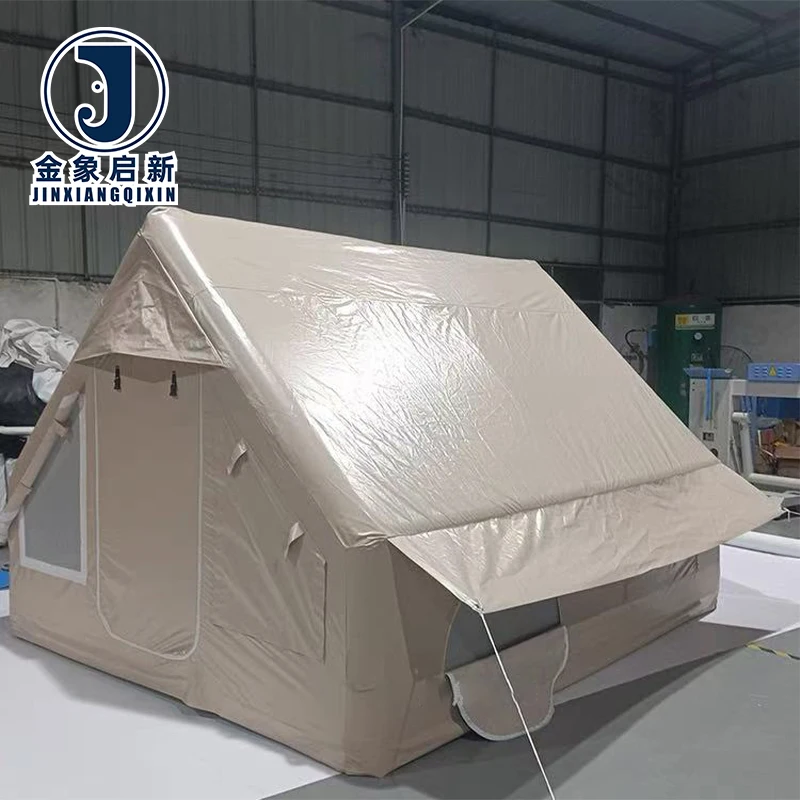
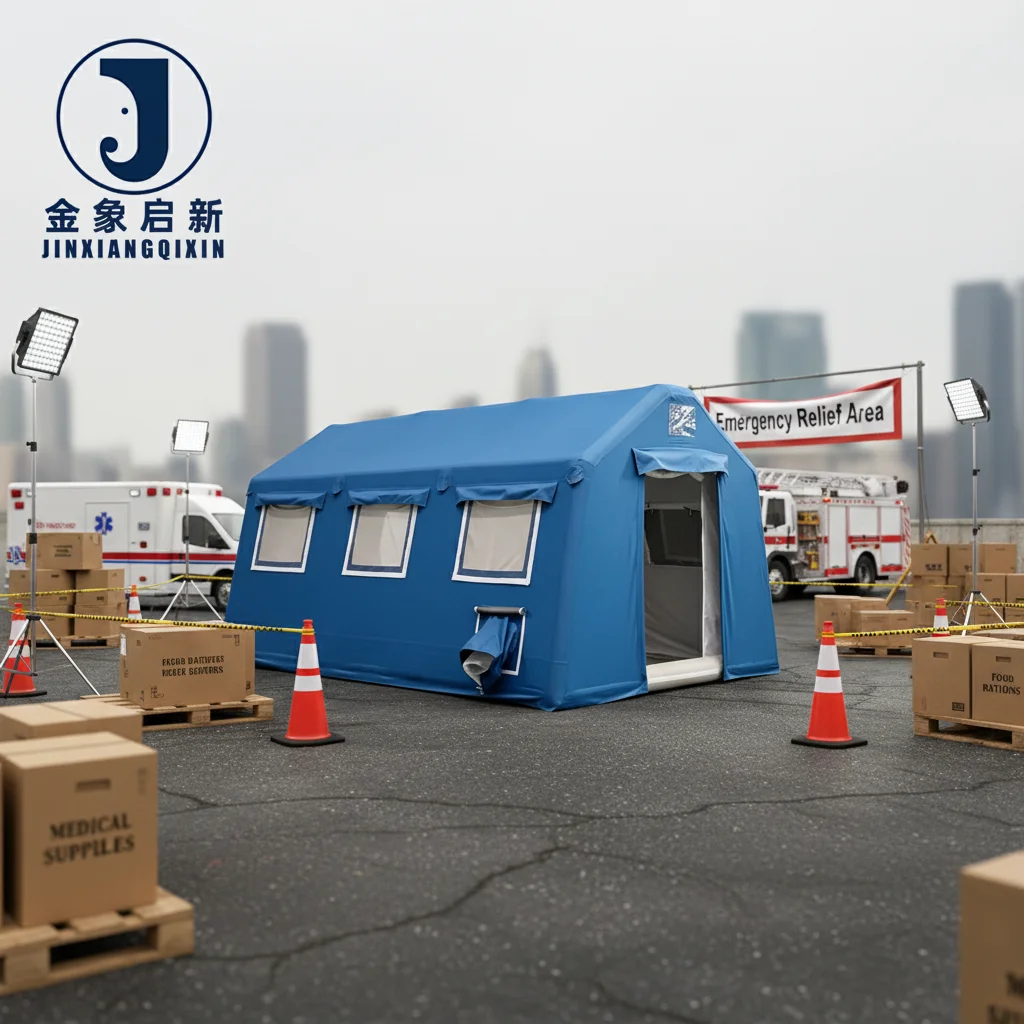
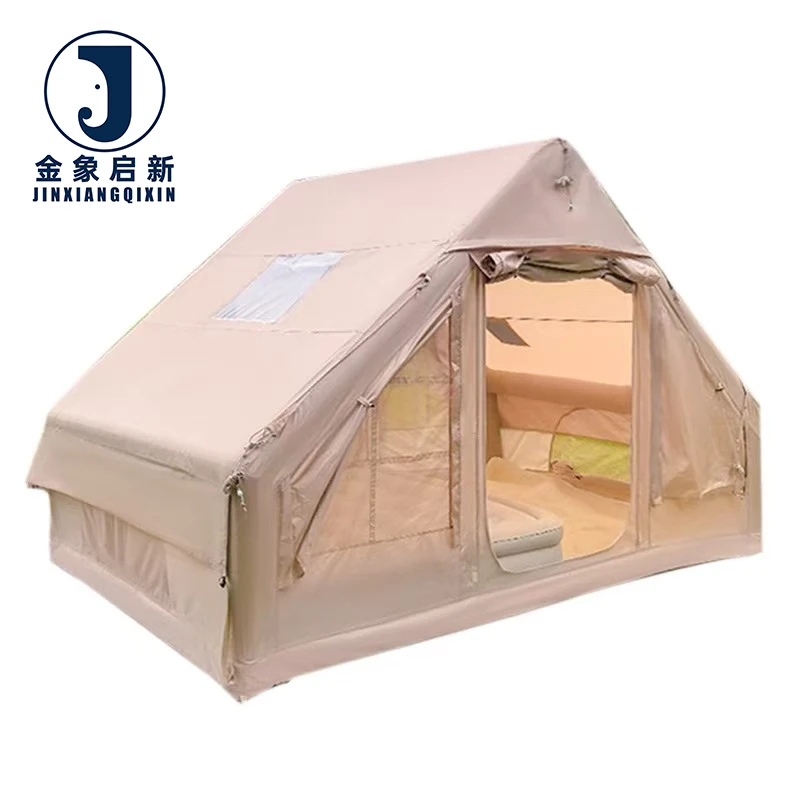
Description
Roll-to-Roll Consistency — Every batch of PVC inflatable tent fabric undergoes full-process quality inspection to eliminate colour and weight variation between rolls in the same shipment.
Technical Specifications
| Parameter | Value |
|---|---|
| Product Type | Inflatable Tent |
| Core Material | PVC tarpaulin |
| Key Performance | Waterproof, tear-resistant |
| UV Resistance | Available with anti-UV treatment — confirm test basis for your market |
| Fire Retardancy | Available in flame retardant grades — confirm the grade required for your market |
| Anti-Static | Available with anti-static treatment — confirm standard for your application |
| Capacity | 3–4 Person |
| Operation | Quick automatic opening |
| Season Rating | Four-season |
| Customization | OEM & ODM, sample customization, pattern printing |
| Certifications | ISO 9001, ISO 14001, ISO 45001, CE |
Application Suitability
| Application | Exposure & Requirement |
|---|---|
| Commercial camping gear production | Repeated inflation cycles, outdoor weather exposure, consumer safety expectations |
| Inflatable and membrane structure manufacturing | Continuous air pressure load, seam integrity under flex, UV exposure on site |
| Industrial shelter and mobile workspace deployment | Wind loading, temperature fluctuation, fire safety compliance on work sites |
| Temporary event and exhibition structures | Rapid setup and teardown, public safety standards, visual consistency across panels |
Why Batch Colour Variation Destroys Inflatable Tent Production Runs
When rolls within one order show visible shade differences after panels are welded side by side, the entire production batch faces rejection — a problem that Inflatable Tent Fabric wholesale buyers encounter far more often than suppliers acknowledge.
Colour drift between rolls is rarely caught at the coating stage because it only becomes visible once the fabric is cut, welded, and installed next to adjacent panels. For inflatable tent manufacturers running continuous product lines, a single inconsistent roll can force a full re-cut of matched panel sets, wasting both material and production time [NEED_CITE: colour measurement methods for coated fabrics per ISO 105 series]. Our QA process addresses this by verifying shade consistency at the coating line before rolls are wound and packed, not after the fact at the warehouse.
How Roll Consistency Affects Tent Panel Yield
Inflatable tent structures demand multiple panels welded from the same batch to maintain uniform appearance and structural behaviour under air pressure. When PVC inflatable tent fabric arrives with even slight GSM variation between rolls, panels cut to the same pattern can inflate unevenly, creating stress concentrations at the weld lines. Buyers sourcing by the roll for production lines need assurance that every roll in a container matches the specification sheet — not just in average weight, but roll by roll.
Welding Performance Across the Roll Batch
Consistent coating weight and adhesion are critical for high-frequency or hot-air welding, the standard joining methods for inflatable tent seams. If one roll carries a lighter coating than the next, weld parameters that work on the first panel may burn through or under-bond on the second [NEED_CITE: hot-air welding parameters for PVC coated fabrics]. Our production lines maintain coating weight within controlled tolerances so that fabricators can set weld parameters once and run the entire batch without stopping to re-calibrate.
Reading the Specification Sheet Beyond GSM
The GSM figure on a quotation tells you the total weight per square metre, but it does not distinguish between base fabric density and coating mass. Two PVC tarpaulin rolls can carry the same GSM yet behave completely differently under inflation pressure if one uses a heavier coating over a lighter base fabric. For inflatable tent applications, the base fabric denier and weave pattern determine tear propagation resistance, while the coating thickness governs air-holding capability and weldability. Understanding this split is essential when comparing material offers for inflatable tent production [NEED_CITE: tensile and tear test methods for coated fabrics per ISO 1421].
Specification Decisions That Lead to Field Failures
Choosing PVC inflatable tent fabric on price per kilogram alone often means accepting a lighter base fabric hidden under a thicker coating. This combination produces a roll that meets the quoted GSM but tears easily at stress points once the tent is inflated and exposed to wind gusts. Fire-retardant treatment specified without confirming the test standard means the tent may pass one market’s compliance check but fail another’s entirely. Welds failing before the fabric itself is a recurring complaint — typically caused by coating adhesion that was never matched to the weld method the fabricator uses.
What Our Production Setup Delivers for Inflatable Tent Buyers
Three full production lines and 36 sets of professional processing equipment support volume roll output without sacrificing batch-to-batch uniformity. A dedicated 10-person R&D team develops samples with your exact pattern printing and sizing requirements before bulk production begins. QA and QC staff are present at every production stage, not just at final inspection, which catches coating weight deviations and surface defects before the roll reaches the winding station. Pre-shipment inspection covers every roll against the order specification, and ISO 9001, ISO 14001, ISO 45001, and CE certifications back the management system behind it.
Documentation & Verification
- Material specification sheet listing GSM, base fabric denier, and coating weight per roll batch
- Test report for UV and flame-retardant grades tied to order number where applicable
- Pre-shipment inspection record confirming shade and weight consistency across all rolls
- Roll packing list with individual roll IDs for container loading verification
- Certificate of origin and customs documentation for international shipment
Fabrication, Handling & Storage
- Set hot-air weld temperature based on the specific PVC coating weight stated on your material spec sheet
- Allow welded seams to cool fully before folding to prevent adhesion failure at inflation stress points
- Store rolls upright on pallets to avoid flat-spot deformation that affects panel cutting accuracy
- Keep PVC inflatable tent fabric away from direct sunlight during storage to preserve UV treatment integrity
- Use PVC-compatible cleaners on finished tents to avoid solvent attack on the coating surface
Starting Your Inflatable Tent Fabric Inquiry
Provide the target market for your inflatable tents so we can confirm the correct fire-retardant grade and any regional compliance requirements. Specify the roll width and annual volume you need, along with any pattern printing or colour matching targets for your product line. Let us know whether you require sample rolls for weld parameter testing before committing to a full production batch.
Frequently Asked Questions
Q: How do you verify GSM on each roll before shipment?
A: Every roll is weighed and measured against the material specification sheet during our pre-shipment inspection. We record actual GSM per roll and flag any deviation from the agreed tolerance. Buyers receive the inspection record with their shipment documentation so they can cross-check on arrival without needing independent lab testing for basic weight verification.
Q: How do you control colour consistency across multiple rolls in one order?
A: Shade verification is performed at the coating line before winding, not after. We compare each roll against the approved colour reference under standardised lighting and pull any roll that falls outside tolerance. This prevents the situation where colour variation only becomes visible after panels are cut and welded side by side on the production floor.
Q: What fire-retardant grades are available for inflatable tent fabric?
A: Flame-retardant treatment is available in multiple grades to match different destination market requirements. The specific grade must be confirmed at the inquiry stage because testing standards vary by region. We provide test reports tied to your order number so compliance documentation is ready for your market’s inspection authorities.
Q: Can you supply custom widths and what are the minimums for roll stock?
A: Custom widths are produced on our coating lines to match your cutting pattern and reduce material waste. Minimum order quantities depend on the specific width, colour, and treatment combination. We develop a sample roll first so you can validate the material on your welding equipment before we run the full batch.
Q: How are rolls packed for container loading?
A: Each roll is individually wrapped and identified on the packing list with its roll number, length, and net weight. Rolls are loaded to maximise container space while preventing crushing or surface damage during transit. The packing list allows you to verify roll count and condition immediately on container opening.