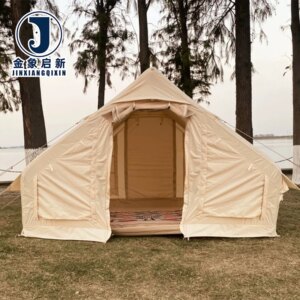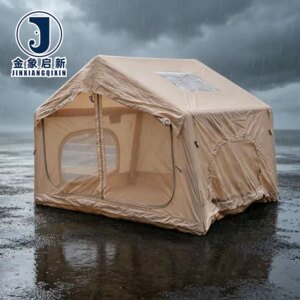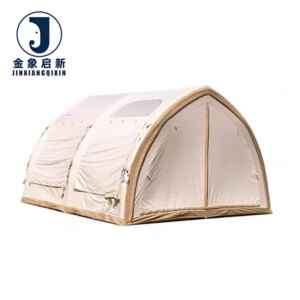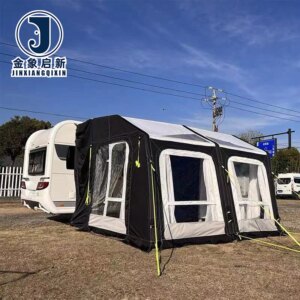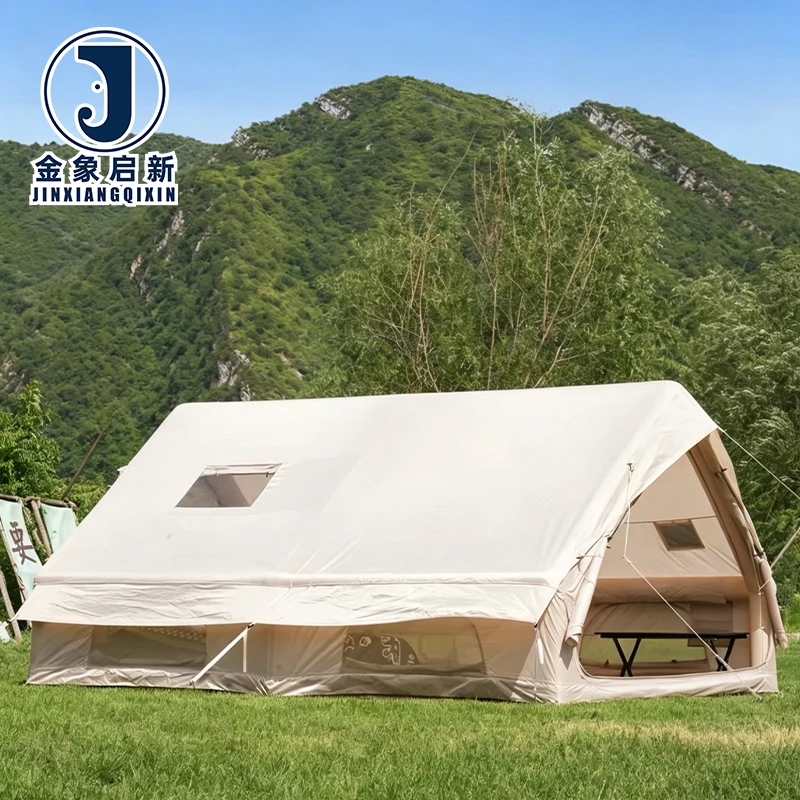
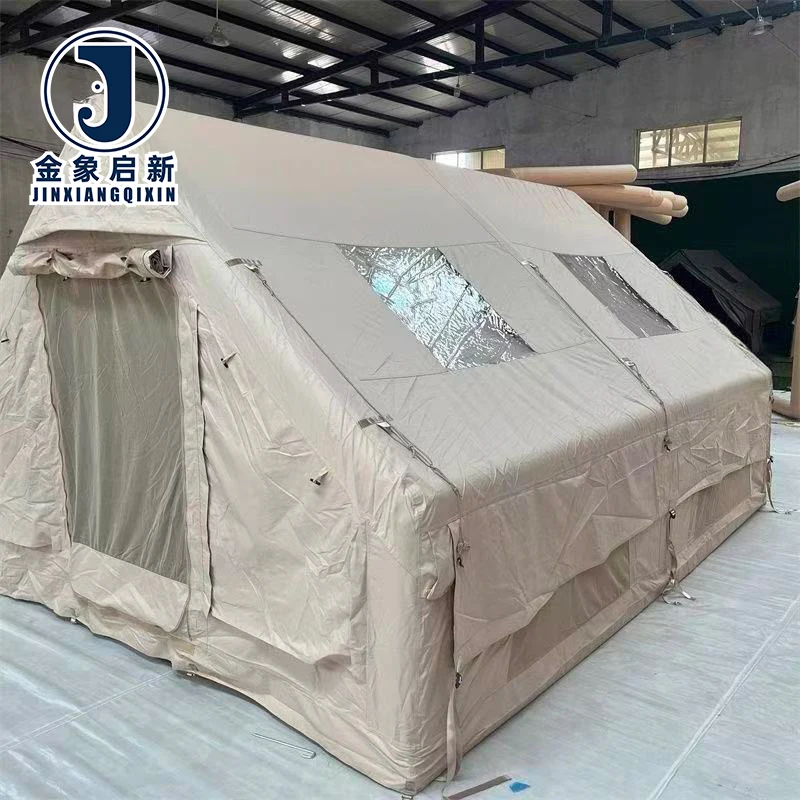
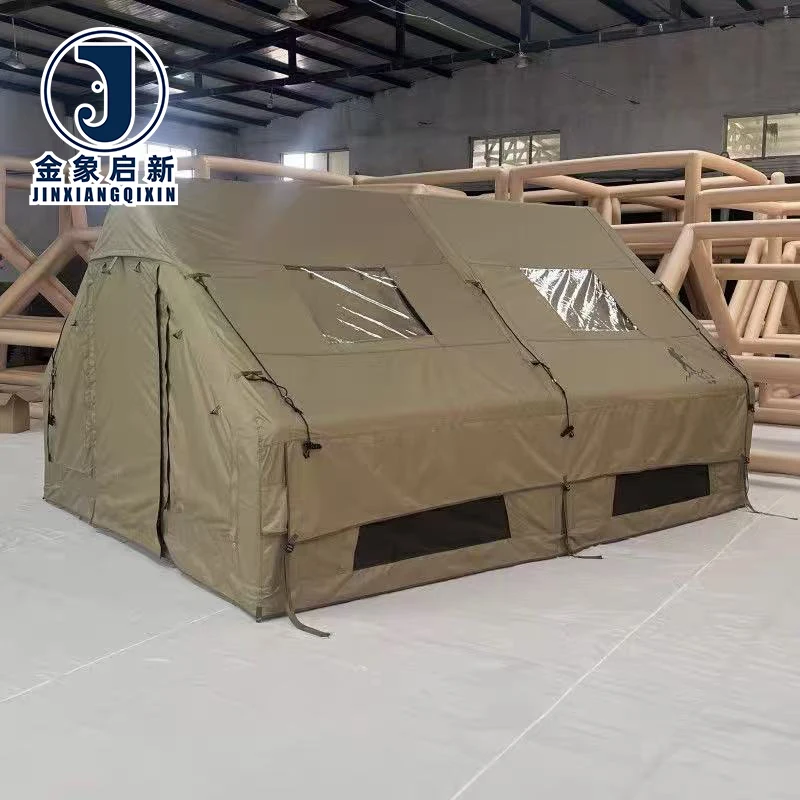
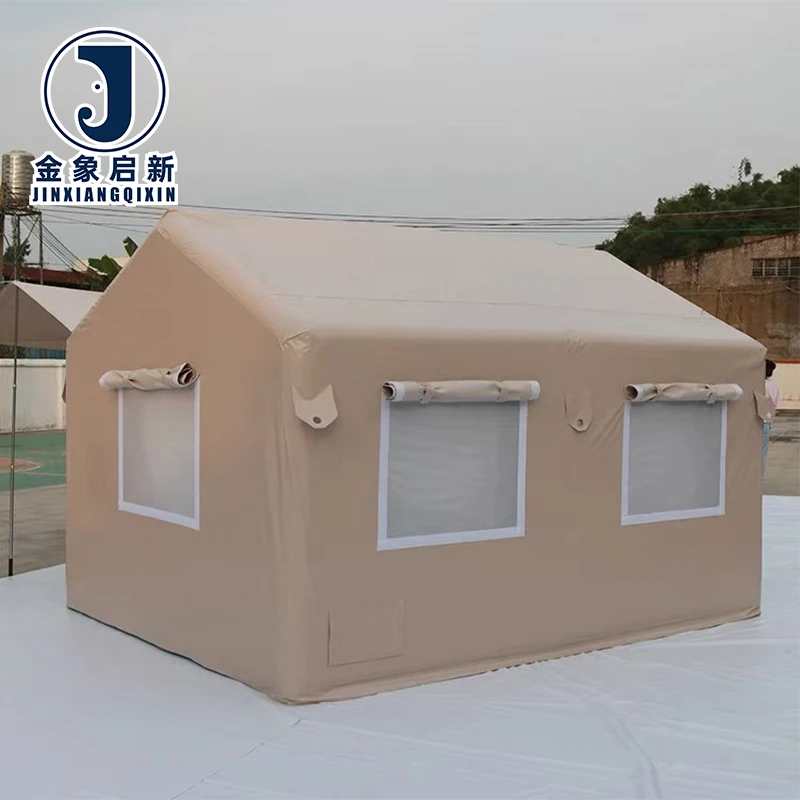
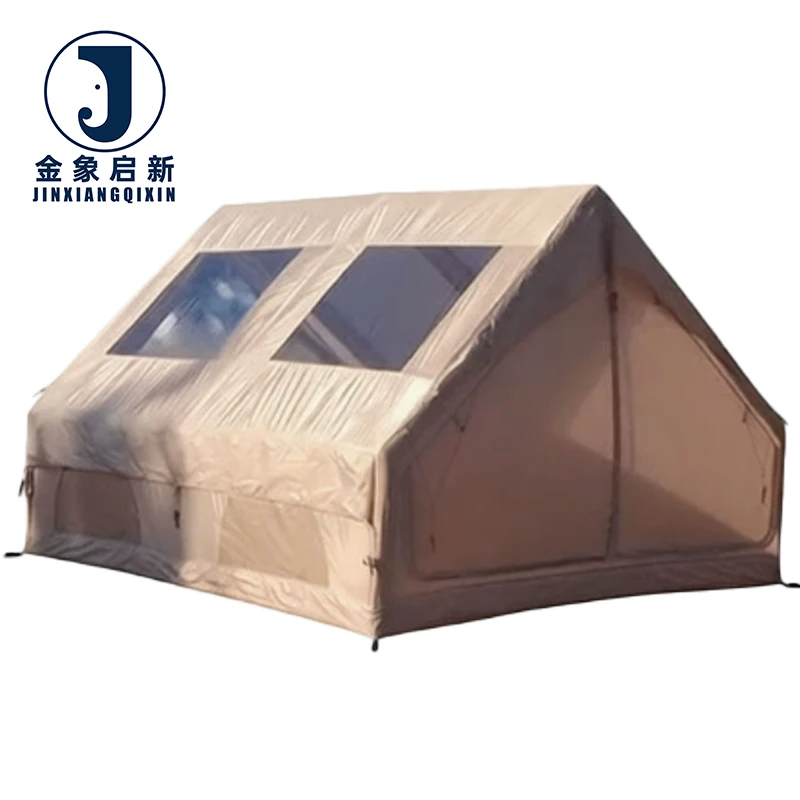
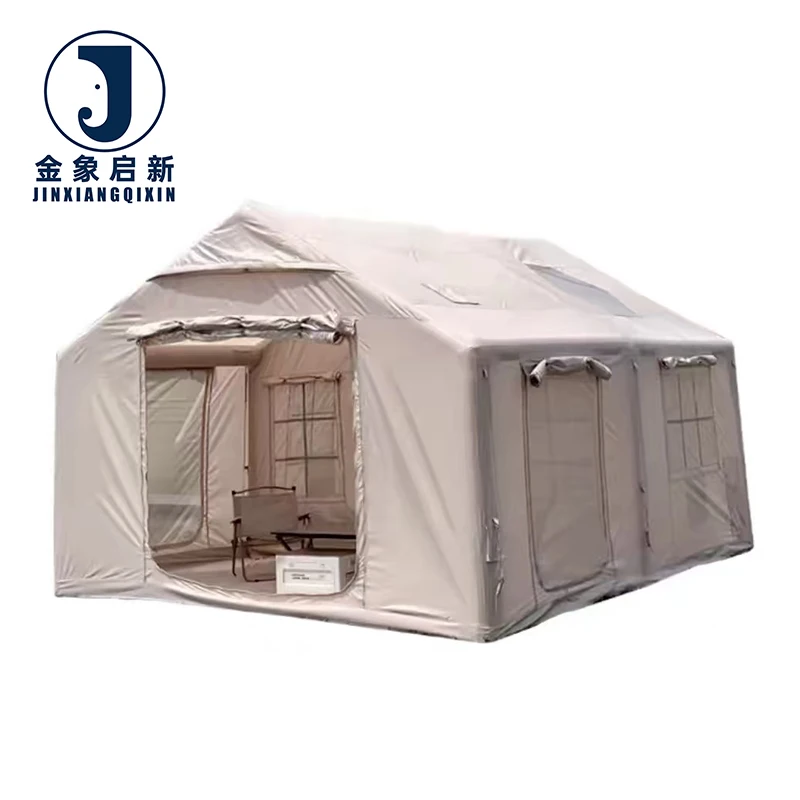
Description
Roll-to-Roll Consistency — Full-process QA inspection on every roll ensures uniform weight, color, and coating adhesion across your entire inflatable tent fabric container load.
Technical Specifications
| Parameter | Value |
|---|---|
| Product Type | Inflatable Tent Fabric |
| Core Material | PVC tarpaulin |
| Waterproof | Yes (grade not stated in source) |
| UV-resistant | Yes (test basis not stated in source) |
| Tear-resistant | Yes (test basis not stated in source) |
| Flame Retardant | Yes (grade not stated in source) |
| Anti-Static | Yes (surface resistance or standard not stated in source) |
| Customization | OEM & ODM, sample customization, pattern printing |
| Quality Control | Dedicated QA & QC staff, 100% pre-shipment inspection |
| Standards | ISO9001, ISO14001, ISO45001, CE |
Application Suitability
| Application | Exposure & Requirement |
|---|---|
| Tent and inflatable structure manufacturers | Roll stock for production lines requiring batch-to-batch color and weight uniformity |
| Commercial event equipment suppliers | Temporary pavilions and exhibition shelters exposed to sun, rain, and repeated setup cycles |
| Industrial accommodation contractors | Site worker housing demanding fire-retardant and anti-static fabric with weather resistance |
What "Flame Retardant" Means Without a Grade Behind It
A flame retardant claim is only as reliable as the test standard behind it.
Commercial tent fabric buyers frequently discover after delivery that the PVC inflatable tent aftermarket supplier quoted material as "flame retardant" without specifying which classification — DIN 4102, NFPA 701, or a regional building code grade — was actually tested. Generic camping tents fail under commercial demands because they lack fire-retardant certification and batch consistency. The consequence is not just a compliance gap but a potential rejection at the site inspection stage, forcing emergency reorders and production delays. Inflatable tent fabric wholesale / bulk procurement requires documentation that names the exact standard, not a blanket assurance. [NEED_CITE: DIN 4102 fire classification for building materials]
Batch Uniformity Across Container-Volume Orders
When tent manufacturers source Inflatable Tent Fabric wholesale / bulk quantities, the most disruptive failure is not a single defective roll but a color shift visible across panels cut from adjacent rolls. Our QA protocol inspects each roll before container loading, verifying GSM, color reference, and coating adhesion against the specification sheet issued at order confirmation. This process prevents the kind of side-by-side panel mismatch that only becomes apparent during assembly on the factory floor.
Customization Without Sacrificing Consistency
OEM and ODM tent producers need fabric that accepts pattern printing and custom widths while maintaining mechanical uniformity across the production run. The inflatable tent fabric wholesale / bulk supply model supports sample development in days, allowing your cutting team to validate weld parameters and print registration before committing to full container volumes. Whether you require specific roll lengths to match your cutting table or branded print repeats for event pavilions, the base material maintains the same PVC tarpaulin construction throughout. [NEED_CITE: tensile and tear test methods for coated fabrics per ISO 1421]
Reading the Material Data Sheet Correctly
GSM alone does not determine how the fabric behaves under inflation pressure. The base fabric denier and weave density work together with coating weight to produce the tensile and tear values your engineers rely on for structural calculations. PVC tarpaulin can be coated by knife-over-roll, lamination, or calendering — each method affects peel strength, heat-weld behavior, and surface finish differently. Glossy surfaces shed dirt and accept solvent-based inks readily, while matte finishes reduce glare in exhibition environments. Fire-retardant grades must be matched to your destination market: European projects typically require DIN 4102 classifications, while North American installations may reference NFPA 701. Width and roll length directly affect cutting waste and seam count in large-format tent panels.
The Hidden Cost of Overlooking Roll-Level Inspection
Skipping pre-shipment inspection on roll stock can compound small deviations into expensive production failures. A coating weight that drifts below specification may pass visual check but fail the hydrostatic pressure test at the welded seam. Color variation within a single batch forces tent assemblers to sort rolls manually, adding labor hours and risking customer rejection of the finished structure. Anti-static treatments that are not verified against a surface resistance standard can leave inflatable structures vulnerable to dust accumulation and discharge events in industrial environments. [NEED_CITE: static discharge risks in inflatable structures per IEC 60079]
Why Tent Manufacturers Source Here
Three full production lines and 36 sets of professional equipment support bulk capacity with reliable dispatch schedules, so your production line never waits for fabric. A 10-person R&D team handles material selection, pattern printing, and sample development in-house, reducing the back-and-forth that delays custom tent projects. Dedicated QA and QC staff inspect every roll at each production stage, catching deviations before they reach the packing line. The 9,180 square meter facility consolidates coating, printing, slitting, and packing under one roof, minimizing handling damage and transit delays between subcontractors.
Documentation & Verification
- Material specification sheet stating GSM, base fabric, and coating weight for each roll batch
- Pre-shipment inspection record with roll-by-roll verification before loading
- Test reports for UV and flame retardant grades matched to your market compliance requirements
- Roll packing list with net weight and count for customs and warehouse receiving
- Certificate of origin and ISO/CE documentation for import clearance
Fabrication, Handling & Storage
- Set heat-weld temperature based on PVC tarpaulin coating method to prevent seam delamination under inflation
- Store rolls vertically on end caps to avoid flat spots that distort cutting alignment
- Allow cold-shipped rolls to reach ambient temperature before unrolling to prevent coating crack
- Use compatible PVC adhesive for field repairs on tears at inflation tube penetration points
- Match cutting table width to ordered roll width to minimize selvage waste and seam count
Planning Your Next Fabric Order
Provide your target market region so we can match flame-retardant and anti-static grades to the applicable standards. Specify whether you need roll stock only or finished cut panels with eyelets and reinforced hems. Indicate annual volume and preferred roll dimensions to align production scheduling with your assembly line throughput.
Frequently Asked Questions
Q: How is roll-to-roll colour consistency verified before shipment?
A: Each roll is checked against the confirmed color reference during pre-shipment inspection. The QA team compares adjacent rolls under standardized lighting and records results in the inspection report. Any roll falling outside the agreed tolerance is replaced before container loading, ensuring uniform appearance across your tent panel production run.
Q: What GSM grades are available for inflatable tent fabric, and how is weight verified on arrival?
A: Multiple GSM grades are available depending on your structural and durability requirements. Weight is verified per roll before dispatch, and the specification sheet accompanying your shipment lists the measured values. We recommend confirming the GSM range suited to your inflation pressure and panel span during the sampling stage.
Q: Can custom widths and roll lengths be ordered to match our cutting table specifications?
A: Yes, custom widths and roll lengths can be produced to reduce cutting waste and seam count on your production line. Provide your table dimensions and panel layout during the inquiry stage so the R&D team can recommend the most material-efficient roll configuration for your inflatable tent fabric wholesale / bulk order.
Q: What fire-retardant certifications are available for commercial tent fabric in different regional markets?
A: Fire-retardant treatments are available in grades aligned with major regional standards. Confirm the classification required by your destination market — such as DIN 4102 for Europe or NFPA 701 for North America — and the corresponding test report will be included with your shipment documentation.
Q: How are rolls packed and loaded to prevent coating damage during ocean freight?
A: Rolls are wrapped and capped to protect edges and coating surfaces during transit. Loading plans account for roll diameter and weight distribution to prevent crushing in the container. The packing list records roll count and net weight for straightforward verification at your receiving dock.