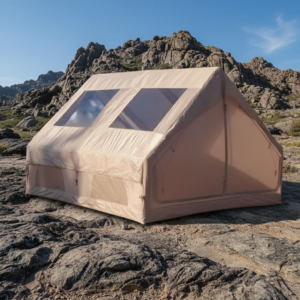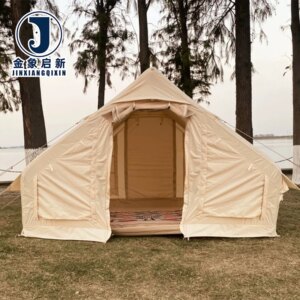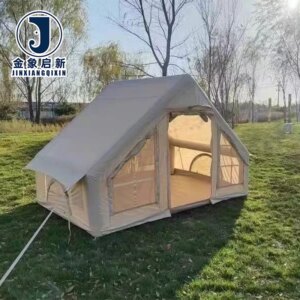


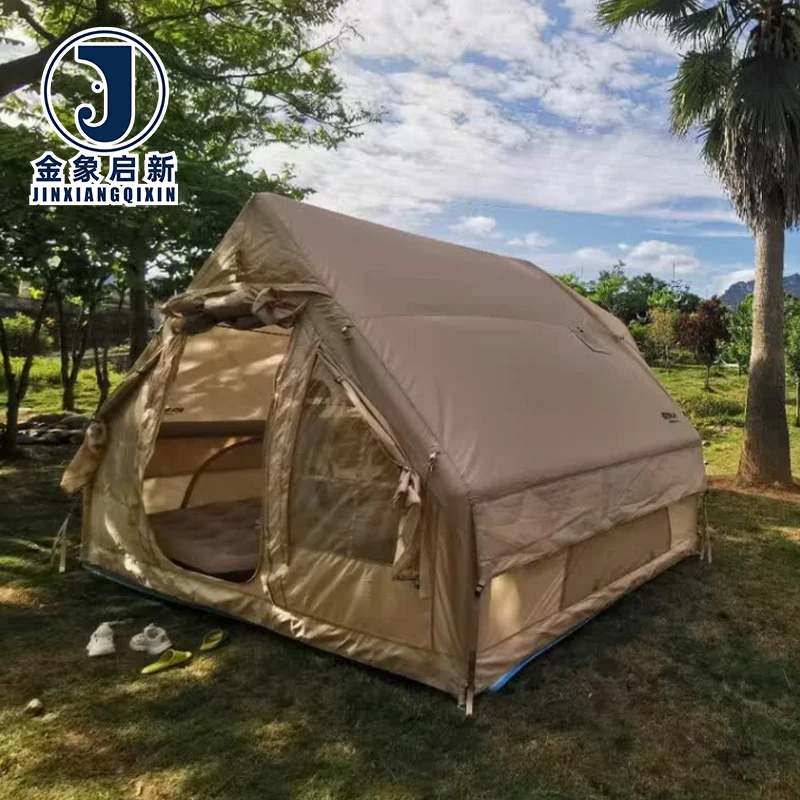
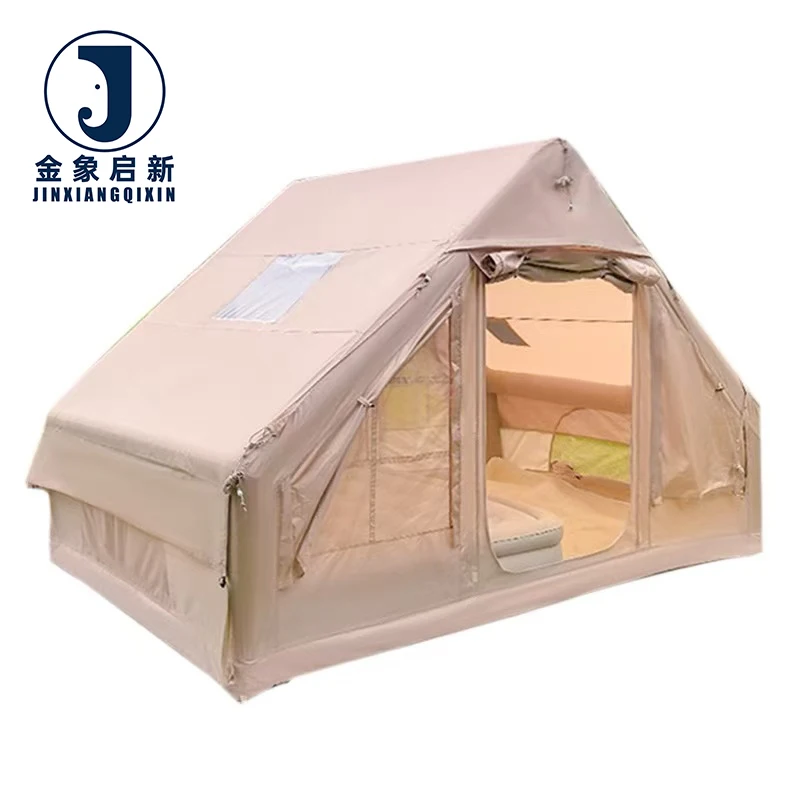
Description
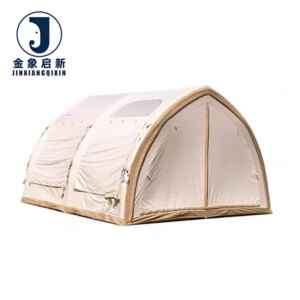
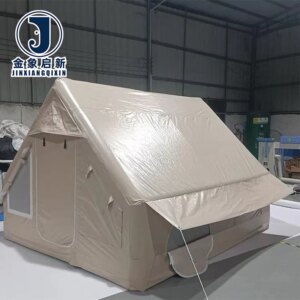
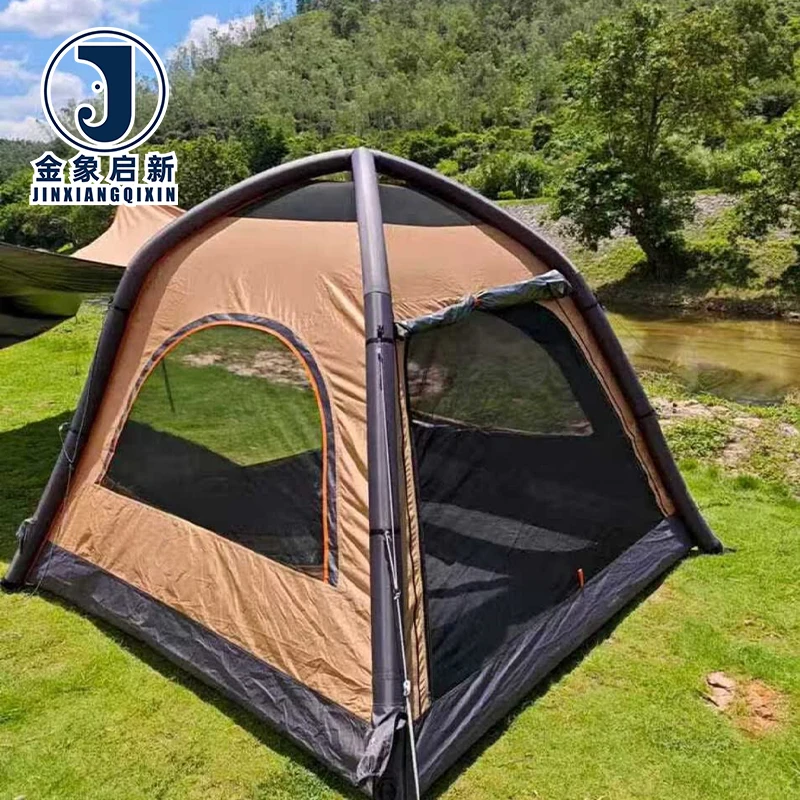
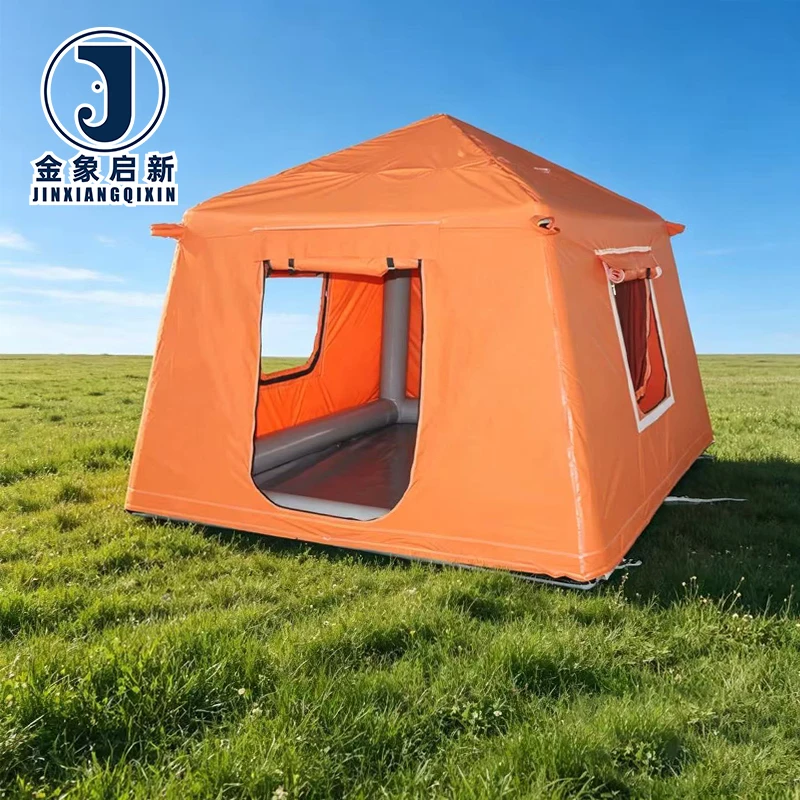
Consistent Roll-to-Roll Output — Three full production lines with 36 sets of processing equipment maintain batch uniformity for inflatable tent fabric orders at volume.
Technical Specifications
| Parameter | Value |
|---|---|
| Product Type | Inflatable Tent Fabric |
| Core Material | PVC Coated Fabric |
| Construction | Single Layer |
| Waterproofing | Fully coated waterproof construction |
| UV Resistance | UV-resistant treatment available (test basis to be confirmed per order) |
| Fire Retardancy | Available in fire-retardant grades (grade and standard to be confirmed per order) |
| Anti-Static | Anti-static treatment available (surface resistance to be confirmed per order) |
| Tear Resistance | Tear-resistant woven base fabric |
| Customization | OEM & ODM, sample customization, pattern printing |
| Quality Standards | ISO9001, ISO14001, ISO45001, CE |
| Quality Control | Full-process inspection with dedicated QA/QC staff |
Application Suitability
| Application | Exposure & Requirement |
|---|---|
| Inflatable camping tent production | Repeated inflation cycles, joint stress at air beams, UV and rain exposure across seasons |
| Membrane structure fabrication | Continuous tension load, wind uplift, long-term weathering on architectural forms |
| Industrial inflatable shelter manufacturing | Rapid deployment, abrasion from ground contact, fire safety compliance on work sites |
| Event and exhibition tent fabrication | High visual consistency across panels, frequent assembly and teardown, public safety codes |
| Distributor roll stock consolidation | Consistent GSM and colour across multiple rolls, reliable container loading, resale documentation |
Why Batch Consistency Matters More Than a Low Per-Roll Price
Inflatable tent fabric roll inconsistency forces manufacturers into rework that erodes margins faster than any unit price saving.
When tent makers cut panels from different rolls and sew them together, even slight GSM variation shows up as stiffness differences along seam lines. Colour drift between rolls becomes visible the moment panels sit side by side under natural light. [NEED_CITE: colour measurement tolerance standards for coated fabrics in batch production] For inflatable tent fabric buyers purchasing at wholesale volume, the real cost sits downstream — in rejected panels, delayed production runs, and customer complaints after installation. Sourcing inflatables tent fabric in bulk without locking down roll-to-roll controls turns a volume discount into a fabrication headache.
Controlling Colour and Weight Uniformity Across Roll Stock
Maintaining visual and physical consistency across an inflatable tent fabric roll shipment requires process control at the coating stage, not just final inspection. Coating weight must stay within a narrow band from the first meter to the last, and from the first roll in a batch to the final one loaded into the container. This is where production line calibration and in-process QA checkpoints separate a reliable wholesale supply from one that generates returns. For manufacturers running continuous production of inflatable tents, any roll that deviates in hand feel or shade disrupts cutting schedules and creates visible mismatches in finished goods.
Production Capacity and Roll Output Stability
The facility operates three full production lines with 36 sets of processing equipment, giving it the throughput needed to fulfil container-load orders of inflatable tent fabric without splitting batches across different machines. Keeping an entire order on the same line and within the same coating run is the practical foundation for roll-to-roll consistency. A 10-person R&D team supports sample development for custom colours and pattern printing, with samples turned around within days so buyers can verify material before committing to bulk. [NEED_CITE: typical sample-to-batch colour matching procedures in PVC coated textile manufacturing]
What the Specifications Actually Mean for Your Cutting Table
A single-layer PVC coated fabric used for inflatable structures must balance air-holding integrity with flexibility at the fold points where beams bend during inflation. The woven base fabric provides tear resistance that prevents small punctures from propagating under internal pressure. Waterproofing comes from the continuous PVC coating rather than a surface treatment, meaning the barrier is integral to the material and does not wash off after repeated field use. UV-resistant and fire-retardant treatments are available — confirm the grade required for your market before placing a bulk order, as different regions enforce different fire classifications for temporary structures. The tear-resistant construction is critical at valve attachment points and seam junctions where stress concentrates during inflation and wind loading.
The Hidden Cost of Specifying on Price Per Kilogram Alone
When a buyer selects inflatable tent fabric based on the lowest quoted GSM without verifying what arrives, the consequences surface on the production floor. Material that tests lighter than the stated specification will feel thinner during cutting, and the finished inflatable will sag where it should hold form. [NEED_CITE: GSM deviation tolerance and its effect on tensile performance in coated fabrics] Rolls with inconsistent coating adhesion fail at heat-welded seams before the fabric body shows any wear — a failure mode that is invisible until the structure is inflated and loaded. Colour variation discovered after panels are cut means entire sections must be re-cut from a different roll, wasting both material and labour. These are the costs that do not appear on the quotation but show up in the fabrication shop.
Why Source Inflatable Tent Fabric from This Facility
The 10-person R&D team handles material selection, pattern printing, and custom sizing specific to inflatable tent applications, developing samples within days rather than weeks. Three full production lines and 36 sets of professional equipment mean bulk inflatable tent fabric orders stay on a single line, maintaining the batch consistency that matters when panels are joined side by side. Dedicated QA and QC staff inspect every production stage, with 100 percent inspection before any roll leaves the facility. The coating process control extends to adhesion strength and surface finish, ensuring that heat-welded seams perform to expectation during fabrication. Nearly 30 years of focused coated fabric production underpins the process knowledge needed to hold tolerances across long production runs.
Documentation & Verification
- Material specification sheet stating GSM, base fabric, and coating type for every roll shipped
- Pre-shipment inspection record confirming 100 percent roll inspection before dispatch
- Roll packing list with roll count, individual weight, and container loading plan
- Test reports for UV and flame-retardant grades where applicable to the ordered specification
- Certificate of origin and customs documentation for cross-border shipment
Fabrication, Handling & Storage
- Set heat-weld temperature based on the specific PVC coating thickness to avoid seam delamination
- Store rolls upright on cores to prevent flat spots and permanent creasing in the coated surface
- Use sharp rotary blades when cutting single-layer PVC coated fabric to avoid fraying the base weave
- Allow cold-stored rolls to reach workshop temperature before unrolling to prevent coating micro-cracking
- Clean finished inflatables with mild detergent only — solvents can degrade the PVC coating bond
- Plan panel layout to minimise cross-grain cuts that reduce tear resistance at stress points
Request a Specification Match for Your Inflatable Tent Line
To move forward, share your target roll width, annual volume, and the fire-retardant or anti-static grade required by your destination market. If you need pattern printing or custom colour matching, send a reference swatch or Pantone code so the R&D team can develop a sample roll for your approval. Confirming whether you require raw roll stock or pre-cut panels helps us scope the quotation and lead time accurately.
Frequently Asked Questions
Q: How is GSM verified on arrival and what is your tolerance per roll?
A: Every roll is weighed and recorded during pre-shipment inspection, and the inspection record travels with your shipment. You can verify GSM on arrival by cutting a measured sample and weighing it against the stated specification. We provide the material specification sheet per roll so your QC team has the baseline to check against. Tolerance is confirmed at the quotation stage based on your order specification.
Q: How do you control colour variation across rolls in the same order?
A: Full orders are run on a single production line within one coating batch wherever possible. In-process QA checks colour at intervals throughout the run, and the 100 percent pre-shipment inspection flags any roll that drifts from the approved sample. We supply a roll packing list so you can trace each roll back to its position in the production sequence.
Q: What roll widths and lengths are available, and what are the minimums for custom sizes?
A: Standard widths and roll lengths are available from stock, while custom widths and lengths are produced to order. Minimum quantities for custom specifications depend on the coating run setup and are confirmed during the quotation stage. Send your required width and total meterage so we can advise on the most efficient production run and container loading.
Q: How are rolls packed and loaded to prevent transit damage and coating adhesion loss?
A: Rolls are wound on sturdy cores, wrapped to protect the coated surface, and loaded in the container to prevent shifting and crushing during transit. The roll packing list details count, weight, and loading position. Proper packing prevents flat spots and edge damage that could cause coating adhesion issues when the material is unrolled at your facility.
Q: Which fire-retardant grades can be supplied for inflatable tent fabric, and what test reports accompany them?
A: Fire-retardant treatment is available in multiple grades depending on your market requirements. The specific grade and corresponding test standard are confirmed during the specification stage before production. Where applicable, test reports are included with your shipment documentation to support compliance verification in your destination country.