Description
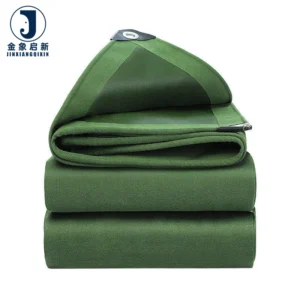
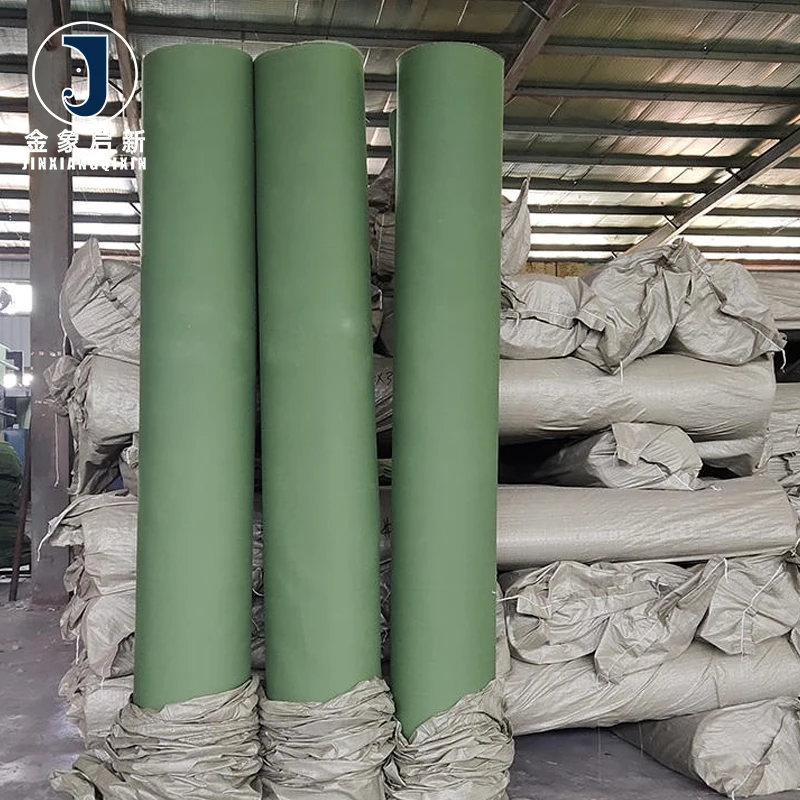
Bulk roll consistency — Every roll is weighed and inspected before dispatch so the GSM you ordered matches what arrives at your warehouse, backed by three full production lines and a 10-person R&D team supporting custom width and length runs.
Technical Specifications
| Parameter | Value |
|---|---|
| Product Type | Canvas Tarpaulin |
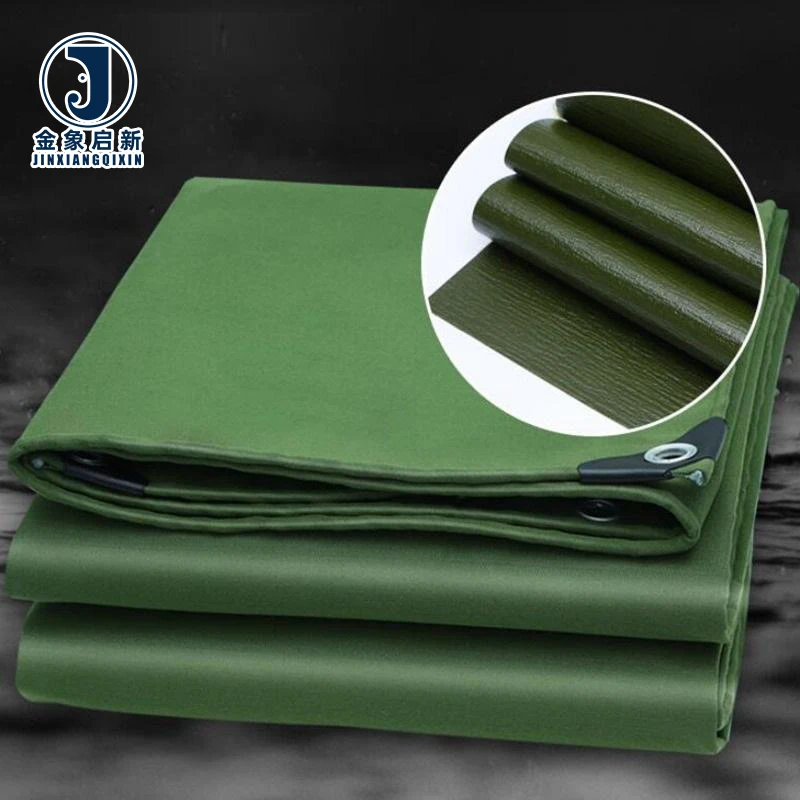
| Material | Silicone canvas tarpaulin |
| Weight (GSM) | 250gms-600gms (range covers product family — confirm the grade for this item) |
| Width | 0.2m-0.4m de largura (source value — verify against manufacturer catalog) |
| Waterproof | Yes (grade not stated) |
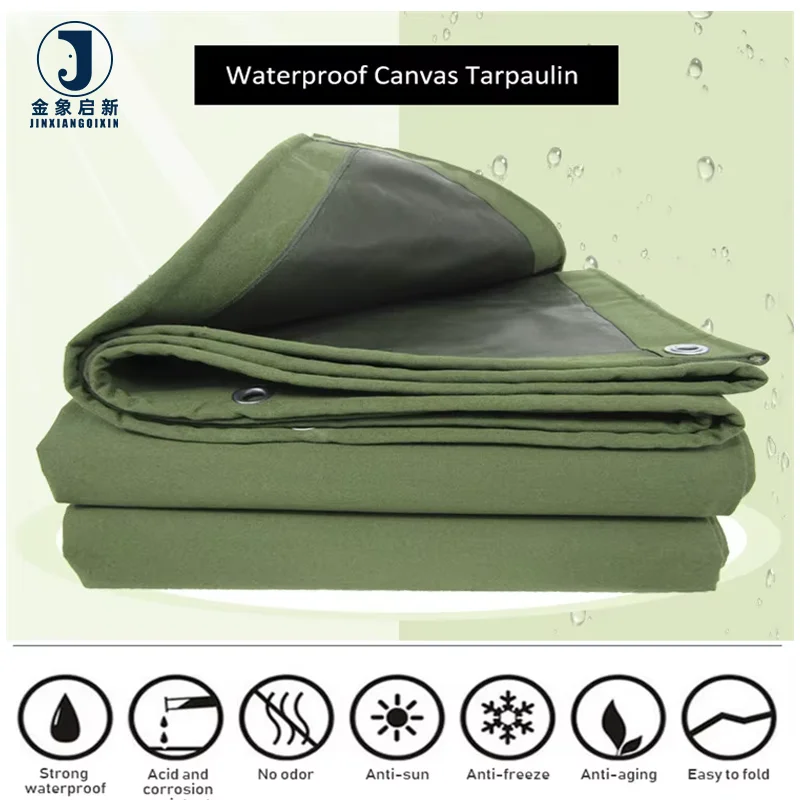
| Characteristic | Waterproof, wear-resistant, scratch resistant, tensile resistant |
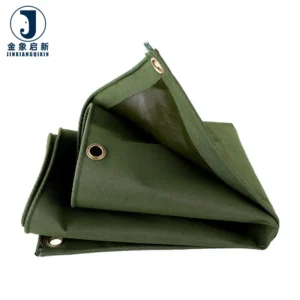
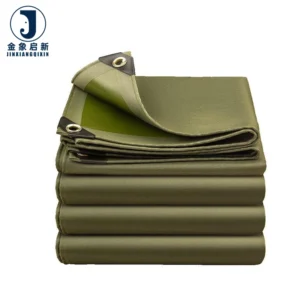
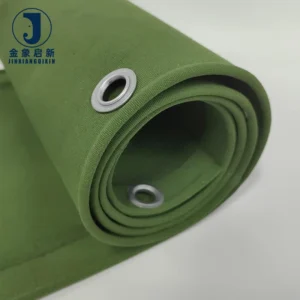
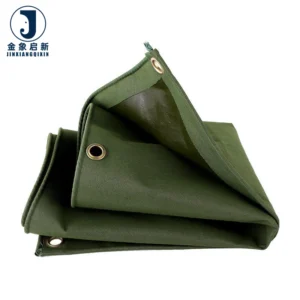
| Custom Options | Edge wrapping, punching, buttonhole, size |
| Color | Customizable |
| Standards | ISO, CE (general certification, grade not stated) |
Application Suitability
| Application | Exposure & Requirement |
|---|---|
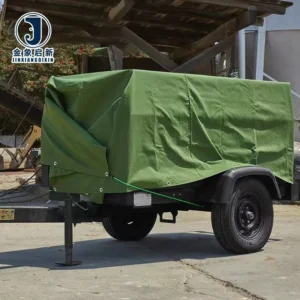
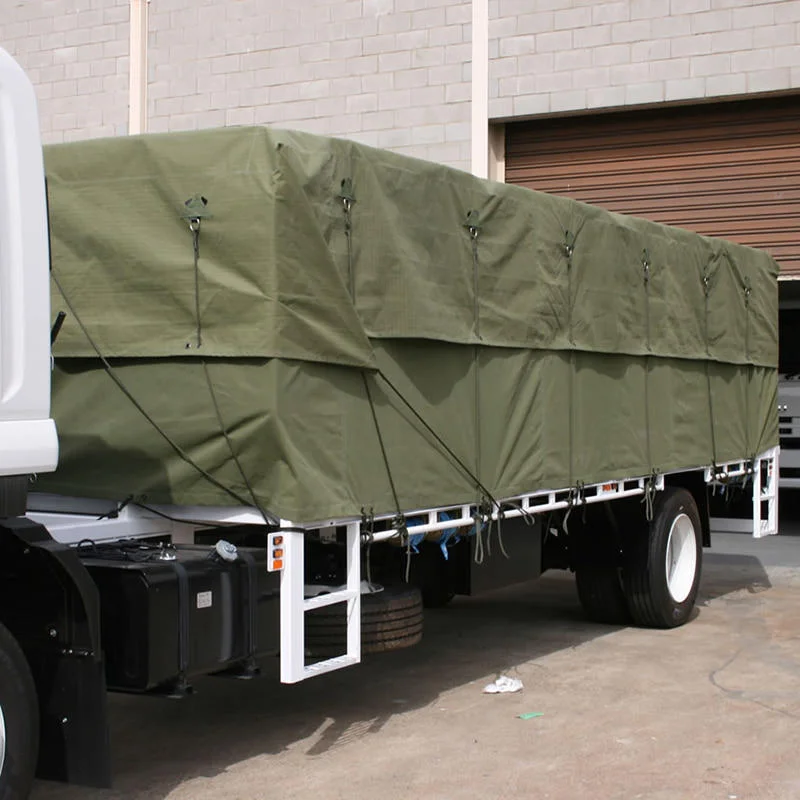
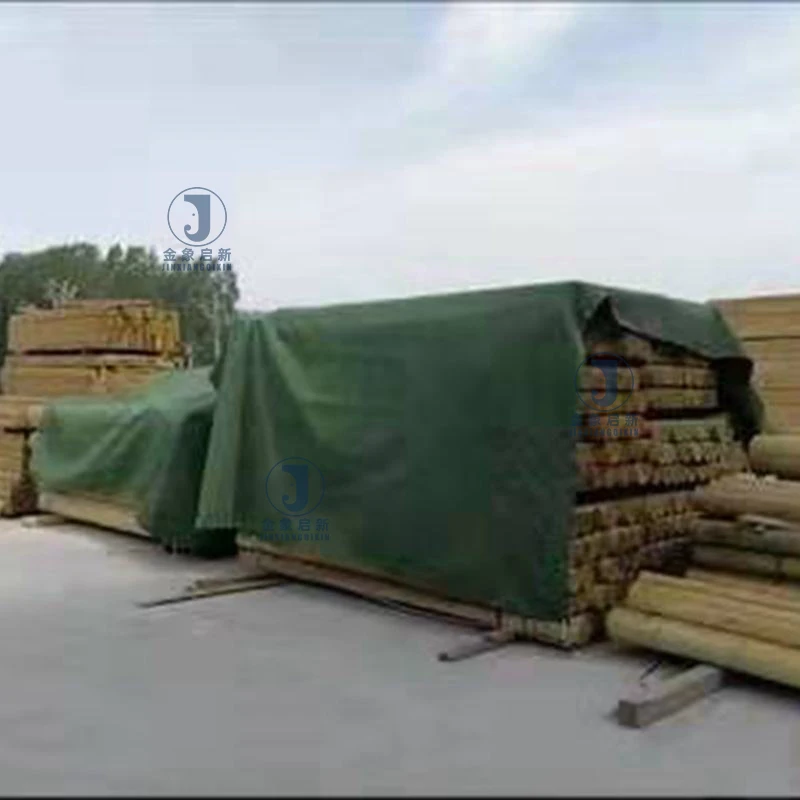
| Truck cargo covering | Constant road vibration, wind flap, tie-down abrasion at hem and eyelet zones |
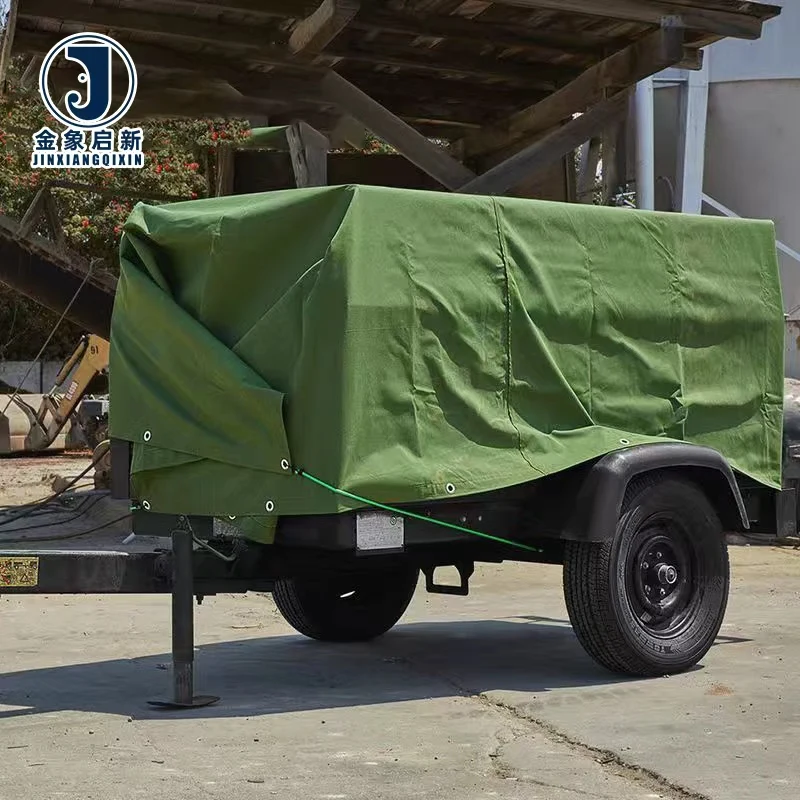
| Trailer load protection | High-speed airflow, rain ingress at seam lines, flexing at load shift points |
| Tricycle cargo waterproofing | Low-speed urban transport, frequent manual folding and unfolding |
| Outdoor transport weather exposure | Sun, rain, and dust over multi-day transit cycles |
Why Roll-to-Roll Weight Consistency Matters More Than Quoted GSM
A quoted GSM figure is meaningless if the rolls arriving in your container do not actually match it.
Buyers in the wholesale tarpaulin trade frequently face a gap between the specification on paper and the material on the scale. A canvas truck tarps roll that arrives lighter than agreed means thinner coating, lower tensile performance, and a product that fails before the end user expects it to. Distributors who stock these rolls then face warranty claims from their own customers, eroding margin and reputation across the supply chain. [NEED_CITE: pre-shipment inspection protocols for coated fabric roll stock]
When you are loading a container with multiple rolls of canvas truck tarps for regional resale, even small weight deviations compound across the shipment. One roll under spec may pass unnoticed, but a systematic shortfall across an entire batch represents a significant commercial discrepancy that only surfaces after customs clearance.
Batch Color Matching Across Container Loads
Colour variation between rolls in the same order is one of the most visible defects once the material is installed side by side on adjacent trailers or displayed together in a distributor showroom. For fleet operators covering multiple units from a single shipment of canvas truck tarps, inconsistent shading signals poor quality control even when the physical performance is acceptable. Silicone canvas coating requires precise pigment dispersion during the compounding stage, and any drift in mixing ratios or curing temperature shows up as a tonal shift between batches.
Container Loading by Roll Count and Weight
Planning a container load requires knowing exactly how many rolls fit, what each roll weighs, and how the total payload aligns with shipping line limits. Wholesale buyers of canvas truck tarps need a packing list that breaks down individual roll weights and dimensions so that logistics teams can optimize stacking and verify the shipment against the bill of lading on arrival. Rolls that vary in diameter due to inconsistent winding tension create dead space in the container and complicate forklift handling at the destination port.
How GSM, Coating, and Base Fabric Interact
GSM alone does not tell you how a canvas tarpaulin will perform under load. The weight comes from both the base fabric and the silicone coating applied to it, and the ratio between these two components determines the balance of flexibility, tear resistance, and waterproof integrity. A heavier coating on a lighter base fabric may achieve the target GSM but will lack the structural backbone needed for truck and trailer applications where tie-down straps concentrate stress at specific points. Conversely, a dense base fabric with minimal coating reaches the same GSM through yarn mass rather than coating thickness, resulting in a stiffer handle that may crack at fold lines over repeated use. [NEED_CITE: relationship between base fabric denier and coating weight in tarpaulin GSM]
The silicone coating method itself influences peel strength and heat sealing behaviour. Rolls intended for further fabrication into custom-fit covers need a coating that bonds firmly to the base fabric so that welded seams do not delaminate before the fabric body fails.
The Hidden Cost of Specifying Rolls on GSM Alone
Choosing canvas tarpaulin rolls based only on a GSM number without verifying the base fabric construction and coating ratio leads to mismatches between expectation and field performance. A roll that meets the weight target through heavy coating on a loose-weave base will show early signs of coating crack at fold points, particularly in cold weather transit. Distributors who resell these rolls to fabricators then receive complaints about seam failure during welding, because the coating thickness exceeds what standard hot-air welding parameters can penetrate consistently. [NEED_CITE: coating adhesion failure modes in silicone canvas tarpaulins]
Colour inconsistency across a multi-roll order forces buyers to either absorb the cost of sorting and matching rolls manually or ship mismatched batches to customers who notice the difference immediately upon installation.
Why Procure Canvas Truck Tarps from This Production Base
Three full production lines with 36 sets of professional equipment mean that bulk orders of canvas truck tarps can run simultaneously without bottlenecking on a single machine, keeping lead times predictable for container-load shipments.
A dedicated 10-person R&D team handles custom width requests and colour matching, developing samples within days so that wholesale buyers can confirm appearance and hand feel before committing to a full production run.
Dedicated QA and QC checkpoints at every production stage, with 100 percent inspection before shipment, ensure that each roll leaving the facility matches the agreed weight, colour, and dimension specification.
Nearly 30 years of focused coated fabric production provides deep process control over coating weight and adhesion, which translates directly into the batch consistency that wholesale distributors depend on for resale credibility.
Documentation & Verification
- Material specification sheet stating confirmed GSM, base fabric construction, and silicone coating type for each roll grade
- Pre-shipment inspection record confirming actual roll weight matches the quoted specification before container loading
- Roll packing list with individual roll weights and dimensions for customs declaration and receiving verification
- Certificate of origin and full customs documentation package supporting international shipment clearance
- Test report for applicable performance grades where specified in the purchase order
Fabrication, Handling & Storage
- Heat seal silicone canvas rolls using temperature and dwell time parameters matched to the confirmed coating weight grade
- Reinforce edge wrapping and buttonhole positions to distribute tie-down load across the base fabric weave
- Store rolls upright on pallets to prevent flat-spot deformation of the silicone coating surface
- Allow rolls to acclimatize before unrolling in cold conditions to avoid coating crack at the fold line
- Use mild detergent for cleaning; avoid solvent-based agents that may degrade the silicone coating bond
- Plan cutting layouts around the confirmed roll width to minimize offcut waste on custom-size truck covers
What We Need to Move Your Inquiry Forward
Provide the target GSM grade from the available range, the confirmed roll width you require, and the total roll count or container volume you are planning to order. Let us know whether you need edge wrapping, punching, or buttonhole finishing applied at the roll stage, and specify the colour reference so that we can develop a sample for your approval before production begins.
Frequently Asked Questions
Q: How do I verify the GSM of canvas truck tarps on arrival matches what was quoted?
A: Each roll is weighed during pre-shipment inspection and recorded on the packing list with its actual weight. On arrival, you can cross-reference the packing list against your purchase order specification. Our QA team documents weight per roll before container loading so any discrepancy is traceable to the production batch.
Q: Can I get consistent colour across multiple rolls of canvas truck tarps in one shipment?
A: Batch colour consistency is controlled through pigment compounding and inline inspection during production. Rolls destined for the same container are grouped and checked side by side before packing. We recommend requesting a sample roll for colour approval before full production to confirm the shade meets your market requirement.
Q: What roll width and length options are available for container loading optimization?
A: Roll width and length can be customized within production capability to match your container loading plan. Provide your target roll count per container and preferred dimensions, and the R&D team will confirm the configuration that maximizes payload while maintaining handling convenience at your destination warehouse.
Q: What is the minimum order quantity for custom width or colour on wholesale canvas truck tarps?
A: Minimum order quantities for custom width and colour depend on the specific grade and production line scheduling at the time of order. Share your target specification and volume, and we will confirm the minimum alongside lead time so you can plan your procurement cycle accordingly.
Q: Do you supply cut-to-size pieces or only roll stock for canvas truck tarps?
A: Both options are available. Wholesale buyers typically order roll stock for their own fabrication, while fleet operators may request cut-to-size pieces with edge wrapping, punching, and buttonhole finishing applied. Specify your requirement during the inquiry stage so the quotation reflects the correct production scope.