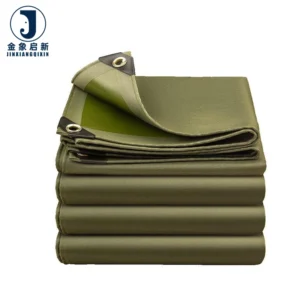
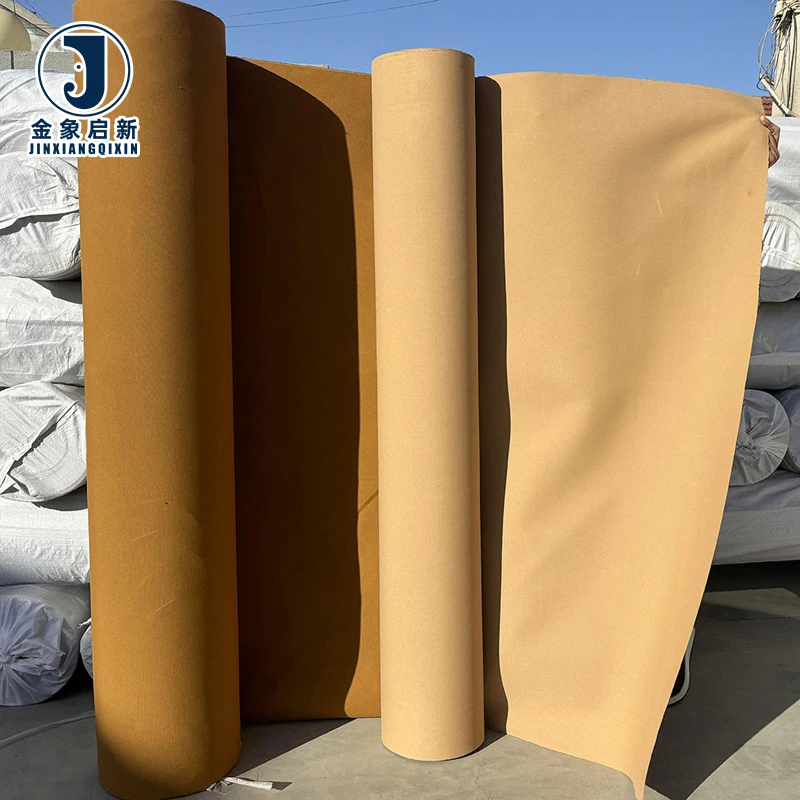
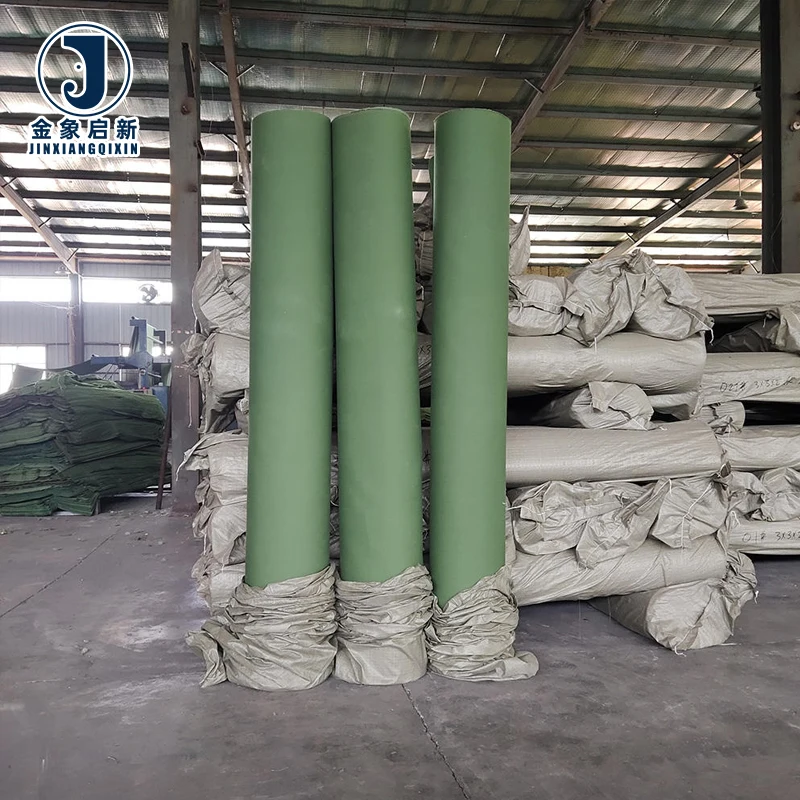
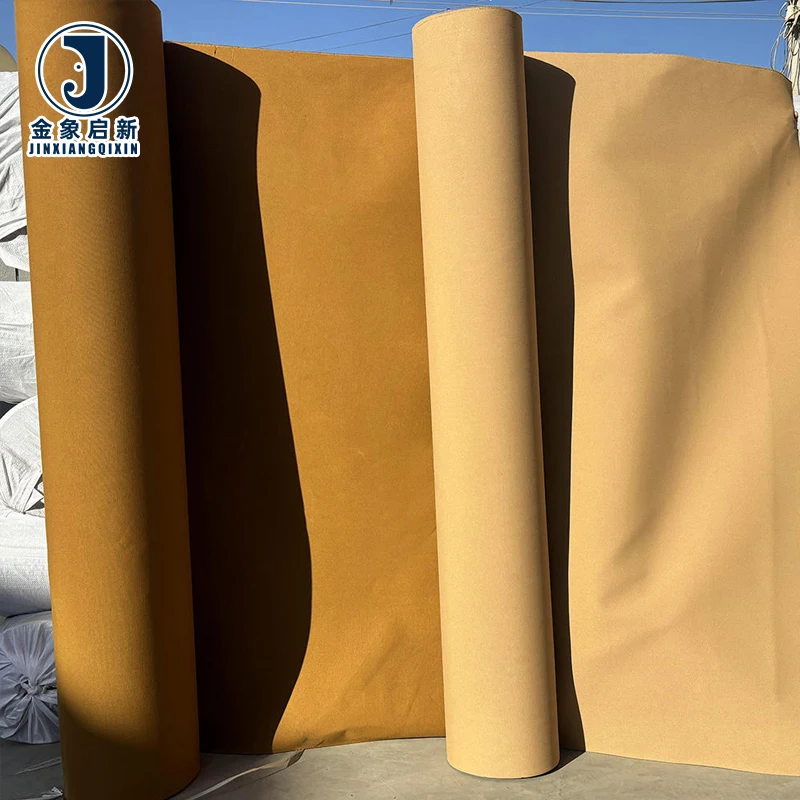
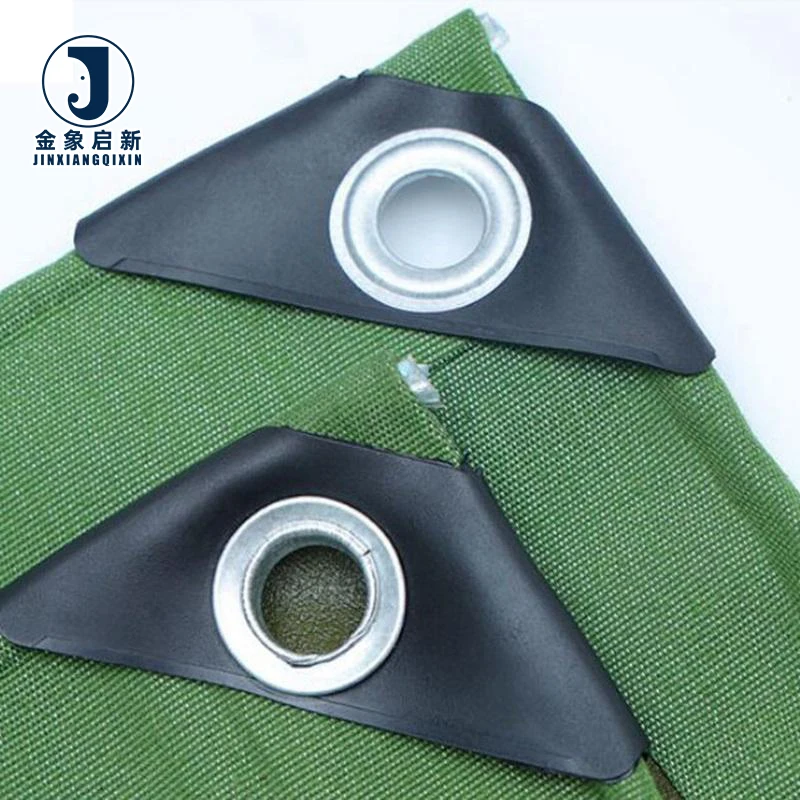
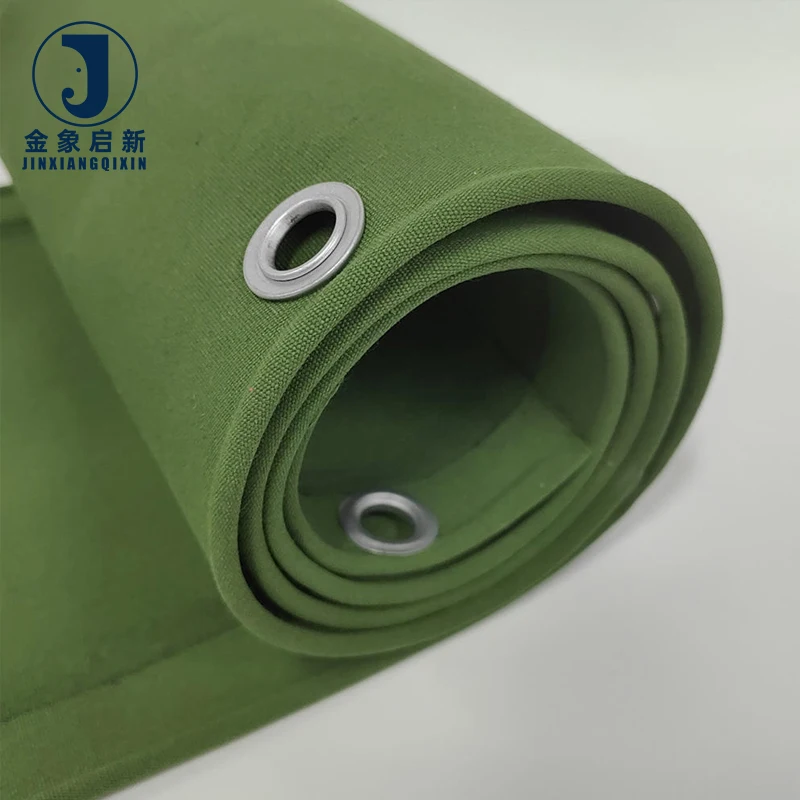
Description
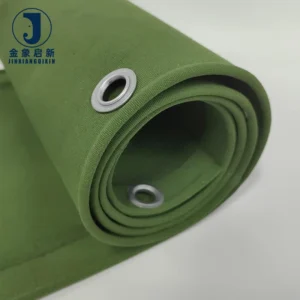
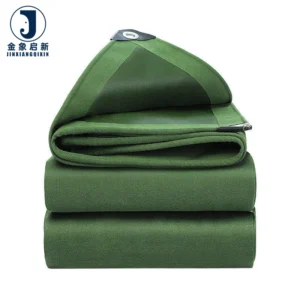
Verified Roll Weight Consistency — every roll of PVC laminated canvas tarpaulin is weighed and recorded against the spec sheet before dispatch, ensuring the GSM on paper matches the scale for bulk buyers and fabricators.
Technical Specifications
| Parameter | Value |
|---|---|
| Product Type | PVC Laminated Tarpaulin |
| Base Fabric | Woven canvas |
| Coating Material | PVC |
| Coating Method | Laminated |
| Waterproof Rating | Fully waterproof coated construction |
| UV Treatment | Available — confirm grade required for your market |
| Flame Retardant Grade | Available in flame retardant grades — confirm the grade required for your market |
| Heat Resistance | Heat resistant formulation (test basis not stated in source) |
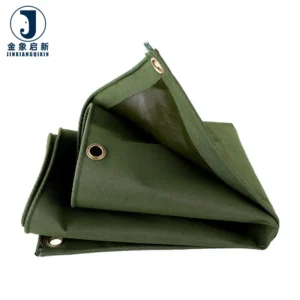
| Eyelet & Hem Options | Eyelets on all four sides |
| Finish | Glossy or matte available upon request |
| Weight (GSM) | Available in multiple GSM grades — confirm required weight per application |
Application Suitability
| Application | Exposure & Requirement |
|---|---|
| Engine hood covers | Sustained high-temperature exposure, chemical contact from engine fluids, abrasion during maintenance |
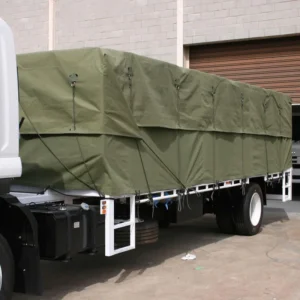
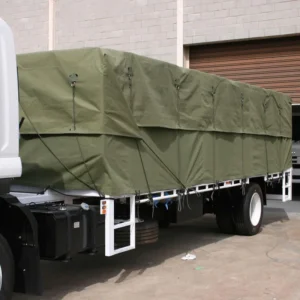
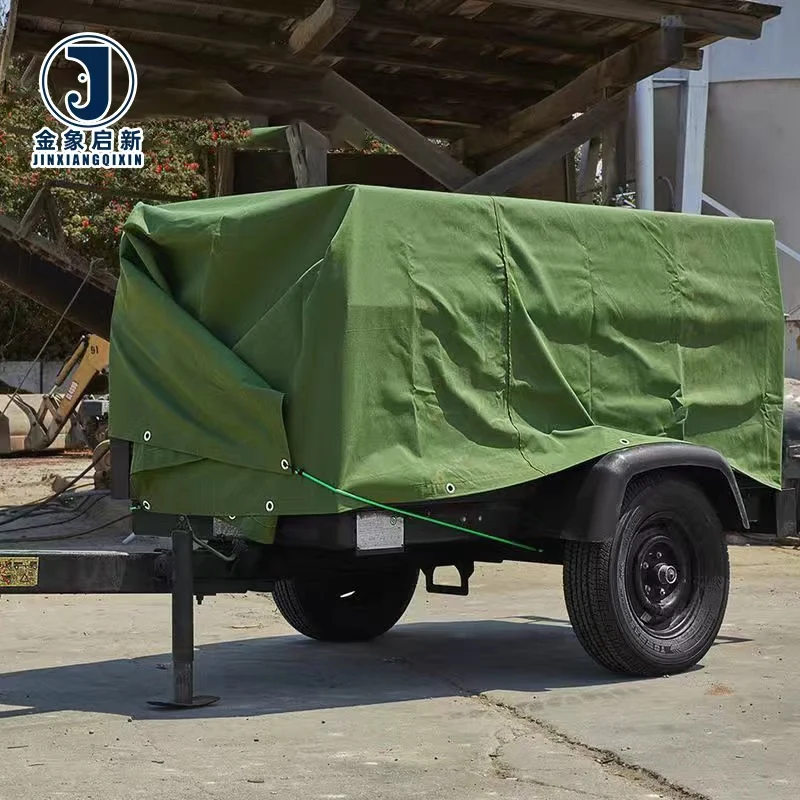
| Vehicle and equipment covers | Outdoor UV exposure, wind-driven rain, repeated draping and removal stress |
| Roof protection sheeting | Direct rainfall and pooling water, sun exposure, wind uplift at edges |
| Outdoor floor mats | Foot traffic abrasion, mud and moisture, folding and transport between sites |
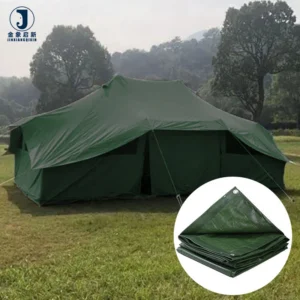
| Sun and rain shelters | Prolonged UV exposure, tension at grommet points, storm wind loading |
| General industrial covering | Dust and debris containment, forklift handling, stacking pressure on palletised loads |
Why a Quoted GSM Often Fails the Scale Test
Every PVC laminated canvas tarpaulin roll is verified on certified scales before it leaves the factory, not just at the quoting stage.
Buyers of roll stock regularly discover that the material arriving in the container weighs less than what was agreed in the quotation. This gap is rarely deliberate — it usually stems from quoting a nominal GSM while the actual coating weight drifts during production runs. For distributors stocking PVC Laminated Canvas Tarpaulin roll stock for resale to fabricators, even a slight GSM shortfall across a container load can mean dozens of complaints from end users who notice thinner, less durable covers. [NEED_CITE: GSM verification methods for coated technical textiles per ISO 3801]
Maintaining Batch-to-Batch Colour Uniformity Across Roll Stock
Colour consistency is one of the most common reasons fabricators reject shipments after installation. When a truck cover or site shelter is assembled from multiple panels cut from different rolls, even a subtle shade variation becomes visible in direct sunlight. Our process controls PVC Laminated Canvas Tarpaulin colour at the batch compounding stage, ensuring rolls produced in the same order match within a tight visual tolerance. Distributors who supply matched sets to fleet operators benefit from fewer returns and fewer side-by-side shade complaints on site.
How Laminated Coating Construction Affects Fabrication and End Use
The laminated PVC coating method bonds the PVC film layers to the woven canvas base fabric under heat and pressure. This creates a fabric where the coating sits on t*, giving a distinct balance of flexibility and surface toughness. For fabricators cutting custom covers from roll stock, laminated construction responds well to high-frequency welding and hot-air seaming — the PVC layers melt and bond at the seam without the base fabric interfering. However, the peel strength at the coating-to-fabric interface is a critical parameter that determines whether the seam holds longer than the fabric itself under repeated flexing. [NEED_CITE: peel strength test methods for laminated coated fabrics per ISO 2411]
Reading Beyond the Weight Number on the Spec Sheet
GSM alone does not determine how a PVC Laminated Canvas Tarpaulin will perform in service. The woven canvas base fabric contributes tensile strength and tear resistance based on its denier and thread count — two rolls with the same GSM but different base fabric constructions can behave very differently under wind load or tie-down tension. The laminated coating weight adds waterproofing, chemical resistance, and surface durability. Heat-resistant formulation matters for applications like engine hood covers where the fabric sits close to elevated operating temperatures, preventing the PVC from softening or delaminating. Eyelets on all four sides distribute tie-down loads, but their holding power depends on the base fabric strength at the reinforcement zone, not just the eyelet hardware itself. Understanding these relationships helps buyers specify the right combination rather than defaulting to the heaviest GSM available.
The Hidden Cost of Skipping Pre-Shipment Roll Verification
When a distributor accepts a container of canvas tarpaulin rolls without inspecting weight and colour, the first sign of trouble often comes from a fabricator customer halfway through a cutting run. A roll that is lighter than specified yields covers that fail prematurely under load. A roll with shifted colour forces the fabricator to sort and match panels manually, wasting material and labour. Weld seams on laminated fabric are particularly sensitive to coating thickness variation — a thinner-than-expected coating at the seam zone causes the weld to fail before the body of the fabric shows any wear. These issues compound across a distribution network, turning one unchecked shipment into months of credit notes and replacement orders. [NEED_CITE: common failure modes in coated tarpaulin fabrics at seam and grommet zones]
Why Bulk Buyers Source PVC Laminated Canvas Tarpaulin Here
Three full production lines and 36 sets of professional equipment support consistent roll output, so bulk orders ship on schedule without quality drifting across shifts. A 10-person R&D team develops custom width, colour, and print samples within days, reducing the wait between specification approval and first production run. Dedicated QA/QC at every production stage means each roll of PVC laminated canvas tarpaulin passes 100% inspection before packing — not just a spot check on one roll per batch. Material specification sheets accompany every dispatch, listing the verified GSM, base fabric construction, and coating method for traceability. Roll packing plans are coordinated with container loading to maximise space utilisation and prevent transit damage to outer wraps.
Documentation & Verification
- Material specification sheet listing GSM, woven canvas base fabric, and PVC laminated coating per roll
- Pre-shipment inspection record with roll-by-roll weight and visual verification
- Roll packing list detailing roll count, net weight, and container loading plan
- UV and flame retardant test reports supplied where treatment grade is specified
- Certificate of origin and customs documentation for cross-border roll shipments
Fabrication, Handling & Storage
- High-frequency welding suits laminated PVC coating; adjust dwell time to coating thickness for full peel strength at seams
- Eyelets on all four sides require reinforced hem folds — verify base fabric density at the hem zone before pressing
- Store rolls upright on pallets in dry conditions to prevent edge crushing and permanent crease marks on the laminated surface
- Unroll and allow laminated PVC canvas to relax at ambient temperature before cutting to avoid tension distortion in panels
- Use mild detergent and soft brush for cleaning — avoid solvent-based cleaners that may attack the PVC laminated coating surface
- Plan cutting layout to align panels from the same roll batch, minimising visible shade variation across assembled covers
What to Include in Your PVC Laminated Canvas Tarpaulin Enquiry
To specify the right roll stock, share your target GSM range, required roll width and length, and whether you need finished cut sizes or full rolls for your own fabrication line. Confirm the end-use application and exposure conditions so we can advise on heat-resistant formulation, UV treatment grade, or flame retardant certification requirements for your market. If colour matching or printed branding is needed, provide Pantone references and request a sample roll before committing to bulk production.
Frequently Asked Questions
Q: How is GSM verified on arrival and what documentation supports the stated weight?
A: Every roll is weighed on calibrated scales during pre-shipment inspection, and the recorded weight is logged against the material specification sheet. You receive an inspection record showing individual roll weights alongside the quoted GSM. On arrival, you can verify any roll against this record using your own certified scale to confirm the PVC laminated canvas tarpaulin matches the agreed specification.
Q: How is batch colour consistency maintained across rolls in the same order?
A: Colour is controlled at the PVC compounding stage before lamination to the woven canvas base fabric. Rolls within a single production batch are matched visually and instrumentally before packing. For multi-batch orders, we maintain reference samples from the first approved batch and adjust compound ratios to keep subsequent rolls within the agreed visual tolerance range.
Q: What roll widths and lengths are available, and how are custom sizes handled?
A: Standard widths and lengths are available for immediate quotation, while custom widths and roll lengths are produced on request with a sample developed for approval first. Our R&D team adjusts production line settings to accommodate non-standard dimensions. Confirm your required width and any cutting tolerances so we can advise on feasible roll sizes for your PVC laminated canvas tarpaulin order.
Q: What are the MOQ and lead time for custom width, colour, or print on canvas tarpaulin?
A: Minimum order quantities depend on the degree of customisation — standard widths and colours carry lower thresholds than fully custom-printed or non-standard-width rolls. Lead times vary based on production line scheduling and material availability. We provide a confirmed timeline at the quotation stage so you can plan container loading and distribution schedules accordingly.
Q: How is roll stock packed and loaded for container shipment to prevent transit damage?
A: Rolls are packed with protective outer wrapping and loaded according to a container plan that accounts for roll diameter, weight distribution, and stacking pressure. A roll packing list details the exact count, position, and net weight of each roll inside the container. This approach prevents edge damage and surface marking during ocean freight for your PVC laminated canvas tarpaulin shipment.