
Description
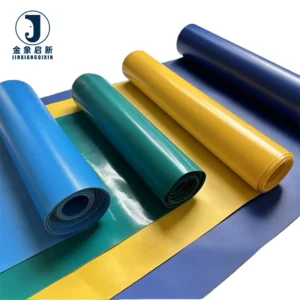
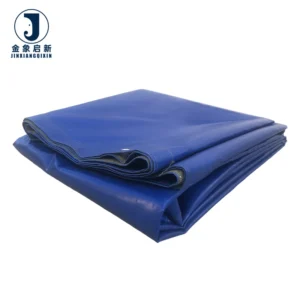
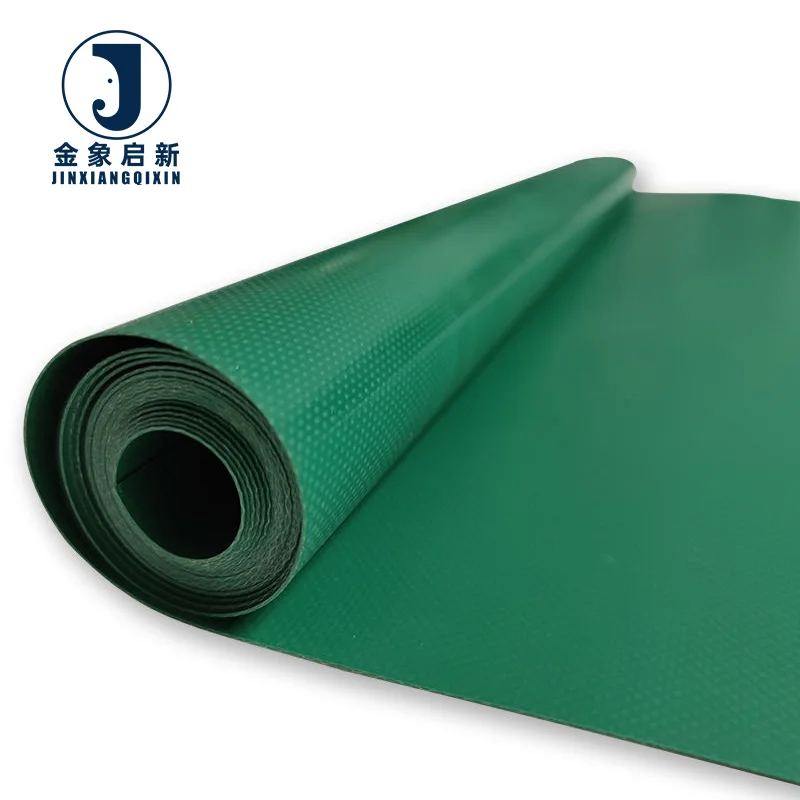
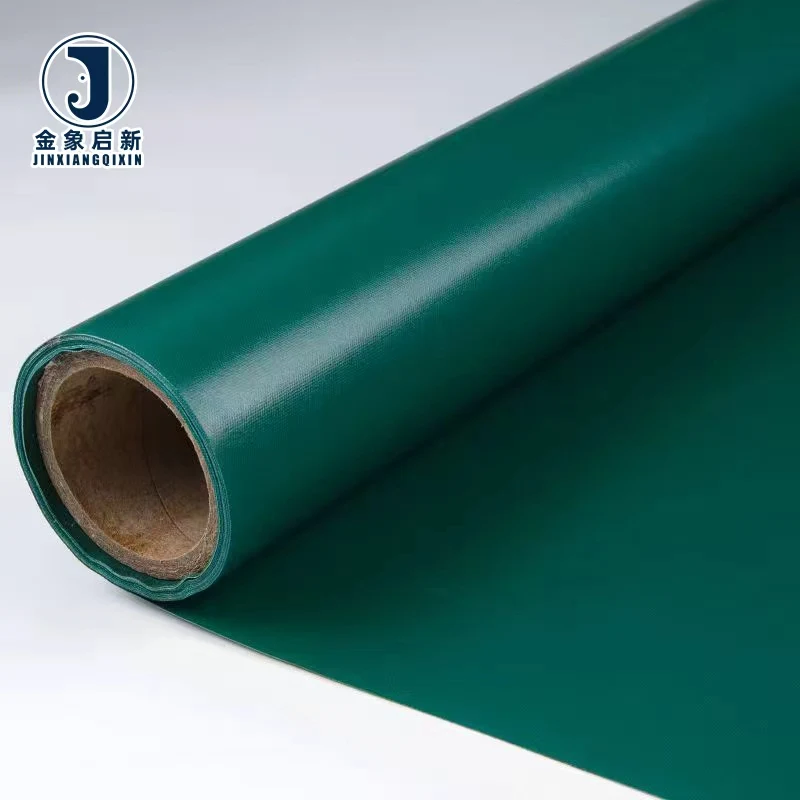
Volume consistency you can audit — every PVC coated tarpaulin roll from our 3-line facility ships with documented GSM verification, so what you ordered is exactly what arrives at your warehouse.
Technical Specifications
| Parameter | Value |
|---|---|
| Product Type | PVC Coated Tarpaulin Roll |
| Material Composition | PVC coating on polyester base fabric |
| Yarn Count Options | 500D×840D, 500D×1000D, 1000D×1000D, 1000D×1300D, 1300D×1300D, 1000D×2000D |
| Thickness Range | 0.29 mm, 0.32 mm, 0.38 mm, 0.44 mm, 0.46 mm, 0.55 mm, 0.65 mm |
| Tensile Strength (Warp) | 1650 N – 3900 N (test standard not stated in source) |
| Tensile Strength (Weft) | 1600 N – 3500 N (test standard not stated in source) |
| Density | 1.15 – 2.00 g/cm³ |
| Brittle Temperature | ≤ -50 °C to -60 °C |
| Softening Temperature | ≥ 80 °C |
| Melting Point | 212 °C |
| Key Features | Water resistant, waterproof, available in flame retardant grades (grade not stated — confirm requirement), available with anti-UV treatment (test basis not stated — confirm for your market) |
| Standards | ISO, CE |
Application Suitability
| Application | Exposure & Requirement |
|---|---|
| Tarpaulin distributor resale stock | Shelf-ready roll consistency across GSM grades, uniform colour for side-by-side display |
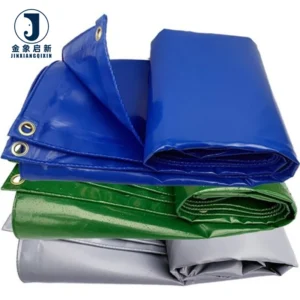
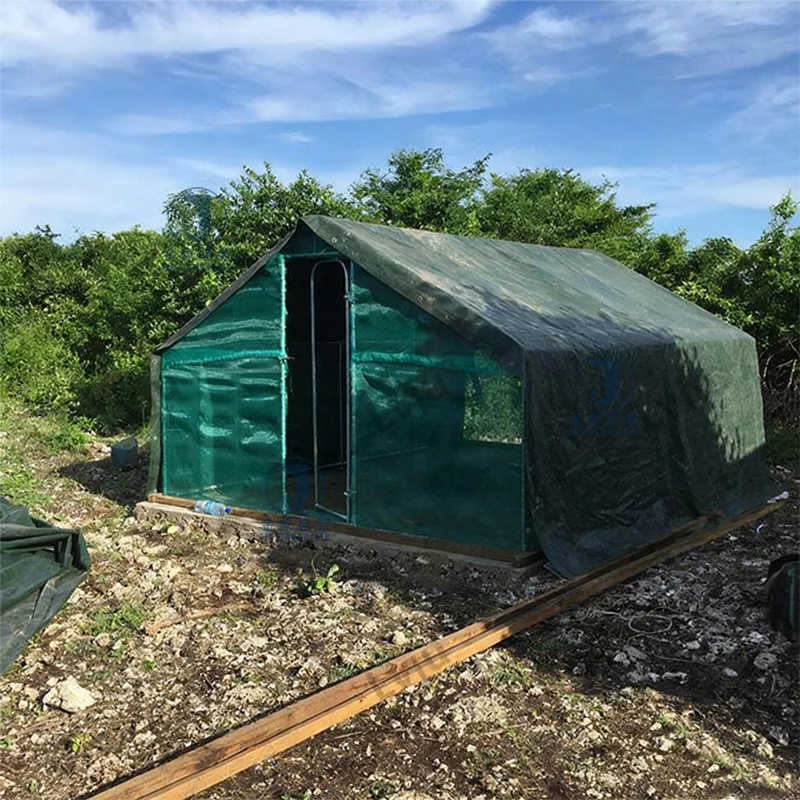
| Tent and awning fabrication | Continuous unrolling for panel cutting, weld-friendly coating for seam joining |
| Transport fleet in-house cover making | Abrasion at tie-down contact points, flex fatigue at load movement zones |
| Truck and trailer side curtain | Constant road vibration, UV exposure, repeated rolling and tension cycles |
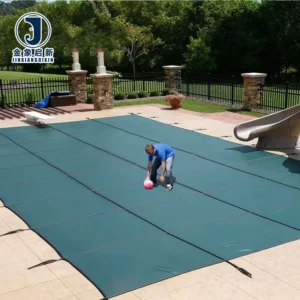
| Outdoor equipment and machine covers | Static weathering, moisture ingress prevention, dust barrier |
Why Batch Uniformity Matters More Than Quoted GSM for Wholesale Roll Buyers
A quoted GSM is meaningless if roll-to-roll variance undermines your fabrication output.
When distributors receive a container of PVC coated tarpaulin roll stock, the first failure is rarely dramatic — it is the subtle variation. One roll measures lighter at the edges. Another shows a shade difference when unrolled beside its neighbour on the cutting table. Fabricators discover mid-run that heat-seal parameters need adjustment because coating thickness drifted between batches. These inconsistencies cost more than the material itself: wasted cuts, rework time, and rejected finished goods. We address this through dedicated QA checkpoints at coating, winding, and pre-shipment stages, with documented roll-by-roll verification. [NEED_CITE: quality control protocols for coated textile roll stock per ISO management systems]
Stocking Multiple Weight Grades Without Surprise Variance
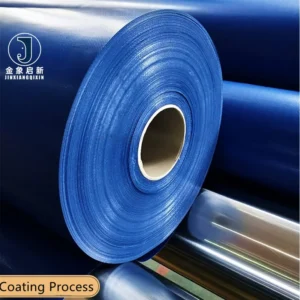
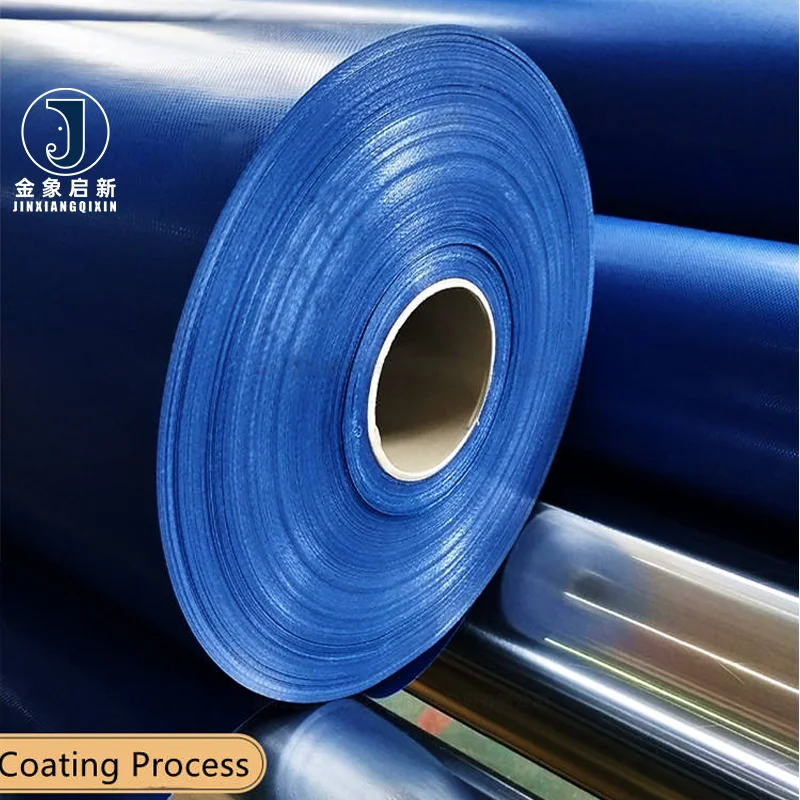
Wholesale PVC tarpaulin roll procurement demands that the 0.55 mm grade you ordered in March behaves identically to the same grade you reorder in September. Our coating process controls weight application across the full width of each roll, maintaining GSM consistency within each production run. This means your cutting templates and weld settings remain valid across reorders, reducing setup waste on the fabrication floor.
Roll-to-Roll Colour Matching Across Container Loads
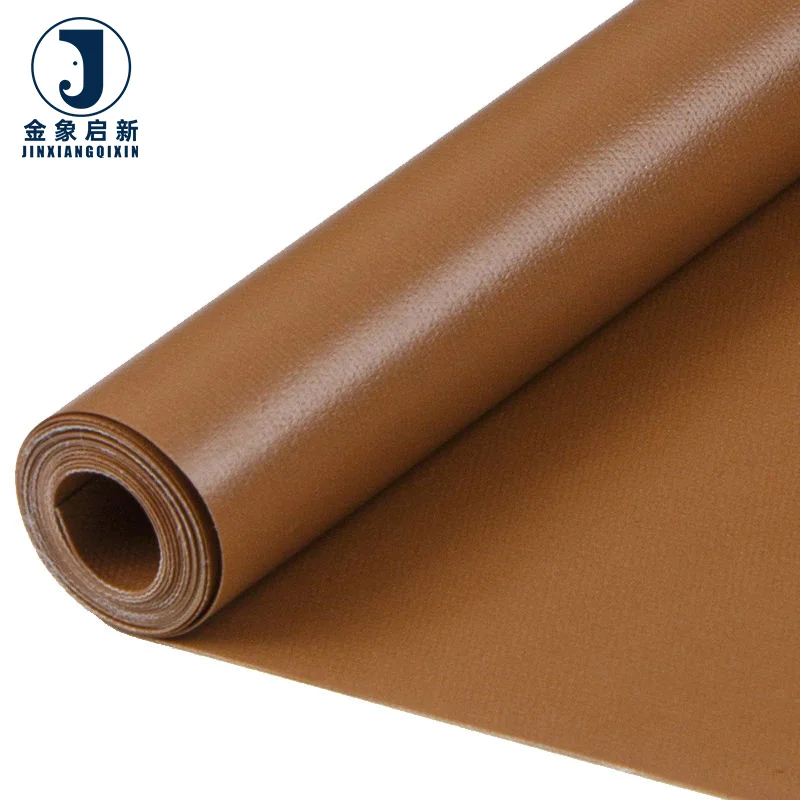
Colour drift between rolls in the same shipment is a common complaint from awning and tent makers who install panels side by side. We manage pigment dosing and coating temperature together to hold colour within a defined tolerance band across every roll in your wholesale PVC tarpaulin roll order. If your project requires multiple rolls installed adjacent to one another, request a colour reference sample before we run production. [NEED_CITE: colour measurement standards for coated fabrics]
Reading Denier, Thickness and Tensile Data Together
Thickness alone does not predict how a PVC coated tarpaulin roll will perform under load. The yarn count — for example, 1000D×1000D versus 500D×840D — determines the base fabric’s structural skeleton, while coating thickness fills and protects that weave. A thicker coating on a lighter denier base may resist puncture but tear easily along the weft. A heavier denier with moderate coating weight delivers higher tensile figures in both warp and weft directions. Buyers comparing roll stock should request both tensile values and the corresponding yarn specification, not just GSM or thickness, to predict how the material will behave during fabrication and in service. The 1000D×2000D option, for instance, supports higher warp tensile readings suited to heavy-duty truck cover applications where tie-down loads concentrate stress along the length of the panel.
The Hidden Cost of Specifying on Price Per Kilogram Alone
Buying wholesale PVC tarpaulin roll by the cheapest kilogram often means accepting a lighter base fabric with more coating filler to reach the quoted weight. The result shows up weeks or months after fabrication: the coating cracks at fold lines, or the weld seam separates because the coating-to-fabric adhesion was insufficient. Distributors who resell to professional end-users absorb the warranty claims. Confirming the yarn count and requesting a peel strength indication helps avoid this trap before the order ships. [NEED_CITE: coating adhesion test methods for PVC tarpaulin]
Why Procurement Teams Consolidate Roll Stock Here
Our three full production lines and 36 sets of professional equipment generate the capacity needed for full-container roll orders without splitting shipments across multiple batches. The 10-person R&D team develops custom width and colour samples within days, shortening the approval cycle for new roll specifications. QA inspection covers every roll before packing, not a statistical sample from the batch. We supply packing lists that detail roll count, net and gross weight, and container loading plans — documentation that your logistics team needs before the vessel closes. Pre-shipment inspection records travel with the shipment, giving your receiving warehouse a baseline for arrival checks.
Documentation & Verification
- Material specification sheet listing exact GSM, yarn count and coating type per roll grade ordered
- Pre-shipment inspection record with roll-by-roll weight and colour check results
- Roll packing list showing net weight, gross weight and container loading plan by unit count
- UV and flame retardant test reports provided where the specific grade has been confirmed and tested
- Certificate of origin and customs documentation prepared for international roll stock shipments
- ISO and CE certificates available to support your market compliance requirements
Fabrication, Handling & Storage
- Heat-seal temperature and dwell time should be matched to the specific thickness ordered, from 0.29 mm through 0.65 mm
- Store PVC coated tarpaulin roll upright on pallets to prevent flat spots and edge deformation during warehouse holding
- Unroll in ambient temperatures above the brittle point to avoid micro-cracking at the coating surface
- Allow rolls to acclimatise to workshop temperature before cutting to reduce dimensional shift after fabrication
- Use compatible PVC-based adhesives and welding tape matched to the coating chemistry for field repairs
- Plan cutting layouts around the ordered roll width to minimise off-cuts and maximise panel yield per linear metre
What We Need to Quote Your Roll Stock Accurately
Provide the application your customers or your own shop will fabricate from the roll, along with the weight grade and thickness you currently use or are targeting. Let us know the roll width and length that fits your container loading plan, and whether you need a standard colour from our range or a custom match. If your market requires flame retardant or anti-UV certification, state the grade or standard so we can confirm availability before quoting.
Frequently Asked Questions
Q: How is GSM verified roll-by-roll before shipment and what documentation is provided for arrival inspection?
A: Each roll is weighed and measured during the pre-shipment inspection stage. We record the actual GSM for every roll and include this data in the inspection report that ships with the container. Your receiving team can cross-reference the report against their own arrival measurements to confirm the material matches what was ordered.
Q: How do you ensure colour consistency across multiple rolls within the same wholesale order?
A: Pigment dosing and coating temperature are controlled together throughout the production run. Rolls from the same batch are compared visually and by reference sample before packing. For projects where panels will be installed side by side, we recommend requesting a pre-production colour sample for approval before the full order runs.
Q: What standard and custom roll widths and lengths are available, and how does this affect container loading?
A: Standard widths and lengths are available from stock grades. Custom widths can be produced subject to minimum order confirmation. We provide a container loading plan detailing roll count, stacking arrangement and total weight so your logistics team can optimise space utilisation and verify the shipment against the packing list upon arrival.
Q: How are rolls packed and loaded to prevent damage and maximise container space for bulk shipments?
A: Rolls are packed in roll packing, bale packing or carton formats depending on the grade and destination. Loading plans account for roll diameter, weight distribution and stacking limits to prevent crushing or edge damage during transit. The packing list specifies the exact format chosen for your order.
Q: What are the minimum order quantities for custom width, colour or print on roll stock?
A: Minimum quantities for custom specifications depend on the width, colour and treatment combination requested. Our R&D team can develop samples within days so you can approve the specification before committing to the full production run. Contact us with your target specification and we will confirm the minimum alongside the lead time.