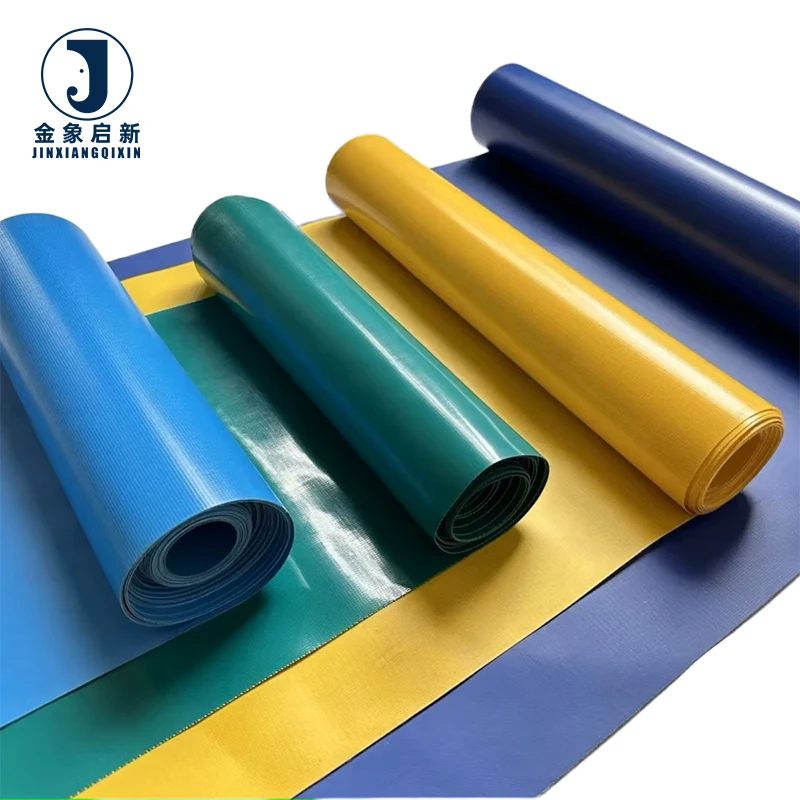
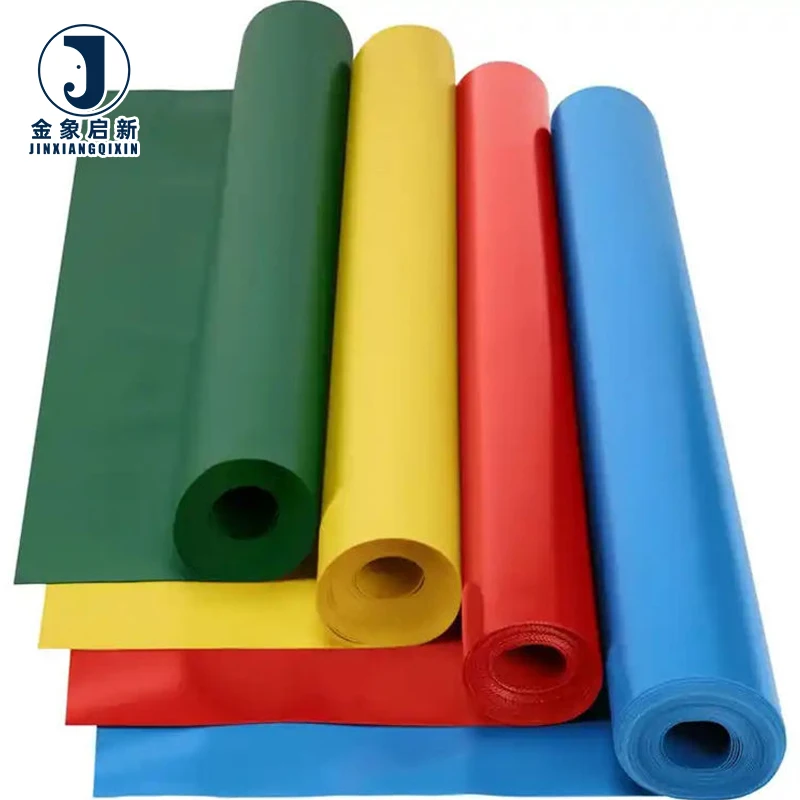
Description
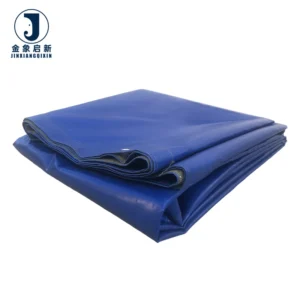
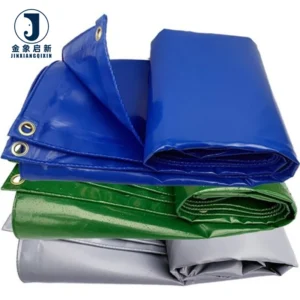
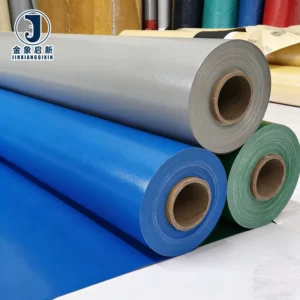
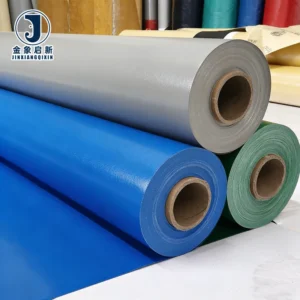
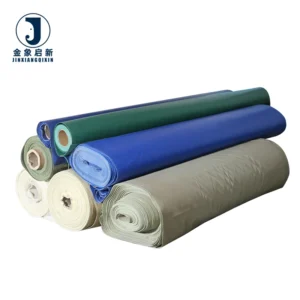
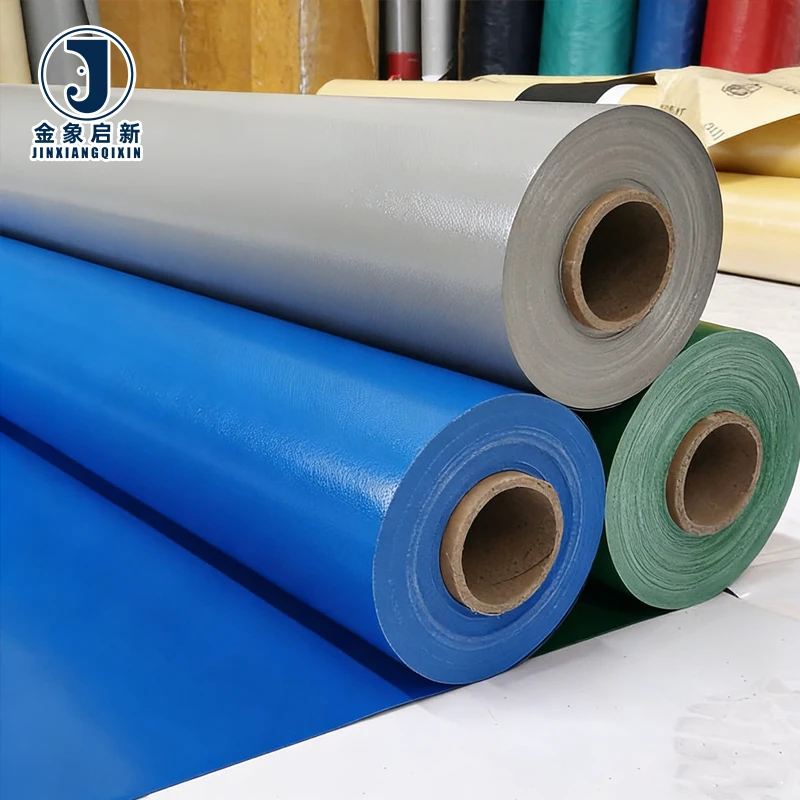
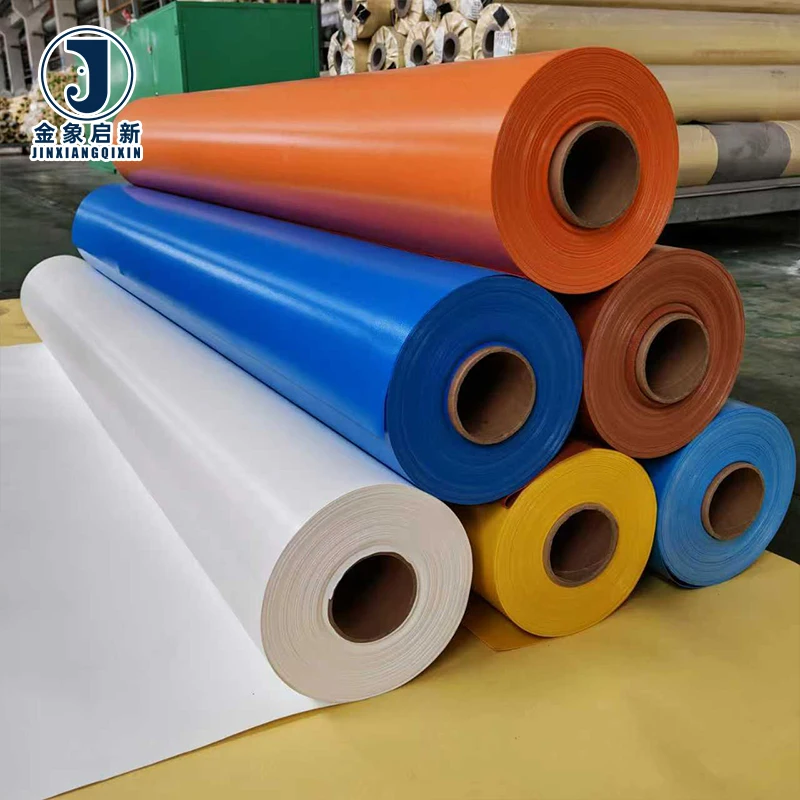
Roll-to-Roll Consistency — dedicated QA checks GSM and colour on every PVC coated tarpaulin roll before it leaves the line, so the fabric you unroll on-site matches the fabric you approved in sample.
Technical Specifications
| Parameter | Value |
|---|---|
| Product Type | PVC Coated Tarpaulin Roll |
| Material | PVC coated high-strength polyester mesh fabric |
| Weight (GSM) | 350gsm / 420g / 500gsm / 550gsm / 600gsm / 750gsm |
| Total Thickness | 0.32mm / 0.35mm / 0.4mm / 0.45mm / 0.5mm / 0.65mm |
| Coating Technology | Laminated technology & Hot-melt Coating technology |
| Standard Roll Size | 2m width × 75m length / 2.1m width × 50m length |
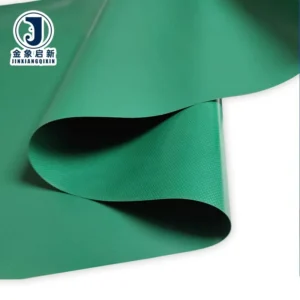
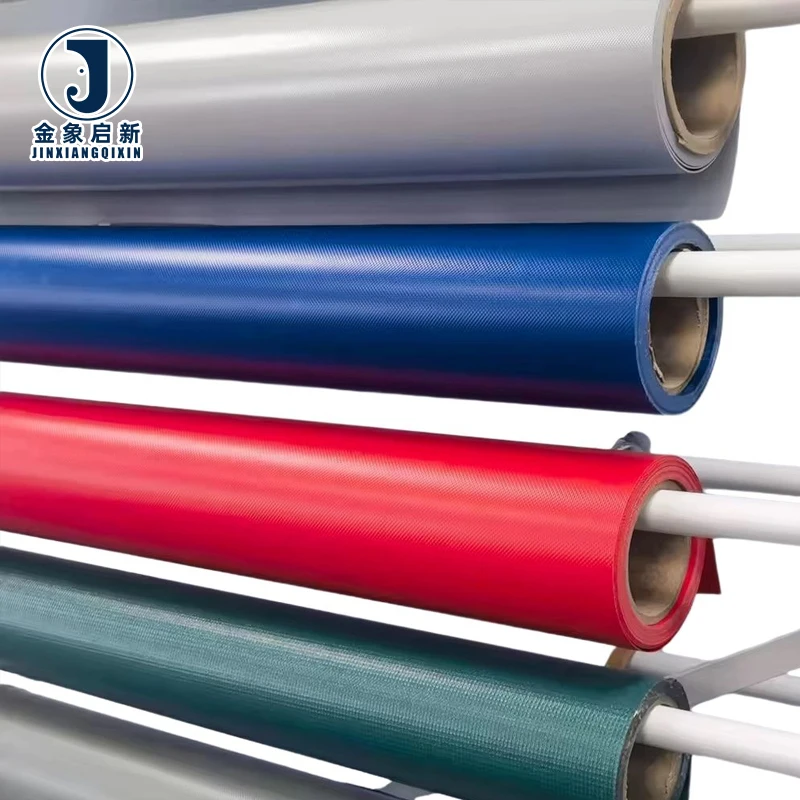
| Surface Finish | Glossy Surface or Matt Surface |
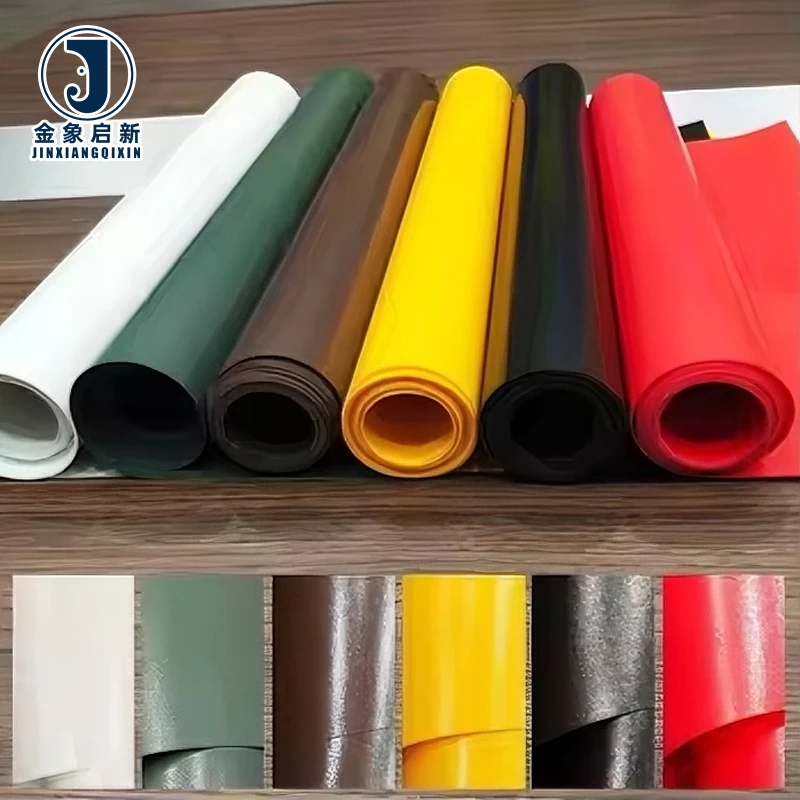
| Standard Colours | Blue / Red / Yellow / Light blue / Grey (custom colours accepted) |
| Waterproof | Double-sided 100% waterproof construction |
| Key Features | Cold crack resistance, anti-mildew, anti-static treatment, UV treatment (sunproof stated — test basis not stated in source), fire-retardant treatment (grade not stated in source), high tensile and tear strength (test standard not confirmed) |
| Standards | ISO, CE |
Application Suitability
| Application | Exposure & Requirement |
|---|---|
| Tarpaulin distributor stock | Regional resale across multiple GSM grades, requiring batch-to-batch colour match and verifiable weight per roll |
| Tent and awning fabrication | Roll-fed cutting and welding, surface finish affecting ink adhesion and seam peel strength |
| Inflatable and membrane structure | Airtight seam integrity, consistent coating thickness across the full roll width |
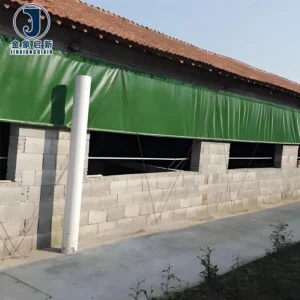
| Truck awning and side curtain | Repeated flexing, road-borne abrasion, UV exposure during transit and yard storage |
| Fish tank and pool liner | Continuous water immersion, anti-mildew treatment preventing biofilm adhesion |
Why Stated GSM Does Not Guarantee Batch Uniformity in Wholesale Roll Supply
Consistent coating weight roll-to-roll depends on in-process QA checkpoints, not just the number printed on the label.
A recurring problem in bulk PVC tarpaulin roll purchasing is receiving a container where some rolls measure lighter than the agreed GSM. The coating gap at the doctor blade or the laminating pressure drift during a long production run can shift weight without being visible to the naked eye. When that lighter material reaches a fabricator’s welding table, seam strength drops and end-user complaints follow. This is why buyers purchasing PVC coated tarpaulin roll wholesale need documented pre-shipment inspection, not just a quotation figure [NEED_CITE: tensile and tear test methods for coated fabrics per ISO 1421].
Stock Width, Roll Length and Container Loading Strategy
Roll dimensions directly determine how efficiently a container is loaded and how much material a fabricator wastes on trimming. The available 2m × 75m and 2.1m × 50m formats cover the most common cutting table widths used by tent and awning workshops. For distributors moving PVC coated tarpaulin roll bulk stock through regional warehouses, these standard sizes simplify inventory counting — each roll is one unit on the packing list, and container load plans can be calculated by roll count and total net weight before the order is confirmed.
Coating Method and Its Effect on Fabrication
The laminated and hot-melt coating processes used across this range produce different adhesion profiles between the PVC film and the polyester base cloth. Hot-melt coating forces plasticised PVC into the mesh under heat and pressure, creating a bond that resists delamination during high-frequency welding. Laminated construction layers pre-calendered PVC sheets onto the base fabric, offering a smoother surface finish that suits large-format digital printing. Fabricators selecting a PVC tarpaulin roll wholesale supply should specify which coating method they need based on whether their end product is primarily welded or printed [NEED_CITE: PVC adhesion and weld compatibility in coated fabric conversion].
Reading Beyond GSM: Base Fabric, Coating Weight and Roll Performance
GSM alone tells you how much material is in each square metre, but not how that weight is distributed between the polyester base and the PVC coating. A roll with a heavy coating on a light base fabric will feel thick but may tear easily along the warp line when under tension. Conversely, a tighter weave with a thinner coating delivers higher tear resistance but less abrasion protection. Total thickness correlates loosely with puncture resistance, yet the coating formulation — plasticiser type and filler loading — matters just as much. Surface finish choice, glossy or matt, affects more than appearance: glossy surfaces shed dirt and water more readily and accept heat-transfer branding, while matt finishes reduce glare on construction sites and provide a better mechanical key for solvent-based inks. Buyers evaluating PVC tarpaulin roll bulk orders should request the base fabric denier and weave count alongside the GSM to understand the full performance profile.
The Cost of Batch Colour Drift Across a Roll Order
When rolls in the same shipment vary in colour, the difference becomes visible the moment two panels are installed side by side on a truck curtain or a temporary structure. Rework means pulling installed fabric down, returning rolls, and waiting for replacements — costs that far exceed the original material price. Colour drift usually stems from pigment dosing inconsistency during compounding or from switching pigment batches mid-run without a side-by-side drawdown check. For wholesale buyers supplying fabricators who sell finished products under their own brand, batch colour consistency is non-negotiable. Confirming that pre-shipment inspection covers a visual roll-to-roll comparison before dispatch prevents this failure mode entirely [NEED_CITE: colour measurement and tolerance standards for coated textiles].
What Process Control Looks Like on This Product Line
Three full production lines and 36 sets of professional equipment provide the throughput needed for container-load roll orders without compressing lead times to the point where coating quality suffers. A ten-person R&D team handles material selection, colour matching and sample rolls developed within days, so buyers can approve fabric before committing to a full order. Every production stage carries a QA checkpoint — coating weight, colour, surface finish and roll winding tension — with 100% inspection recorded before dispatch. This level of control is what separates a PVC coated tarpaulin roll wholesale partner from a trading desk forwarding the cheapest available stock.
Documentation & Verification
- Material specification sheet stating GSM, base fabric denier and coating method per roll grade
- Pre-shipment inspection record confirming weight and colour consistency across all rolls in the order
- Roll packing list detailing roll count, net weight and dimensions for container loading calculation
- ISO and CE certificates covering the production facility and coated fabric output
- Test report for UV and fire-retardant grades where specified in the purchase order
- Certificate of origin and customs documentation for international roll shipments
Fabrication, Handling & Storage
- Hot-air or high-frequency welding parameters should be tested on the specific GSM and coating type ordered, as laminated and hot-melt rolls respond differently to heat input
- Glossy surface rolls accept heat-transfer and digital print better; matt surface rolls require adhesion promoter for some ink systems
- Store rolls upright on their cores in a shaded, dry area to prevent flat-spotting and permanent creasing across the 2m or 2.1m width
- Allow cold-stored rolls to reach ambient temperature before unrolling to avoid coating micro-cracking on lower GSM grades
- Cut panels should be welded rather than stitched where waterproof integrity is required, especially on lighter 350gsm and 420g grades
What to Include in Your Enquiry
To match you with the correct roll grade, supply your target GSM range, required surface finish, and whether you need standard stock widths or a custom-produced width. Specify your annual volume so that production scheduling and container-load pricing tiers can be built around your order rhythm. If your end market mandates a specific fire-retardant grade or UV performance standard, name the standard so the correct treatment is confirmed before sampling.
Frequently Asked Questions
Q: How is GSM verified on each roll before shipment?
A: Each roll is weighed and the coating weight is checked against the stated GSM on the material specification sheet. A pre-shipment inspection record documents the actual measurement for every roll in your order, and this document ships with the container. Any roll falling outside the agreed tolerance is replaced before dispatch.
Q: How do you maintain colour consistency across rolls in a single bulk order?
A: Pigment batches are locked once your colour standard is approved at sampling. During production, a drawdown comparison is made at the start and midpoint of each run. The pre-shipment inspection includes a visual roll-to-roll colour check, and any roll showing visible variation is pulled from the order before packing.
Q: What is the minimum order for a custom roll width or colour?
A: Custom widths and colours are produced on dedicated runs, so minimums depend on the roll width and GSM grade selected. Standard stock sizes in 2m × 75m and 2.1m × 50m are available in smaller quantities from inventory. Confirm your required dimensions and annual volume so a practical minimum can be quoted.
Q: Which coating method is better for welded fabrication — laminated or hot-melt?
A: Hot-melt coating generally delivers stronger peel resistance at welded seams because the PVC penetrates the polyester mesh during application. Laminated coating produces a smoother surface better suited to large-format printing. The choice depends on whether your fabrication process prioritises weld strength or print quality.
Q: What documentation accompanies a bulk roll shipment?
A: Each shipment includes a material specification sheet per grade, a roll packing list with counts and weights, the pre-shipment inspection record, ISO and CE certificates, and a certificate of origin. Where fire-retardant or UV treatment grades are specified, the relevant test reports are included in the document set.