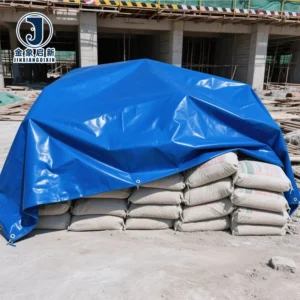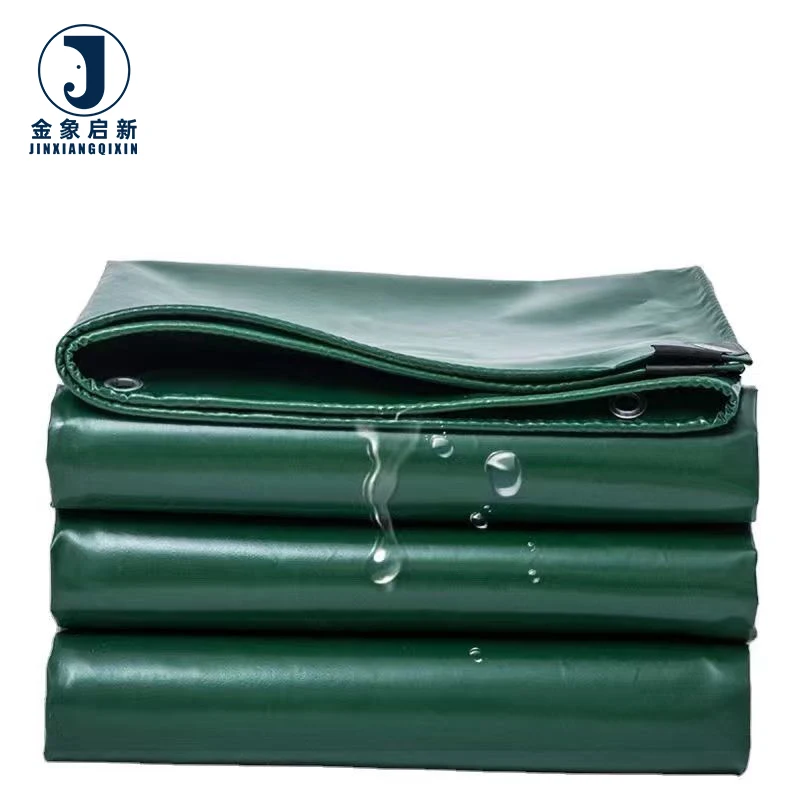
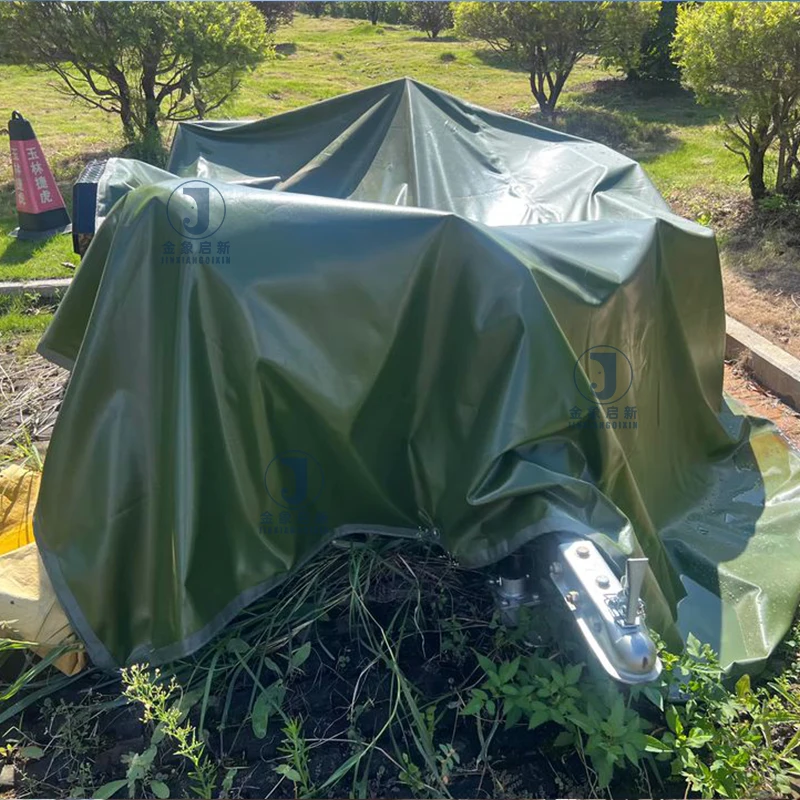
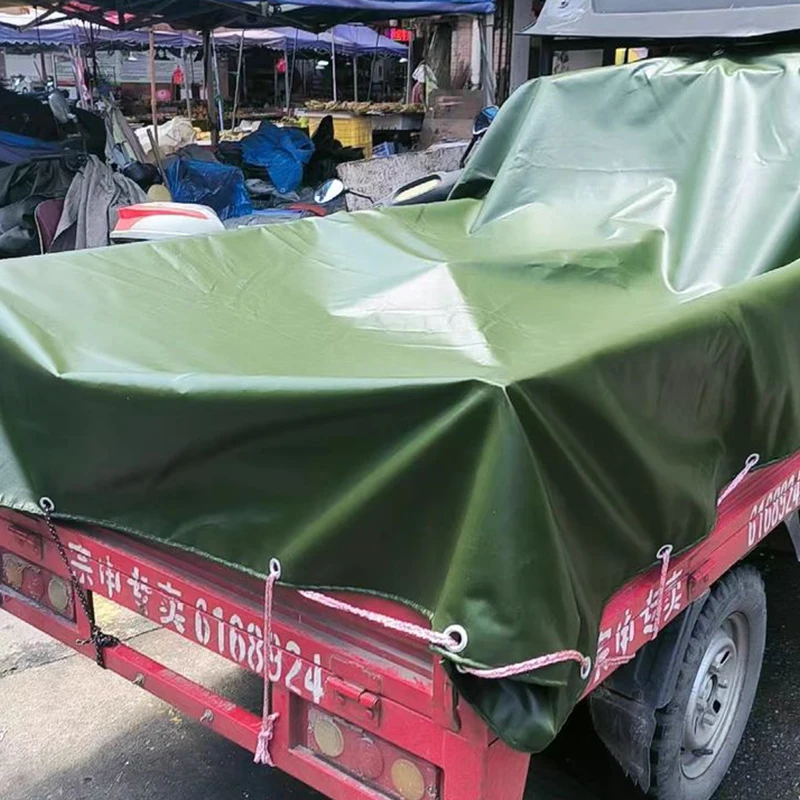
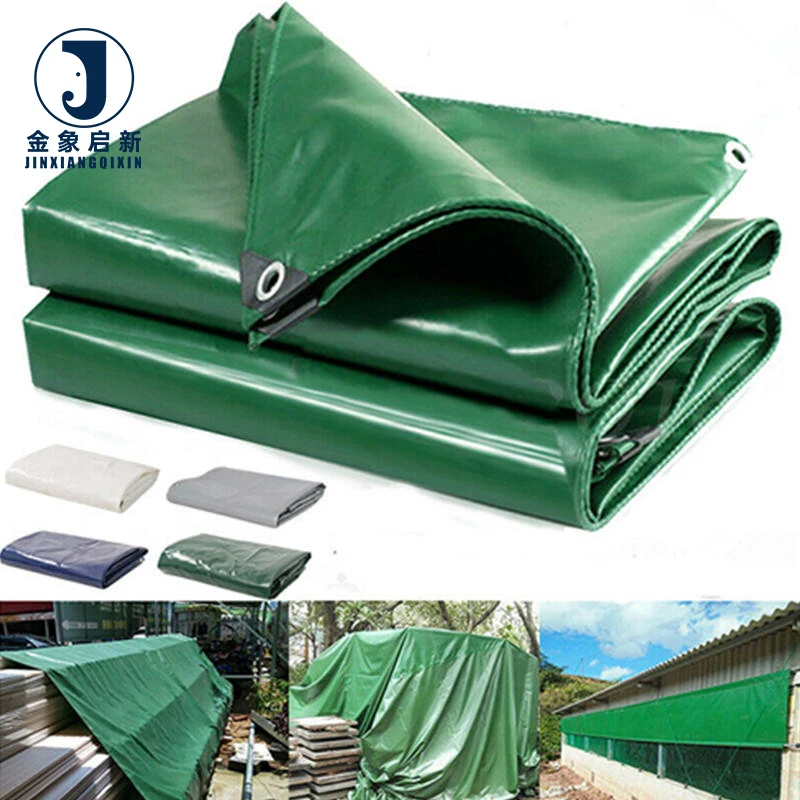
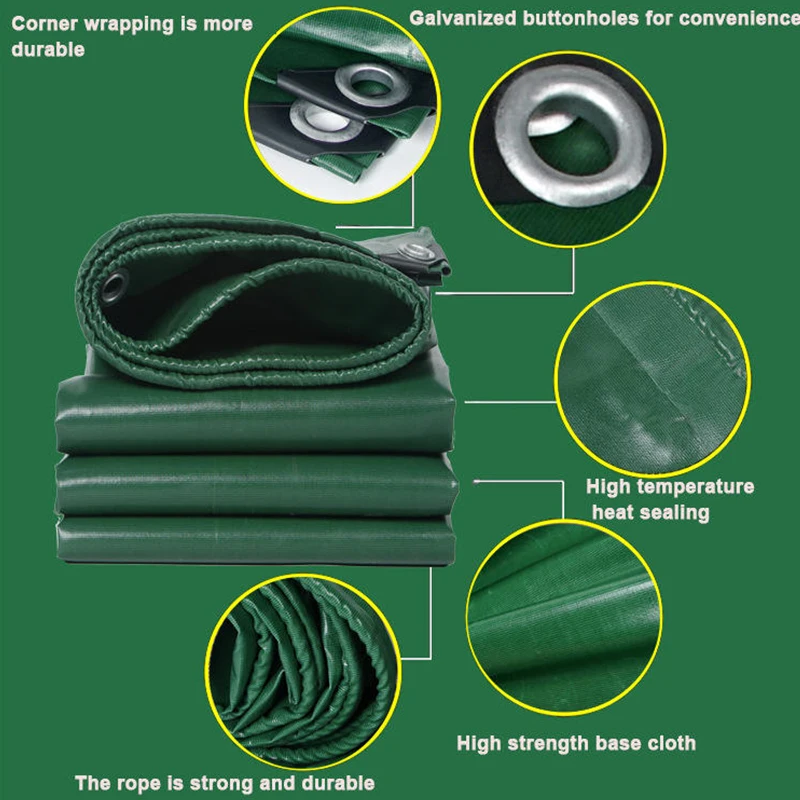
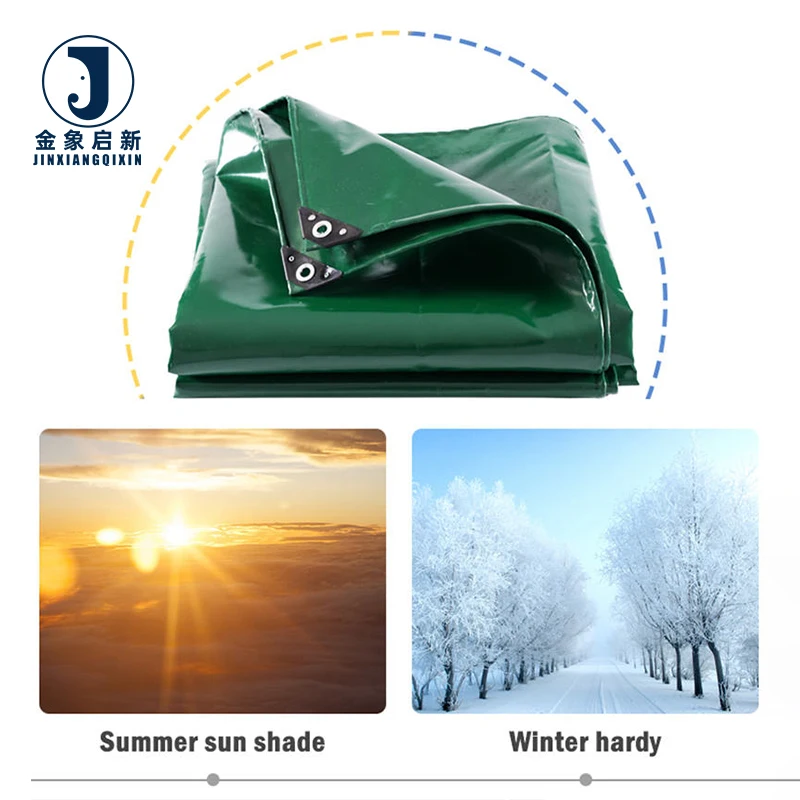
Description
Verified GSM per Roll — every roll ships with a documented weight check against the quoted specification, ensuring what you order is what lands on your warehouse floor.
Technical Specifications
| Parameter | Value |
|---|---|
| Product Type | PVC Coated Tarpaulin |
| Weight (GSM) | 250gsm-1500gsm |
| Base Fabric Denier | 200DX300D / 500DX500D / 840DX840D / 1000DX1000D |
| Coating Material | PVC |
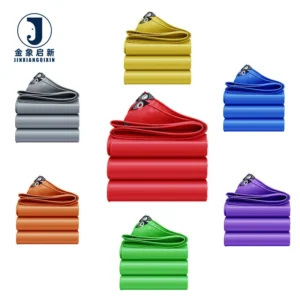
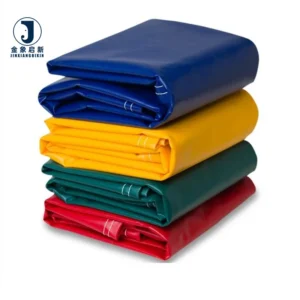
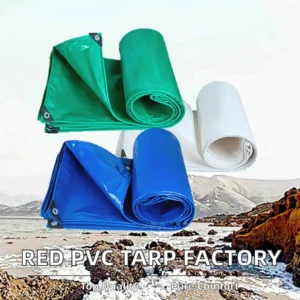
| Colour Options | Blue, Yellow, Black, Green, White, custom |
| Size Options | 3x4m, 6x8m, 8x10m, 10x12m or custom made |
| Surface Finish | Glossy or matte |
| Temperature Range | -15ºC to 70ºC |
| UV Treatment | Customized (test basis not stated in source) |
| Flame Retardant | FR treated (grade not stated in source) |
| Anti-Fungal | Anti fungal treated |
| Waterproof | Yes |
| Key Features | Water-proof, rain-resistant, tear-resistant, durable, good flexibility, abrasion resistance |
Application Suitability
| Application | Exposure & Requirement |
|---|---|
| Tarpaulin redistribution | Warehouse storage, handling abrasion, consistent colour and weight across multiple rolls for retail repackaging |
| Tent and awning production | Continuous outdoor UV exposure, seam welding at panel joints, colour matching across adjacent panels |
| Inflatable structure manufacturing | Air-holding membrane stress, repeated inflation cycles, weld integrity under internal pressure |
| Pond and reservoir lining | Permanent water contact, soil chemistry, puncture from substrate irregularities |
| Agricultural stockpile covers | Weather exposure, wind uplift at edges, repeated deployment and folding |
Why GSM Alone Misleads Wholesale Buyers on PVC Coated Tarpaulin
GSM tells you the total weight — it does not tell you how that weight is distributed between base fabric and coating, and that split determines real-world performance.
I have seen buyers order 650gsm rolls from two different suppliers and find one tears easily while the other holds firm. The difference is often in the base fabric denier and weave density. A heavy coating on a light base fabric inflates the GSM number without adding proportional tensile or tear strength. For wholesale buyers ordering container loads, this gap between stated weight and actual durability creates returns, warranty claims, and lost distributor credibility [NEED_CITE: tensile and tear test methods for coated fabrics per ISO 1421].
Batch Consistency Across a Container Load
When a distributor receives twenty rolls of PVC coated tarpaulin and the colour shifts visibly from roll to roll, the entire shipment becomes difficult to sell to end users who install panels side by side. Batch-to-batch colour control depends on master batch dosing accuracy at the coating stage. Our production lines run colour calibration checks during each run, so every roll within a single order matches the approved reference. This consistency matters most when your customers are fabricators cutting multiple panels from different rolls for a single tent or awning installation.
Roll Width Selection and Container Optimisation
Standard roll widths work for common applications, but non-standard widths reduce cutting waste for fabricators running high-volume production. Our lines support custom width runs on PVC coated tarpaulin without prohibitive minimums, allowing wholesale buyers to order widths that match their customers’ most common panel dimensions. Choosing the right roll width and length directly affects container loading density and per-square-metre freight cost — a calculation every volume buyer needs to run before placing an order.
How Denier, Coating Weight and Finish Interact
Base fabric denier sets the structural backbone of the material. A 1000DX1000D weave provides substantially higher tear resistance than a 200DX300D weave, regardless of the total coating weight applied. The PVC coating adds waterproofing, surface protection and weld-ability, but cannot compensate for a base fabric that lacks structural integrity. Glossy finishes shed dirt and water more readily and accept printed branding with sharper definition, while matte finishes reduce glare — a practical consideration for tent roofs in direct sunlight. The temperature operating range of -15ºC to 70ºC defines the boundary conditions: below this range the PVC may stiffen and crack under flex, and above it the coating can soften and become tacky [NEED_CITE: PVC coating behaviour at temperature extremes in coated fabric technical literature].
The Hidden Cost of Underspecified Rolls
A distributor who saves margin by accepting lighter-than-quoted GSM from a supplier often pays that margin back in customer complaints. Fabric that fails at the weld line before the body of the material degrades points to poor coating adhesion, not inadequate weight. Rolls that arrive with inconsistent tension cause tracking problems on automated cutting tables. Colour variation discovered after cutting and partial installation forces the fabricator to scrap finished panels. Every one of these failures traces back to a specification that was either not verified or not adequately controlled during production [NEED_CITE: common failure modes in PVC coated fabric at welded seams].
Why Volume Buyers Source Roll Stock Here
Our three full production lines and 36 sets of professional equipment give us the capacity to fulfil container-load orders with reliable scheduling. A 10-person R&D team handles custom width, colour matching and sample development within days, not weeks. Dedicated QA/QC runs at every production stage — coating weight, colour consistency, surface quality — with 100% inspection before any roll is packed for dispatch. Nearly 30 years focused on coated fabric has given us deep process control over coating adhesion and weight accuracy. Every roll ships with documentation that supports your own quality assurance chain.
Documentation & Verification
- Material specification sheet stating exact GSM, base fabric denier and colour reference per roll
- Pre-shipment inspection record covering weight verification, colour check and surface quality
- Roll packing list detailing individual roll weight and dimensions for container loading planning
- UV and flame retardant test reports supplied with shipment documentation where applicable
- Certificate of origin and customs documentation for cross-border wholesale shipments
Fabrication, Handling & Storage
- Hot air weld temperature should be adjusted based on whether the finish is glossy or matte for optimal bond
- Rolls stored horizontally on pallets to prevent permanent creasing across the full width of the PVC coating
- Allow rolls to acclimatise before unrolling in cold conditions below the stated -15ºC threshold
- Clean glossy surfaces with mild detergent to preserve surface integrity and printed branding clarity
- Plan cutting layouts to minimise waste when working with non-standard custom roll widths
Request a Quotation with the Right Detail
To give you an accurate specification and lead time, we need to know the target GSM range, preferred base fabric denier, and whether the end application requires UV or flame retardant treatment with a specific grade. Share your required roll width, typical order volume and destination market so we can align production scheduling and documentation to your supply chain. If colour matching is critical, send a reference sample or Pantone code with your enquiry so we can develop a production sample before the full run.
Frequently Asked Questions
Q: How can I verify the GSM of each roll when the shipment arrives?
A: Every roll ships with a material specification sheet stating the exact GSM and base fabric denier. We recommend cutting a measured sample from the outer layer of a representative roll and weighing it on a calibrated scale. Our pre-shipment inspection record documents the weight check performed before packing, giving you a baseline to compare against your own incoming inspection results.
Q: How do you control colour consistency across multiple rolls in one order?
A: All rolls in a single production run use the same master batch formulation with dosing checks during the coating process. We run colour comparison against the approved reference before packing. If you need rolls from separate production runs to match, provide a physical reference sample and we will confirm colour alignment before commencing the second run.
Q: What is the minimum order for a non-standard roll width?
A: Custom widths are available across our production lines without the high minimums typically associated with non-standard specifications. The exact minimum depends on the width requested and the GSM grade selected. Share your required width and annual volume in your enquiry so we can confirm the production run size and scheduling.
Q: Do UV and flame retardant treatments come with a third-party test report?
A: Where UV or flame retardant treatment is specified and confirmed for your order, we supply the corresponding test documentation with the shipment. The specific grade and test standard depend on your market requirements — confirm the grade needed for your region before placing the order so we can align the treatment and documentation accordingly.
Q: How are rolls packed for container loading and what documentation ships with the cargo?
A: Rolls are packed in carton or bale wrapping depending on the order size and transport conditions. A detailed roll packing list accompanies every shipment, showing individual roll weight and dimensions for your container loading plan. Certificate of origin, inspection records and any applicable treatment test reports are included in the shipping documentation package.