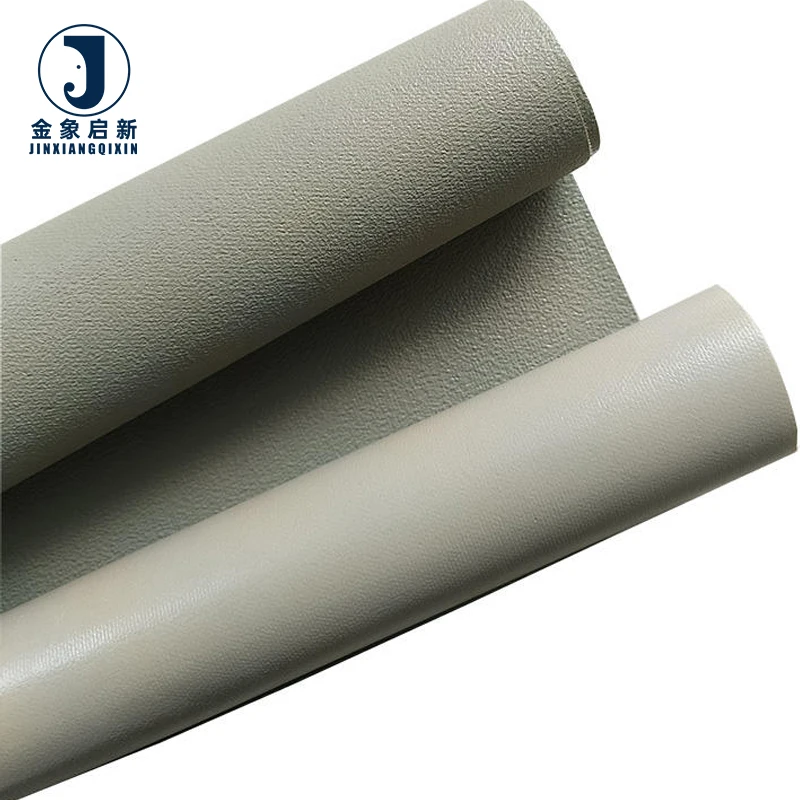
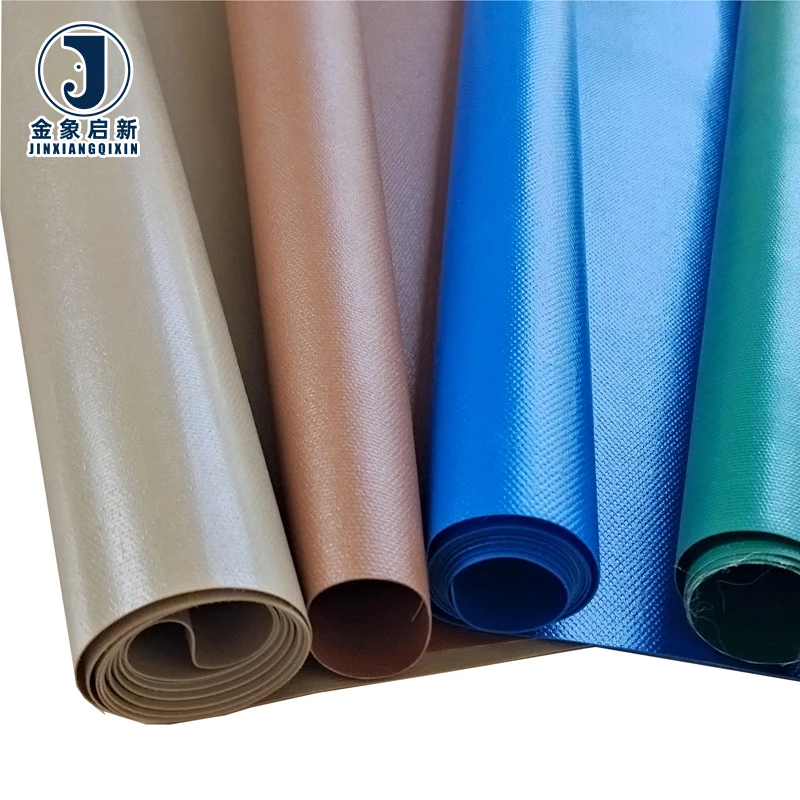
Description
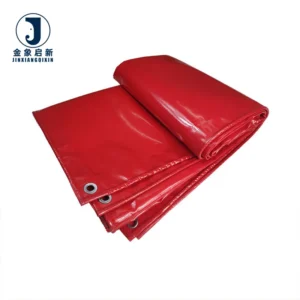
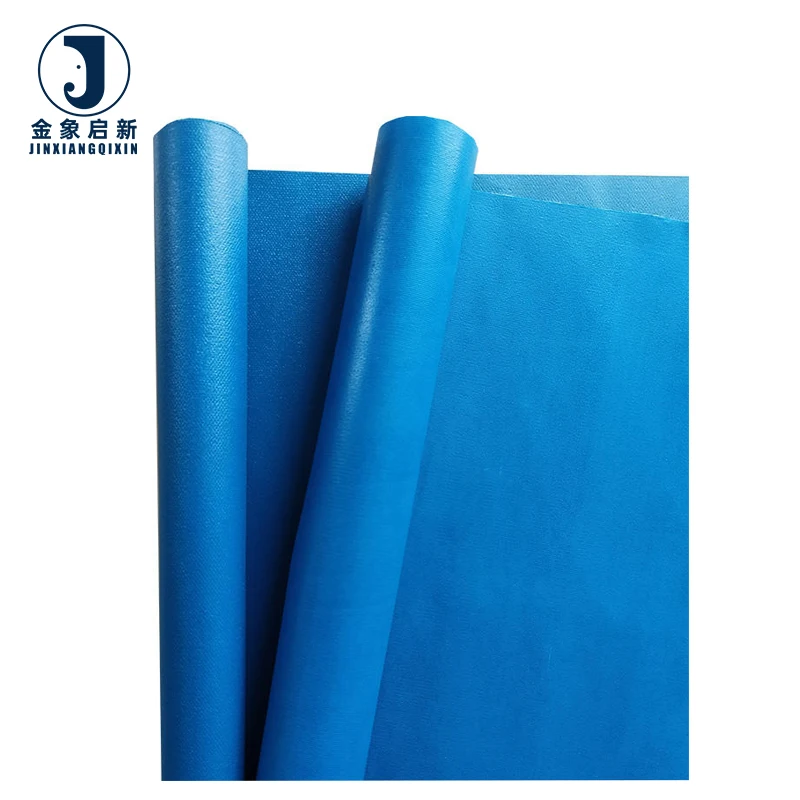
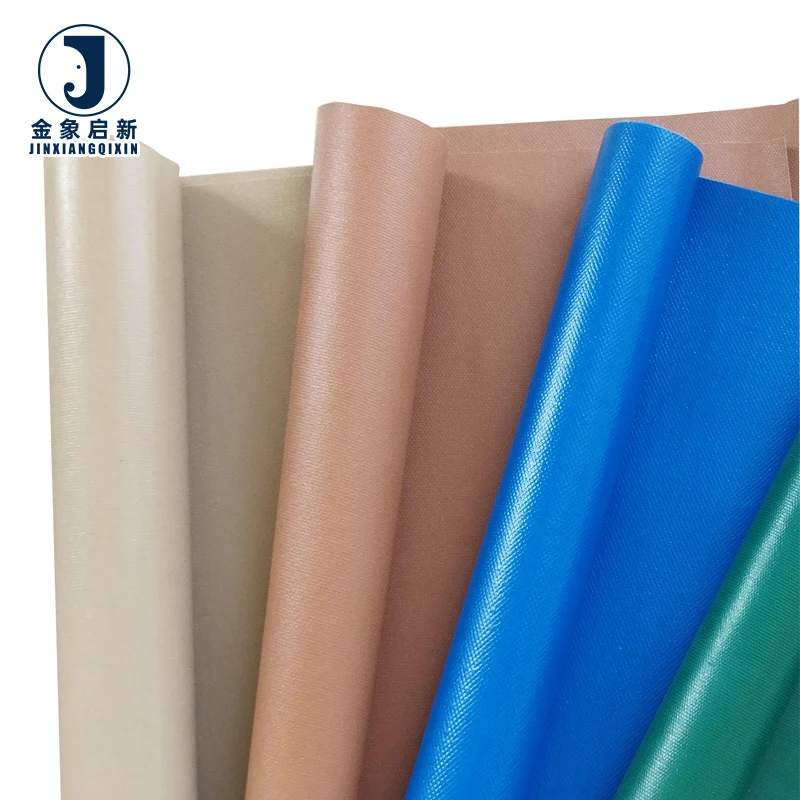
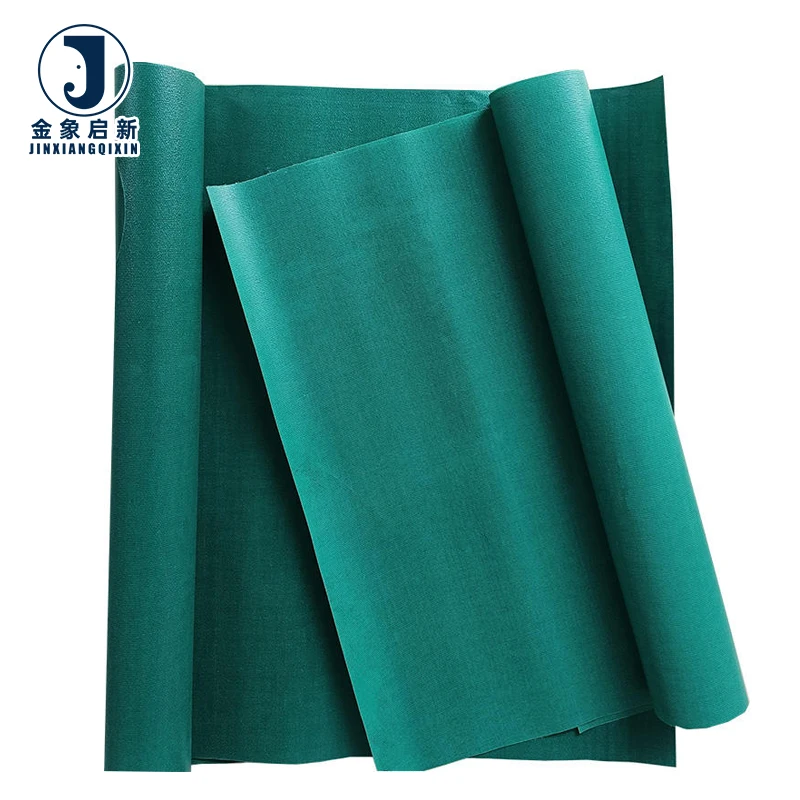
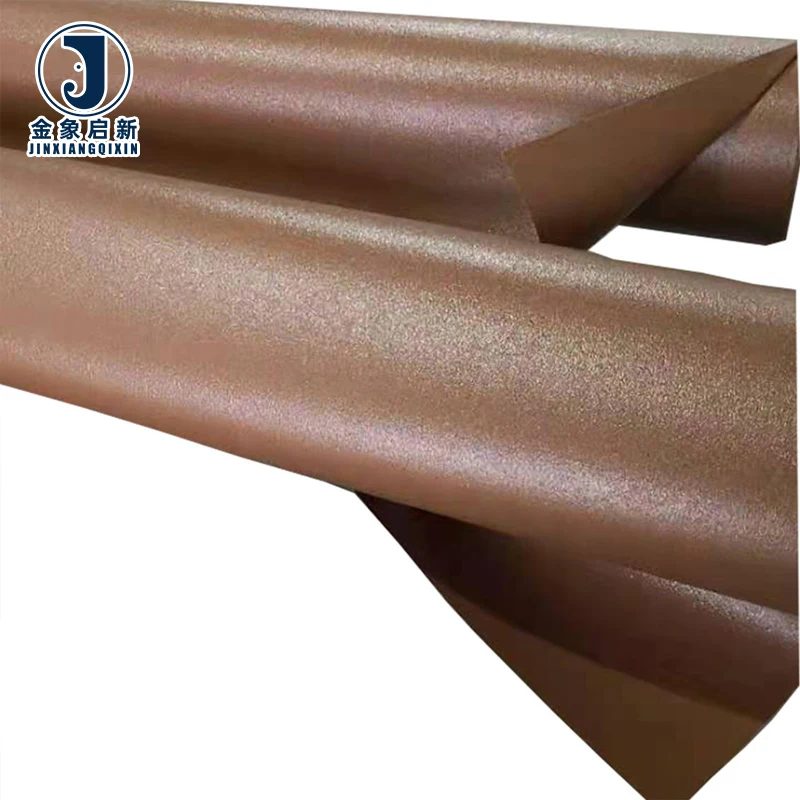
Deep Process Control — Three dedicated production lines manage coating weight and adhesion across every roll of PVC coated tarpaulin, ensuring the GSM stated on the quotation is the GSM verified before shipment.
Technical Specifications
| Parameter | Value |
|---|---|
| Product Type | PVC Coated Tarpaulin |
| Weight (GSM) | 500gsm, 600gsm |
| Coating Material | PVC |
| Waterproof | Yes |
| Flame Retardant | Available in flame retardant grades — confirm the grade required for your market |
| Anti-Static | Available on specification — confirm the standard required for your market |
| Anti-Mildew | Treated (standard not stated in source) |
| Anti-Cold | Treated (standard not stated in source) |
| Outdoor Life | 1-3 years |
| Standards | ISO, CE |
Application Suitability
| Application | Exposure & Requirement |
|---|---|
| Tarpaulin distributor warehouse stock | Consistent GSM and colour across rolls for reliable downstream cutting and resale |
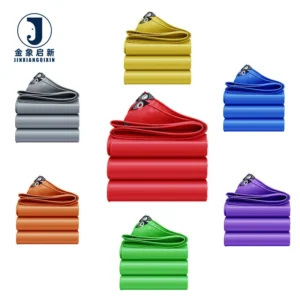
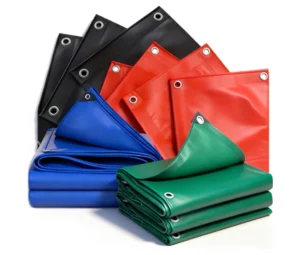
| Tent and awning fabrication | Roll-to-roll batch matching so adjacent panels show no visible shade variation after assembly |
| Transport fleet side curtain and truck cover material | Constant flexing, road abrasion, weather exposure requiring verified coating adhesion |
| Inflatable and membrane structure fabric sourcing | Uniform coating weight to support predictable hot-air welding behaviour on the fabrication floor |
Why Roll-to-Roll Weight Consistency Matters More Than the Quoted GSM
A quoted GSM means nothing if the material arriving at your warehouse weighs less.
Tarpaulin importers regularly face a frustrating pattern: the specification sheet states one weight, but the rolls on the container floor tell a different story. When PVC coated tarpaulin roll stock arrives lighter than agreed, the downstream consequences compound quickly. Fabricators cutting truck covers find the material more flexible than expected, leading to excess movement under wind load. Distributors reselling by the square metre absorb the weight shortfall silently or pass it to their customers. The coating process itself introduces variability — uneven knife pressure, inconsistent plastisol viscosity, or temperature drift across the oven zones all shift the final weight. [NEED_CITE: coating weight tolerance standards for PVC coated fabrics per ISO 2286]
Managing Batch Consistency Across a Full Production Run
Maintaining uniform weight and colour across multiple rolls in a single PVC coated tarpaulin wholesale order requires control at every stage of the coating line. The plastisol mixing ratio must remain constant from the first metre to the last, and the knife gap setting needs monitoring as the coating head wears. Colour matching is particularly sensitive — even minor shifts in pigment dispersion or oven temperature produce visible shade differences when two rolls are unrolled side by side on a fabrication table. Our three production lines operate with dedicated QA checkpoints that catch drift before it propagates through the run.
What Separates a Verified Roll from a Quoted Roll
The distinction between a roll that leaves the factory with verified weight and one shipped on the basis of a quotation figure becomes apparent only when the container is opened. We weigh sample cuts from the start, middle, and end of every production run and record the results against the target GSM. This pre-shipment inspection record travels with the documentation pack, giving the buyer a factual baseline rather than a supplier promise. For importers loading full containers, this record is the first document the quality team checks before the material moves to the cutting floor. [NEED_CITE: pre-shipment inspection practices for coated textile exports]
Reading the Specification Sheet Beyond the Weight Number
GSM alone does not define how a coated fabric performs in the field. The base fabric denier and weave density determine how the material resists tear propagation — a lighter base fabric coated heavily may reach the target GSM but will tear more easily along the warp or weft when a puncture starts. Coating adhesion, governed by the plastisol formulation and curing temperature, dictates whether the PVC layer stays bonded to the base fabric when the material flexes repeatedly, as it does on a side curtain in transit. The surface finish — glossy or matte — affects both cleaning behaviour and the adhesion of printed branding. Anti-mildew and anti-cold treatments modify the compound formulation to resist fungal growth in humid storage and maintain flexibility at lower ambient temperatures. Each of these variables interacts with the others, which is why a material specification sheet must capture the full picture rather than relying on a single weight figure.
The Hidden Cost of Specification Gaps in Roll Stock
When a batch of PVC coated tarpaulin rolls arrives with inconsistent colour across the production run, the fabricator faces a choice between absorbing waste or shipping mismatched panels to the end customer. Either outcome damages commercial relationships. Rolls that fall below the quoted GSM may pass initial receiving inspection but fail prematurely at stress points — welded seams, eyelet lines, and areas of repeated flex. Anti-mildew treatment claimed on the invoice without a test standard behind it offers no assurance when rolls sit in a humid port warehouse for weeks before clearance. These specification gaps rarely surface until the material is in use, at which point the cost of replacement, re-fabrication, and freight far exceeds the original fabric savings. [NEED_CITE: common failure modes in PVC coated tarpaulin applications]
Sourcing Coated Fabric Rolls with Confidence
Our coating lines run dedicated QA stages that verify GSM at multiple points during each production run, not just at the final inspection. Roll-to-roll colour matching is checked against approved reference samples before any roll is released for packing. Flame retardant and anti-static treatments are supplied with supporting test documentation where the specification calls for them, so your technical team has the evidence needed for compliance review. Custom widths, colours, and surface treatments are sampled within days, allowing you to confirm the material before committing to a full container order. Every dispatch ships with a complete documentation pack — specification sheet, inspection record, and packing list — so the receiving warehouse knows exactly what is in the container before the doors open.
Documentation & Verification
- Material specification sheet stating exact GSM, base fabric construction, coating type, and colour reference for each roll
- Pre-shipment inspection record with measured GSM values, not quoted figures alone
- Roll packing list with individual roll weights and total net and gross weight for container loading
- Test reports for flame retardant and UV grades supplied when specified on the purchase order
- Certificate of origin and customs documentation for cross-border shipment
Fabrication, Handling & Storage
- Hot-air welding temperature should be calibrated to the specific PVC coating weight before production runs begin
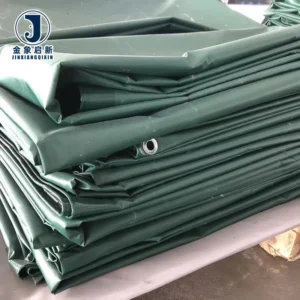
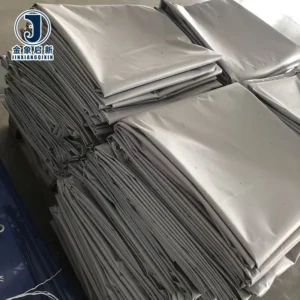
- Store rolls upright on pallets to prevent flat-spotting and permanent creasing across the 500gsm or 600gsm material
- Unroll and allow the anti-cold treated fabric to acclimatise before cutting in low-temperature workshop conditions
- Match eyelet spacing and reinforcement tape width to the base fabric denier for reliable tie-down load transfer
- Clean glossy surfaces with neutral pH detergent to avoid degrading the anti-mildew treatment over repeated washes
Requesting a Roll Stock Quotation
Specify the GSM grade, roll width, and total metreage you need so we can confirm availability and lead time. If your market requires flame retardant or anti-static certification, state the standard your end customer demands so the correct treatment and documentation are included. For custom colour or print requirements, request a sample roll section before placing the bulk order to confirm shade match and surface finish.
Frequently Asked Questions
Q: How is GSM verified on each roll before shipment?
A: Sample cuts are taken from the start, middle, and end of every production run and weighed against the target GSM. Results are recorded on the pre-shipment inspection report that ships with your documentation pack. This gives you measured data, not just the figure from the original quotation.
Q: What roll widths are available, and can custom widths be ordered?
A: Standard widths are produced across our three coating lines to suit common container loading configurations. Custom widths are available with a short sample development lead time, allowing you to confirm the specification and cutting yield before the full production run is scheduled.
Q: How is batch-to-batch colour consistency controlled?
A: Pigment batches are matched against approved reference samples before the coating run begins. During production, operators check colour at regular intervals to catch any drift early. Rolls from the same order are grouped so that fabricators cutting adjacent panels from consecutive rolls see no visible shade variation.
Q: What flame retardant grades are available and which standards apply?
A: Flame retardant treatment is available in multiple grades to meet different market requirements. Confirm the specific standard your end customer or local regulation demands — such as a building code classification or transport industry specification — so the correct formulation and supporting test documentation are supplied.
Q: How are rolls packed and loaded for container shipment?
A: Each roll is individually wrapped and identified with its GSM, colour reference, and net weight. A detailed packing list accompanies every container, listing roll count, individual weights, and total gross weight to support your receiving inspection and warehouse inventory management.