Description
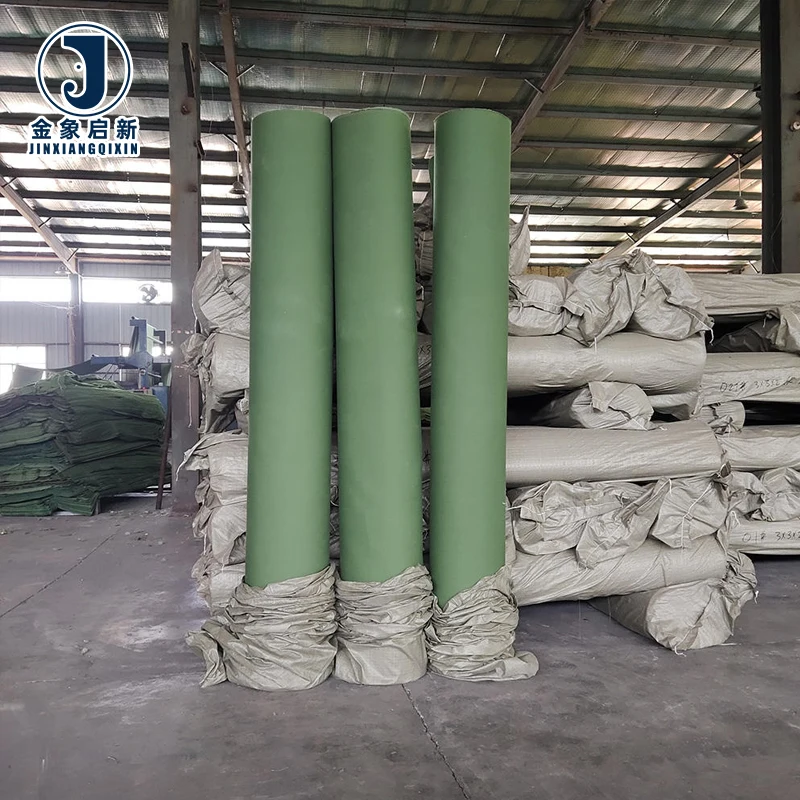
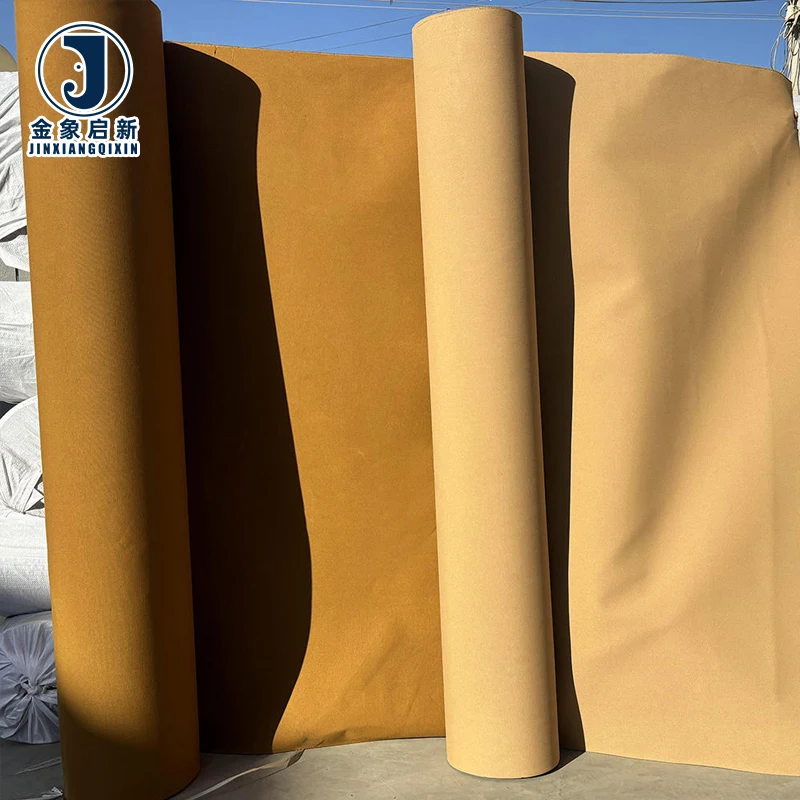
Roll-to-Roll Consistency — Every roll of heavy duty PVC laminated woven canvas tarpaulin undergoes in-process QA with 100% pre-shipment inspection to ensure batch-to-batch colour and coating weight uniformity across your container load.
Technical Specifications
| Parameter | Value |
|---|---|
| Product Type | PVC Laminated Tarpaulin |
| Coating Method | Laminated |
| Coating Material | PVC |
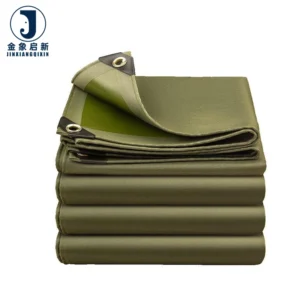
| Base Fabric | Woven Canvas |
| Waterproof | Yes |
| Heat Resistant | Yes (grade or temperature range not stated in source) |
| Tear Resistant | Yes (test basis not stated in source) |
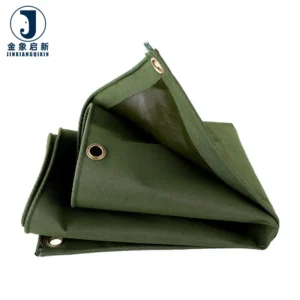
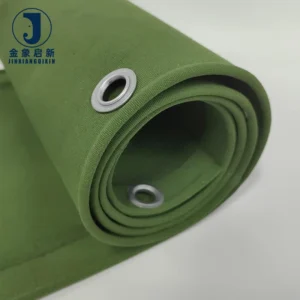
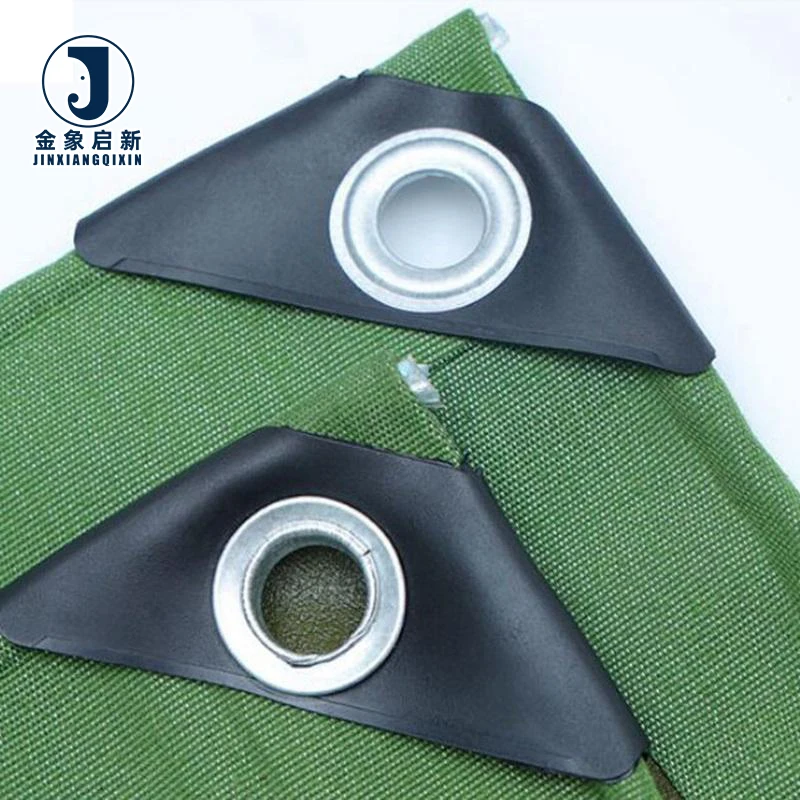
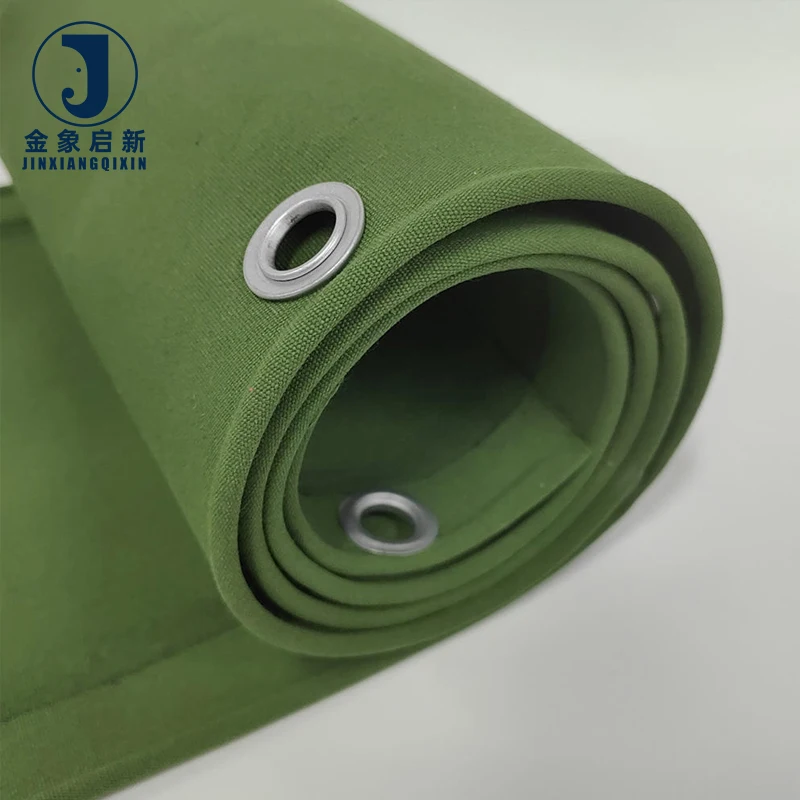
| Edge Finishing | Eyelets installed on all four sides |
| UV Treatment | Available in UV treated grades — confirm the treatment level required for your market |
| Flame Retardant Grade | Available in flame retardant grades — confirm the grade required for your market |
Application Suitability
| Application | Exposure & Requirement |
|---|---|
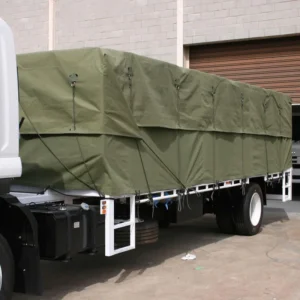
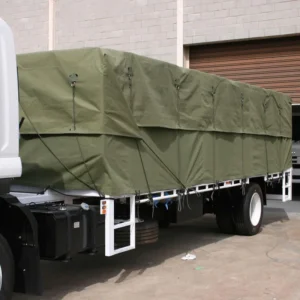
| Truck and trailer side curtains | Continuous road abrasion, wind flexing, high-speed weather impact, frequent rolling and unrolling at flex points |
| Construction site equipment covers | Prolonged UV exposure, dust and debris abrasion, overnight moisture, rough handling by site crews |
| Outdoor ground and floor mats | Direct soil contact, foot and vehicle traffic abrasion, standing water, puncture from sharp aggregate |
| Temporary roof and weather shelters | Sustained wind load, heavy rain pooling, thermal cycling between sun exposure and night cooling |
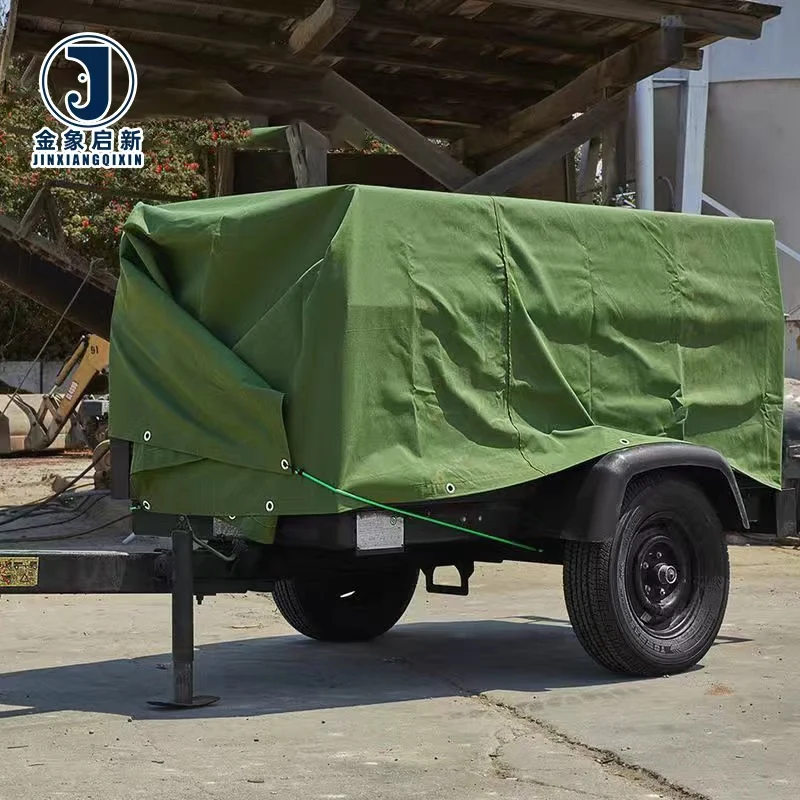
| Engine hood and vehicle covers | Localised heat exposure, oil and fluid contact, repeated fitting and removal causing edge wear |
Why Colour Drift Across Rolls Destroys Wholesale Margins
Batch colour uniformity is controlled through in-line coating checks, not post-production sorting.
When you buy PVC laminated canvas tarpaulin by the roll, a half-shade difference between roll three and roll seven becomes obvious the moment a fabricator lays them side by side on a cutting table. Distributors who ship inconsistent rolls face returns from their own customers, and fleet operators installing side curtains on matched trailers cannot accept visible panel variation. [NEED_CITE: colour measurement tolerances for coated textiles per ISO 105 series]. The cost of replacing one rejected roll often exceeds the margin on ten accepted ones, making upstream colour control a wholesale economics issue, not just an aesthetic preference.
Consistent Coating Weight Across Every Roll in Your Order
Laminated PVC coating on a woven canvas base requires precise temperature and pressure control at the bonding nip. When lamination parameters drift, the coating weight per square metre shifts, and that variation shows up as stiffness differences between rolls that fabricators notice immediately during cutting and welding. Our production lines maintain lamination settings within a narrow band, and QA staff sample every roll to confirm the PVC laminated canvas tarpaulin meets the stated specification before it moves to packing.
Volume Supply Without the Custom-Order Lead Time Penalty
Standard widths and roll lengths of PVC laminated canvas tarpaulin are held in production rotation, meaning wholesale buyers ordering full container loads receive material from a continuous production run rather than a short-run batch mixed with other grades. This approach reduces the risk of cross-contamination between coating formulations and keeps roll-to-roll behaviour predictable for fabricators running automated cutting tables. [NEED_CITE: roll consistency requirements for automated fabric cutting systems].
Reading the Specification Sheet Before You Commit to a Container Load
The woven canvas base fabric provides the structural backbone, while the laminated PVC coating delivers waterproofing and surface durability. Coating weight and base fabric denier together determine how the material handles tensile load at tie-down points and tear propagation at cut edges. Heat-resistant formulation extends the range of environments where the tarpaulin performs without softening or delaminating — particularly relevant for engine bay covers and roof applications in high-ambient-temperature regions. [NEED_CITE: relationship between base fabric denier and tear propagation in coated fabrics]. Eyelets installed on all four sides distribute tie-down stress across a wider area of the canvas weave, reducing the chance of pull-through under wind load.
The Hidden Cost of Underspecifying Roll Stock for Resale
Distributors who source PVC laminated canvas tarpaulin on price alone often discover the problem downstream: a lighter base fabric weave that tears at the eyelet under real tie-down load, or a coating that delaminates at the welded seam after one season of flex. Fabricators who receive inconsistent roll stiffness must recalibrate their welding equipment mid-run, generating scrap and delaying shipments to their own customers. [NEED_CITE: common causes of delamination in laminated tarpaulin fabrics]. These failures trace back to a specification sheet that listed a target GSM without controlling the base fabric construction or the lamination bonding parameters that hold the coating to the weave.
What Consistent Wholesale Supply Actually Requires
Three full production lines and 36 sets of professional equipment allow us to run PVC laminated canvas tarpaulin in volume without compressing the coating cycle to meet a deadline. A 10-person R&D team handles custom width, colour matching, and sample development within days so you can confirm material behaviour before committing a container order. Dedicated QA at every production stage — not just final inspection — catches coating weight drift and colour shift before rolls reach the packing area. [NEED_CITE: in-process quality checkpoints for coated fabric manufacturing]. Every shipment leaves with a pre-shipment inspection record documenting roll-by-roll verification, so you know exactly what arrived matches what was ordered.
Documentation & Verification
- Material specification sheet stating GSM, base fabric construction, and PVC coating weight for each roll batch
- Pre-shipment inspection record with roll-by-roll weight and visual check before container loading
- Colour reference card matched against all rolls in the same shipment to confirm batch uniformity
- Roll packing list with individual roll weight and dimensions for container load planning
- UV and flame retardant test reports provided where applicable grades are specified at order
- Certificate of origin and customs documentation prepared per destination country requirements
Fabrication, Handling & Storage
- Laminated PVC coating responds well to hot-air welding; confirm temperature settings match the coating weight of your roll batch
- Eyelets on all four sides require reinforced hem folding to distribute load across the woven canvas base fabric
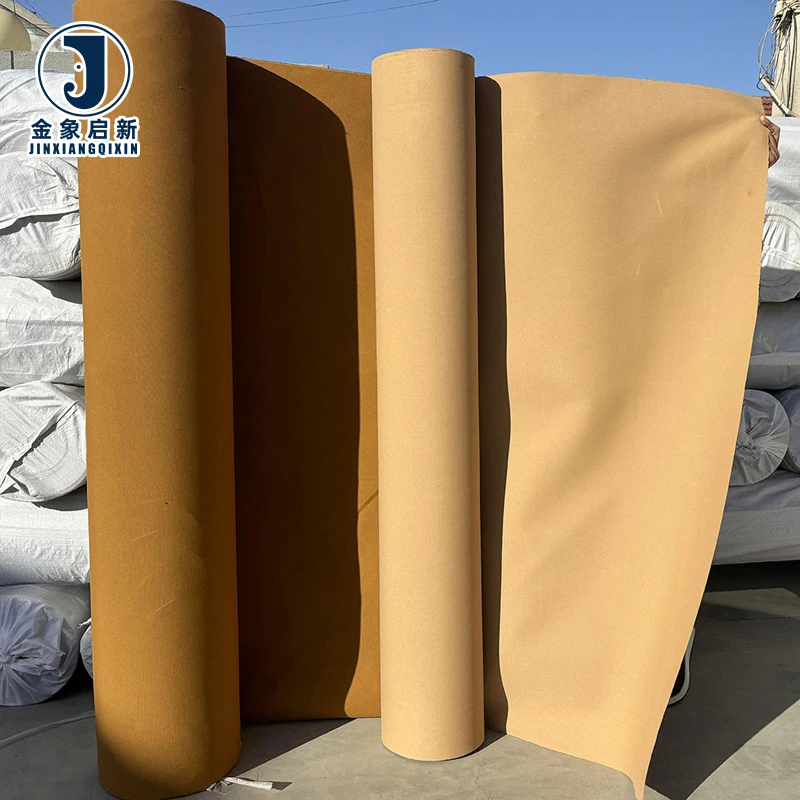
- Store rolls upright on pallets in a dry area to prevent edge crushing and permanent creasing of the laminated surface
- Allow cold-stored rolls to reach ambient temperature before unrolling to avoid coating crack at low-temperature flex
- Use mild detergent for surface cleaning; solvent-based cleaners may degrade the PVC laminated coating over time
- Plan cut layouts to minimise offcut waste, especially on wider roll stock where remnant pieces are harder to resell
What We Need to Quote Your Roll Order Accurately
Tell us the target GSM or weight range, the roll width and length you need, and the annual volume so we can confirm production slot availability. If your market requires a specific flame retardant grade or UV treatment level, share the standard your end users reference so we match the correct formulation. Let us know whether you need plain rolls or if pattern printing and branded labelling are part of the specification.
Frequently Asked Questions
Q: How is GSM verified roll by roll before shipment and what do I check on arrival?
A: Our QA team samples each roll during production and again at final inspection, recording actual weight against the stated GSM on the pre-shipment inspection report. On arrival, cut a measured square from one roll per batch, weigh it on a calibrated scale, and compare against the documentation provided. Any discrepancy beyond normal tolerance should be flagged immediately before cutting begins.
Q: How do you ensure colour consistency across multiple rolls in one order?
A: All rolls in a single container order are produced from the same PVC compound batch under continuous lamination run conditions. We match every roll against the approved colour reference card at the packing stage and document the result on the inspection record. If your project demands panels installed side by side, request the colour match report before dispatch.
Q: What standard widths and roll lengths are stocked, and can I order custom dimensions?
A: Standard widths and lengths are maintained in regular production rotation for fast dispatch on wholesale orders. Custom widths, lengths, and colours are available with a short sample development lead time so you can verify fabrication behaviour before committing to bulk. Contact us with your target dimensions and volume to confirm MOQ and production scheduling.
Q: How are rolls packed for container loading to prevent transit damage?
A: Each roll is wrapped to protect the laminated PVC surface from abrasion during handling and loaded according to a container plan that accounts for roll weight and diameter. The packing list provided before dispatch details roll count, individual weight, and loading position so you can plan unloading and warehouse placement efficiently on arrival.
Q: What is the MOQ for custom width, colour or print on PVC laminated canvas rolls?
A: Custom specifications including non-standard width, Pantone colour matching, and printed branding carry a minimum order tied to production run efficiency rather than a fixed number. Our R&D team develops samples within days so you can approve material and print quality before the bulk run begins. Share your required dimensions and annual volume for a precise MOQ confirmation.