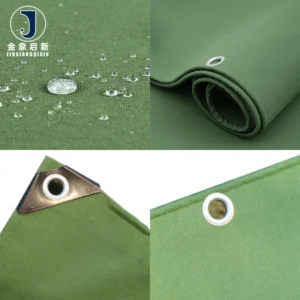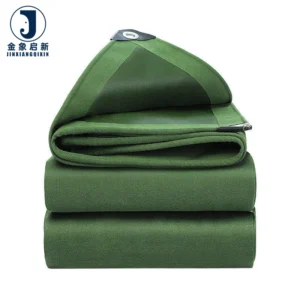
Description
Production consistency across rolls — PVC coated tarpaulin in roll stock is only as valuable as its batch-to-batch repeatability, and with three full lines plus 36 dedicated machines we hold GSM, colour and adhesion within tight tolerances before any roll is cleared for dispatch.
Technical Specifications
| Parameter | Value |
|---|---|
| Product Type | PVC Tarpaulin |
| Material | PVC + High-strength polyester mesh fabric |
| Weight (GSM) | 350gsm / 420gsm / 500gsm / 550gsm / 600gsm / 750gsm |
| Total Thickness | 0.32mm / 0.35mm / 0.4mm / 0.45mm / 0.5mm / 0.65mm |
| Coating Method | Laminated technology & Hot-melt Coating technology |
| Roll Width | 2m, 2.1m |
| Roll Length | 75m, 50m |
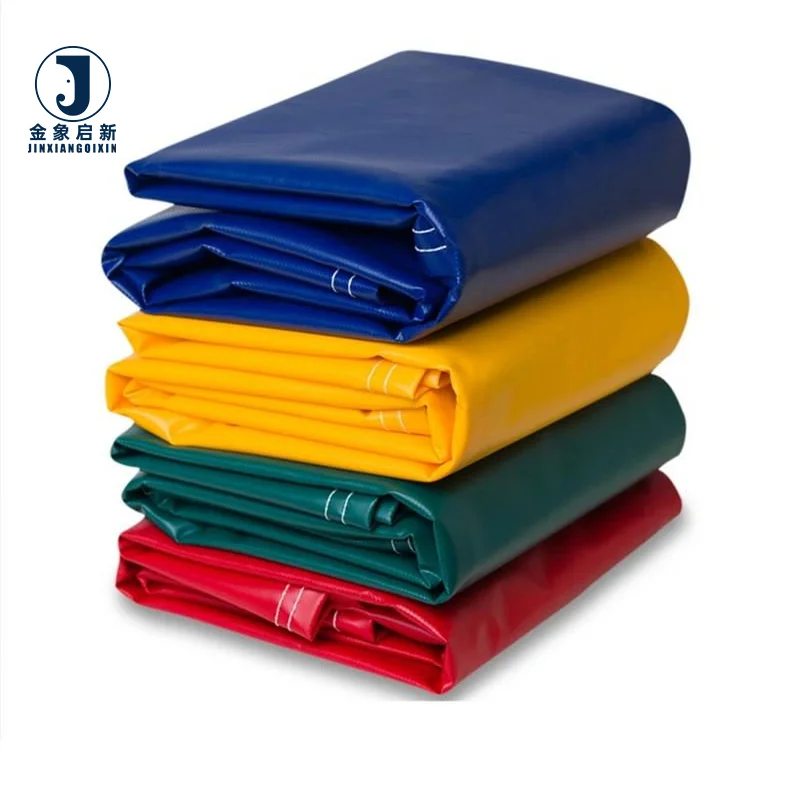
| Color | Blue / Red / Yellow / Light blue / Grey (Customized) |
| Finish Product Size | Custom cut sizes or sold by inventory roll |
| Key Features | Waterproof, sunproof, cold crack resistant, anti-mildew, anti-static (grade not stated — confirm requirement), outstanding tearing strength for welding, best color fastness |
| Standards | ISO, CE |
Application Suitability
| Application | Exposure & Requirement |
|---|---|
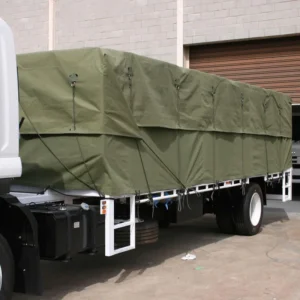
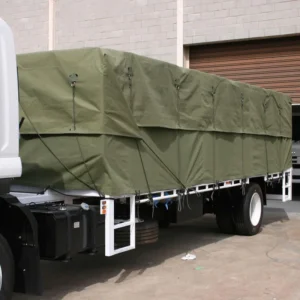
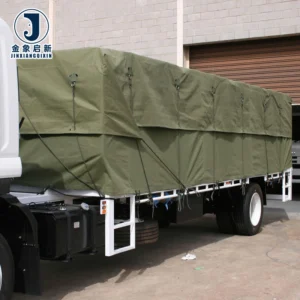
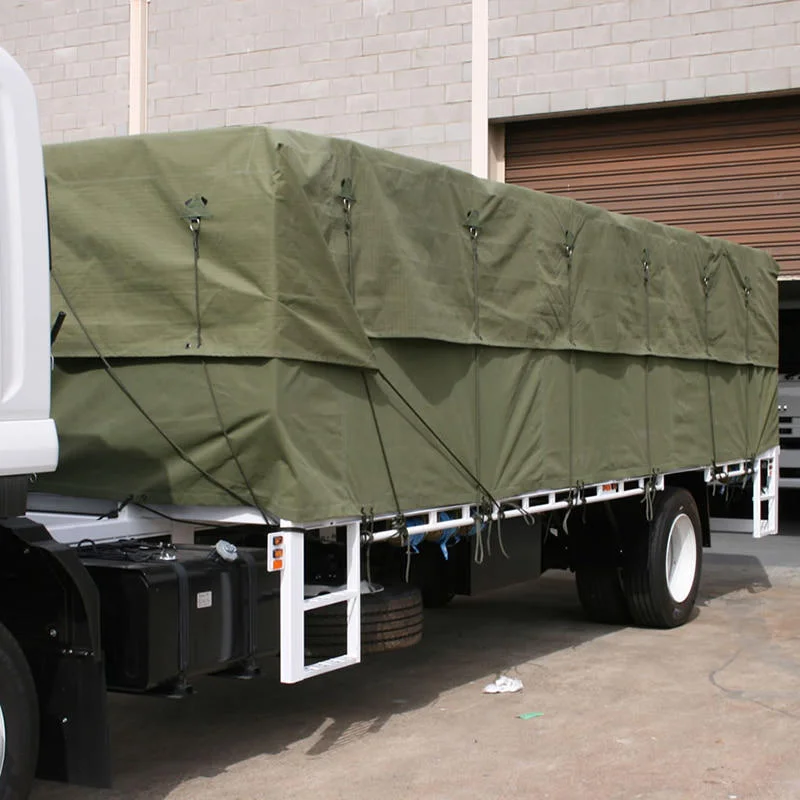
| Truck and trailer side curtains | Constant flexing at load points, road abrasion, weather and UV exposure, colour match across multiple panels |
| Container and cargo covers | Prolonged outdoor storage, moisture ingress prevention, tie-down stress at hem and eyelet zones |
| Tarpaulin distributor roll stock | Secondary cutting and fabrication, batch colour consistency, weld seam reliability for value-added products |
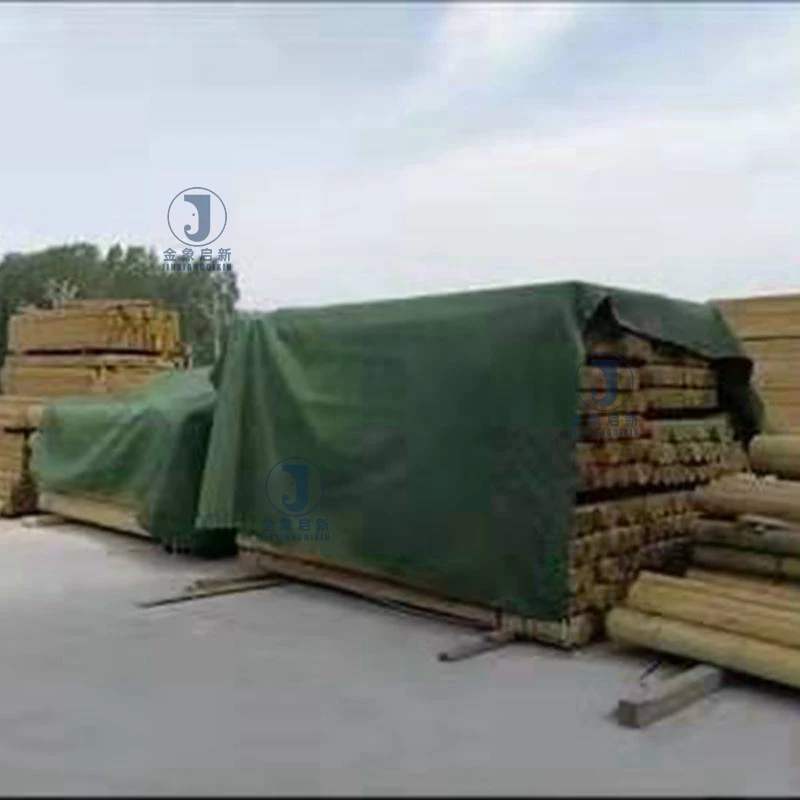
| Tent and temporary structure covers | Wind loading, repeated assembly and teardown, UV degradation over extended deployment |
Why Roll-to-Roll Colour Consistency Matters More Than You Think
Colour shift between rolls within the same PVC coated tarpaulin roll order is one of the most frequent complaints from wholesale buyers — visible the moment panels are installed side by side on a trailer or structure.
Consistent pigment dosing at the coating head, verified by spectrophotometer at every production stage, is what prevents it.
When you buy container-load volumes, even a minor Delta E shift between the first roll and the last can mean rejected deliveries, costly re-sorts at your warehouse, or — worse — a finished truck curtain that looks patched together. We track pigment batches from raw material lot through to final roll, so what you specify is what arrives. [NEED_CITE: spectrophotometric colour matching standards for coated textiles]
Roll Width and Length Options for Container Loading Efficiency
Two standard roll widths are available: 2m × 75m and 2.1m × 50m. These dimensions are not arbitrary. They are engineered around the internal width of a standard shipping container, allowing rolls to be loaded without dead space and minimising the number of butt joints when fabric is laid flat for cutting.
For wholesale buyers filling a 20GP or 40HQ, we provide container loading calculations showing roll count and total weight, so you can plan freight costs before placing the order. Choosing the right roll size reduces your waste percentage at the fabrication stage and keeps your per-square-metre landed cost predictable.
Hot-Melt Coating vs. Laminated Technology — What Each Delivers
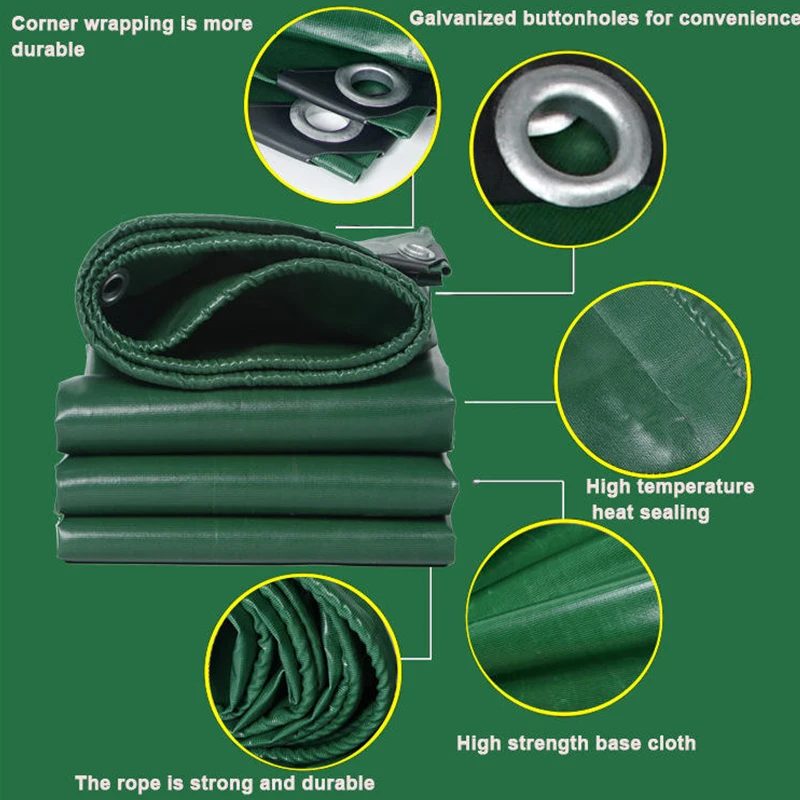
This PVC tarpaulin aftermarket supplier range uses both hot-melt coating and laminated technology. Hot-melt coating drives the PVC compound into the polyester mesh under heat and pressure, producing a bond that resists delamination during high-frequency welding.
Laminated technology sandwiches a PVC film onto the base fabric, offering a smoother surface finish that suits printing and applications where visual appearance matters. Both methods are available across the full GSM range, and the choice depends on your downstream fabrication process — whether you are welding seams on truck curtains or screen-printing branding onto awning panels. [NEED_CITE: adhesion strength comparison between hot-melt and laminated PVC coating methods]
Reading the Specification Sheet Beyond GSM
GSM tells you weight per square metre, but weight alone does not determine how a PVC coated tarpaulin roll will perform under tension. The base fabric denier and weave density dictate tensile and tear strength; the coating thickness and adhesion method determine whether the fabric tears cleanly or delaminates at the weld.
A 550gsm roll with a dense 1000D × 1000D base and hot-melt coating will outperform a 600gsm roll built on a lighter scrim with a thicker, poorly-bonded coat. The total thickness figures — ranging from 0.32mm to 0.65mm across the weight grades — correlate with coating build, not necessarily with tear resistance. Request the full material specification sheet showing base fabric count, yarn denier and coating adhesion values to make an informed comparison.
The Hidden Cost of Unchecked GSM on Arrival
Quoted GSM that is not verified on arrival is the single most common cause of early field failure in PVC tarpaulin wholesale. A roll that is 40gsm lighter than specified may look and feel similar on the production floor, but once installed on a truck flexing under load, the lighter base fabric reaches its tear threshold sooner.
Weld seams, which depend on a minimum coating thickness to fuse properly, fail before the fabric body does. The result is warranty claims, replacement shipments and eroded margins. [NEED_CITE: correlation between coating weight deviation and weld seam failure in PVC tarpaulins] We cross-check every roll against the quoted GSM with calibrated scales before it enters the packing area.
Why Sourcing This Range Here Works for Volume Buyers
Three full production lines and 36 sets of professional equipment support bulk roll output without compressing lead times on custom colour or width orders. A 10-person R&D team handles pattern printing, sample development and non-standard sizing directly — your enquiry does not sit in a queue.
Every production stage has dedicated QA/QC, and rolls undergo 100% inspection before shipment rather than statistical sampling. Samples for custom requirements are developed within days, not weeks, so you can confirm colour, hand-feel and weld compatibility before committing to a container load. ISO and CE certified processes underpin the documentation you need for customs clearance in your destination market.
Documentation & Verification
- Weight verification per roll against stated GSM logged before dispatch
- Material specification sheet listing base fabric denier, coating weight and colour reference number
- Test reports for UV and flame-retardant grades provided where applicable to the order
- Pre-shipment inspection record accompanying each container load
- Roll packing list with individual roll dimensions, net weight and batch number
- Certificate of origin and customs support documentation included
Fabrication, Handling & Storage
- Hot-air welding at 400–550°C suits the hot-melt coated grades; test on a scrap piece of the same GSM first
- High-frequency welding performs well on the laminated technology variants for clean seam edges
- Store rolls upright on pallets in a dry, shaded warehouse to prevent compression creases on the coating surface
- Allow cold-stored rolls to reach ambient temperature before unrolling to avoid coating micro-cracking
- Use PVC-compatible solvent cleaners; avoid ketone-based products that attack the plasticiser layer
- Plan cutting layouts around the 2m or 2.1m roll width to minimise off-cuts on standard trailer panel sizes
What We Need from You to Move Forward
To provide an accurate quotation and lead time, share your target GSM, preferred roll width and length combination, and annual volume estimate. If you need a specific colour match or printed branding, send a Pantone reference or physical sample.
Let us know whether you require rolls only or also custom cut-and-finished sizes, and whether your market demands fire-retardant or anti-static certification so we can include the relevant test documentation with the shipment.
Frequently Asked Questions
Q: How do you ensure the GSM on arrival matches the quotation?
A: Every roll is weighed on calibrated scales and measured for area before packing. The actual GSM is recorded on the pre-shipment inspection log that accompanies your order. If any roll falls outside the agreed tolerance, it is pulled from the batch and replaced before the container is sealed.
Q: Can you control colour consistency across a multi-roll order?
A: Yes. We use the same pigment batch for all rolls in a single order and verify colour with spectrophotometric readings at the coating head and again at final inspection. A colour reference number is recorded on the material specification sheet so reorders match the original production.
Q: What is the minimum order for custom width, colour or printing?
A: Custom colour orders typically require a minimum of one container load to justify pigment batching. Custom widths and printed branding have lower thresholds that vary by GSM grade. Share your specification and we will confirm the minimum and lead time within one business day.
Q: How do you calculate container loading for different roll sizes?
A: We provide a loading plan showing roll count, net weight and cubic utilisation for 20GP and 40HQ containers based on your chosen roll width and length. This lets you compare freight cost per square metre between the 2m × 75m and 2.1m × 50m options before committing.
Q: What welding parameters work best with these rolls?
A: Hot-melt coated grades respond well to high-frequency and hot-air welding. Laminated technology variants also weld cleanly but may need slightly adjusted temperature settings. We recommend running a test weld on a scrap from the same roll before full production, and our technical team can provide a starting parameter guide.