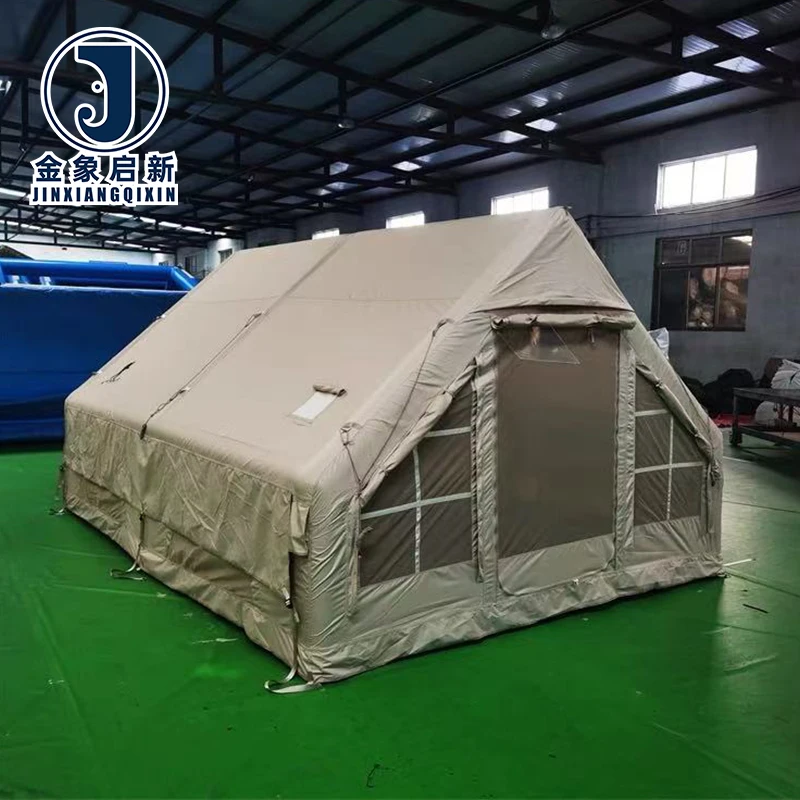
Description
Coated Fabric Depth — Nearly 30 years focused on PVC coating technology delivers reliable batch-to-batch roll consistency that wholesale tent fabricators require for uninterrupted production runs.
Technical Specifications
| Parameter | Value |
|---|---|
| Product Type | Inflatable Tent Fabric |
| Core Material | PVC Tarpaulin |
| Waterproof | Fully waterproof coated construction |
| UV-resistant | Available with anti-UV treatment — confirm test standard required for your market |
| Tear-resistant | Yes, inherent to PVC-coated woven base |
| Flame Retardant | Available in flame retardant grades — confirm the grade required for your market |
| Anti-Static | Available in anti-static grades — confirm the standard required for your application |
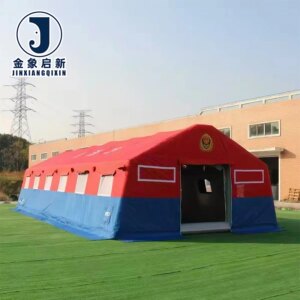
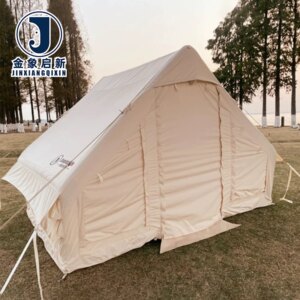
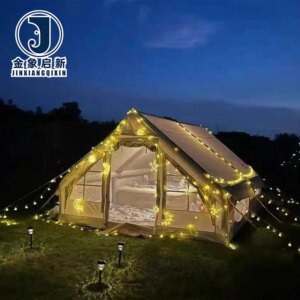
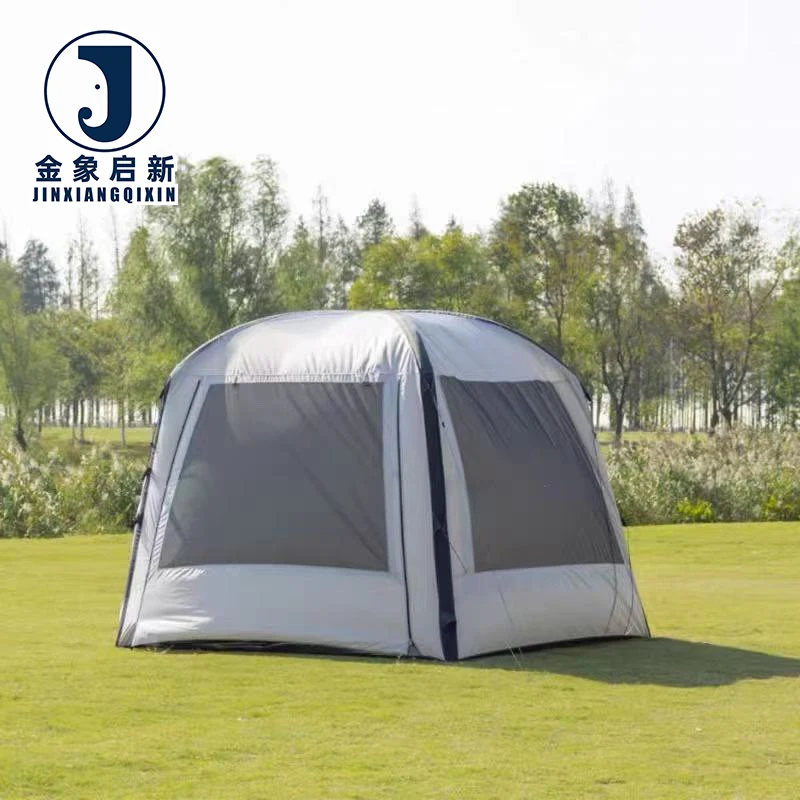
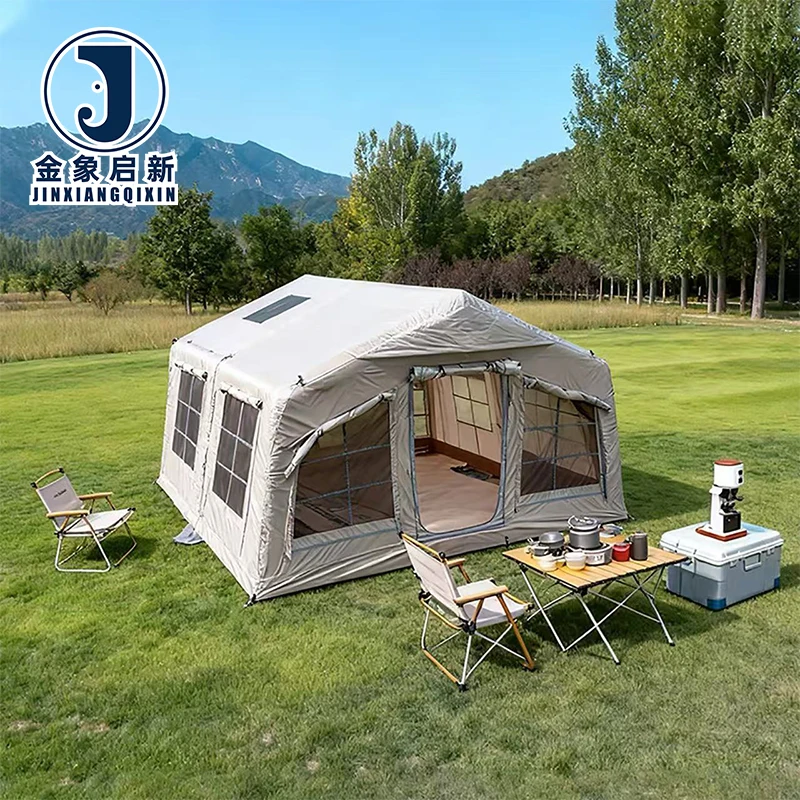
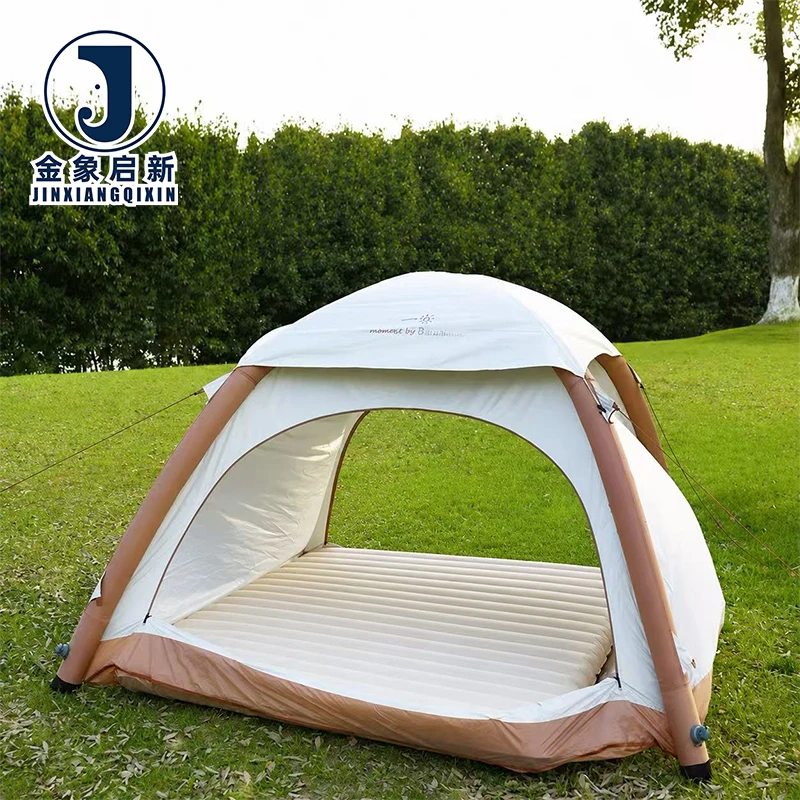
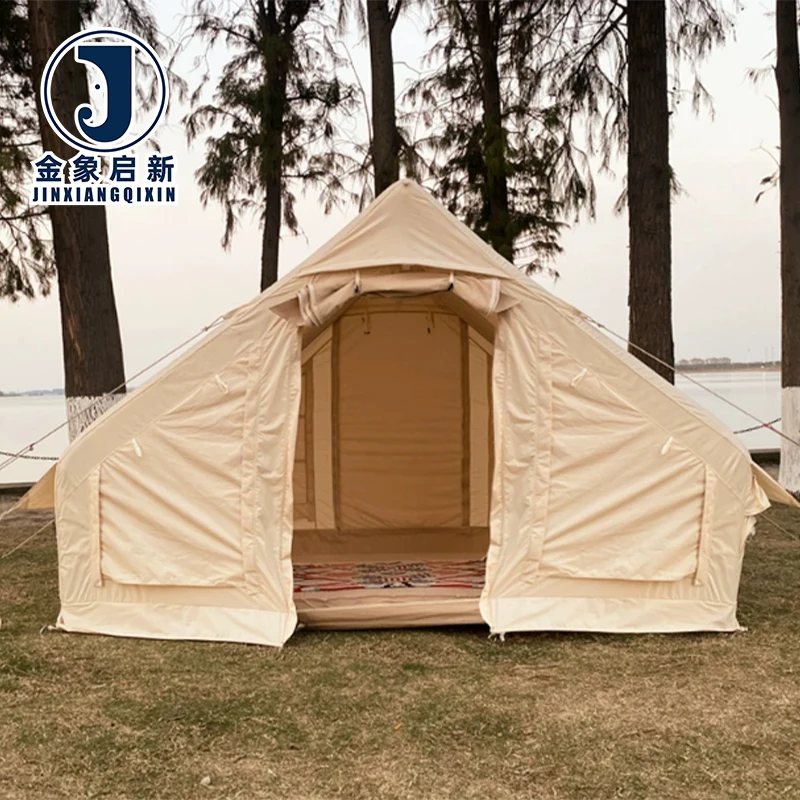
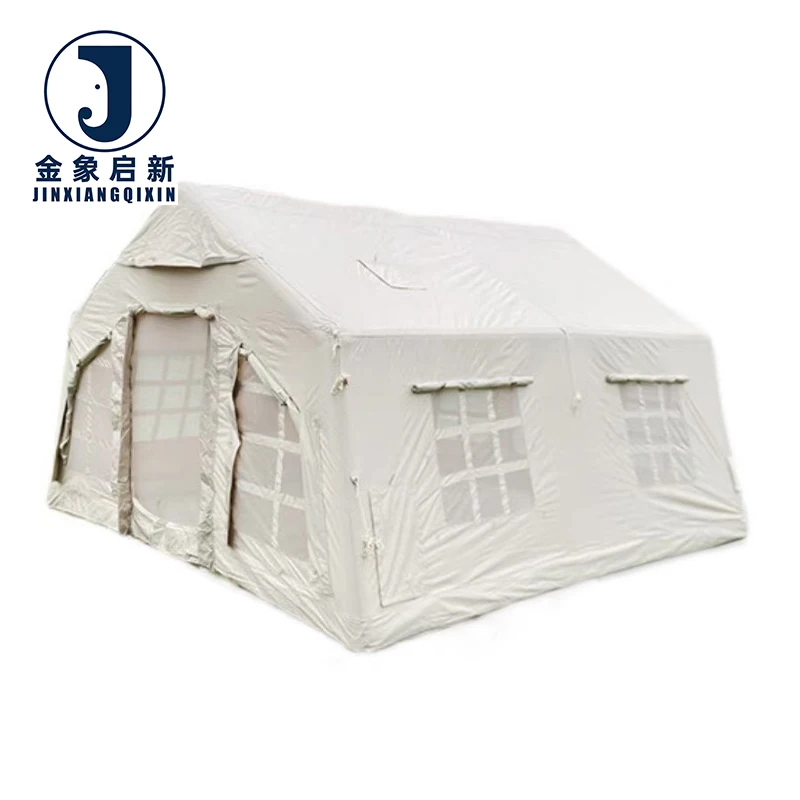
| Product Forms | Automatic Inflatable, Quick Opening, 3-5 Person Capacity, Four-Season Design, Single Layer, Extended Type |
| Customization Service | OEM & ODM (sample customization, pattern printing, material selection, product design) |
| R&D Team | 10 technicians supporting sample development and material specification |
| Production Lines | 3 full production lines |
| Processing Equipment | 36 sets of professional processing equipment |
| Certifications | ISO 9001, ISO 14001, ISO 45001, CE |
Application Suitability
| Application | Exposure & Requirement |
|---|---|
| Inflatable tent manufacturing by roll | Consistent colour and GSM across the full order, reliable supply for repeat production runs |
| Emergency shelter deployment programs | Rapid inflation and stable structure, waterproof and weather-exposed for extended outdoor periods |
| Temporary site offices at remote construction projects | Wind and rain exposure, need for quick assembly without heavy framework |
| Mobile command centers for infrastructure inspections | Repeated packing, transport, and redeployment cycles demanding tear resistance at fold points |
| Tarpaulin distributor regional resale | Uniform roll stock across the batch to support diverse buyer needs without sorting or grading |
Why Colour Consistency Across Rolls Matters More Than You Think
Batch-to-batch colour control starts at the coating formulation stage, not at final inspection.
When inflatable tent manufacturers buy PVC tarpaulin by the roll, even slight shade variation between rolls becomes immediately visible once panels from different rolls are joined during fabrication. This problem compounds at wholesale scale — a single inconsistent batch can stall a production run or force fabricators to segregate rolls by shade, increasing cutting waste and slowing throughput [NEED_CITE: colour matching standards for coated fabrics in roll form]. For Inflatable Tent Fabric wholesale buyers, securing consistent colour from the outset avoids downstream rework and protects end-user confidence in the finished shelter.
Roll-to-Roll Consistency as a Wholesale Priority
Wholesale buyers of Inflatable Tent Fabric operate on volume — purchasing multiple rolls per order to feed production lines or fill warehouse stock. The primary concern is not the specification of any single roll, but the uniformity across the entire shipment. Coating weight, colour depth, and surface finish must remain within tight tolerance from the first roll to the last. Our dedicated QA and QC process checks each roll against the production batch standard, ensuring that fabricators can cut from any roll in the order without first sorting by shade or weight.
Container Loading and Volume Pricing Structure
Buying PVC tarpaulin for inflatable tent production at wholesale scale means thinking in container loads rather than individual rolls. Container loading plans are calculated by roll count, roll diameter, and total weight to maximise space utilisation and reduce per-unit freight cost [NEED_CITE: coated fabric roll packing and container loading optimisation methods]. Volume pricing tiers reflect the commitment size, and repeat orders are scheduled against production line capacity to maintain on-time dispatch without compromising the batch consistency that wholesale fabricators depend on.
Reading the Specification Sheet Beyond the Headline GSM
GSM alone does not determine whether inflatable tent fabric will hold up in the field. The base fabric denier and weave density define how load distributes across the yarn structure, while the PVC coating weight and method govern surface protection, waterproofing, and heat-sealing behaviour. A lighter base fabric with heavy coating may show adequate GSM on paper but lack the tear propagation resistance that a balanced construction provides. For inflatable tent applications where panels are heat-welded at seams and inflation points, the adhesion between coating and base fabric directly affects weld strength — a bond failure at the weld line compromises the air chamber regardless of how strong the fabric itself is.
Surface finish also influences production efficiency. A matte finish may accept printed branding more reliably during customization, while a glossy surface may shed dirt and moisture more readily in end-use. The choice between single-layer construction and double-side colour options depends on whether the inflatable tent design exposes both faces of the material during use.
The Hidden Cost of Specifying by GSM Without Context
When wholesale buyers select Inflatable Tent Fabric based solely on a quoted GSM figure, the gap between paper specification and physical performance only reveals itself during fabrication or in the field. A roll that tests light on arrival disrupts production costing and may fail to meet the structural demands of an inflatable shelter under wind load. Inadequate coating adhesion leads to delamination at heat-welded seams — the exact points where inflation pressure concentrates. Colour variance between rolls forces fabricators into time-consuming sorting, reducing throughput and increasing material waste [NEED_CITE: common causes of coated fabric failure at welded seams]. These failures are not random — they trace directly to insufficient specification control at the point of purchase.
Why Fabricators and Distributors Source Here
Our three full production lines and 36 sets of processing equipment generate the roll output required for wholesale inflatable tent fabric orders, with scheduling flexibility to align with container shipment windows. The 10-person R&D team handles material selection, sample development, and pattern printing specification — providing fabricators with confirmed samples before bulk production begins. Every roll undergoes inspection against the stated GSM, base fabric specification, and colour reference before packing, with pre-shipment inspection records supplied as part of the documentation package. ISO and CE certifications are available to support import compliance and buyer due diligence across destination markets. The coating process control built over nearly three decades of focused PVC tarpaulin production underpins the batch consistency that wholesale buyers require.
Documentation & Verification
- Material specification sheet confirming GSM, base fabric denier, and coating weight for each batch
- Pre-shipment inspection record with roll-to-roll colour and weight verification data
- UV and flame retardant test reports provided where specific treatment grades are confirmed
- Roll packing list detailing roll count, individual roll weight, and container loading plan
- ISO and CE certificates included to support customs clearance and buyer compliance files
- Certificate of origin issued to match destination country trade requirements
Fabrication, Handling & Storage
- Heat-weld parameters should be calibrated to the confirmed coating weight and PVC formulation before production starts
- Store rolls upright on pallets in dry conditions to prevent edge compression marks on the PVC surface
- Allow rolls to acclimatise to workshop temperature before unrolling to avoid surface creasing in cold weather
- Use PVC-compatible solvent cleaners to maintain the coated surface without degrading the waterproof layer
- Cutting layouts should account for roll width to minimise offcuts and maximise panel yield per roll
- Seal all cut edges with PVC-compatible tape or adhesive to prevent moisture ingress at the base fabric
What We Need to Quotation Your Roll Order
To provide an accurate specification and quotation for Inflatable Tent Fabric wholesale supply, share your target GSM range, required roll width, and annual volume estimate. Confirm whether flame retardant or anti-static treatment is required and specify the grade or standard applicable in your destination market. If pattern printing or custom colour is needed, provide Pantone references or artwork files so we can develop samples for approval before bulk production.
Frequently Asked Questions
Q: How do you ensure GSM accuracy matches the quotation on arrival?
A: Every roll is weighed and measured during pre-shipment inspection against the specification stated on the material sheet. We provide the inspection record showing actual GSM per roll, so you can verify on arrival with confidence. If any roll falls outside the agreed tolerance, it is held back before dispatch rather than shipped and disputed after delivery.
Q: How do you control colour consistency across multiple rolls in one order?
A: Colour is set at the coating formulation stage using controlled pigment batches. Our QA team checks each roll against the approved colour reference under standard lighting before packing. Rolls from the same production batch are grouped together in the packing list, so fabricators can plan cutting sequences knowing all panels within a group share the same shade.
Q: What custom width and roll length options are available for tent production?
A: Roll width and length are configured to match your cutting layout and container loading plan. Wider rolls reduce the number of longitudinal welds in large tent panels, while shorter roll lengths may suit smaller production facilities. Share your panel dimensions and we recommend the roll format that maximises material yield and minimises waste during fabrication.
Q: What are the minimum order quantities and lead times for custom specifications?
A: Minimum order quantities vary depending on whether the requirement involves a standard stock grade or a fully custom specification with unique colour, width, or printed pattern. Custom orders require sample development and approval before bulk production begins. Share your specification and target delivery window, and we provide a confirmed lead time aligned with production line scheduling.