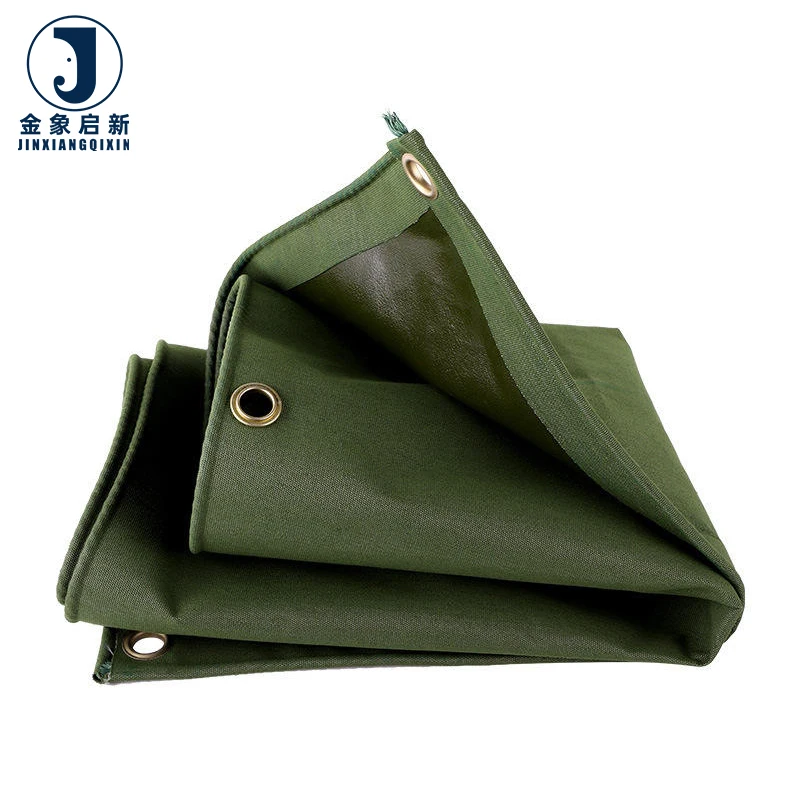
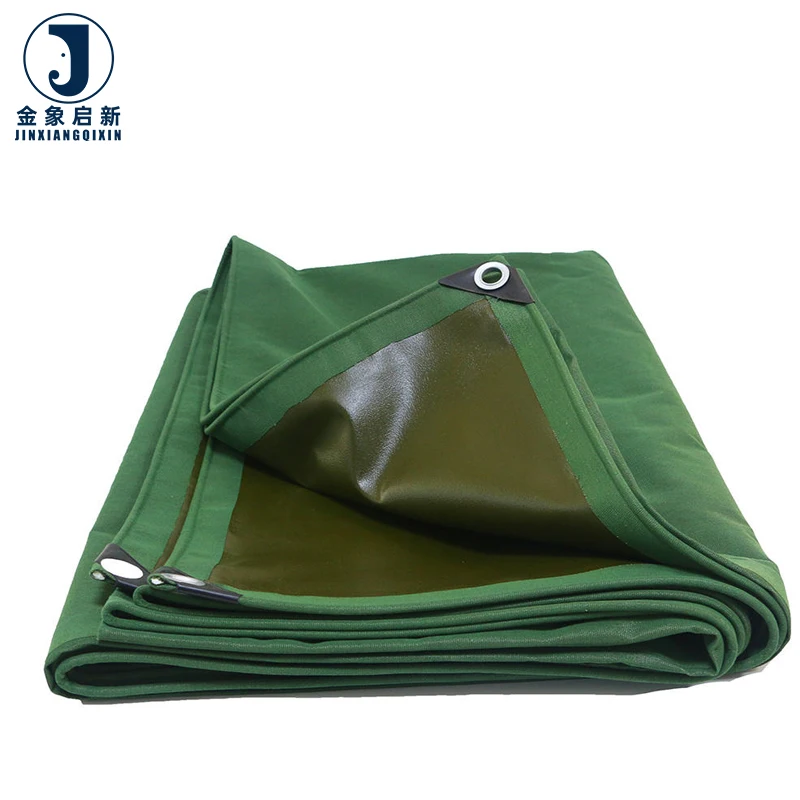
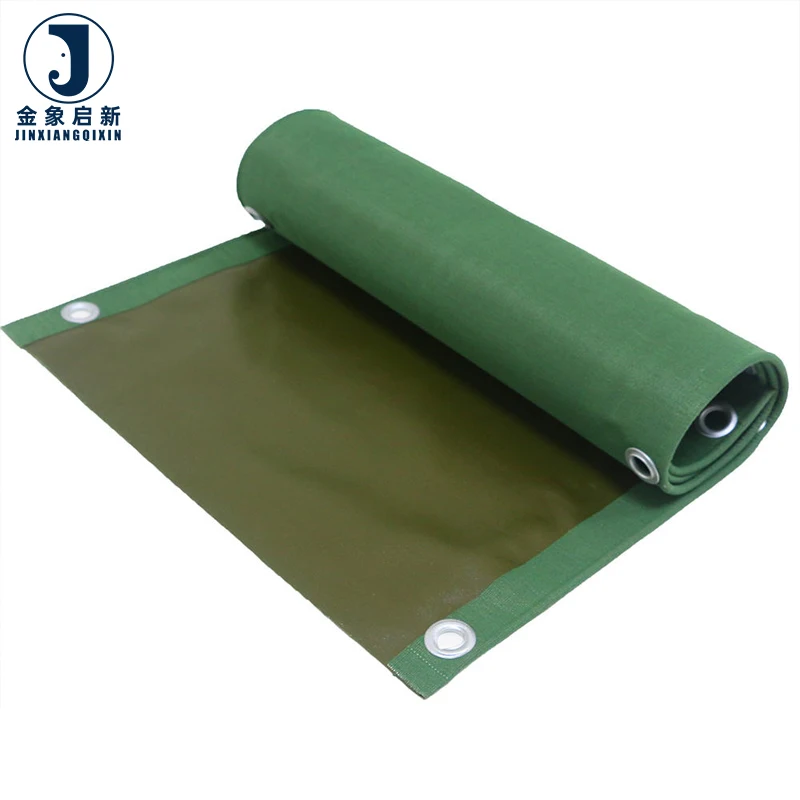
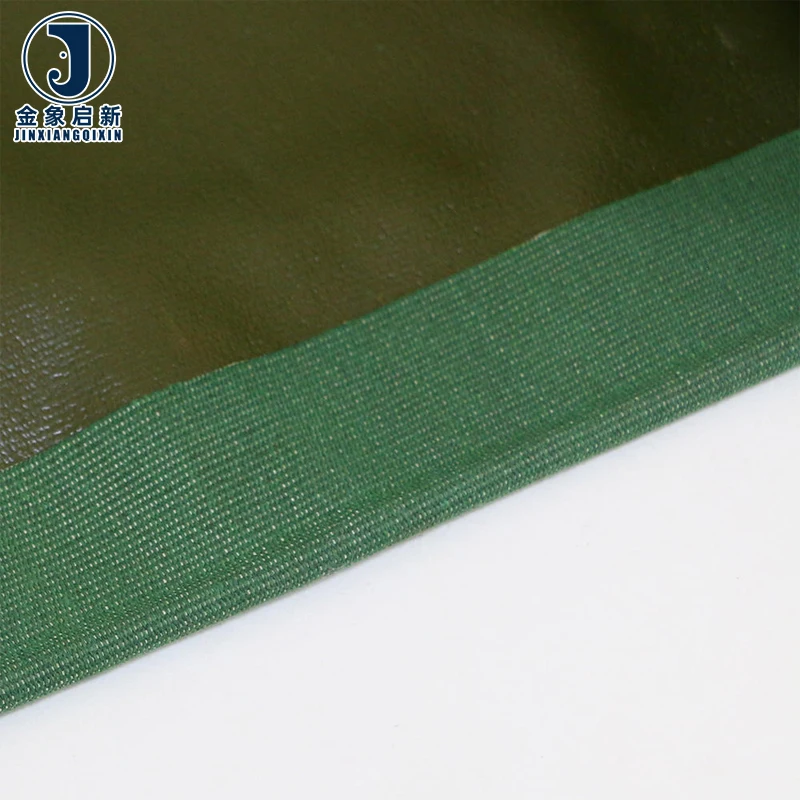
Description
Bulk Volume Consistency — Every roll of 600 GSM laminated canvas tarpaulin is weighed and verified against the quoted specification before it leaves the production floor, ensuring the material you receive matches the documentation you paid for.
Technical Specifications
| Parameter | Value |
|---|---|
| Product Type | Canvas Tarpaulin |
| Weight | 600 GSM |
| Base Fabric | Woven plain canvas |
| Coating Method | Laminated |
| Water Resistance | Waterproof |
| UV Protection | UV resistant (test basis not stated in source — confirm test standard required for your market) |
| Flame Retardancy | Flame retardant (grade not stated in source — confirm the grade required for your market) |
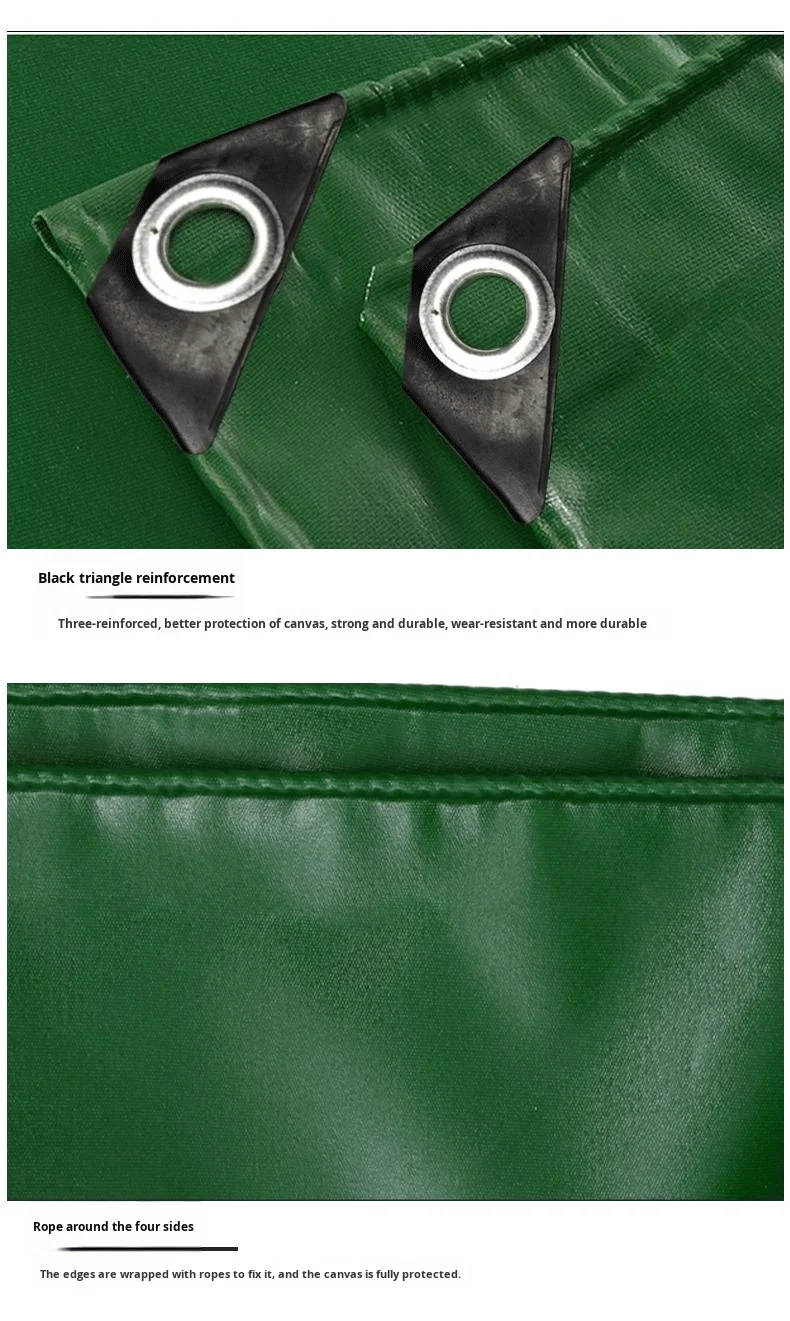
| Edge Construction | Reinforced edges |
Application Suitability
| Application | Exposure & Requirement |
|---|---|
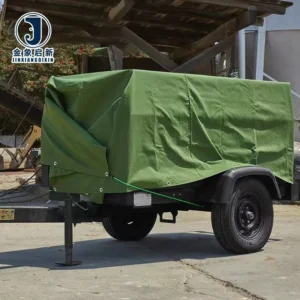
| Construction site equipment covers | Continuous outdoor weather exposure, UV radiation, wind loading on loose covers |
| Industrial stockpile protection | Heavy material contact, abrasion from bulk solids, prolonged rain exposure |
| Agricultural and aquaculture covers | Constant moisture contact, soil chemistry exposure, seasonal temperature swings |
| Wholesale tarpaulin distributor stock | Batch-to-batch colour and weight consistency across container loads for resale |
Why Quoted Weight Does Not Guarantee What Arrives at Your Warehouse
Every roll of laminated canvas tarpaulin roll wholesale stock ships with a documented GSM reading taken at the point of dispatch, not just the number printed on the quotation.
In bulk tarpaulin purchasing, the gap between the quoted 600 GSM and the actual weight measured at receiving is where margin disappears. A roll that arrives lighter than specified means less coating, less base fabric density, and a shorter service life under field conditions — problems that only surface once the material is already cut, installed, and loaded. For wholesale buyers stocking multiple grades, a shipment that mixes actual weights under the same label destroys customer trust and triggers returns across the supply chain. [NEED_CITE: ISO 2286 methods for determination of mass per unit area of coated fabrics]
Roll-to-Roll Consistency Across Container Loads
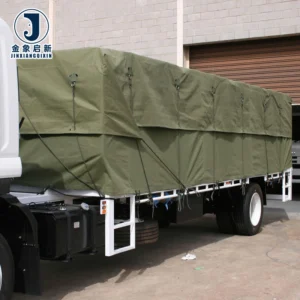
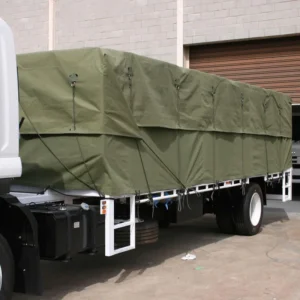
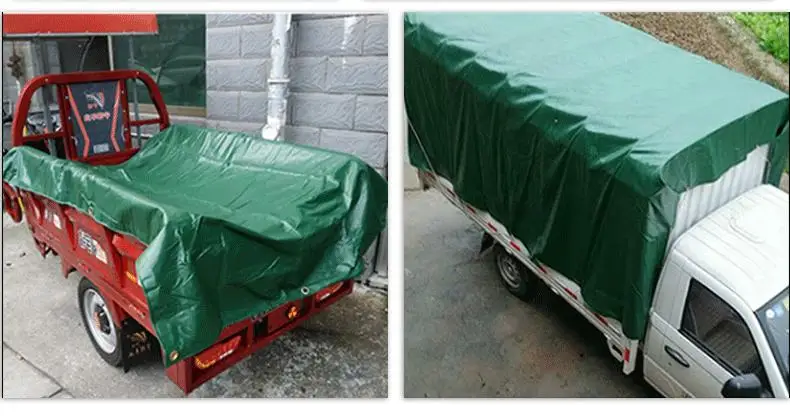
When a distributor orders a full container of laminated canvas tarpaulin roll wholesale stock, the expectation is that every roll in that container performs identically. Colour drift between rolls in the same batch forces end users to reject installed panels that sit side by side on a structure or truck bed. Weight variation between rolls means some panels will flex and fatigue faster than others, creating unpredictable failure points across a single installation. Maintaining tight control over coating weight and lamination pressure across a production run is what separates a usable bulk shipment from one that generates claims.
Reinforced Edges That Survive Tie-Down and Handling Stress
The edge of a tarpaulin roll is where the material is most vulnerable during unrolling, cutting, and installation. Reinforced edges on this 600 GSM canvas grade prevent the laminated coating from delaminating at the roll boundary, which is a common starting point for tears that propagate inward under wind load or tie-down tension. For wholesale buyers who re-slit or re-cut rolls to smaller widths for their customer base, edge integrity determines how much usable material remains after processing. [NEED_CITE: coated fabric tear propagation behaviour per ISO 13937]
Reading the Specification Sheet Beyond the Weight Number
A 600 GSM reading alone tells you the mass of material per square metre, but it does not tell you how that mass is distributed between the woven canvas base and the laminated coating layers. A heavier coating on a lighter base fabric will produce a different tensile and tear profile than a lighter coating on a denser weave — both can read 600 GSM on the scale. The lamination process bonds coating films to the base fabric under heat and pressure, and the adhesion strength of that bond determines whether the layers separate under flex or peel at the cut edges. For buyers comparing quotations, asking for the base fabric denier and weave count alongside the GSM gives a far more complete picture of what the roll will do in the field.
What Happens When the Specification Does Not Match the Application
Ordering a lighter grade than the application demands leads to early failures that are blamed on the supplier when the root cause is a specification mismatch. A 600 GSM laminated canvas used for permanent outdoor stockpile covers will withstand sustained UV exposure and wind loading far differently than a lighter grade in the same role. Flame retardant grades that lack the documentation required by a local fire authority mean the installed cover fails inspection, forcing a full replacement at the buyer’s cost. Colour inconsistency across rolls in a single order becomes visible only after installation, by which point the material is already cut and fitted, making a return or swap economically unworkable. [NEED_CITE: flame retardant classification requirements for temporary structures and site covers]
Why Procurement Teams Source This Grade Here
Deep process control over coating weight and lamination adhesion means the 600 GSM stated on the quotation is the 600 GSM that arrives at your dock. Three full production lines and 36 sets of professional equipment support bulk volume orders without sacrificing roll-to-roll consistency across a container load. A 10-person R&D team handles custom width, colour matching, and sample development so that wholesale buyers can test a short run before committing to a full container. Dedicated QA and QC at every production stage includes 100 percent inspection before dispatch, with documented weight readings per roll. ISO and CE certification supports compliance documentation for import markets across North America, Europe, and Asia.
Documentation & Verification
- Material specification sheet stating exact 600 GSM, woven canvas base fabric, and lamination method
- Roll packing list with roll count and net weight for container loading verification
- Pre-shipment inspection record with GSM verification per roll before dispatch
- UV and flame retardant test reports included where applicable grade is confirmed
- ISO and CE certificates available to support import compliance documentation
- Certificate of origin and customs support for international shipment clearance
Fabrication, Handling & Storage
- Laminated 600 GSM canvas requires controlled heat settings during hot-air welding to prevent delamination at seams
- Reinforced edges must be preserved during re-slitting to maintain tear resistance at the new roll boundary
- Store rolls upright on a flat surface to prevent permanent creasing in the woven canvas base
- Allow rolls to acclimatise before unrolling in cold conditions to avoid cracking the laminated coating
- Clean with mild detergent only — aggressive solvents can break down the lamination bond at the surface
- Cut panels should be heat-sealed or hemmed at edges to prevent canvas fraying beyond the reinforced boundary
What to Include With Your Enquiry
Provide your target roll width, annual volume estimate, and the specific UV or flame retardant grade your market requires so the correct formulation can be quoted. If you need custom colour or printed branding across rolls, include Pantone references or artwork files for sample development before the bulk run. Specify whether you require full roll stock only or finished cut sizes with eyelets and hemming, as this affects lead time and minimum order quantities.
Frequently Asked Questions
Q: How is 600 GSM verified per roll before shipment?
A: Each roll is weighed on calibrated scales during pre-shipment inspection, and the actual GSM reading is recorded on the inspection report that ships with the container. This documented weight is cross-checked against the 600 GSM stated on your original quotation so any discrepancy is caught before dispatch, not after arrival at your warehouse.
Q: What roll widths and lengths are available for bulk orders?
A: Standard widths are produced on the full line capability, and custom widths can be developed through the R&D team with a short sample run for approval. Roll lengths are configured to your container loading plan, balancing roll count against handling weight at your receiving dock. Confirm your preferred dimensions during the quotation stage.
Q: How is colour consistency maintained across rolls in the same order?
A: All rolls in a single production batch use the same coating compound mix and lamination run, and colour is checked against the approved reference at multiple stages before packing. Rolls from different production batches are not mixed within the same container shipment, preventing visible colour drift when panels are installed side by side on site.
Q: What UV test documentation can be provided with shipment?
A: Where a specific UV test standard is requested and confirmed for your market, the corresponding test report is included in the shipment documentation package. Buyers should specify the test method and exposure duration required by their end-use application or local regulation at the enquiry stage so the correct grade is produced.
Q: What are the MOQ and lead time for custom width orders?
A: Custom widths and colours carry a minimum that is confirmed during the quotation stage based on the specific lamination run setup required. Lead times depend on the current production schedule and whether a sample approval cycle is needed before the bulk run begins. Request a formal quotation with your target dimensions for exact figures.