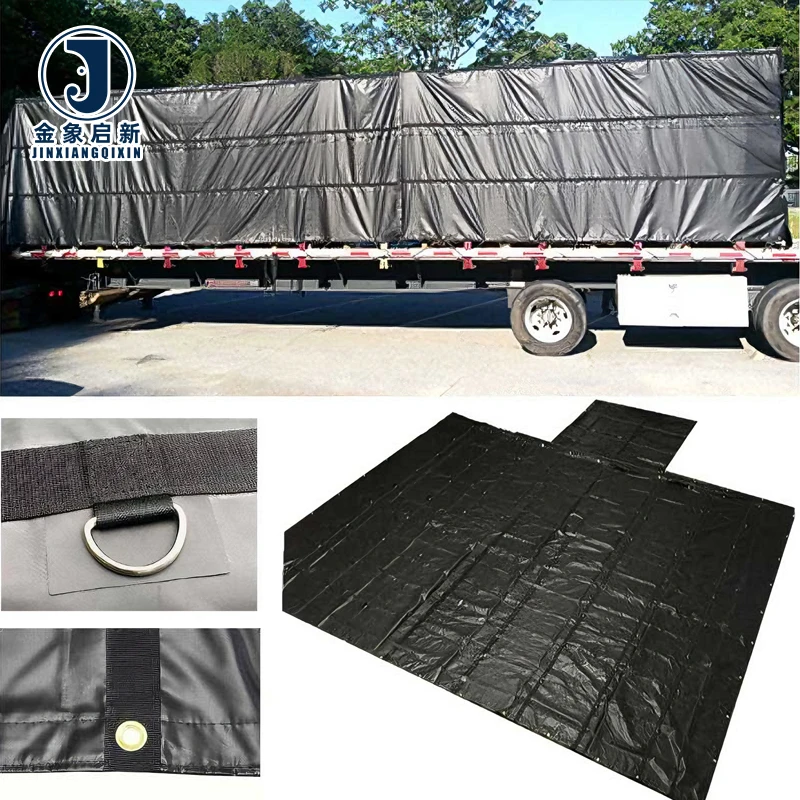
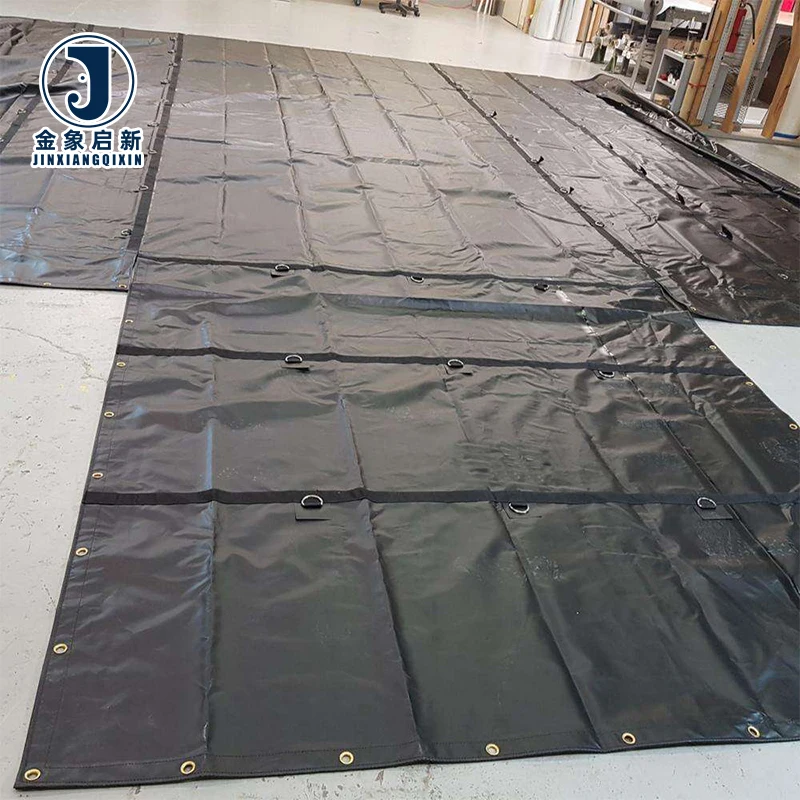
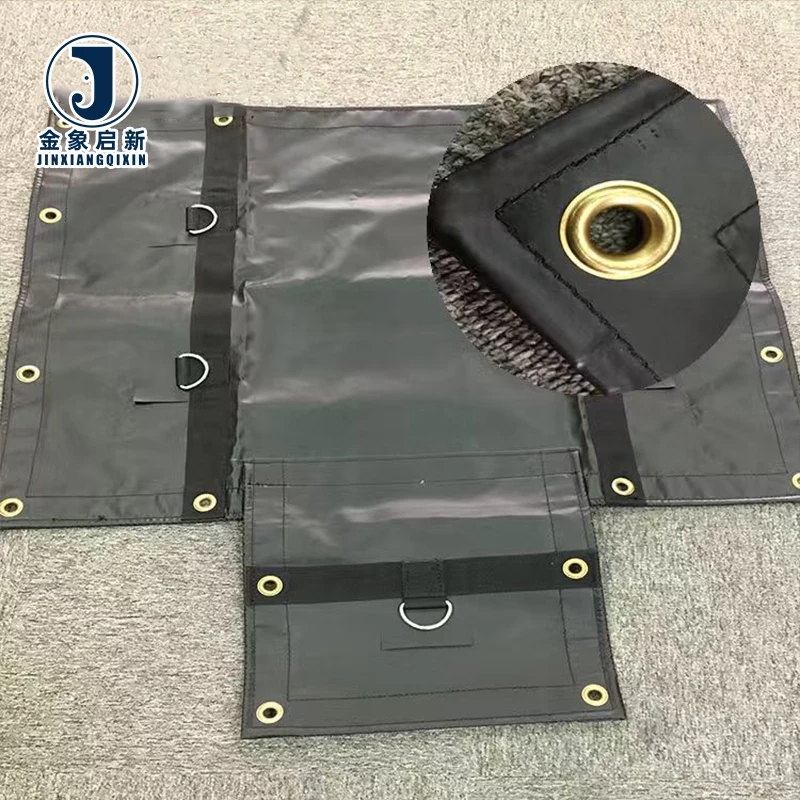
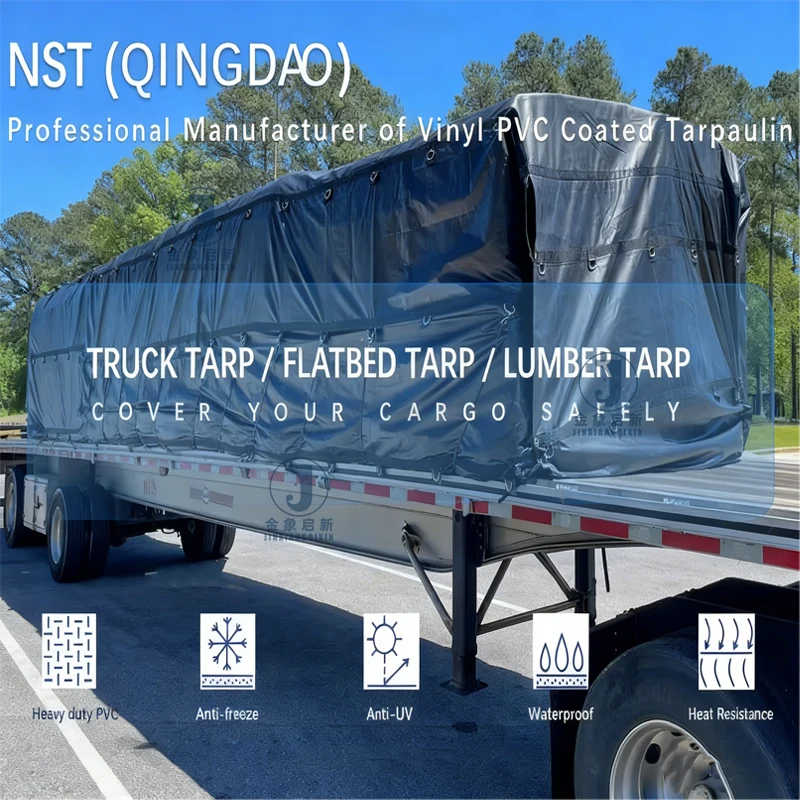
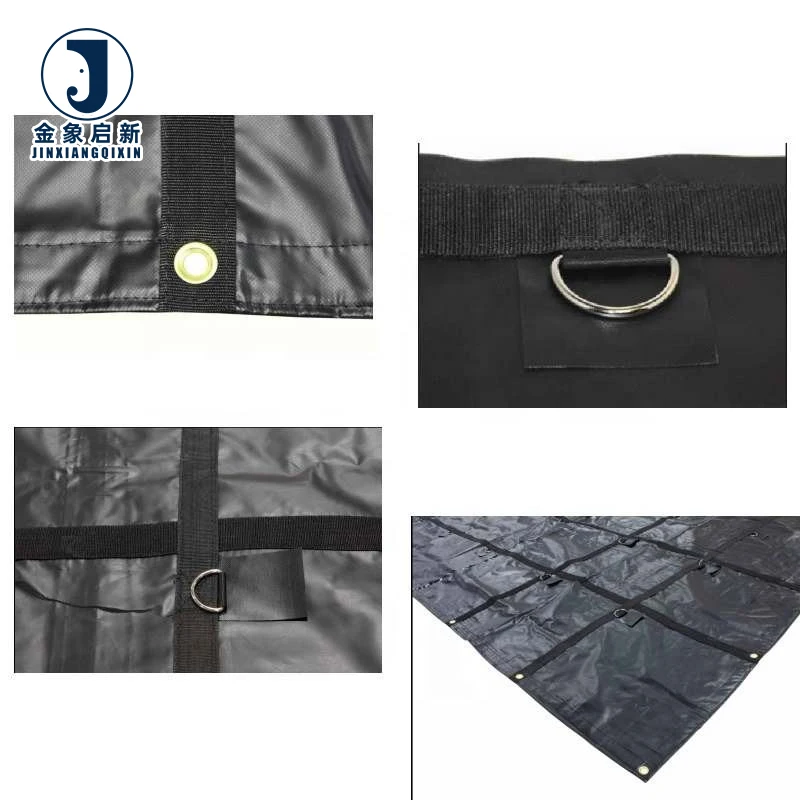
Description
Coated Fabric Process Control — three full production lines maintaining roll-to-roll GSM and coating consistency for bulk PVC truck tarpaulin supply.
Technical Specifications
| Parameter | Value |
|---|---|
| Product Type | PVC Truck Cover |
| Weight Options | 12oz / 14oz / 15oz / 18oz |
| Base Fabric | RipSTOP / Vinyl |
| Waterproof | Yes |
| Drop Length | 8′ Drops |
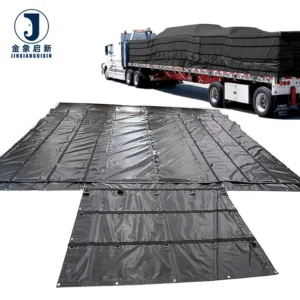
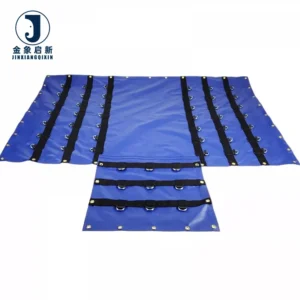
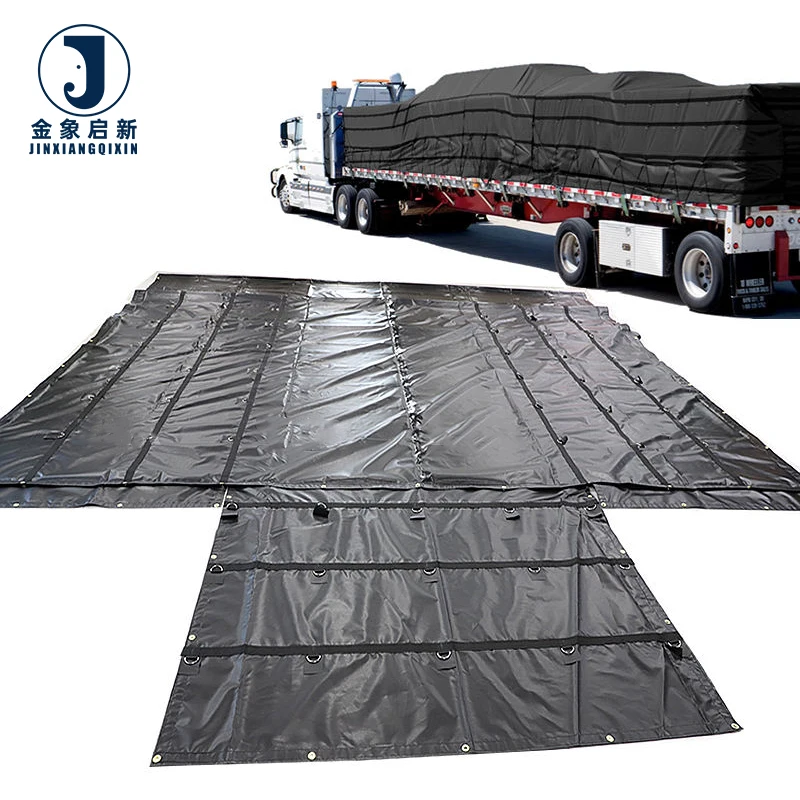
| Panel Configuration | 1PC / 2PC / 3PC |
| Abrasion-Resistant | Yes |
| Anti-Mildew | Yes |
| Anti-Pull | Yes |
| Customizable Density | Yes |
| Flame Retardant | Available in flame retardant grades — confirm the grade required for your market |
| UV Treatment | Available with UV treatment — confirm the test basis required for your application |
Application Suitability
| Application | Exposure & Requirement |
|---|---|
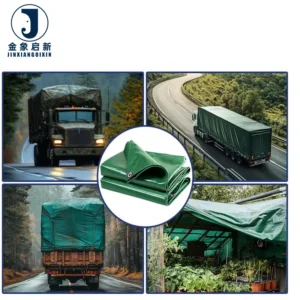
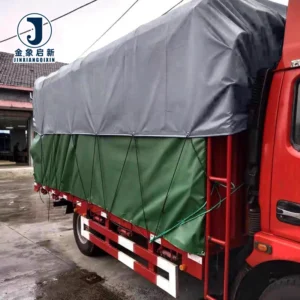
| Flatbed semi-truck cargo protection | Constant road vibration, wind-driven abrasion at flex points, rain and highway debris impact |
| Lumber transport covering | Heavy irregular loads, forklift contact at edges, prolonged sun exposure on stacked timber |
| Fleet tarp replacement programs | Consistent colour and weight across multiple units, rapid deployment at depots |
| Distributor roll-stock inventory | Batch uniformity for regional resale, container-load volume with predictable yield per roll |
Why GSM Stated on Paper Rarely Matches What Arrives on the Dock
Weight verification at every production stage is the only way to eliminate GSM shortfalls before the container ships.
Buyers across transport and distribution regularly receive PVC coated fabric that tests lighter than the quotation promised. The shortfall may be small per square metre, but across a full container of PVC truck tarpaulin roll stock the missing material translates into thinner coating, reduced tear resistance, and tarps that fail mid-season. We have watched fleet operators reject entire shipments because the material felt wrong the moment it was unrolled — and lab tests confirmed what their hands already told them. [NEED_CITE: coated fabric weight verification methods per ISO testing standards]
How Roll-to-Roll Consistency Is Actually Maintained
Consistency in a PVC truck tarpaulin roll starts at the coating head, not at the packing station. Each of the three production lines runs dedicated in-process QA checks that monitor coating weight and base fabric tension continuously, so any drift is corrected before an entire roll is wound. This matters most when a distributor orders several hundred rolls of the same 14oz grade: colour and surface finish must match from the first roll to the last, or the batch becomes unsellable to fleet customers who install tarps side by side on identical trailers.
Bulk Loading and Container Yield Predictability
When you are buying wholesale PVC coated truck cover fabric by the container, knowing exactly how many rolls fit and what each roll weighs determines your landed cost per square metre. Our roll packing lists specify count, gross weight, and cubic volume per container load, so logistics planners can forecast freight spend before production finishes. The 8′ drop configurations and 1PC, 2PC, and 3PC panel options mean fabricators can order pre-cut panels or full rolls depending on their production setup, reducing waste at the cutting table. [NEED_CITE: container loading optimization for coated fabric rolls]
Reading the Weight-Grade Relationship Correctly
The jump from 12oz to 18oz is not simply a matter of adding more PVC to the same base cloth. Heavier grades require a denser base fabric — the RipSTOP weave in our range uses a reinforced grid pattern that limits tear propagation, while vinyl constructions rely on tight denier count and yarn thickness for tensile strength. Coating weight must be balanced against base fabric absorption capacity; too much coating on a light base creates a stiff, brittle panel that cracks at fold lines, while too little coating on a heavy base leaves the weave exposed to moisture ingress. The anti-pull treatment specified across the range addresses the interface between yarn and coating, reducing delamination when the tarp is pulled tight over sharp-edged cargo like steel or rough-sawn lumber. Anti-mildew additives are compounded into the PVC layer rather than applied as a surface spray, so they remain active through repeated wet-dry cycles encountered in long-haul transport.
The Hidden Cost of Specifying on Price Per Roll Alone
A roll that comes in under quoted GSM may pass a casual visual check but will underperform in the field. Thinner coating means the base fabric absorbs road salt and moisture, accelerating mildew growth and fibre degradation. Abrasion resistance drops because there is simply less sacrificial PVC between the cargo and the yarn. We have seen distributors face warranty claims from fleet customers whose tarps developed pinholes within months — root cause traced back to coating weight that was never independently verified before shipment. When a batch shows colour variation between rolls, fabricators are forced to cut around mismatched panels, driving up waste and delaying delivery to their own customers. [NEED_CITE: common failure modes in coated tarpaulin fabrics under transport conditions]
Why Sourcing Truck Cover Fabric Here Reduces Procurement Risk
Our dedicated QA/QC protocol runs 100% inspection before shipment, with weight verification documented per roll — not per batch average. The 10-person R&D team develops samples within days when you need a specific width, colour, or panel configuration confirmed before committing to a full production run. Three full production lines and 36 sets of professional equipment provide the capacity to fulfil container-volume orders with reliable on-time delivery, so your fleet customers or distribution partners are not left waiting. Every order ships with a complete documentation package built for customs clearance and quality traceability. We work directly with transport equipment builders and tarpaulin distributors who need OEM-grade fabric with consistent properties across repeat orders, not spot-buy material that varies shipment to shipment.
Documentation & Verification
- Material specification sheet stating GSM, base fabric type, and coating weight per roll batch
- Pre-shipment inspection record with verified weight per roll matching quotation
- Batch colour reference and consistency report across all rolls in the order
- ISO and CE certificates with certificate of origin for customs clearance
- Roll packing list with container loading plan detailing count and cubic volume
Fabrication, Handling & Storage
- Heat-weld seams at recommended temperature to match the PVC coating grade and avoid base fabric scorching
- Reinforce eyelet zones with additional PVC patches to distribute tie-down loads across the RipSTOP or vinyl base
- Store rolls vertically on end-caps to prevent flat-spot creasing that becomes permanent in heavier 18oz grades
- Allow cold-stored rolls to reach ambient temperature before unrolling to avoid coating micro-cracking
- Use mild detergent and soft brush on the coated surface; avoid solvent-based cleaners that strip anti-mildew treatment
What We Need to Quote Accurately
Provide the weight grade, panel configuration, and drop length that match your trailer fleet or resale market. Confirm whether you need full rolls or pre-cut sizes, the target container volume, and any colour or finish requirements so we can check stock availability or schedule a production run. If your end-use market requires flame retardant or UV-treated fabric, specify the grade or standard so we include the correct test documentation with your shipment.
Frequently Asked Questions
Q: How do you verify GSM on arrival matches the quoted weight for each roll?
A: Every roll undergoes individual weight verification during our 100% pre-shipment inspection. We document the measured GSM against the material specification sheet and include this record with your shipment, so you can cross-check on receipt without relying on batch averages.
Q: What roll widths and lengths are available for bulk container loading?
A: Custom widths and lengths are available to suit your fabrication equipment or resale specifications. Our roll packing list details count, weight, and cubic volume per container so logistics planning is accurate before production begins. Request a sample to confirm dimensions before full production.
Q: How is batch-to-batch colour consistency controlled across multiple roll orders?
A: In-process QA monitors colour at the coating stage, and we maintain colour reference standards for repeat orders. Each shipment includes a batch consistency report, and we develop samples within days if you need to confirm colour match against existing inventory before we produce.
Q: What are the MOQ and lead time for custom width or panel configuration?
A: Minimums and lead times depend on the specific width, weight grade, and panel configuration required. We accommodate custom sizing across all weight grades with typical multi-week lead times. Contact us with your exact specifications for a confirmed schedule.
Q: How is roll stock packed and protected during sea freight to prevent coating damage?
A: Rolls are packed vertically with end-cap protection and wrapped to prevent moisture ingress and surface abrasion during transit. The packing method is specified on the roll packing list, and we can adjust packaging for long sea voyages or high-humidity destination ports.