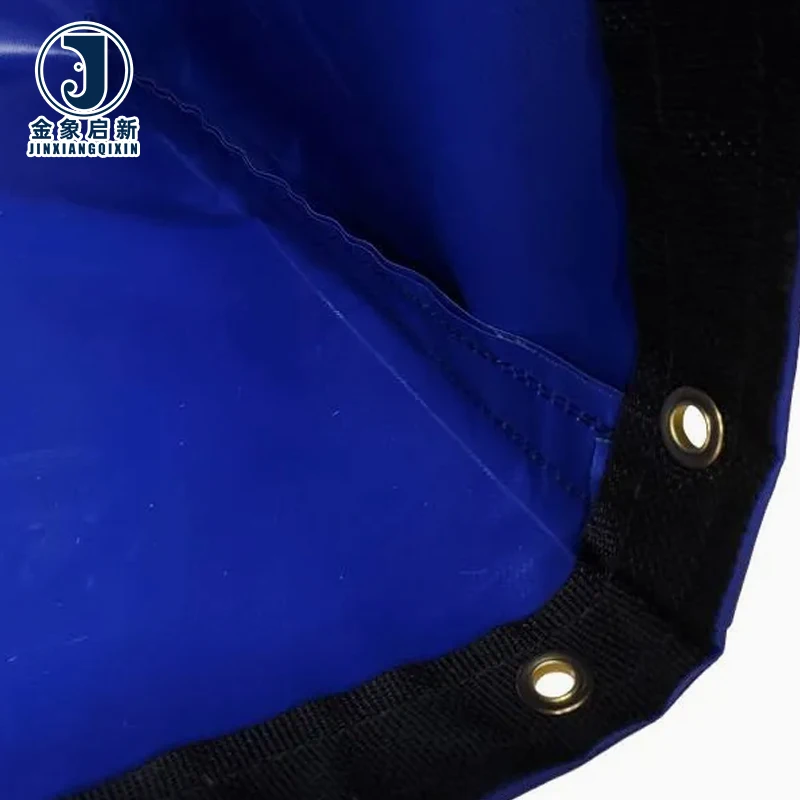
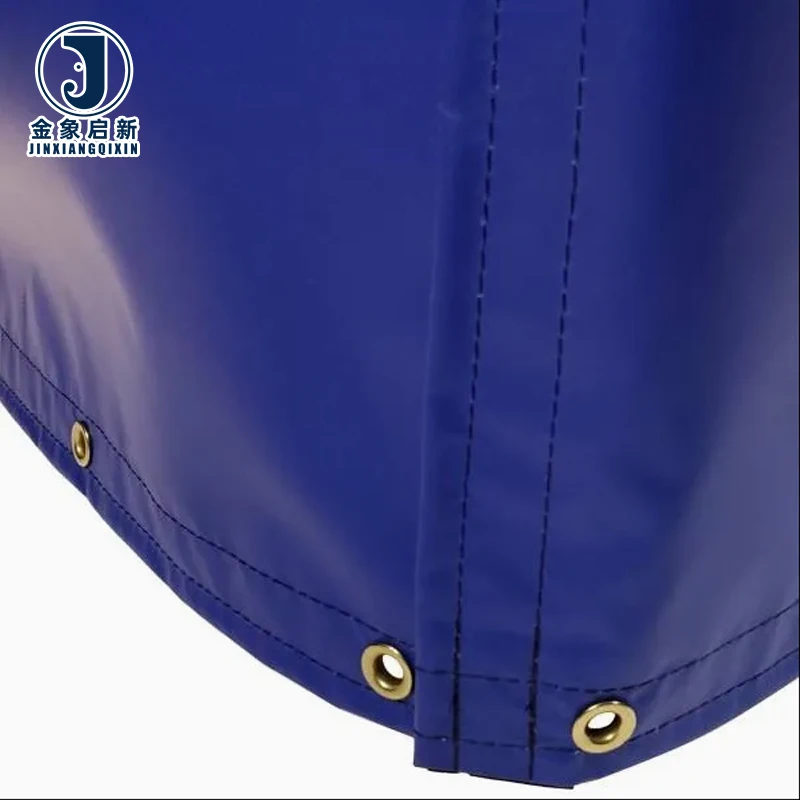
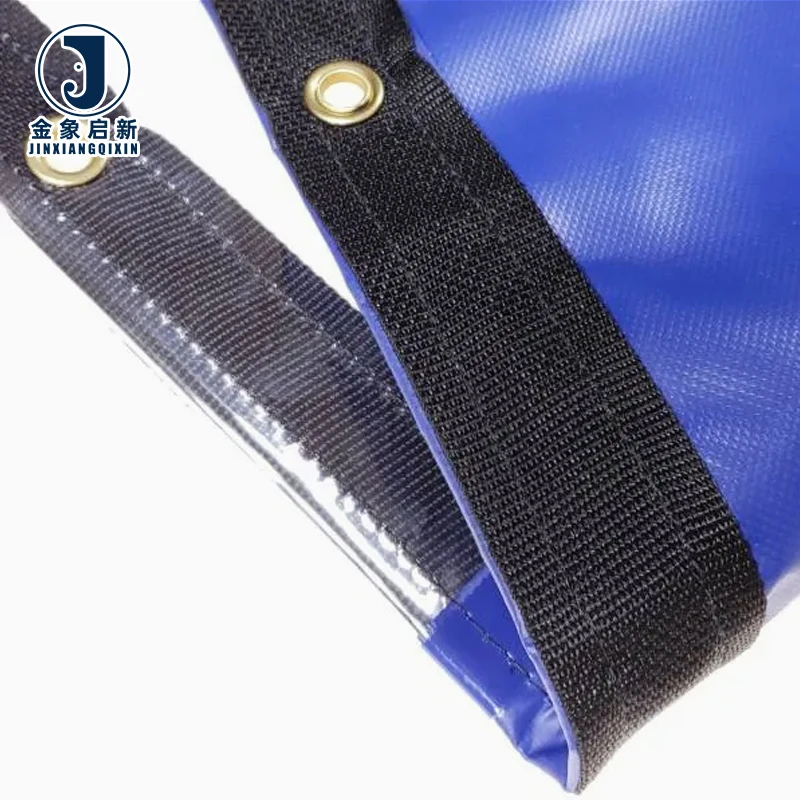
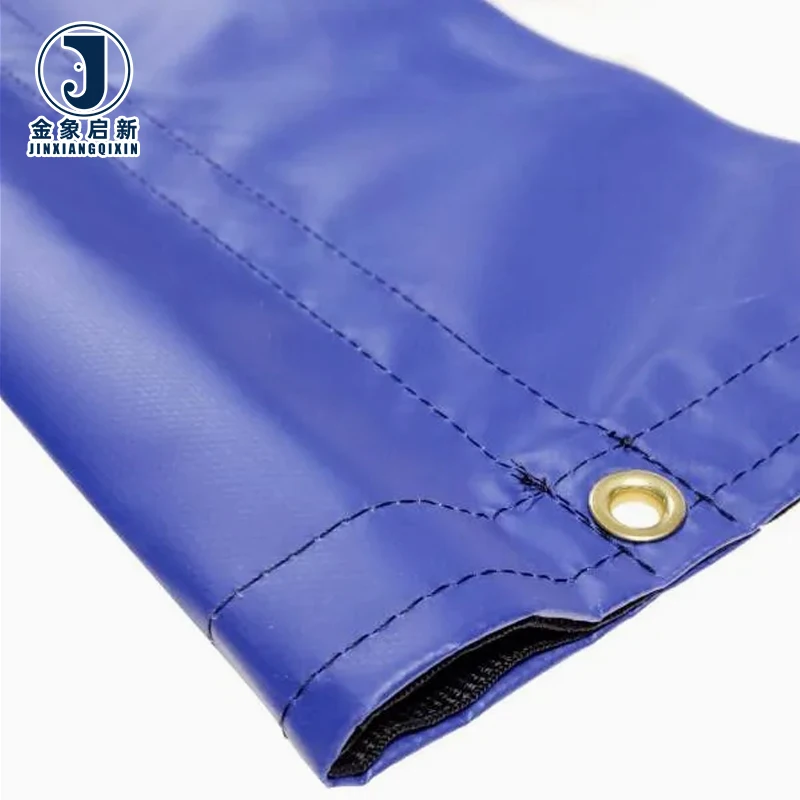
Description
Verified Weight Per Roll — every roll of PVC truck cover roll is inspected against the quoted GSM before dispatch, giving bulk buyers reliable inventory data.
Technical Specifications
| Parameter | Value |
|---|---|
| Product Type | PVC Coated Tarpaulin Truck Cover |
| Weight | 250gsm–1500gsm |
| Base Fabric Denier | 200Dx300D, 500Dx500D, 840Dx840D, 1000Dx1000D |
| Coating Material | PVC |
| Surface Finish | Glossy or Matte |
| Size Options | 3x4m, 6x8m, 8x10m, 10x12m, or custom made |
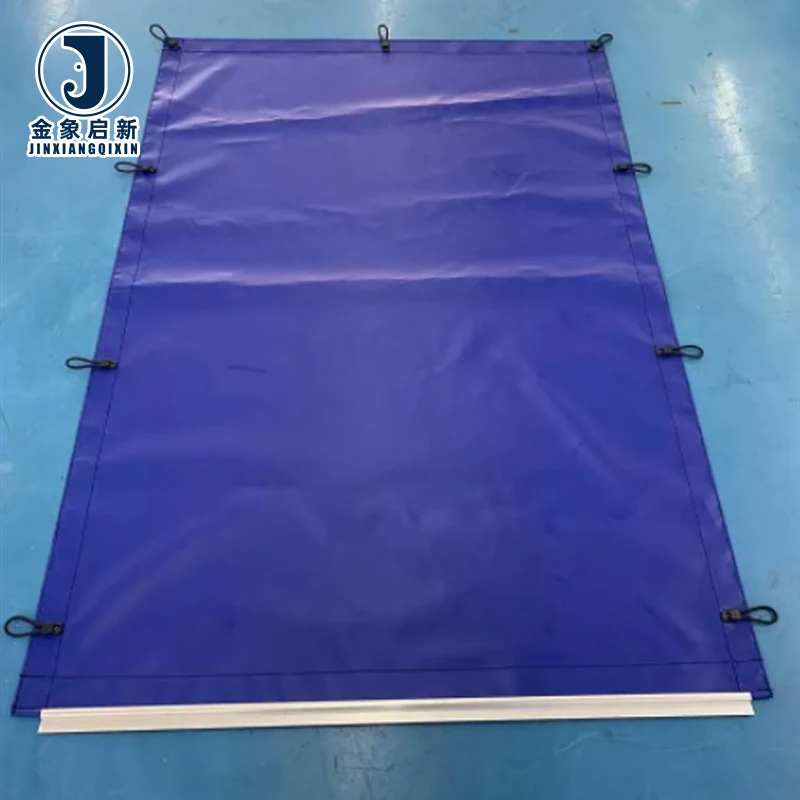
| Color | Blue, Yellow, Black, Green, White, or custom |
| Temperature Range | -15°C to 70°C |
| Treatment | Waterproof, UV, Flame Retardant, Anti-fungal (confirm grade required for your market) |
| OEM/ODM | Accepted |
Application Suitability
| Application | Exposure & Requirement |
|---|---|
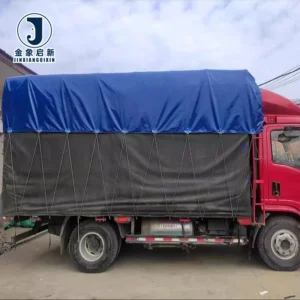
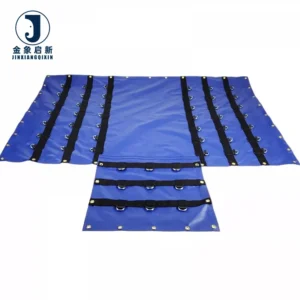
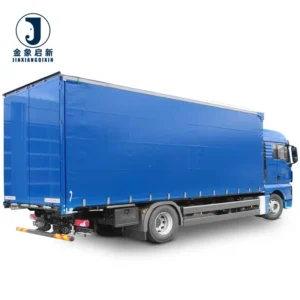
| Truck and trailer side curtains | Constant flexing at load points, road abrasion, UV exposure, weather sealing |
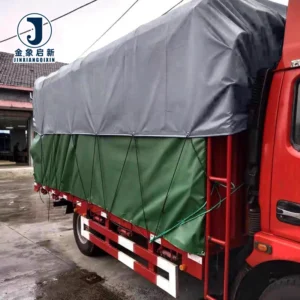
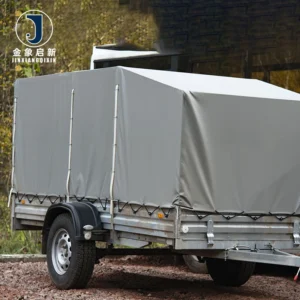
| Flatbed load covers | Direct sunlight, wind lift forces, tie-down friction, rain ingress prevention |
| Transport fleet standardisation | Batch-to-batch colour matching across multiple trailer units, uniform GSM for welding consistency |
| Distributor roll inventory | Stocking multiple grades by width, container-load shipping, local fabrication readiness |
Why Roll-to-Roll GSM Consistency Matters More Than the Number Itself
A quoted GSM only matters if every roll in the container actually matches it.
Buyers sourcing wholesale PVC truck cover roll stock frequently face a familiar problem: the material specification sheet states one weight, but the rolls on the warehouse floor feel noticeably lighter once unrolled. This gap between stated and actual GSM is not just a documentation error. Lighter rolls mean thinner coating, reduced tensile reserve, and weld seams that fail under the flex load of a moving trailer [NEED_CITE: tensile and tear test methods for coated fabrics per ISO 1421]. For distributors cutting and reselling finished truck covers, underweight rolls erode margins when customers return defective product. For fleet operators ordering by container load, a single inconsistent batch means some trailers get covers that last and others get covers that crack by the second season.
Roll Width Planning for Container Loading Efficiency
When purchasing PVC truck cover roll at wholesale volumes, container space utilisation becomes a direct cost factor. Standard roll widths are available alongside custom widths cut to match your trailer patterns, reducing offcuts and secondary trimming at the fabrication stage. A well-planned container load groups rolls by diameter and weight to prevent shifting during ocean transit. Each roll in the shipment is logged on a packing list that states net weight and roll count, so you can reconcile inventory against the bill of lading the moment the container doors open.
Batch Colour Matching Across the Entire Shipment
Colour variation between rolls in the same order is a visible defect the moment two panels hang side by side on a fleet of trailers. For PVC truck cover roll supplied in custom colours, pigment is compounded at the coating stage and checked against the agreed colour reference before each production run [NEED_CITE: colour consistency standards for PVC coated fabric batches]. Rolls from the same batch share the same dye lot, which means the yellow or blue you specify in the sample approval stage is the yellow or blue that arrives at your dock. This consistency matters especially for fleet operators branding multiple trailers in a single corporate colour.
Understanding Denier, GSM, and Coating Weight Together
The base fabric denier — available from 200Dx300D up to 1000Dx1000D — determines the structural skeleton of the fabric, while the PVC coating weight fills and protects that skeleton. A higher denier base fabric provides greater tear resistance because more yarn must break before a rip propagates. However, GSM alone does not tell the full story: two rolls at the same GSM can have very different base fabric densities and coating ratios, leading to different flex behaviour and weld performance. The coating method influences peel strength between layers; a well-bonded coating resists delamination at the high-stress flex points of a truck side curtain. Glossy and matte surface options affect how dirt adheres and how printed branding holds over time, so the finish choice should align with both cleaning routines and fleet appearance requirements.
The Hidden Cost of Specifying the Wrong Grade
Choosing a lightweight grade for a heavy-duty side curtain application leads to premature failure at the weld seam, where flexing concentrates stress with every load shift. Conversely, overspecifying denier and GSM for a short-haul flatbed cover adds unnecessary weight and roll cost without improving service life. Flame retardant grades must align with the compliance framework of the destination market; a cover shipped without the required certification can halt a construction or mining project at the inspection gate [NEED_CITE: DIN 4102 fire classification for building materials]. Temperature range is another frequently overlooked variable: fabric that performs well at 30°C may stiffen and crack in winter haulage if the low-temperature boundary of the PVC compound is not matched to the operating climate.
Why Sourcing Roll Stock Here Works for Volume Buyers
Three full production lines running dedicated PVC coating operations allow bulk PVC truck cover roll orders to be scheduled without competing with small-run custom jobs. A 10-person R&D team handles custom width, colour matching, and sample development within days rather than weeks, which shortens the approval cycle on repeat orders. Dedicated QA and QC checkpoints at every production stage catch GSM deviation, coating adhesion faults, and colour drift before rolls reach the packing area. Pre-shipment inspection covers every roll, not a statistical sample, so the documentation you receive reflects the actual batch shipped. ISO and CE certified production provides the audit trail that importers and distributors need for customs clearance and downstream compliance.
Documentation & Verification
- Material specification sheet confirming base fabric denier, PVC coating weight, and colour reference per roll
- Weight verification per roll against the stated GSM before dispatch
- Pre-shipment inspection record covering surface quality, coating adhesion, and dimensional accuracy
- Roll packing list with net weight, roll count, and container loading plan
- UV and flame retardant test reports where applicable to the specified grade
- Certificate of origin and customs documentation for international shipment
Fabrication, Handling & Storage
- Heat weld temperature and dwell time must match the PVC coating thickness; glossy and matte surfaces may require different platen settings
- Cut rolls should be stored flat or on cradles to prevent permanent creasing, especially in heavier GSM grades above 840Dx840D base fabric
- Unroll fabric at ambient temperature above -15°C to avoid micro-cracking in the coating layer during cold-weather fabrication
- Matte finish rolls may require adjusted ink adhesion primers for pattern printing or fleet branding applications
- Store PVC truck cover roll stock away from direct sunlight before fabrication to prevent premature UV exposure on uninstalled material
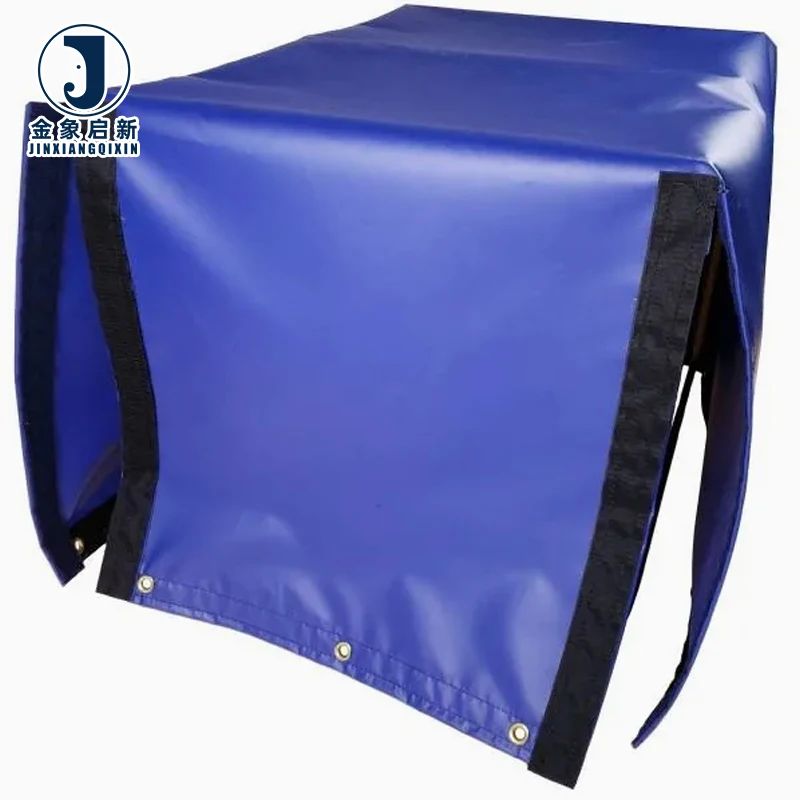
- Reinforced hems on finished truck covers should align with the warp direction of the base fabric for maximum tie-down load resistance
What to Include in Your Roll Stock Inquiry
To get an accurate quotation on PVC truck cover roll for wholesale, specify the target GSM, base fabric denier preference, and the custom width your trailer patterns require. Confirm whether your market mandates a particular flame retardant grade or UV treatment standard, so the correct test reports are prepared with the shipment. State your annual volume and preferred colour references to lock in batch consistency across multiple container loads. If you need sample rolls for weld testing and fabrication trials before committing to bulk, request these during the specification stage.
Frequently Asked Questions
Q: How is GSM verified on arrival and what is your pre-shipment inspection process?
A: Every roll is weighed and measured against the quoted GSM during pre-shipment inspection. The inspection record travels with the shipment, so you can cross-reference the actual weight per roll against the material specification sheet at your warehouse. No statistical sampling — each roll is checked individually before packing.
Q: How do you control colour consistency across rolls in the same bulk order?
A: Pigment is compounded at the coating stage against your approved colour reference. All rolls in a single order are produced within the same dye lot, and QC checks colour under standardised lighting before packing. This prevents visible variation when panels from different rolls are installed side by side on fleet trailers.
Q: What roll widths and lengths are available for container loading optimisation?
A: Standard widths are available alongside custom widths cut to match your trailer fabrication patterns. Roll lengths can be adjusted to maximise container payload. The packing list details roll count, diameter, and net weight so you can plan unloading and warehouse allocation in advance.
Q: What is the MOQ for custom colour or custom width truck cover roll stock?
A: Minimums vary by colour and width specification. Custom colours typically require a dedicated coating run, so the MOQ reflects the minimum batch size for pigment compounding. Contact with your target specifications and annual volume to receive a precise minimum and lead time for your PVC truck cover roll requirements.
Q: How are rolls packed and protected during ocean freight to prevent surface damage?
A: Rolls are packed in carton or bale wrapping with end caps to protect edges from impact during loading. Heavy GSM rolls are secured to prevent shifting inside the container. The packing method is chosen based on roll weight and destination transit conditions to ensure the coating surface arrives free of creases and abrasion marks.