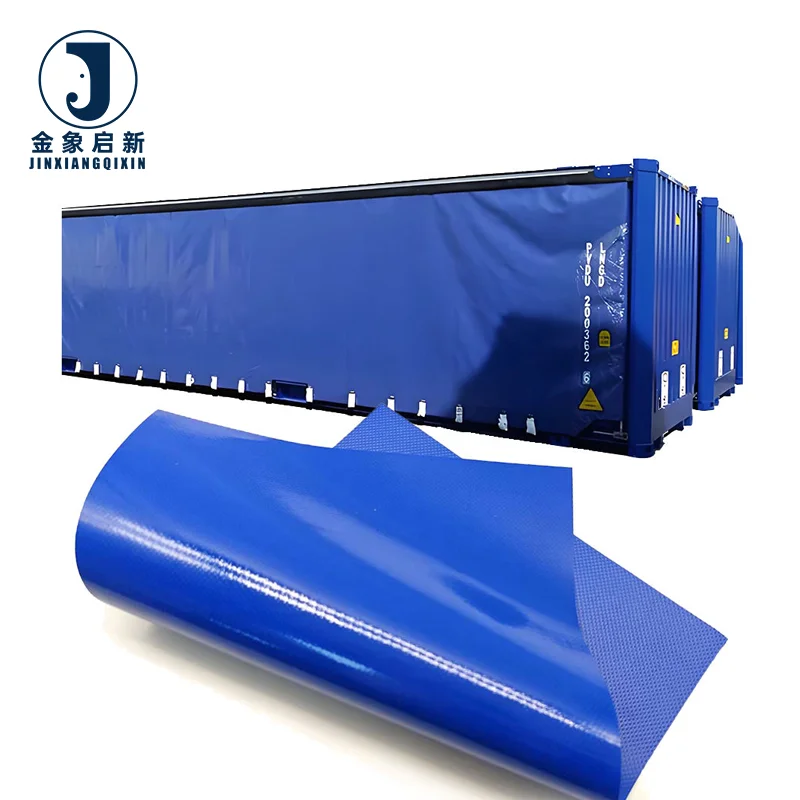
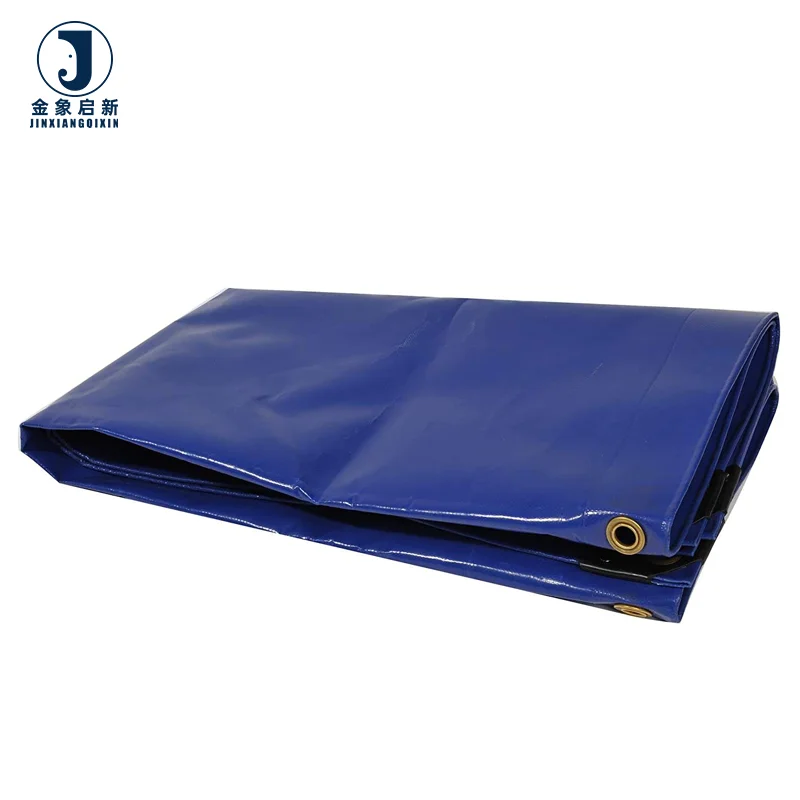
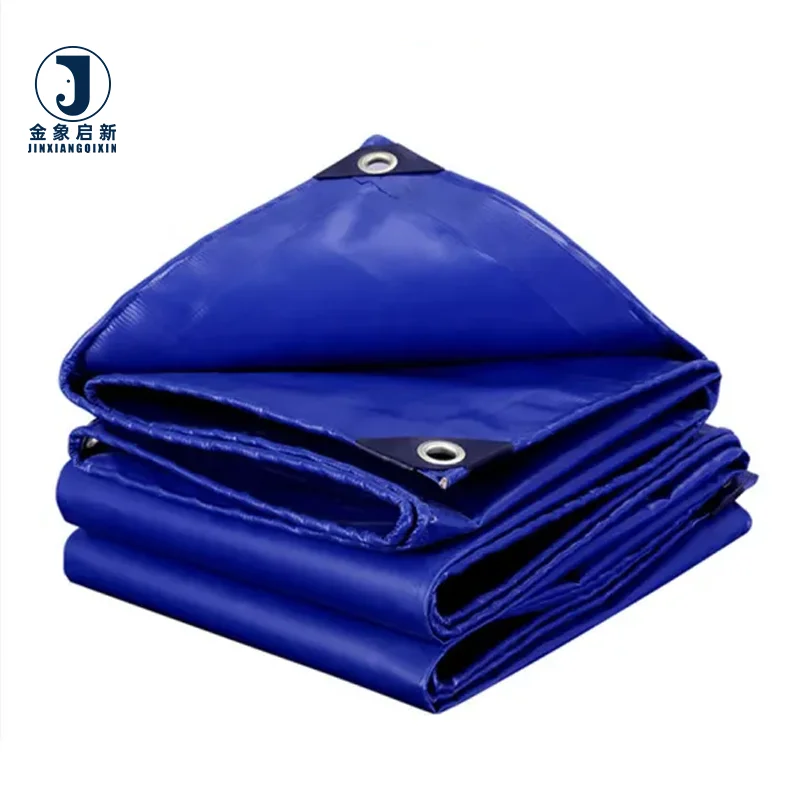
Description
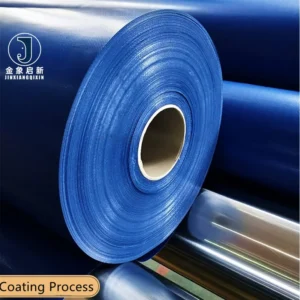
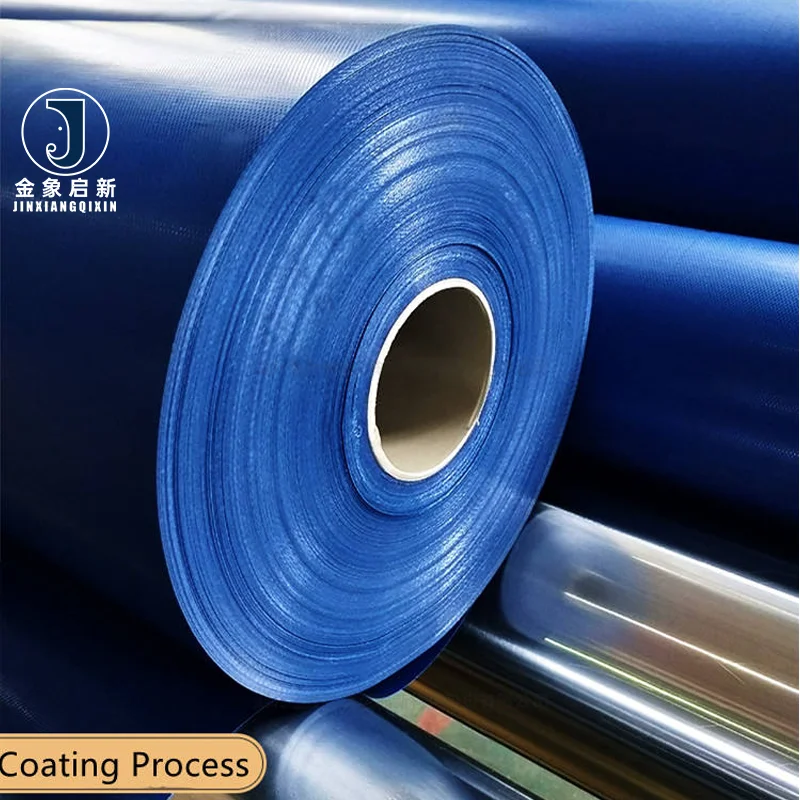
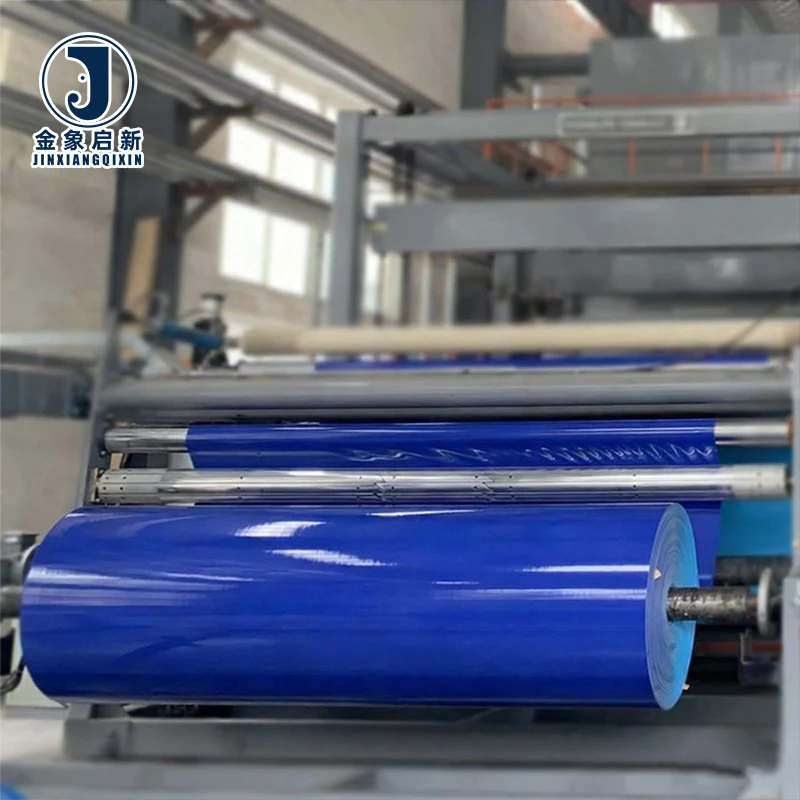
Proven Coating Consistency — Every roll of PVC tarpaulin is weighed and checked against the spec sheet before it leaves the line, ensuring the GSM you ordered is the GSM you receive.
Technical Specifications
| Parameter | Value |
|---|---|
| Product Type | PVC Tarpaulin Roll |
| Material | PVC Coated Fabric |
| GSM | 50gr/m2 ~ 300gr/m2 available |
| Thickness | 0.2-0.4mm / 8 mil-16 mil / Custom |
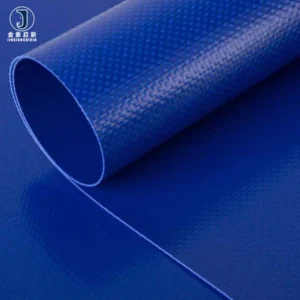
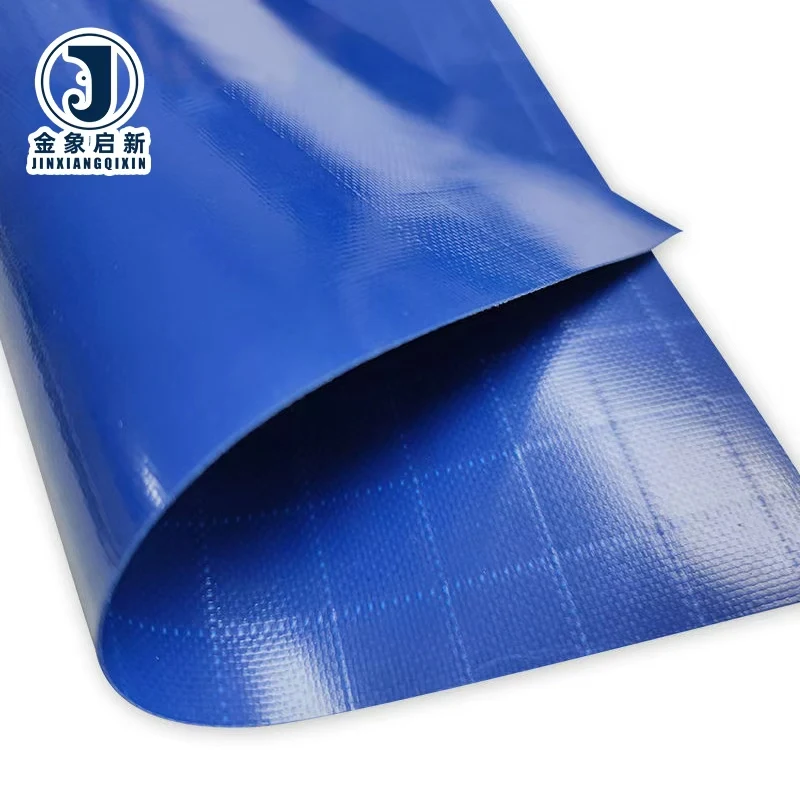
| Weave Density Options | 6×6, 6×7, 7×7, 7×8, 8×8, 9×9, 8×10, 10×10, 12×12, 14×14, 14×16 |
| Roll Width | 6ft, 8ft, 10ft, 12ft, 2m, 4m, 6m |
| Roll Length | 100 yards, 100 meters, or as per buyer’s requirement |
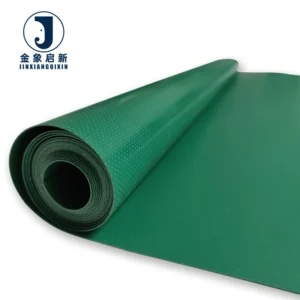
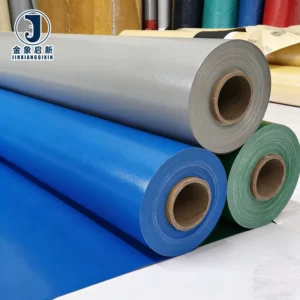
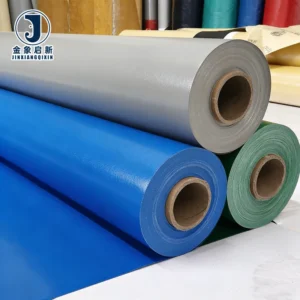
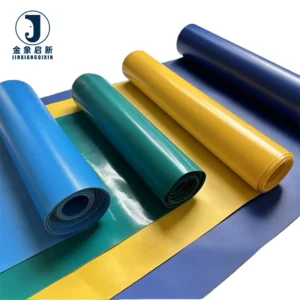
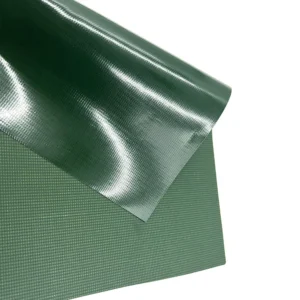
| Color Options | Blue, Blue/Orange, Green, Grey, Black, Clear, Grey/Green, Orange, or custom colors |
| Surface Treatment | UV treatment available (test basis not stated) |
| Key Features | Waterproof, washable, tear resistant, weather proof, sunproof, mildew proof, anti-aging |
| Certifications | ISO, CE |
Application Suitability
| Application | Exposure & Requirement |
|---|---|
| Tent and construction site covers | Prolonged sun exposure, wind load, rain ingress, scaffolding abrasion |
| Truck and transport covers | Road debris impact, constant vibration, UV degradation, tie-down stress at hems |
| Agricultural crop and timber covers | Moisture retention, mildew risk, soil contact, seasonal temperature swings |
| Swimming pool and garden furniture covers | Standing water, chlorine vapour, leaf debris, repeated folding and unfolding |
| Roof and road repair enclosures | Direct weather exposure, puncture risk from tools and materials, heat reflection |
Why GSM Alone Does Not Tell Distributors How Strong a PVC Tarpaulin Roll Really Is
A 500 GSM roll with a loose 6×6 weave can tear faster than a 400 GSM roll woven at 14×14.
Many tarpaulin importers specify by weight and assume tensile and tear performance follows automatically. In practice, GSM tells you how much material is on the roll, not how that material is structured. A heavier coating over a low-density base fabric adds dead weight without improving resistance to tear propagation, and that extra mass increases freight cost per usable square metre. Buyers who source PVC tarpaulin roll wholesale bulk shipments based on weight alone often discover the gap only after the material is in their warehouse [NEED_CITE: relationship between mesh density and tear strength in coated fabrics per ISO 1421]. The real purchasing decision requires matching both GSM and weave density to the end-use stress profile.
Mesh Density and Roll Width Options for Volume Buyers
The available weave densities run from 6×6 through 14×16, giving distributors and fabricators a structured range to match against different end uses. Lighter grades at 6×6 or 7×7 serve temporary covers and short-term site enclosures, while 10×10 and above provide the base fabric integrity needed for tensioned structures and heavy-duty transport covers. Roll widths of 2m, 4m, and 6m allow buyers to select the most efficient cutting layout for their fabrication process, reducing seam count and offcut waste.
Batch Consistency Across Container Loads
Colour variation between rolls in the same order is a recurring complaint among tarpaulin distributors, especially when the material is sold to end users who install panels side by side. Maintaining colour reference consistency across multiple rolls within a PVC tarpaulin roll wholesale bulk shipment requires controlled coating formulation and consistent curing temperature throughout the production run. Buyers should request a colour reference standard and confirm that all rolls in a given batch are produced within the same coating cycle to avoid visible shade differences [NEED_CITE: colour consistency standards in batch coating operations].
How Weave Density, Coating Weight, and Width Interact on the Data Sheet
GSM and mesh density must be read together. A 14×16 weave distributes load across more yarns per square centimetre, which slows tear propagation even before coating is considered; the PVC coating then adds adhesion and waterproofing but cannot compensate for a weak base fabric. Roll width directly affects fabrication yield — a 6m roll may allow a tent manufacturer to cut full panels without a centre seam, while the same pattern on a 2m roll would require multiple welded joins, each one a potential failure point under wind load. Thickness between 0.2mm and 0.4mm across the mid-range grades balances flexibility for folding against rigidity for spanning. UV treatment, where specified, protects the coating surface from chalking and embrittlement but should be confirmed with a test report relevant to the destination market’s climate classification [NEED_CITE: UV degradation testing methods for PVC coated textiles].
The Hidden Cost of Specifying Rolls by Price Per Ton Instead of Performance Per Square Metre
When procurement focuses on the lowest cost per ton, suppliers have an incentive to reduce coating weight or substitute a lower-density base fabric while keeping the quoted GSM nominally intact. The result arrives on the dock looking correct but fails prematurely at stress points — welded seams split, hems pull out under tie-down loads, and the fabric develops pinholes after a single season of sun exposure. For distributors, this means customer returns, reputational damage, and the cost of replacing stock that was sold on a specification the material never truly met. Verifying GSM per roll against the quotation is the minimum checkpoint; confirming weave density and coating adhesion closes the gap.
What Makes This Supply Chain Reliable for Roll-Stock Purchasers
Deep process control over coating weight and adhesion across three full production lines means that bulk orders maintain uniform GSM from the first roll to the last. The 10-person R&D team develops custom colour and width samples within days, allowing distributors to evaluate material before committing to a container order. Dedicated quality inspection at every production stage, with 100% pre-shipment verification, ensures that the PVC tarpaulin roll wholesale bulk you receive matches the data sheet. Roll packing on rigid paper tubes with protective outer wrapping prevents edge crush during ocean transit, and container loading plans are calculated to maximise weight utilisation in both 20’GP and 40’HQ configurations.
Documentation & Verification
- Material specification sheet stating base fabric denier, weave density, and coating weight for each batch
- Pre-shipment inspection record showing measured GSM per roll against the quoted grade
- Roll packing list with net weight, roll count, and container loading plan for 20’GP and 40’HQ
- Certificate of origin and customs documentation prepared for cross-border clearance
- UV test report provided where UV treatment grade has been specified and confirmed
Fabrication, Handling & Storage
- Hot-air welding temperature must match the PVC coating grade; test seam peel strength before full production runs
- Store rolls upright on their tubes to prevent flat-spot deformation on the outer coating layers
- When cutting 4m and 6m rolls, support the full width on a flat table to avoid bias distortion in the base fabric
- Allow cold-stored rolls to reach ambient temperature before unrolling to prevent cracking of the PVC surface
- Use compatible PVC adhesive for field repairs; solvent-based contact cement may attack the coating plasticiser
- Galvanised eyelets, if fitted, should be backed with reinforced patches to distribute load across the weave
What to Include in Your Next Enquiry
Specify the GSM grade, weave density, and roll width your fabrication process requires, along with the annual volume and destination market. If UV treatment or specific colour references are needed, include the relevant standard or Pantone code so that samples can be developed against a defined target. Confirm whether you need rolls in standard 100-yard or 100-metre lengths, or if custom roll lengths would improve your cutting yield.
Frequently Asked Questions
Q: How is GSM verified roll by roll before shipment?
A: Each roll is weighed and measured during pre-shipment inspection, and the result is recorded against the specification sheet. The inspection report accompanies the shipment so you can cross-check the GSM you ordered against the measured value for every roll in the container.
Q: Can you hold the same colour reference across multiple container orders?
A: Yes, provided the colour reference is defined by a standard code or approved sample at the outset. Producing consecutive orders within the same coating formulation and curing parameters maintains shade consistency, and a retained sample from the original batch serves as the benchmark for future runs.
Q: What roll widths and lengths are available off the shelf versus on custom run?
A: Standard widths of 2m, 4m, and 6m in common GSM grades are available for prompt dispatch. Custom widths, colours, and roll lengths are produced to order with sample approval before bulk coating begins, ensuring the material meets your cutting layout and specification requirements.
Q: How are rolls packed for ocean freight to prevent edge damage?
A: Rolls are wound on rigid paper tubes and wrapped in an outer protective tarpaulin sheet. This prevents edge crush from stacking pressure and protects the coating surface from abrasion during handling and transit inside the container.
Q: What is the minimum order per GSM grade and colour?
A: Minimums depend on the specific GSM grade, width, and colour combination. Standard grades in common colours have lower thresholds, while custom colours and non-standard widths require a dedicated coating run. Provide your specification and target volume for a confirmed minimum and lead time.