Description
Batch Consistency at Scale — every roll of PVC coated tarpaulin is produced under strict coating weight control with pre-shipment inspection records verifying GSM and colour across the entire order.
Technical Specifications
| Parameter | Value |
|---|---|
| Product Type | PVC Coated Tarpaulin Roll |
| Material | PVC + High-strength polyester mesh fabric |
| Coating Method | Laminated technology & Hot-melt Coating technology |
| Weight (GSM) | 350gsm, 420gsm, 500gsm, 550gsm, 600gsm, 750gsm |
| Total Thickness | 0.32mm, 0.35mm, 0.4mm, 0.45mm, 0.5mm, 0.65mm |
| Roll Width | 2m, 2.1m |
| Roll Length | 75m (2m width), 50m (2.1m width) |
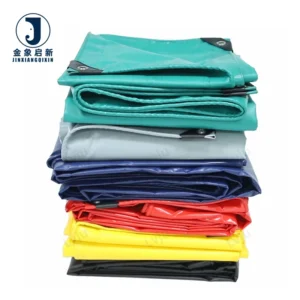
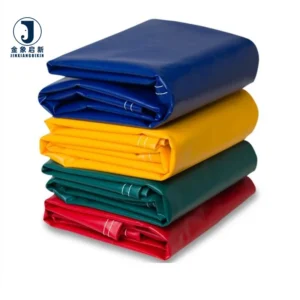
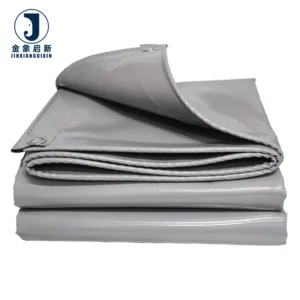
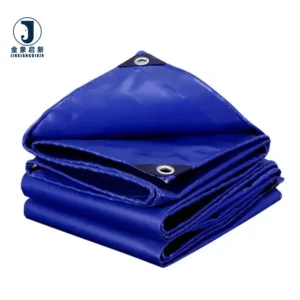
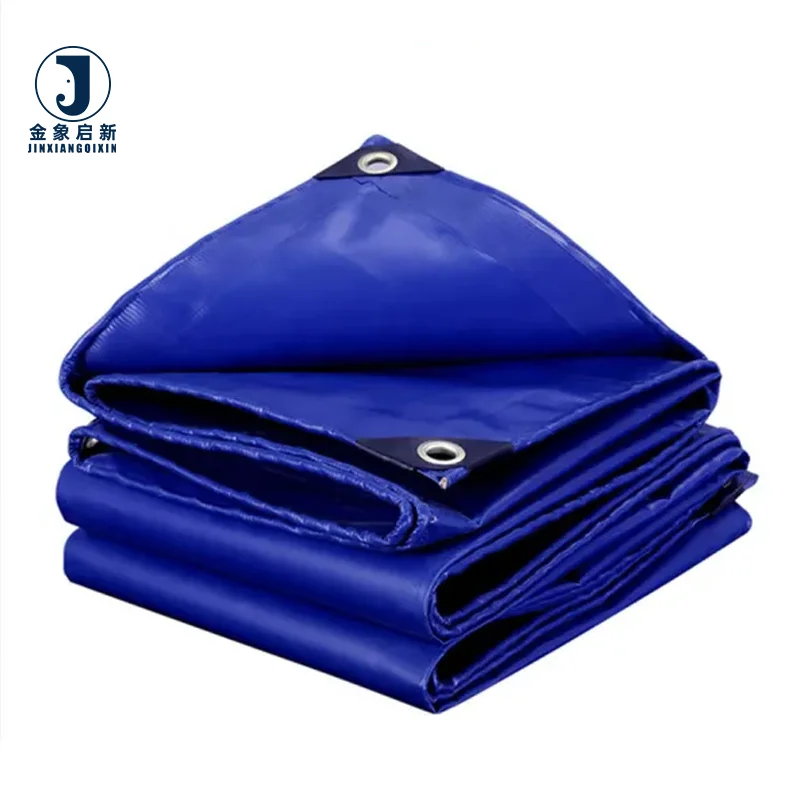
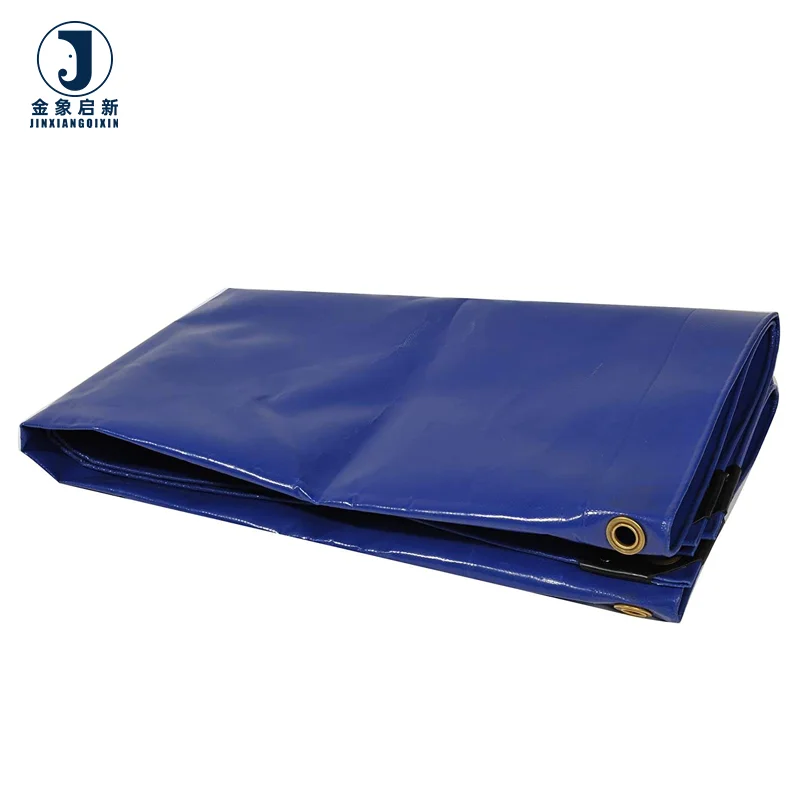
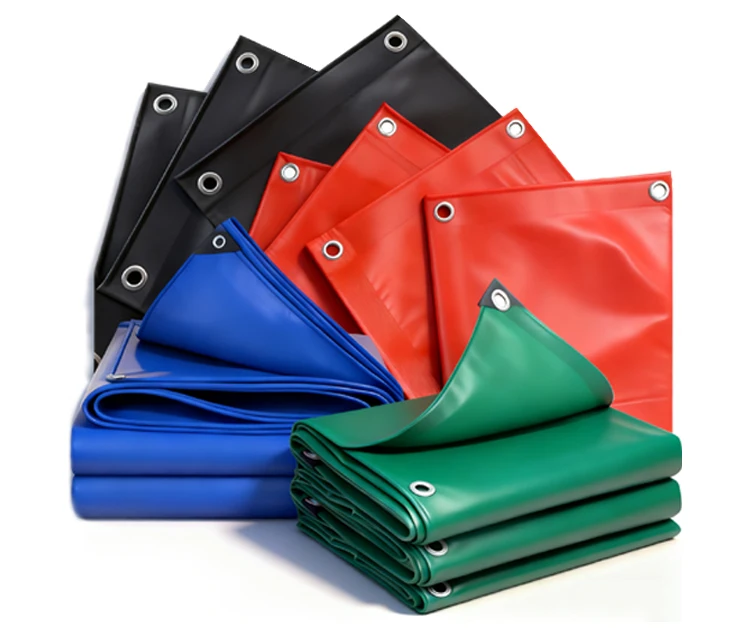
| Color Options | Blue, Red, Yellow, Light blue, Grey (Customized) |
| Key Features | Waterproof, Anti-Mildew, Cold Crack Resistant, Anti-Static treatment (grade not stated), Sunproof UV treatment (test basis not stated) |
| Standards | ISO, CE |
Application Suitability
| Application | Exposure & Requirement |
|---|---|
| Tarpaulin distribution & regional resale | Multiple GSM grades stocked by the roll, consistent colour and weight across batches for reliable downstream supply |
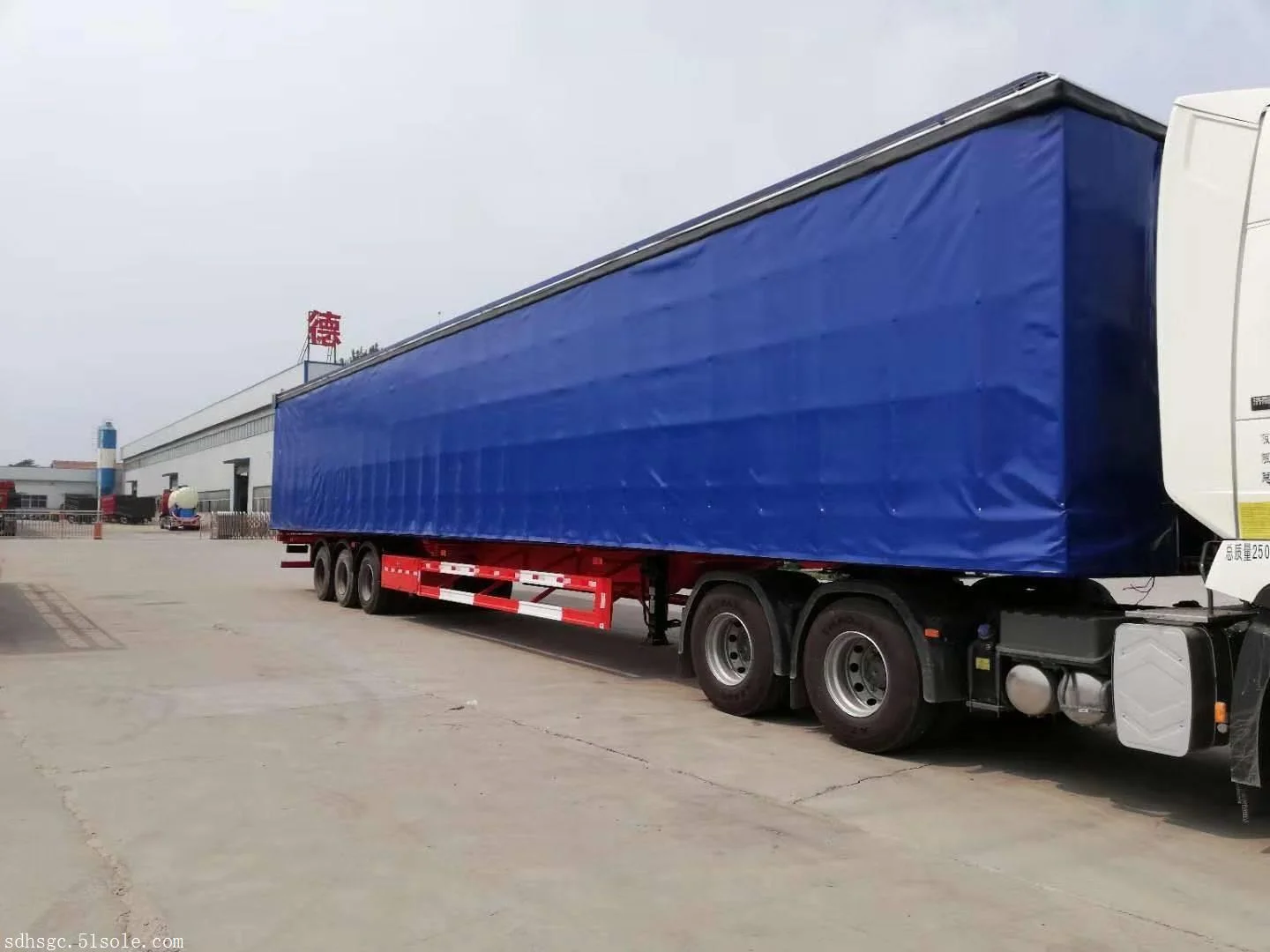
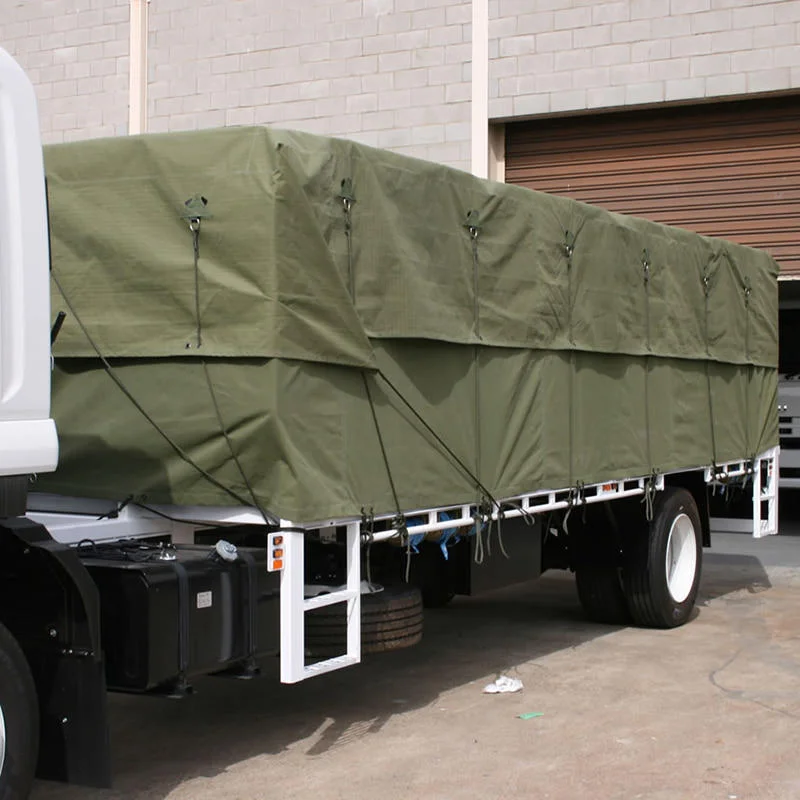
| Truck cover & tent manufacturing | Fabric bought by the roll for production cutting and welding, requiring uniform coating adhesion and predictable weld behaviour |
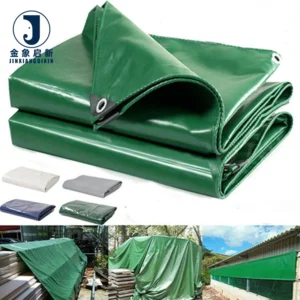
| Pond liner & aquaculture cover | Permanent water contact, soil chemistry exposure, puncture resistance during installation |
| Cargo ship cover & lorry tarpaulin | Constant weather exposure, flexing at load points, tie-down abrasion at edges |
Why Roll-to-Roll Consistency Matters More Than Quoted GSM
A quoted GSM is only as trustworthy as the production control behind it.
PVC coated tarpaulin roll wholesale buyers regularly face a frustrating reality: the material specification sheet states one weight, but the rolls arriving at the warehouse measure lighter. Coating weight drift during production is common when line speed and temperature are not tightly managed, and the shortfall only becomes visible after customs clearance and container unloading. I have seen importers hold entire shipments because three rolls from the same batch failed a spot-weight check at the receiving dock [NEED_CITE: coating weight verification methods for PVC tarpaulin per ISO 3801]. Colour variation between rolls in a single order compounds the problem — panels cut from different rolls show visible shade differences once installed side by side on a truck or tent structure. The cost is not just the material; it is the labour to sort, return, and replace.
Six Weight Grades Covering Light to Heavy-Demand Wholesale Stock
A distributor stocking PVC coated tarpaulin roll wholesale inventory needs a supplier who can provide a coherent range rather than isolated grades. The six available weights — 350gsm, 420gsm, 500gsm, 550gsm, 600gsm, and 750gsm — cover the span from lightweight temporary covers to heavy-duty transport and industrial applications. Each grade corresponds to a specific total thickness from 0.32mm to 0.65mm, giving buyers a clear reference when specifying to their own customers. Stocking a complete range from one production source reduces the risk of cross-supplier colour and finish inconsistency.
Roll Formats Engineered for Container Efficiency
The two standard roll formats — 2m × 75m and 2.1m × 50m — are dimensioned to suit standard container loading plans. Roll diameter and weight per roll determine how many units fit in a 20-foot or 40-foot container, and these formats balance manageable handling weight with maximum linear metres per shipment. Custom widths and lengths are available for buyers whose downstream cutting patterns require non-standard dimensions to reduce offcut waste. Confirming the optimal roll format early in the inquiry process allows the loading plan to be calculated before production begins [NEED_CITE: container loading optimization for coated fabric rolls by diameter and weight].
How Coating Technology and Base Fabric Define Real-World Performance
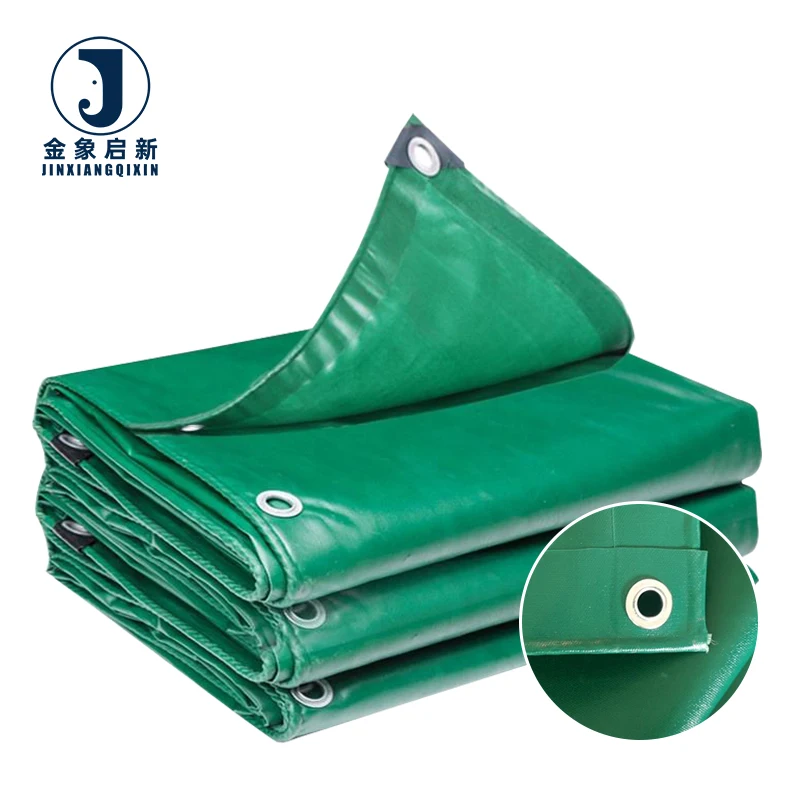
GSM alone does not predict how a PVC coated tarpaulin roll will behave in fabrication or service. The base polyester mesh fabric provides the tensile and tear foundation, while the PVC coating — applied here through laminated and hot-melt coating technology — determines surface durability, weld compatibility, and environmental resistance. Laminated coating bonds a pre-formed PVC film to the base fabric under heat and pressure, producing strong adhesion that holds up during high-frequency welding. Hot-melt coating offers good flexibility and cost efficiency for mid-range grades. The interplay between base fabric denier, weave density, and coating weight is what gives a 550gsm roll its particular balance of strength and handle — two rolls at the same GSM from different mills can perform very differently on the welding table.
The Hidden Cost of Inconsistent Coating Across a Bulk Order
When coating adhesion varies from roll to roll, the failure shows up at the worst possible moment: the welded seam on a truck cover splitting under flex load, or a tent panel delaminating after one season of sun and rain. Wholesale buyers absorb the reputational damage because their customers do not distinguish between the distributor and the original mill. Batch inconsistency in anti-mildew or cold crack treatment means some rolls in a shipment resist fungal growth while others develop staining in humid storage [NEED_CITE: anti-mildew treatment durability testing for PVC coated textiles]. The downstream cost — returns, replacements, and lost accounts — far exceeds the per-metre savings of buying from a source with weaker process control.
What Consistent Roll Supply Looks Like in Practice
Three full production lines and 36 sets of professional equipment support bulk volume without sacrificing batch uniformity. A 10-person R&D team handles colour matching, custom width development, and sample preparation, allowing specification confirmation before the full production run. Dedicated QA/QC at every production stage means coating weight is measured in-process, not only at final inspection. Samples are developed within days for custom colour or width requirements, giving buyers physical confirmation before committing a container order. All inspection records travel with the shipment documentation so the receiving warehouse can verify on arrival.
Documentation & Verification
- Material specification sheet stating exact GSM, base fabric denier, and coating weight per roll
- Pre-shipment inspection record verifying weight and colour consistency across every roll in the batch
- Roll packing list with container loading plan calculated by roll count, diameter, and weight
- Colour reference documented per order to prevent shade variation between rolls
- ISO and CE certificates included with each shipment for customs and compliance filing
- UV and anti-static test reports available on request — confirm the grade required for your market
Fabrication, Handling & Storage
- Hot-air or high-frequency welding parameters should be adjusted per GSM grade — test weld a sample strip from each roll batch before full production
- Store rolls upright on pallets in a dry, ventilated area to prevent flat spots and coating crease marks on the 2m or 2.1m widths
- Allow cold-stored rolls to acclimatise to workshop temperature before unrolling to avoid stress cracking in the PVC coating layer
- When cutting multiple panels from different rolls, verify colour match under consistent lighting before sewing or welding panels together
- Anti-mildew treatment protects stored rolls but does not eliminate the need for dry warehouse conditions below the dew point
- For custom-width orders, confirm minimum run length early to align production scheduling with your container loading timeline
Planning Your Roll Order
To receive an accurate specification and lead time, share your target GSM grade, roll width and length preference, and annual volume estimate. If you require custom colour matching, provide a Pantone or physical swatch reference along with the intended application and exposure environment. Buyers needing finished cut sizes rather than roll stock should specify panel dimensions and edge treatment requirements separately. Request a sample roll or swatch set to confirm coating hand, weld compatibility, and colour before placing the production order.
Frequently Asked Questions
Q: How do you verify GSM on arrival matches the quotation?
A: Every roll is weighed and measured during pre-shipment inspection, with results recorded on the inspection report that accompanies your documentation. You can conduct your own spot-weight check at receiving using a calibrated scale and a standard sample area cut. Any discrepancy between the documented and measured GSM should be reported immediately with photos and weight readings for resolution.
Q: How do you control colour consistency across rolls in a bulk order?
A: Colour reference is established during sample approval and locked for the production run. In-process checks compare each roll against the approved standard under controlled lighting conditions. The colour reference document is included in the shipment paperwork so your warehouse team can verify consistency upon opening the container.
Q: What roll widths and lengths are stocked, and what are the custom minimums?
A: Standard stock formats are 2m × 75m and 2.1m × 50m across six GSM grades. Custom widths and lengths are produced to order, with minimums depending on the grade and colour selected. Confirming your cutting pattern and waste tolerance helps determine whether a custom width delivers better yield than trimming from the standard roll.
Q: How are rolls packed and loaded for container shipment?
A: Rolls are packed on pallets with protective wrapping to prevent surface damage and moisture ingress during transit. The packing list details roll count, individual roll weight, and total shipment weight. Container loading plans are calculated to maximise linear metres while keeping roll stacks within safe stacking height limits.
Q: What documentation is provided per shipment for customs and quality traceability?
A: Each shipment includes a material specification sheet, pre-shipment inspection record, roll packing list, certificate of origin, and ISO and CE certificates. Test reports for UV and anti-static treatments are available on request. All documents reference the purchase order number for full traceability from production batch to delivery.