Description
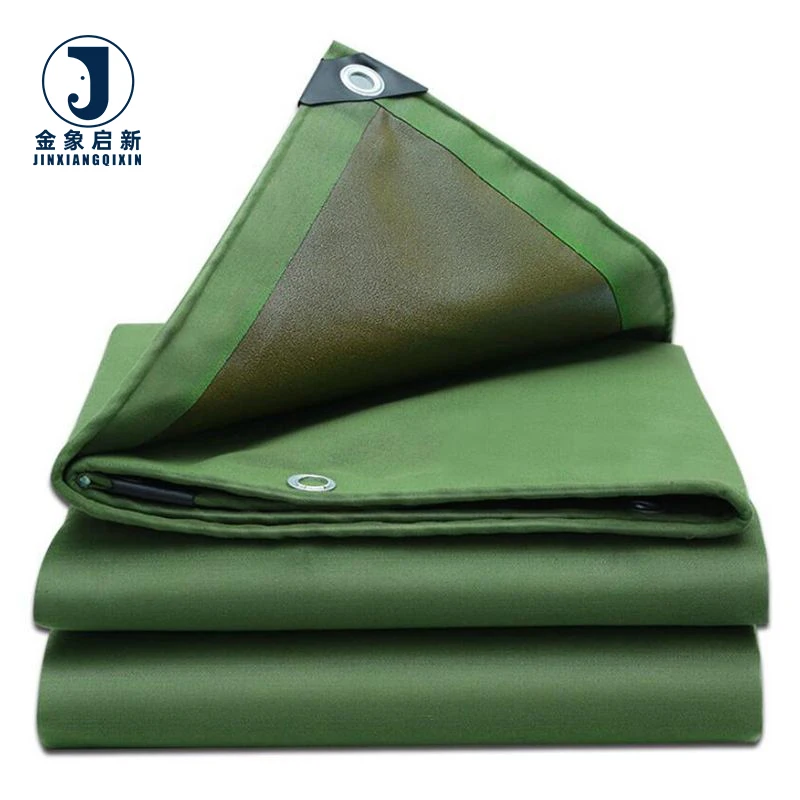
Roll-to-Roll Consistency — colour locked per batch reference so your wholesale PVC coated tarpaulin roll stock looks identical on the shelf and in the field.
Technical Specifications
| Parameter | Value |
|---|---|
| Product Type | PVC Coated Tarpaulin Roll / Truck Cover |
| Coating Material | PVC |
| Base Fabric | High-strength polyester mesh fabric |
| Coating Method | Laminated technology & Hot-melt Coating technology |
| Weight Options | 350gsm, 420gsm, 500gsm, 550gsm, 600gsm, 750gsm |
| Thickness Options | 0.32mm, 0.35mm, 0.4mm, 0.45mm, 0.5mm, 0.65mm |
| Roll Width | 2m, 2.1m |
| Roll Length | 75m (for 2m width), 50m (for 2.1m width) |
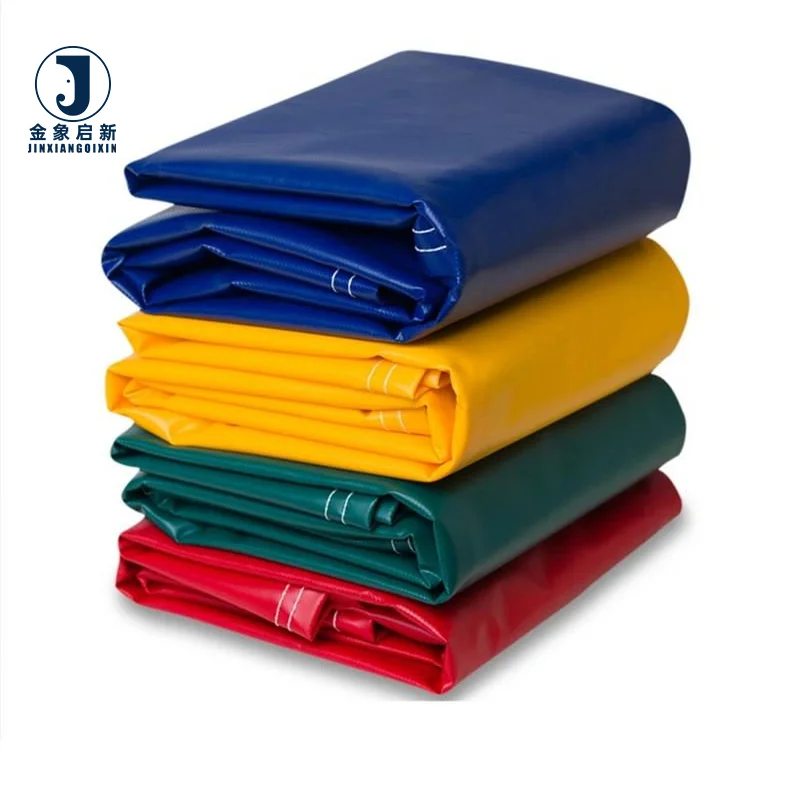
| Color Options | Blue, Red, Yellow, Light Blue, Grey (Customized) |
| Key Features | Waterproof, sunproof, anti-mildew, cold crack resistance, anti-static treatment (test basis not stated), good flexibility, outstanding tearing strength for welding, best color fastness |
| Certifications | ISO and CE certified |
Application Suitability
| Application | Exposure & Requirement |
|---|---|
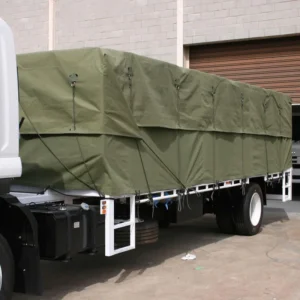
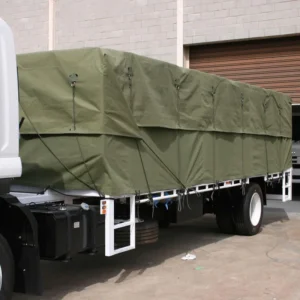
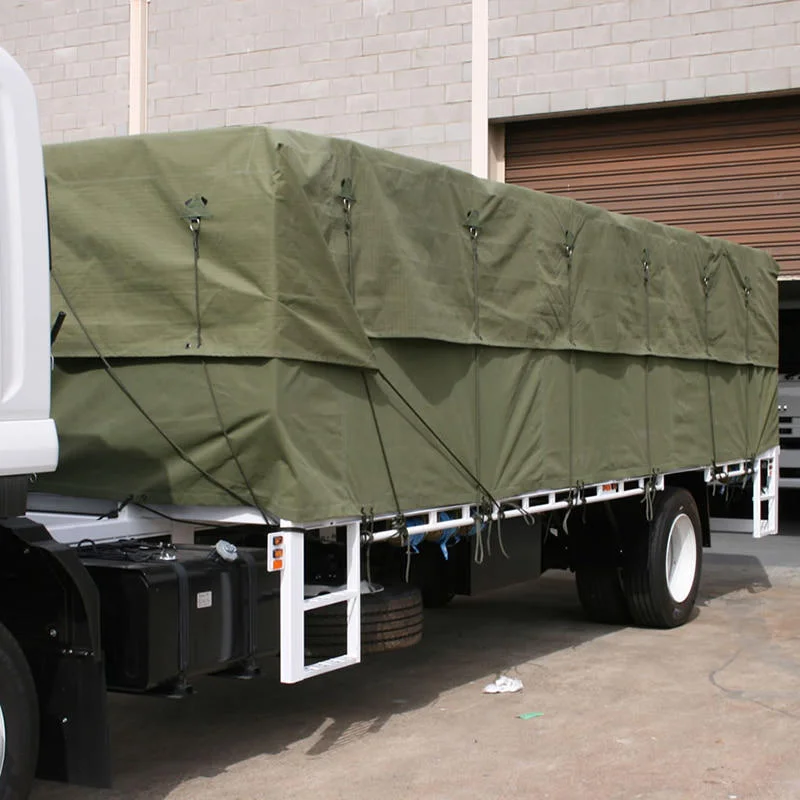
| Truck and trailer side curtains | Constant flexing at load points, road spray abrasion, weather exposure, colour match across fleet panels |
| Cargo ship and container covers | Salt-laden air, UV exposure, mechanical handling stress during loading and unloading |
| Tent and awning fabrication | Roll-stock purchasing for cut-and-sew operations, weld seam integrity, colour consistency across panels |
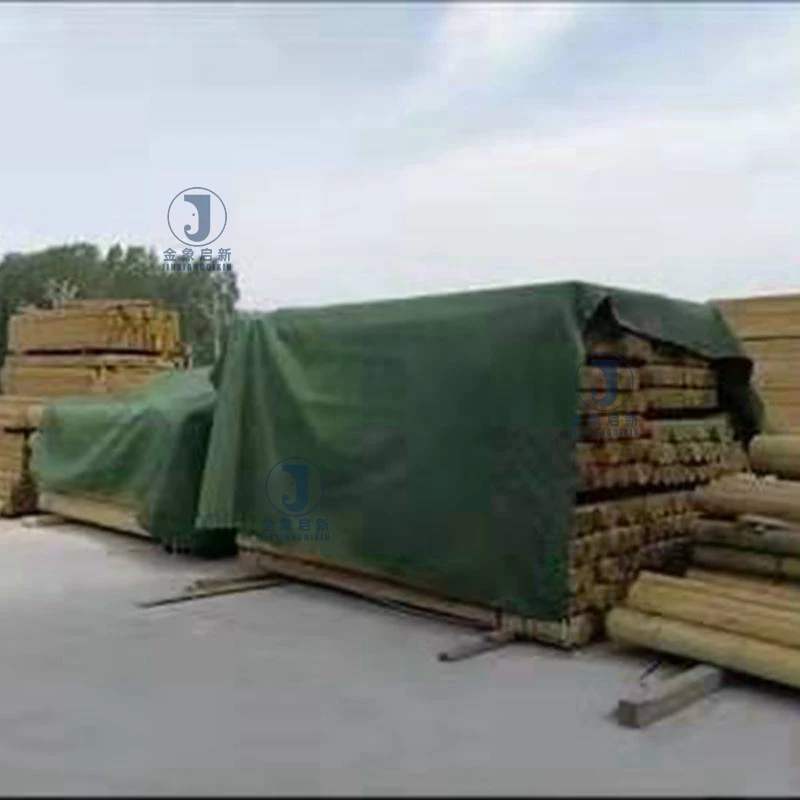
| Tarpaulin distribution and import | Bulk container purchasing, shelf-ready colour uniformity, grade-range inventory stocking |
| Garage and carport covers | Extended outdoor exposure, mildew risk in humid climates, moderate wind loading |
When the Quotation Says 550gsm but the Roll Arrives Lighter
Weight verification against the stated GSM must happen before the container leaves the factory, not after it clears customs.
I have watched importers receive PVC coated tarpaulin roll stock that feels noticeably lighter than the sample they approved weeks earlier. The mill certificate states one weight, the scale at the warehouse tells a different story. This is not a rounding error — it is a production gap that erodes the fabric’s tensile capacity and shortens its service life. [NEED_CITE: tensile and tear test methods for coated fabrics per ISO 1421]. Wholesale buyers absorb this loss across every roll in the container, and the shortfall only surfaces once the material is in use and the end-customer complains.
Stock Grades Built for Container-Load Purchasing
Six weight grades from 350gsm to 750gsm allow tarpaulin distributors to build inventory across light, medium and heavy-duty tiers from a single supplier. Each grade ships in standard roll widths of 2m and 2.1m, optimised for container loading patterns so you maximise the roll count per shipment. This PVC coated tarpaulin roll range is designed for buyers who move volume and need predictable lead times across every colour and weight combination.
Colour Reference Locking Across Repeat Orders
Batch-to-batch colour drift is a recurring complaint in the roll-stock trade. When two rolls installed side by side on a truck trailer show a visible shade difference, the end-user blames the fabricator, not the mill. Our QA process assigns a colour reference number at the sampling stage and holds that reference for every subsequent production run, so your PVC coated tarpaulin roll stock maintains visual consistency whether you reorder in two months or twelve. [NEED_CITE: colour measurement standards for coated industrial fabrics].
Reading the Spec Sheet Beyond the GSM Number
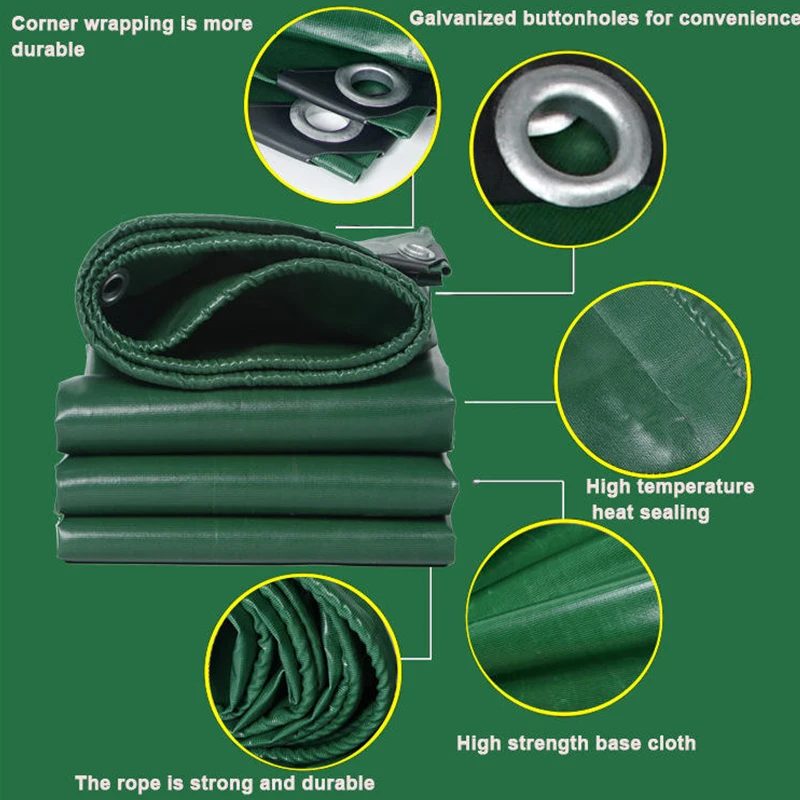
GSM tells you the combined weight of base fabric and coating per square metre, but it does not reveal how that weight is distributed. A 550gsm roll with a heavier coating and a lighter base fabric will behave differently under tensile load than a 550gsm roll built the other way around. The hot-melt coating technology used here drives PVC into the polyester mesh under heat and pressure, creating adhesion strength that directly affects how well the material holds a welded seam. Laminated technology, also available in this range, bonds pre-formed PVC films to the base cloth and produces a different surface character and peel resistance. Choosing between the two depends on whether your downstream fabrication relies more on high-frequency welding or traditional hot-air seaming.
Thickness readings from 0.32mm to 0.65mm correlate roughly with the GSM tiers, but thickness alone does not determine puncture or tear behaviour — the denier of the polyester yarns and the weave density of the base mesh are equally important. Roll lengths of 75m and 50m are set to balance handling weight against fabrication yield, reducing the number of mid-panel splices your production team has to manage.
The Hidden Cost of Wrong Specification Selection
Specifying a lighter GSM grade to save on material cost often shows up as premature failure at the weld line, where the fabric flexes most under load. When the coating adhesion is marginal for the duty cycle, the seam peels before the body of the tarpaulin shows any wear. [NEED_CITE: seam failure modes in PVC coated fabrics under cyclic loading]. Buyers who skip the sample-approval step and order directly from a data sheet sometimes find the colour on arrival does not match existing stock, forcing them to hold two separate inventory batches instead of one. Anti-static treatment is listed in the specification, but the test basis is not stated — confirm the grade required for your market before committing to bulk.
Why Source Roll Stock Through This Production Setup
Three full production lines and 36 sets of professional equipment mean capacity is spread across multiple orders simultaneously, reducing the bottleneck risk that single-line mills face during peak season. The 10-person R&D team handles custom colour matching and sample development in-house, so a request for a non-standard shade does not have to wait for an external lab. Dedicated QA/QC runs at every production stage with full inspection before shipment, catching GSM deviations and colour variance before rolls are packed. Nearly 30 years of focused coated-fabric production has refined the process control around coating weight and adhesion consistency. Samples for custom requirements are developed within days, letting you verify material before the main production run begins.
Documentation & Verification
- Material specification sheet stating exact GSM, base fabric type and coating method for each roll grade
- Pre-shipment inspection record confirming weight and colour check on every roll before dispatch
- Roll packing list with roll count, net weight and dimensions for container loading planning
- Certificate of origin and customs documentation included with each shipment
- Test reports for UV and flame-retardant grades provided where applicable and specified at inquiry
Fabrication, Handling & Storage
- Hot-air welding temperature and dwell time should be matched to the specific GSM grade and coating method of each roll
- Store rolls upright on pallets in shaded, ventilated areas to prevent compression marks on the PVC surface
- Unroll and allow material to relax at ambient temperature before cutting, especially in cold-weather conditions
- Plan cutting layout around the 2m or 2.1m roll width to minimise offcut waste and splice seams
- Clean fabricated covers with mild detergent only — solvents can degrade the PVC coating and compromise waterproofing
What to Include in Your Inquiry
Specify the end-use application and exposure conditions so the correct GSM grade and coating method can be recommended. Confirm whether you need roll stock only or finished cut sizes with fabricated edges. State your target colour reference or provide a physical swatch for matching, along with the estimated annual volume and preferred roll width. If your market requires fire-retardant or anti-static certification, provide the applicable standard at the inquiry stage.
Frequently Asked Questions
Q: How is GSM verified on arrival and what documentation supports the stated weight?
A: Each roll is weighed and measured during pre-shipment inspection, and the results are recorded on the inspection report that ships with your order. The material specification sheet states the exact GSM for each grade. If you need independent verification, we can arrange third-party sampling before the container is sealed.
Q: How do you control colour consistency across multiple rolls in one order?
A: A colour reference is locked at the sample-approval stage and carried through to every production run. In-process QA checks compare each roll against this reference before it moves to packing. This ensures that rolls from the same batch — and from repeat orders — match when installed side by side.
Q: What roll widths and lengths are available and can custom widths be ordered?
A: Standard roll widths are 2m at 75m length and 2.1m at 50m length, both optimised for container loading. Custom widths can be produced subject to minimum order requirements and lead time. Contact us with your required width and the GSM grade to confirm availability.
Q: What is the MOQ per colour and per GSM grade for wholesale roll orders?
A: Minimum order quantities vary by colour and grade, with standard stock colours generally carrying lower thresholds than custom matches. Share your required grade, colour and quantity at inquiry stage and the specific MOQ will be confirmed in the quotation along with the production lead time.
Q: Do you provide test reports for UV or flame-retardant treatment?
A: Test reports are supplied where the specified grade has been tested to a recognised standard. Anti-static and flame-retardant grades are available — confirm the exact certification your project or market requires so the correct material can be quoted and documented.