
Description
Verified Weight Per Roll — Every roll of 600gsm polyester cotton canvas tarpaulin ships with a documented GSM check, ensuring bulk buyers receive consistent material weight across the entire order.
Technical Specifications
| Parameter | Value |
|---|---|
| Product Type | Canvas Tarpaulin |
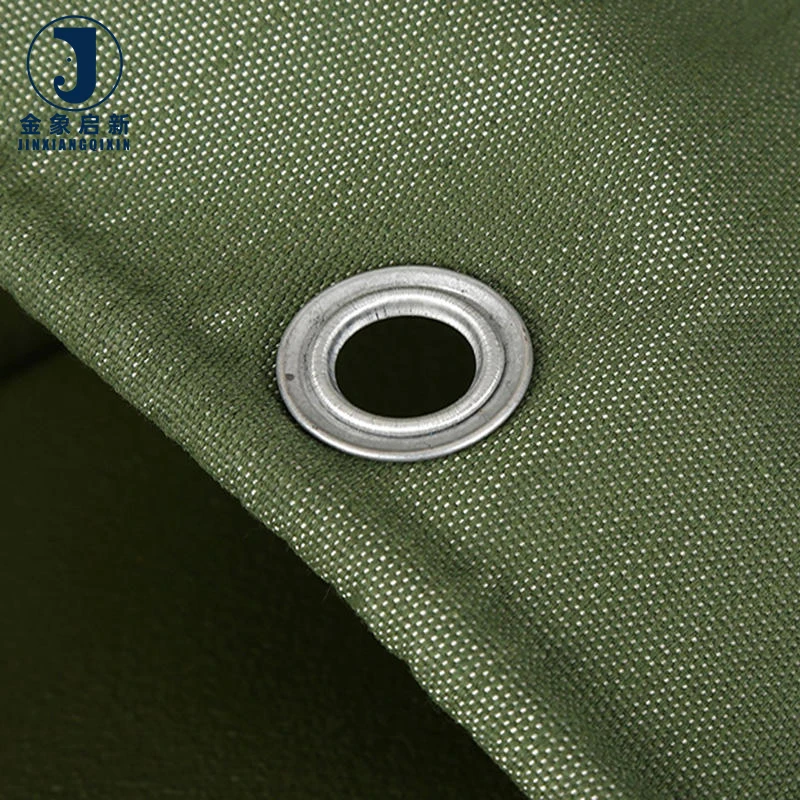
| Base Fabric | Polyester cotton industrial textile with 8-12 strands of fine cotton yarn |
| Weight | 600gsm |
| Thickness Options | 0.5mm / 0.6mm / 0.7mm |
| Roll Dimensions | 2m width × 100m length |
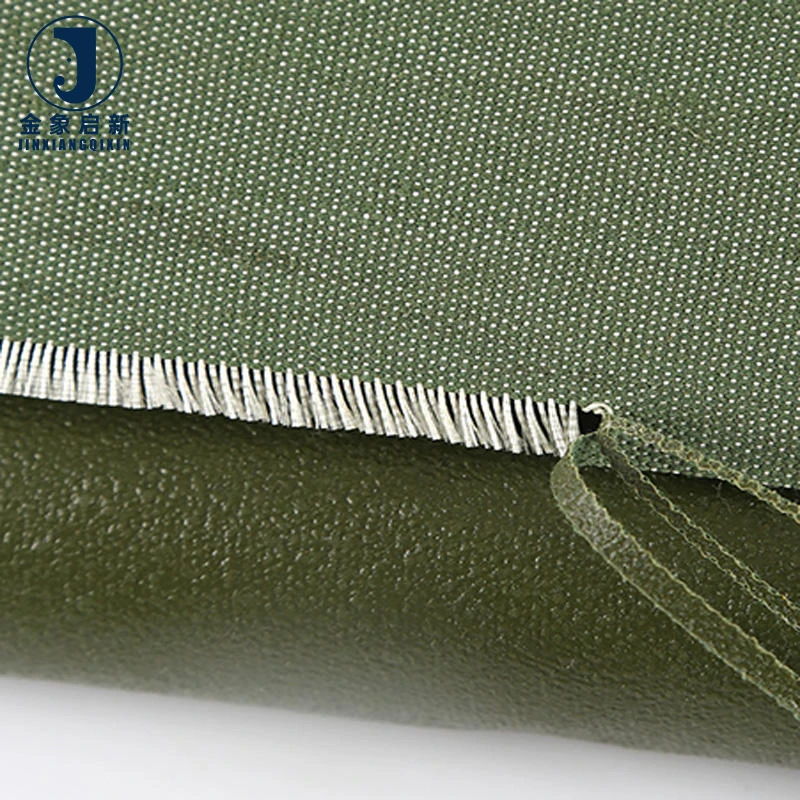
| Coating Material | Silicone canvas material |
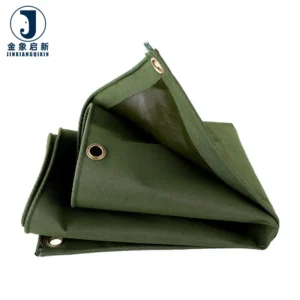
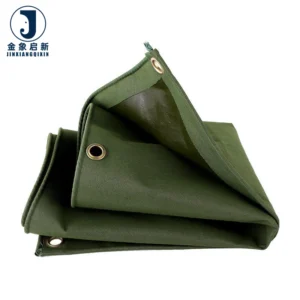
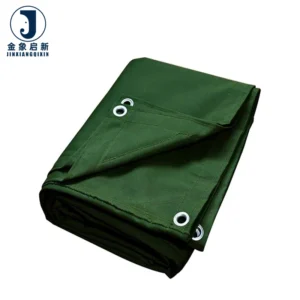
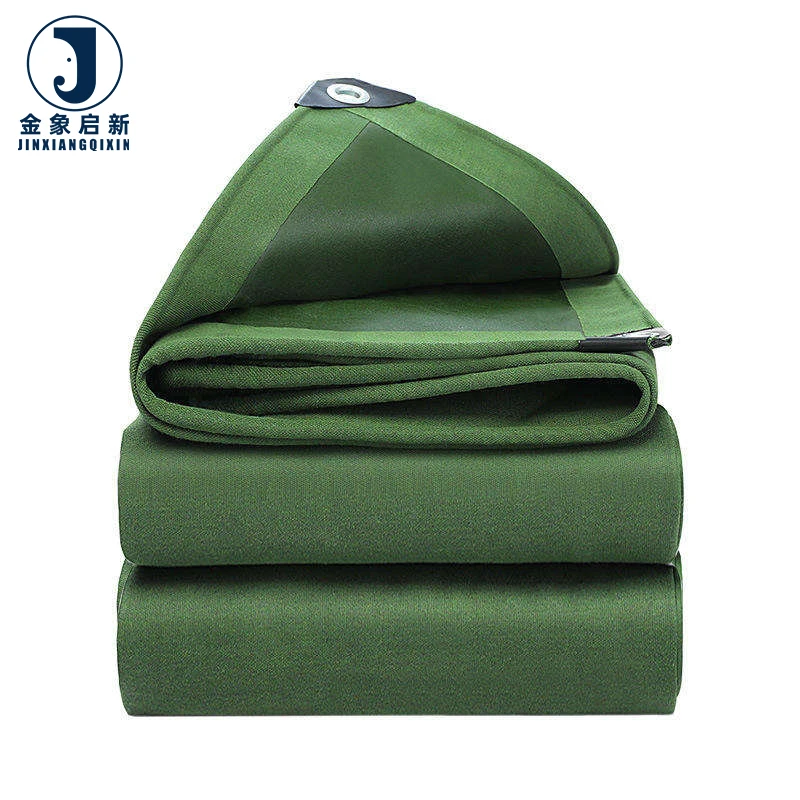
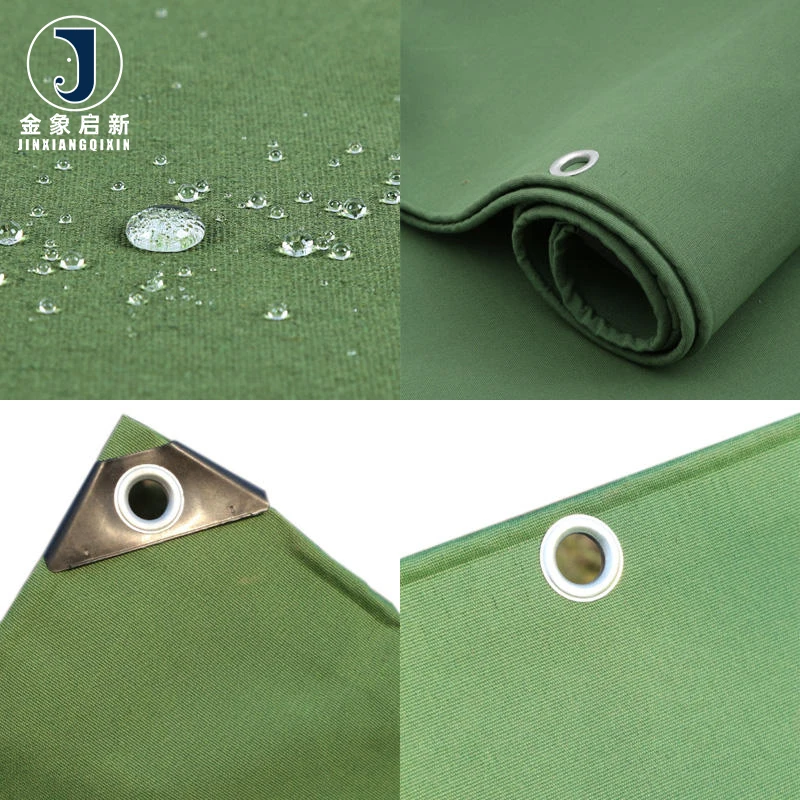
| Eyelet Configuration | Rust-proof aluminium eyelets spaced every 1 meter at corners and hem |
| Edge Reinforcement | Folded and welded seams, sewn with poly ropes |
| Water Resistance | Fully waterproof construction |
| UV Resistance | UV resistant (test basis not stated) |
| Anti-Mildew | Mold resistant (test basis not stated) |
| Key Features | Wear-resistant, corrosion-resistant, tensile-resistant, high- and low-temperature resistant |
Application Suitability
| Application | Exposure & Requirement |
|---|---|
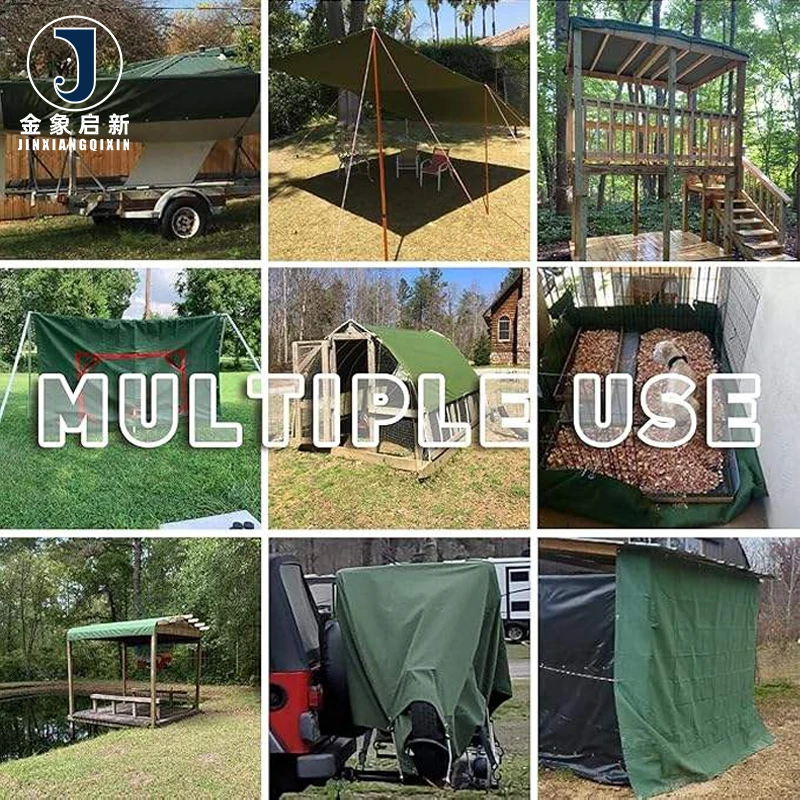
| Truck and trailer cargo cover | Constant road vibration, wind flap, abrasion from load movement, weather exposure |
| Construction site material cover | UV exposure, rain, dust, puncture risk from sharp aggregate and tools |
| Asphalt transport cover | High temperature retention, chemical contact, frequent folding and unfolding |
| Outdoor equipment and machinery cover | Long-term weathering, moisture ingress, mildew risk in humid storage |
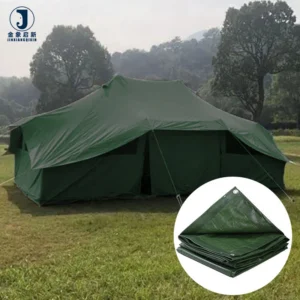
| Tent and temporary structure fabric | Tensile load from frame tension, wind uplift, repeated assembly and teardown |
Why Roll-to-Roll Weight Consistency Matters More Than the Quoted GSM
A stated 600gsm on paper means nothing if the roll arriving at your warehouse weighs less.
Buyers who source canvas tarpaulin in volume often face a familiar problem: the quotation specifies one weight, but the material on the scale tells a different story. When polyester canvas tarpaulin roll stock arrives underweight, the base fabric density is lower than expected, and the material fails earlier under tension or abrasion. For wholesale distributors restocking standard grades, this inconsistency erodes buyer trust downstream [NEED_CITE: tensile and tear test methods for coated fabrics per ISO 1421].
Maintaining GSM Accuracy Across a 100-Meter Roll
The polyester cotton base fabric in this canvas tarpaulin is constructed from 8-12 strands of fine cotton yarn, and the 600gsm weight reflects the combined mass of that woven substrate plus the silicone coating layer. During production, coating weight is monitored at each stage to prevent drift. For wholesale buyers ordering multiple rolls of polyester canvas tarpaulin, this process control ensures that roll number one and roll number fifty carry the same verified weight per square meter.
How Batch Colour Consistency Is Controlled
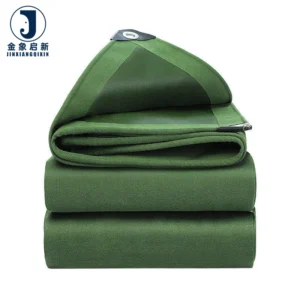
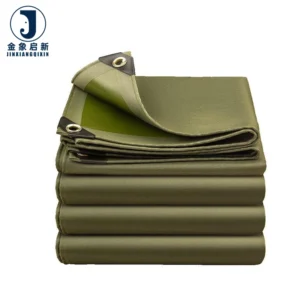
Army green camouflage is a standard colour option, with custom colours available on request. When multiple rolls of canvas tarpaulin are produced in a single batch, dye lot consistency is managed so that panels cut from different rolls do not show visible shade variation once installed side by side. Colour reference samples are matched before production runs begin, and pre-shipment inspection includes a visual check across rolls [NEED_CITE: colour fastness and batch consistency standards for coated textiles].
Understanding What the Thickness Options Mean in Practice
This canvas tarpaulin is available in 0.5mm, 0.6mm, and 0.7mm thickness variants, all at 600gsm. The thickness difference stems from the coating build and compression during finishing, not from a change in base fabric weight. A 0.7mm variant provides a thicker protective layer against abrasion and puncture, making it suited for asphalt covers and heavy equipment wraps. The 0.5mm option reduces roll weight and bulk, which matters when container loading plans are calculated by total weight. Choosing the correct thickness depends on whether the priority is surface protection or shipping efficiency.
The Hidden Cost of Incorrect Specification Selection
Ordering the wrong thickness or base fabric construction for a given application leads to predictable failures. A roll that is too thin for truck cover use will wear through at tie-down points where straps concentrate load. A canvas grade without adequate mildew resistance will stain and degrade when stored in humid conditions, even if the waterproofing holds. For wholesale buyers, these failures surface as warranty claims and erode resale margins. Selecting the correct specification upfront avoids the cost of replacing material that fails in the field before its expected service period ends [NEED_CITE: common failure modes in canvas tarpaulin used for transport and construction].
Why Bulk Buyers Source This Canvas Grade Here
Three full production lines and 36 sets of professional equipment support volume output without extended delays, which matters when a distributor needs to fill a container order on schedule. A dedicated QA/QC process inspects every roll before dispatch rather than relying on spot sampling, so weight and colour deviations are caught internally. The 10-person R&D team handles custom colour matching and cut-to-size requirements with sample development completed within days. Nearly 30 years of coating fabric production provides the process knowledge that keeps GSM and coating adhesion consistent across production runs. Rolls ship with complete export documentation, reducing customs friction for importers in North America, Europe, and Asia.
Documentation & Verification
- Material specification sheet confirming 600gsm weight, base fabric composition, and thickness variant
- Pre-shipment inspection record documenting per-roll GSM verification and colour check
- Roll packing list detailing roll count, net weight, and container loading plan
- Certificate of origin and customs documentation for international shipment
- Test reports for UV and anti-mildew treatment available upon request with applicable batch reference
Fabrication, Handling & Storage
- Welding temperature and dwell time should be calibrated to the silicone coating to prevent delamination at seams
- Aluminium eyelets at 1-meter spacing distribute tie-down load; reinforce corner patches on custom cut sizes
- Store 2m × 100m rolls upright on pallets to prevent flat-spot deformation on the outer layers
- Avoid prolonged compression stacking that can cause permanent creasing in the 0.5mm thickness variant
- Clean with mild detergent only; solvents may degrade the silicone coating surface
- Unroll and allow canvas to relax before cutting to account for tension from winding on the 100m roll
What to Include in Your Inquiry
Specify the intended application and exposure conditions — whether the canvas will cover moving loads, static equipment, or serve as temporary structure fabric. Indicate the thickness preference and whether standard army green camouflage or a custom colour is required. Confirm whether you need full 2m × 100m rolls or custom cut sizes with finished hems and eyelets, and provide the target order volume for container loading planning.
Frequently Asked Questions
Q: How is GSM verified per roll and what documentation accompanies shipment?
A: Each 600gsm roll undergoes weight verification during pre-shipment inspection. The inspection record documents the measured GSM against the specification sheet. This record, along with the material specification sheet confirming base fabric and coating details, ships with the order so you can confirm weight on receipt at your warehouse.
Q: How is batch colour consistency maintained across multiple rolls?
A: Dye lot control is applied during production so that all rolls within a single order match the approved colour reference. Pre-shipment inspection includes a side-by-side visual comparison across rolls. If your application involves joining panels from different rolls, request batch-matched allocation when placing your order.
Q: What custom widths, lengths, and cut sizes are available?
A: The standard roll format is 2m × 100m, optimised for container loading. Custom cut sizes with finished hems, welded seams, and aluminium eyelets are available on request. Provide your required dimensions, quantity, and any hardware specifications to receive a production lead time and minimum order confirmation.
Q: How are rolls packed and loaded to maximise container utilisation?
A: Rolls are packed upright on pallets with protective wrapping. A detailed roll packing list accompanies each shipment, specifying roll count, net and gross weight, and the container loading plan. This allows importers to verify quantity on arrival and plan warehouse intake accordingly.
Q: What eyelet spacing and hem reinforcement options are available?
A: Standard configuration includes rust-proof aluminium eyelets at 1-meter intervals along corners and hem, with folded and welded seams sewn with poly ropes. For heavy-duty tie-down applications, specify additional reinforcement at stress points. Custom eyelet spacing and hem treatments can be confirmed during the sample development stage.