
Description
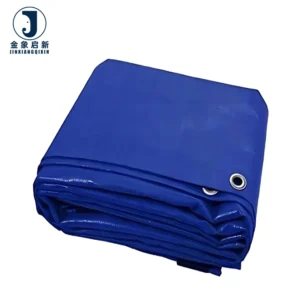
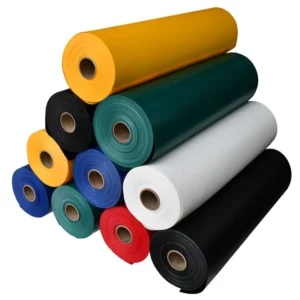
Proven Coating Expertise — Decades of controlled coating processes ensure every roll of stock-grade PVC and PE tarpaulin leaves the facility at verified weight and width consistency.
Technical Specifications
| Parameter | Value |
|---|---|
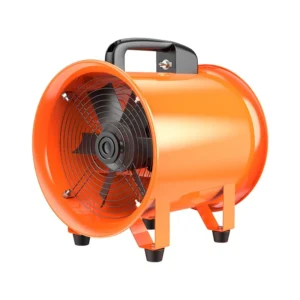
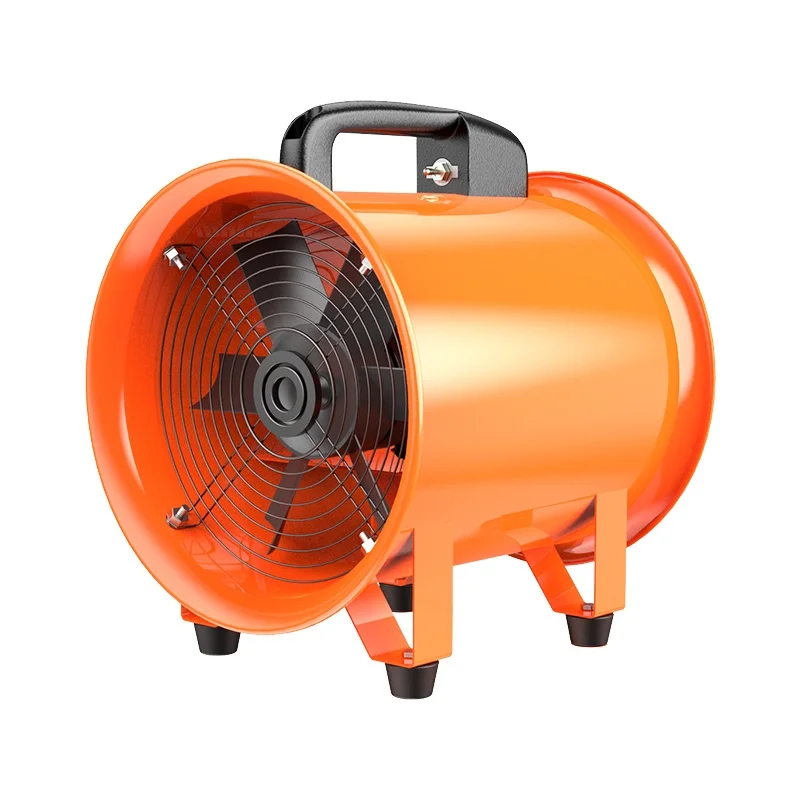
| Product Type | Axial Flow Exhaust Fan |
| Size Options | 200mm, 250mm, 300mm, 350mm, 400mm, 450mm, 550mm, 650mm, 750mm, 850mm, 900mm |
| Power Range | 250W to 5500W |
| Air Volume Range | 1300 to 28000 m³/h |
| Total Pressure Range | 140 to 320 Pa |
| Voltage | 220V / 380V |
| Noise Level Range | 57 to 88 dB(A) |
| Bearing Type | Ball Bearing |
| Housing Material | Cast Iron |
| Customization | ODM Available |
Application Suitability
| Application | Exposure & Requirement |
|---|---|
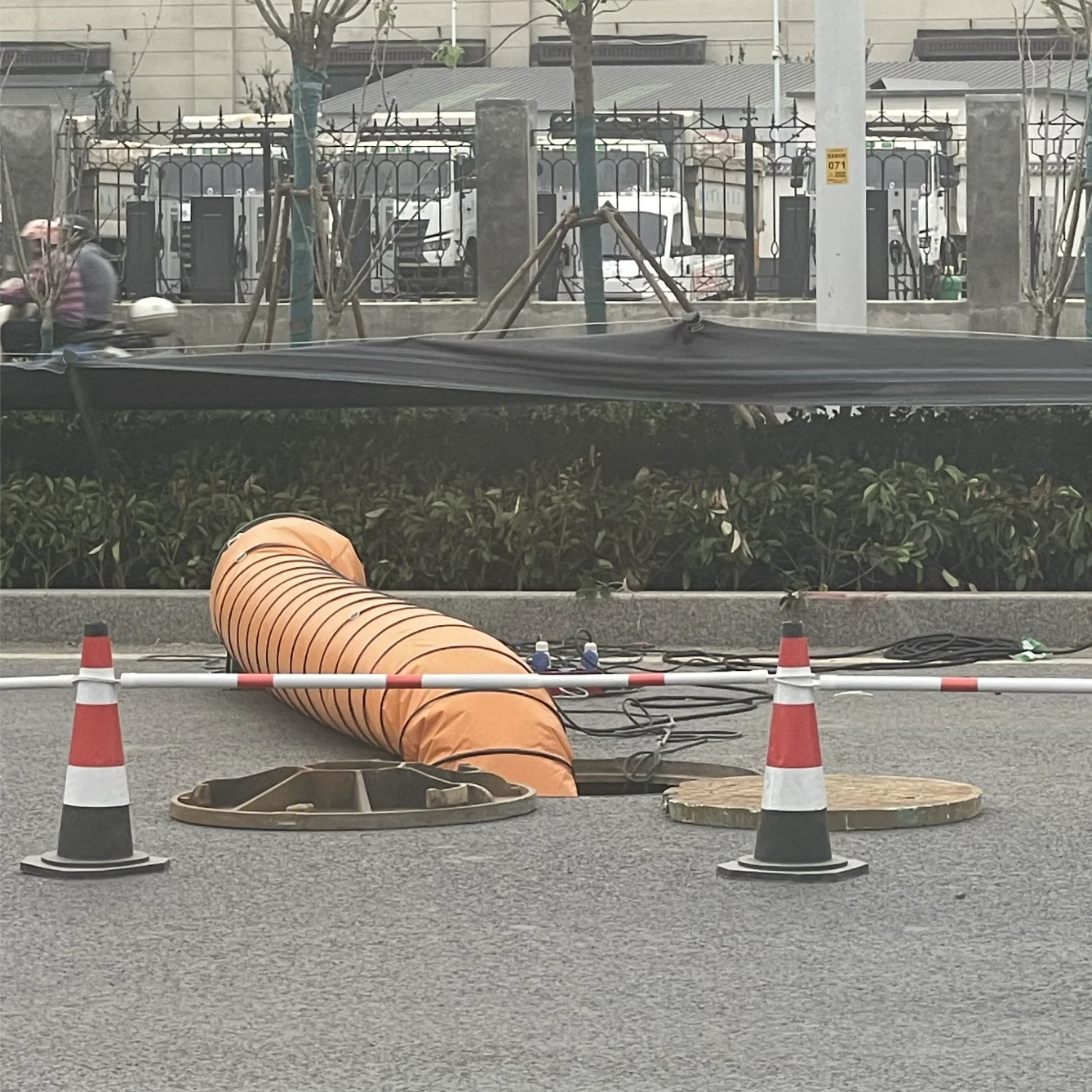
| Confined space ventilation on construction sites | Continuous operation in dust-laden, high-humidity enclosures requiring reliable airflow and mechanical durability |
| Workshop and warehouse air exhaust | Removal of welding fumes, solvent vapours, and particulate matter across large floor areas with limited natural ventilation |
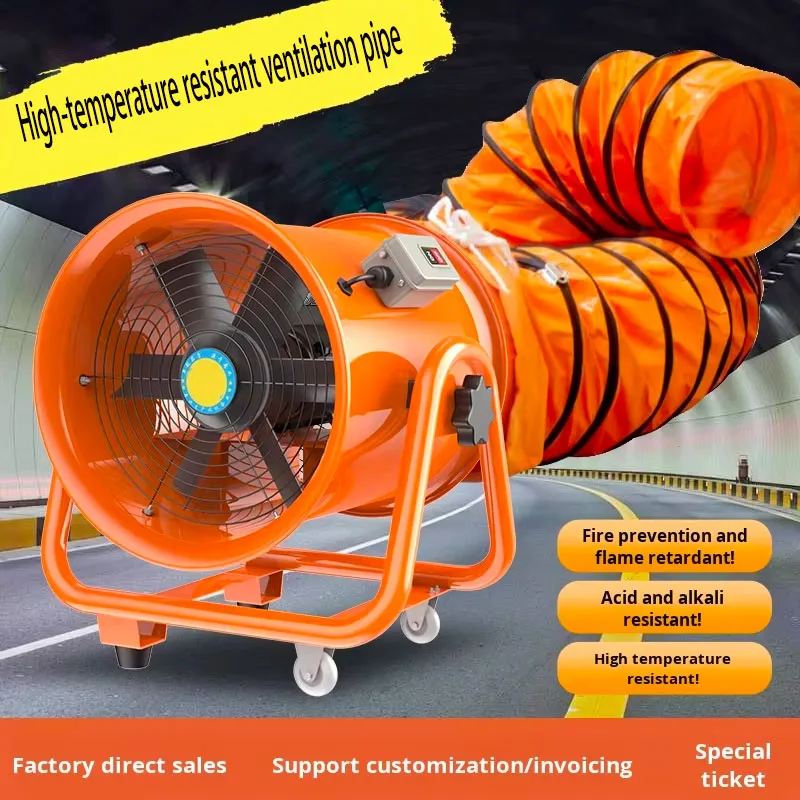
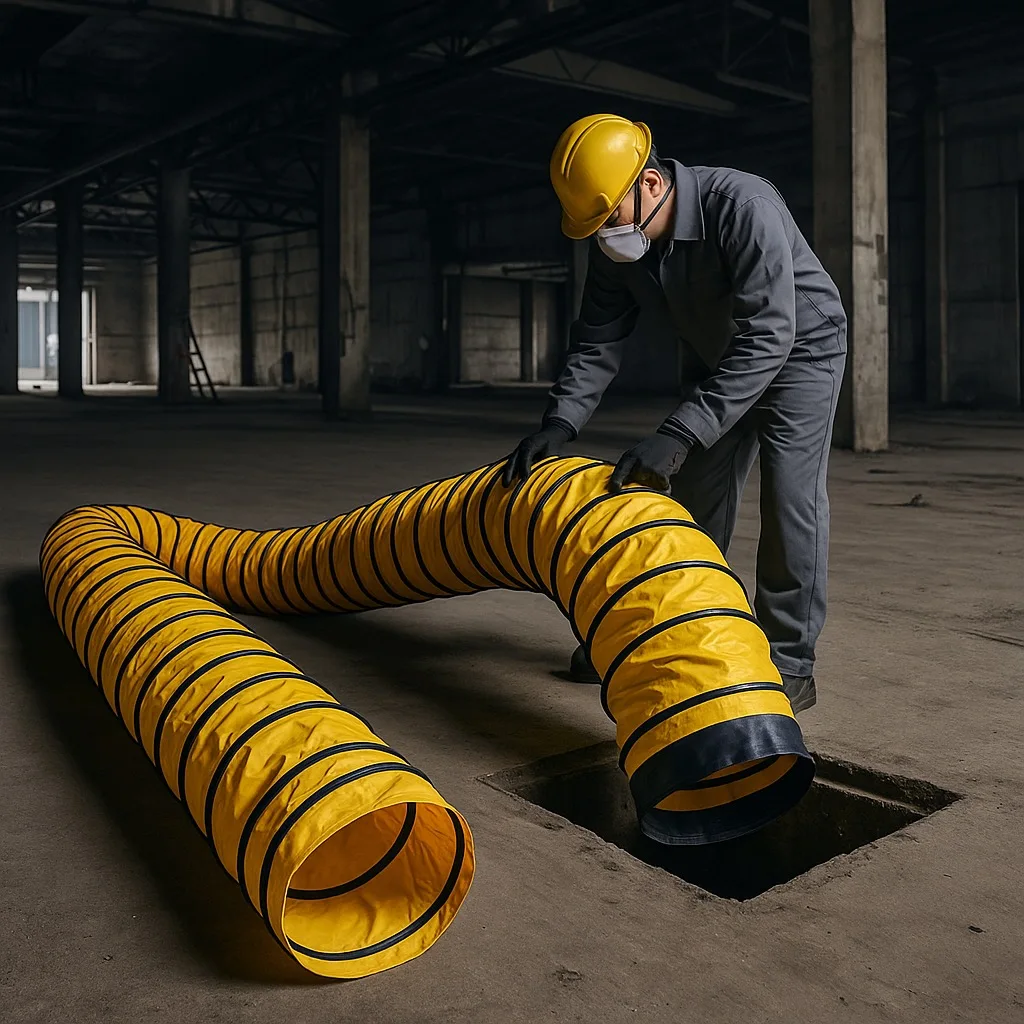
| Trench and basement air circulation | Restricted access zones where compact fan footprint and flexible duct coupling are essential for crew safety |
| Equipment cooling in processing areas | Directed airflow over machinery generating sustained thermal loads in industrial production environments |
Why Specified Air Volume Matters More Than Fan Diameter Alone
Matching cubic metres per hour to the actual void space prevents both under-ventilation and wasted energy.
Buyers often select a Portable Axial Flow Exhaust Fan by physical diameter, assuming a larger unit always delivers better results. In practice, an oversized fan in a small trench creates turbulent backflow, while an undersized unit in a deep basement fails to achieve the air changes per hour that safety regulations require. Industrial Ventilation Blower ODM orders frequently arrive with a diameter request but no calculated airflow target, which forces a guess at the jobsite [NEED_CITE: confined space ventilation air change rates per OSHA guidelines]. Selecting the correct model means working backward from the volume of the space, the contaminant load, and the acceptable clearance time.
Sizing the Fan to the Duct Run and Static Loss
Every metre of connected ductwork introduces friction that reduces delivered airflow below the free-air figure on the nameplate. When an Axial Flow Exhaust Fan aftermarket supplier quotes a unit rated at 28000 m³/h, that number assumes unobstructed intake and discharge. A 15-metre flexible duct run with two bends can cut effective volume substantially, meaning the jobsite receives far less air movement than the specification sheet implies. Specifying total pressure alongside air volume ensures the selected Portable Axial Flow Exhaust Fan overcomes the static resistance of the actual installation layout.
Cast Iron Housing and Ball Bearing Reliability in Continuous Duty
Construction and industrial sites rarely allow ventilation equipment to rest. The cast iron housing on these units absorbs vibration and resists deformation when knocked against scaffolding or dropped onto concrete floors. Ball bearing motor construction extends operational intervals by distributing radial load evenly across the bearing race, which is critical when the fan runs at full speed for extended shifts. Smaller sleeve-bearing fans may suffice for intermittent home workshop use, but on a mining or tunnelling contract where the fan operates continuously alongside heavy machinery, bearing failure means an immediate halt to work in that zone [NEED_CITE: bearing life comparison between ball and sleeve types in industrial motors].
Reading the Specification Sheet Across the Size Range
The 11 available diameters from 200mm to 900mm each pair a specific motor wattage with a corresponding air volume and total pressure band. A 200mm unit at 250W moves 1300 m³/h at 140 Pa — adequate for a small utility closet or equipment cabinet. At the upper end, a 900mm fan drawing 5500W delivers 28000 m³/h at 320 Pa, which suits large excavation chambers or multi-bay vehicle workshops. Noise levels scale accordingly, from 57 dB(A) on smaller frames to 88 dB(A) on the largest, so hearing protection requirements shift depending on which model the site deploys. Dual voltage availability at 220V and 380V means the same product family integrates into both single-phase site supplies and three-phase distribution boards without requiring an intermediary transformer.
The Cost of Underspecifying Ventilation Equipment
Ordering fans without confirming site voltage leads to units that cannot start or that trip breakers repeatedly, delaying the entire ventilation plan. A fan rated only for 220V connected to a 380V supply will destroy its motor winding within minutes, while the reverse scenario leaves the motor unable to reach operating speed. Similarly, ignoring noise level data means workers in the 88 dB(A) zone lack required hearing protection, creating a compliance failure that shuts the jobsite down during an inspection. These are not specification nuances — they are line items that determine whether the equipment can legally and physically operate on arrival [NEED_CITE: industrial noise exposure limits and workplace compliance standards].
Why Procurement Teams Consolidate Axial Fan Orders Here
Dedicated QA inspection verifies motor amperage draw and noise output against the spec sheet before any unit is crated, so the data you quoted is the data you receive. Ten-person R&D support handles custom colour and print requests for OEM branding, allowing your house markings to appear on the housing without a separate finishing step. Three production lines maintain stock across the full 200mm-to-900mm range, which keeps lead times predictable even when a project requires mixed sizes in one container. ISO and CE documentation travels with every shipment, eliminating the back-and-forth that delays customs clearance in regulated markets.
Documentation & Verification
- Motor performance test record confirming wattage and air volume match the quoted size
- Noise level measurement at specified distance logged per unit before packing
- Voltage and wiring configuration verified against the purchase order destination market
- Certificate of origin included for customs clearance in importing countries
- Pre-shipment photographic inspection record of housing finish and nameplate data
Fabrication, Handling & Storage
- Confirm duct collar diameter matches the fan discharge flange before ordering flexible ducting
- Store cast iron units on pallets to prevent base corrosion from direct ground moisture contact
- Inspect ball bearing play by hand rotation before installation after long sea freight transit
- Verify 220V or 380V wiring configuration against site supply before energising the motor
- Allow adequate clearance around intake side to prevent recirculation and airflow starvation
What to Include in Your Inquiry
Specify the confined space dimensions, the contaminant type, and the target air changes per hour so the correct diameter and pressure rating can be confirmed. State the available site voltage and whether single-phase or three-phase supply is in place. If ODM branding is required, provide the colour reference and print artwork early to align sample approval with the production schedule.
Frequently Asked Questions
Q: How is sample cost handled for custom-branded fan orders?
A: Sample charges are quoted based on the selected diameter and the complexity of your colour and print specifications. The cost is typically credited against your first bulk order once it reaches the agreed minimum quantity. Sample development proceeds through the R&D team and is dispatched within days of artwork confirmation.
Q: What is the process for applying our brand colour and logo to the housing?
A: Submit your Pantone or RAL colour reference along with logo artwork in vector format. The R&D team produces a painted and printed sample for your approval before bulk production begins. Custom finishes are applied in-house, ensuring colour consistency across every unit in the shipment.
Q: How do you protect fans from damage during container shipping?
A: Each cast iron unit is individually packed with protective material around the housing and motor shaft. Pre-shipment inspection includes a packaging integrity check. Photographic records of the crated load are provided before the container is sealed, giving you visibility into the condition at the point of dispatch.
Q: What determines lead time on mixed-size orders?
A: Lead time depends on the combination of diameters ordered and whether ODM customisation is applied. Standard configurations in common sizes ship faster, while custom colour or print orders require additional days for sample approval and paint curing. Material stock availability is confirmed at the quotation stage.
Q: What support is available if a fan underperforms after installation?
A: Provide the unit nameplate data, site operating conditions, and a description of the issue. The technical team reviews motor current draw, duct configuration, and static pressure conditions to diagnose whether the cause is application mismatch or a product fault. Resolution options are then discussed based on the findings.