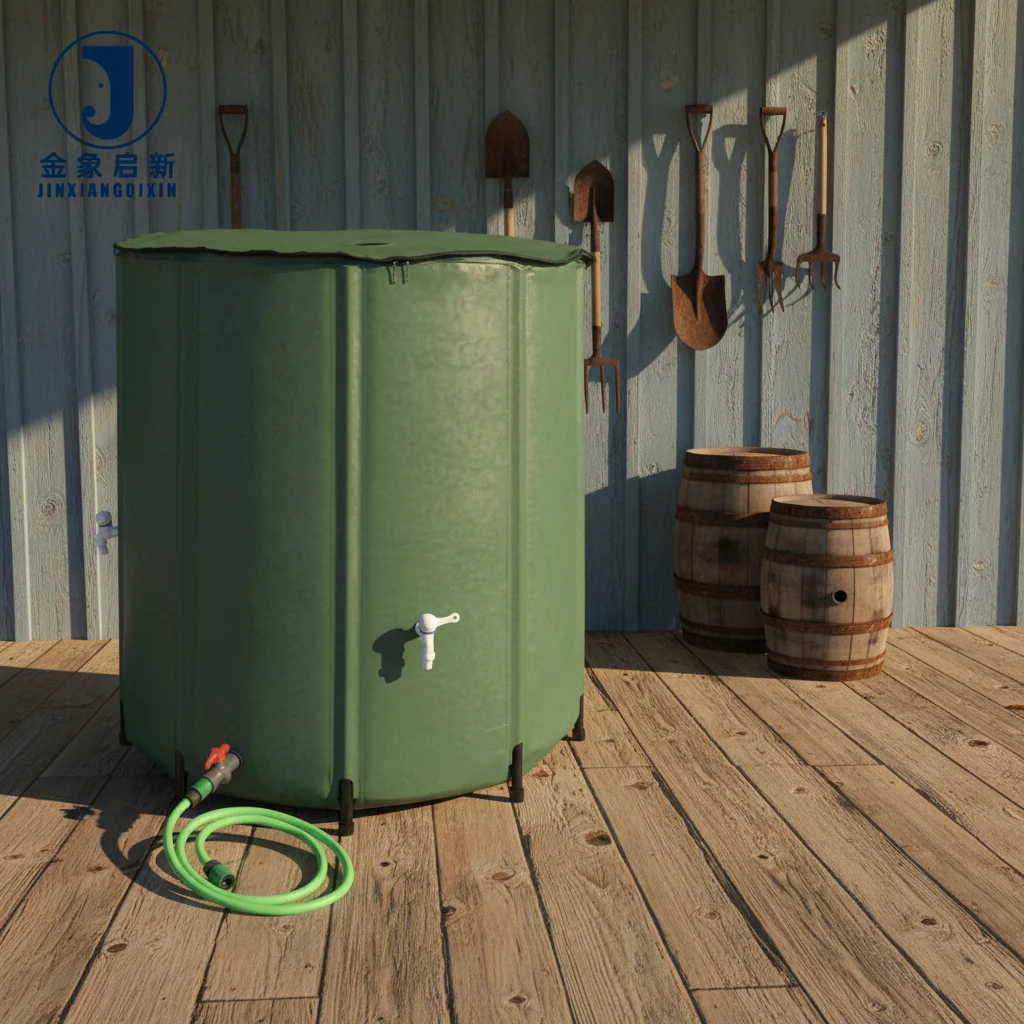
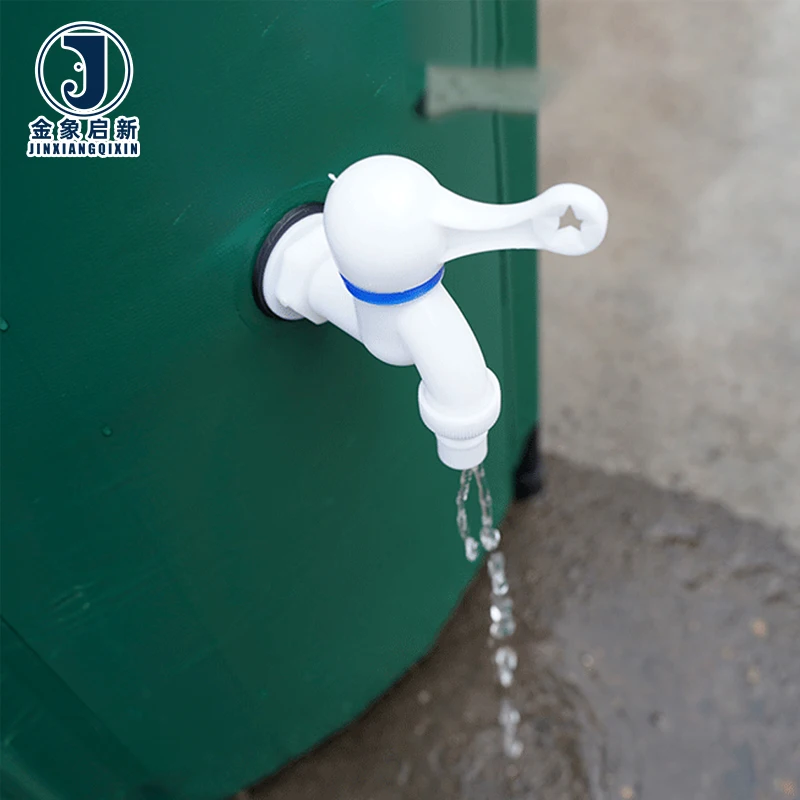
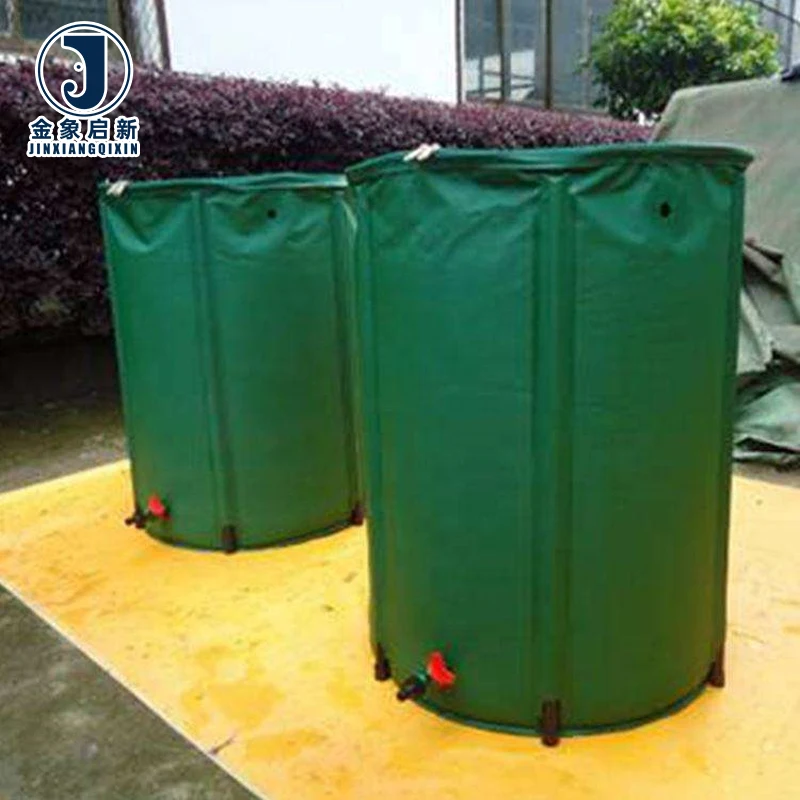
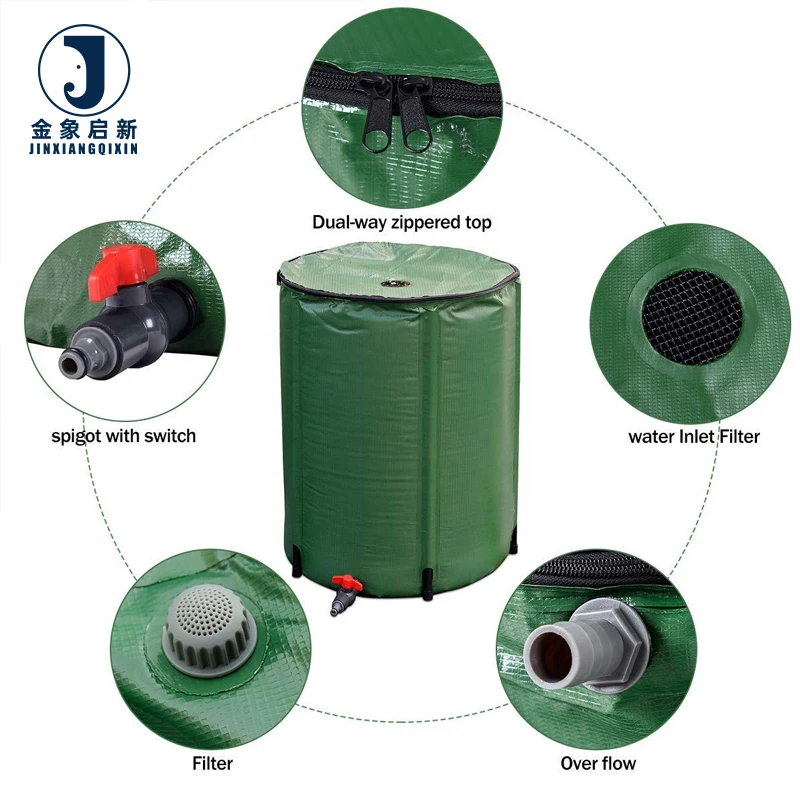
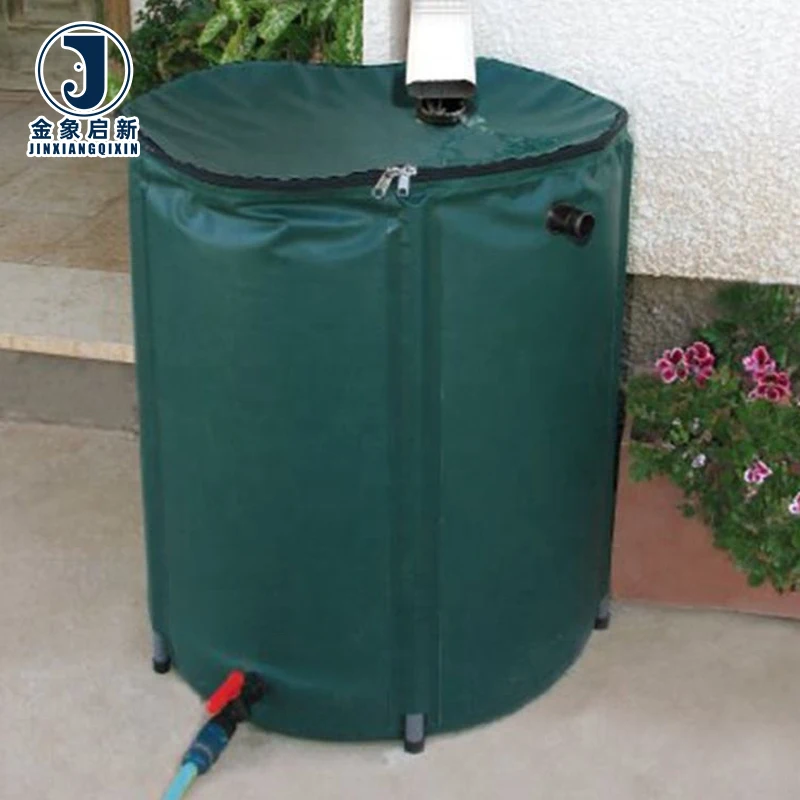
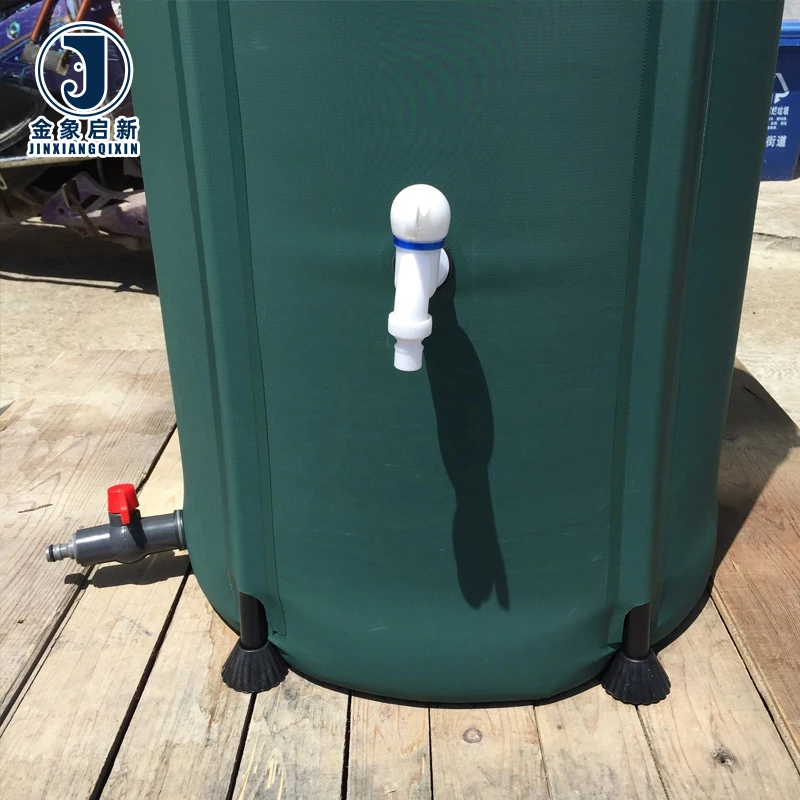
Description
Volume Consistency Assurance — Dedicated QA/QC at every production stage with 100% pre-shipment inspection ensures colour and material uniformity across bulk collapsible rain barrel orders, eliminating the batch variation complaints that plague multi-source procurement.
Technical Specifications
| Parameter | Value |
|---|---|
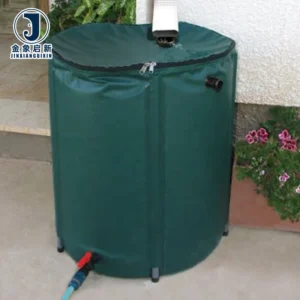
| Product Type | Collapsible Rain Water Storage Tank |
| Base Fabric Denier | 500D / 1000D |
| Coating Material | PVC |
| Capacity Options | 200L / 380L / 500L / 750L |
| Structural Support | PVC Support Rod |
| Flame Retardant | Available in flame retardant grades — confirm the grade required for your market |
| UV Treatment | Available with anti-UV treatment — confirm test basis for your region |
| Anti-Static | Available in anti-static grades — verify surface resistance standard needed |
| Anti-Mildew | Treated |
| Anti-Bacteria | Treated |
| Waterproof | Fully waterproof coated construction |
| Tear-Resistant | High tear resistance PVC mesh cloth |
| Abrasion-Resistant | Abrasion-resistant PVC coating |
| Key Features | Shrink-resistant, windproof, collapsible design for compact empty storage |
Application Suitability
| Application | Exposure & Requirement |
|---|---|
| Garden rainwater collection | Prolonged outdoor UV exposure, seasonal temperature fluctuation, algae and bacteria growth prevention in stored water |
| Agricultural irrigation storage | Continuous water contact, soil and fertiliser splash, mechanical abrasion from ground surfaces |
| Landscape and nursery resale | Consumer-facing visual consistency across multiple capacity SKUs, shelf-ready packaging and branding requirements |
| Outdoor event water supply | Frequent deployment and collapse cycles, transport abrasion, rapid fill and drain demands |
Why Bulk Buyers See Colour Drift Across Collapsible Rain Barrel Shipments
Batch-to-batch colour variation in collapsible PVC rain barrel orders usually traces back to inconsistent pigment dosing during the coating stage, not the base fabric.
When sourcing collapsible rain barrel bulk orders from suppliers who blend small batches to meet volume, the PVC coating colour can shift visibly between production runs — a problem that surfaces only when barrels are displayed side by side on a retail floor or installed across a single farm site. Distributors who consolidate shipments from multiple batch runs often receive units that look like they belong to different product lines. The consequence is not structural, but it destroys retail presentation and triggers buyer complaints [NEED_CITE: colour consistency standards for PVC coated fabrics in consumer-facing applications].
Container-Load Planning Across Mixed Capacity SKUs
Purchasing collapsible rain barrel wholesale volumes rarely means filling a container with a single capacity. Distributors and agricultural importers typically mix 200L, 380L, 500L and 750L units to cover different retail price points and end-user segments. The collapsible design works in the buyer’s favour here: empty barrels compress to a fraction of their deployed volume, allowing significantly higher unit counts per container compared to rigid alternatives. Planning the load mix requires knowing the collapsed dimensions and weight per unit at each capacity tier, which must be confirmed before booking the container.
PVC Mesh Cloth Consistency Across a Full Production Run
The structural integrity of every collapsible rain barrel in a bulk order depends on the PVC mesh cloth maintaining the same base fabric denier and coating weight from the first unit to the last. A 500D base that drops in denier partway through a run produces barrels with noticeably softer walls that bulge under full capacity. Similarly, inconsistent PVC coating thickness creates units where some seams hold under hydrostatic pressure and others weep. For wholesale buyers ordering by the container load, this run-to-run consistency matters more than any single unit’s test result [NEED_CITE: tensile and tear test methods for coated fabrics per ISO 1421].
How Base Fabric Denier and PVC Coating Work Together
The 500D and 1000D base fabric options define the tensile skeleton of the barrel wall, while the PVC coating locks the weave and provides the waterproof barrier. A higher denier base increases resistance to tear propagation — critical at the barrel’s lower third where hydrostatic pressure concentrates when the tank is full. The PVC coating thickness must be proportional: too thin a coat on a 1000D base leaves the weave texture exposed and creates pinhole vulnerability, while too thick a coat on 500D adds dead weight without structural benefit. The PVC support rod specification must also match the capacity tier, as the rod carries the vertical load that keeps the barrel cylindrical rather than barrel-shaped when filled. Anti-mildew and anti-bacteria treatments applied during the coating stage protect stored water quality, particularly in warm climates where stagnant water accelerates biological growth on untreated PVC surfaces.
The Hidden Cost of Skipping Pre-Shipment Fabric Verification
Accepting a bulk shipment without verifying material consistency against the purchase specification exposes the buyer to downstream failures that surface only after the product reaches the end customer. Welded seams that separate at the barrel’s base flex point indicate either inconsistent heat-sealing parameters or a coating formulation that varied between batches. Anti-mildew treatment claimed on the specification sheet but not verified on arrival results in customer returns when barrels develop visible mould after a single season of outdoor use. These failures do not appear in single-unit samples — they emerge only across volume, which is why 100% pre-shipment inspection covering material weight, weld integrity and treatment presence is non-negotiable for wholesale orders [NEED_CITE: pre-shipment inspection protocols for coated fabric products].
Why Volume Buyers Source Collapsible Rain Barrels Here
Three full production lines and 36 sets of professional equipment provide the capacity to fill container-load orders without splitting production across disconnected workshops, which is where batch consistency typically breaks down. A 10-person R&D team handles capacity tier development, custom sizing and sample confirmation before bulk commitment, ensuring the approved sample matches what ships. Dedicated QA/QC at every production stage — from base fabric incoming inspection through coating, cutting, welding and final assembly — catches deviation before units are packed. Samples for new capacity grades or custom branding are developed within days, shortening the approval cycle for buyers working against seasonal stocking deadlines. Nearly 30 years of coated fabric production means the process controls governing PVC adhesion, coating weight and weld strength are embedded in the production routine, not improvised per order.
Documentation & Verification
- Material specification sheet confirming base fabric denier (500D or 1000D) and PVC coating type per capacity tier
- Pre-shipment inspection record covering material consistency and weld integrity across the full order quantity
- Unit packing list with capacity breakdown for container loading verification by count and weight
- Test documentation for anti-UV and flame retardant grades where applicable to the order
- Certificate of origin and customs documentation supporting international wholesale import clearance
Fabrication, Handling & Storage
- Heat-seal temperature and dwell time must match the specific PVC coating formulation on 500D or 1000D base fabric to prevent weld delamination
- PVC support rods should be inserted before initial deployment to ensure the barrel maintains cylindrical shape under hydrostatic load
- Store collapsed barrels in a dry, shaded environment to prevent premature anti-mildew treatment degradation before retail sale
- Avoid stacking heavy pallets on collapsed units during warehouse storage to prevent permanent crease marks on the PVC coating
- Clean deployed barrel interiors with mild, non-chlorine solutions to preserve anti-bacteria treatment effectiveness on the PVC surface
- Inspect welded seams at the barrel base after first fill, as this is the highest-stress flex point under full water weight
Request a Volume Quotation
Provide your target capacity mix across the 200L, 380L, 500L and 750L tiers, along with the destination market so we can confirm the applicable anti-UV and fire safety documentation requirements. Specify whether you require custom branding or colour matching across the full order, and indicate the container type for loading plan preparation. Sample units can be dispatched for your approval before production commitment.
Frequently Asked Questions
Q: How are multiple capacities loaded into one container for mixed-SKU orders?
A: Empty collapsible barrels compress significantly, allowing 200L through 750L units to be mixed within a single container. A detailed loading plan is prepared showing unit count per capacity tier, collapsed dimensions, and total weight, so the buyer can verify container utilisation before dispatch.
Q: What is the minimum order quantity per capacity tier?
A: Minimum quantities vary by capacity tier and whether the order includes custom colour or branding. Standard production runs in the four standard capacities carry lower minimums than bespoke specifications. Confirm your required mix and we will provide the applicable minimums per tier.
Q: How is PVC mesh cloth consistency verified across a bulk production run?
A: Every production stage includes dedicated QA/QC checks — incoming base fabric denier verification, in-process coating weight measurement, and final weld integrity testing. A pre-shipment inspection record documents these results across the full order, ensuring no unit ships outside specification.
Q: Can custom capacity or branding be added to volume orders?
A: Yes. The R&D team develops samples for custom capacities, logo printing and colour specifications within days. Approved samples lock the production standard, and the 10-person development team manages the specification through bulk production to maintain consistency.
Q: What documentation accompanies each shipment for customs and resale compliance?
A: Each shipment includes a material specification sheet, pre-shipment inspection record, unit packing list with capacity breakdown, certificate of origin, and any applicable test reports for treatments specified in the order. Additional customs documentation is prepared based on the destination country requirements.