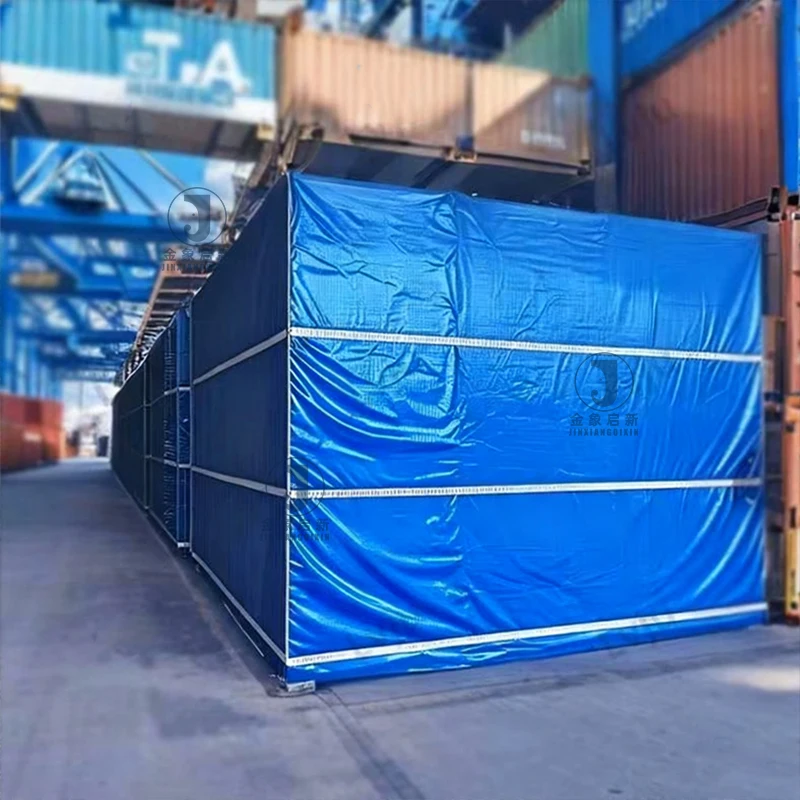
Description
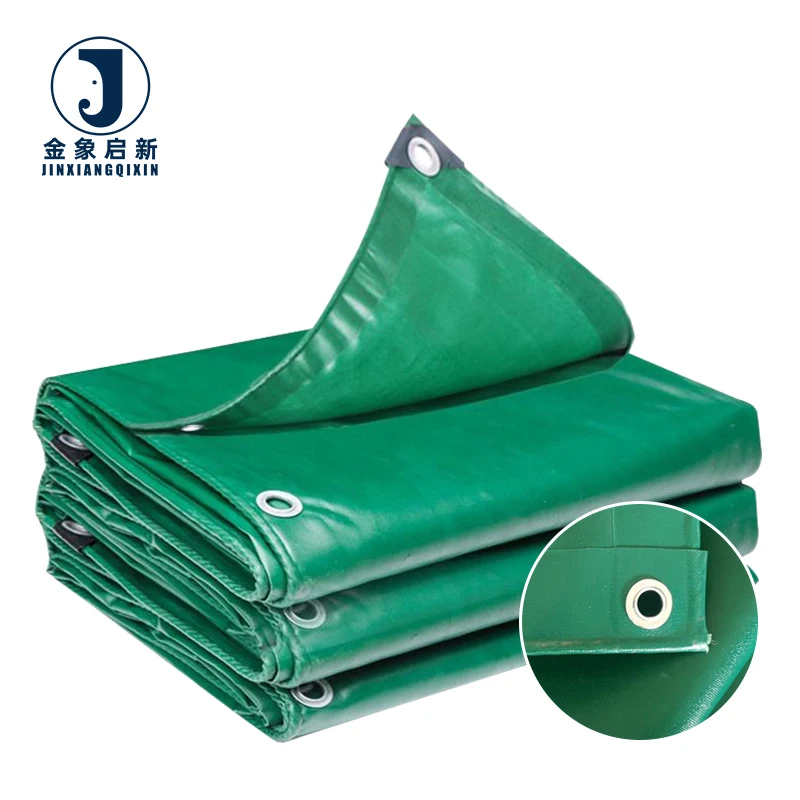
Verified GSM per Roll — Every roll of PVC coated tarpaulin is weighed and logged against the spec sheet at the coating stage, with the result recorded on the pre-shipment inspection report before it leaves the line.
Technical Specifications
| Parameter | Value |
|---|---|
| Product Type | PVC Coated Tarpaulin |
| Coating Material | PVC |
| Weight Options | 700gsm / 850gsm / 900gsm |
| Waterproof | Yes — fully coated construction |
| Flame Retardant | Available (grade not stated — confirm the grade required for your market) |
| Anti-Static | Available (standard not stated — confirm the standard required for your application) |
| Anti-Mildew | Available |
| Anti-Cold | Available |
| Weather Resistance | Suited to extended outdoor exposure |
Application Suitability
| Application | Exposure & Requirement |
|---|---|
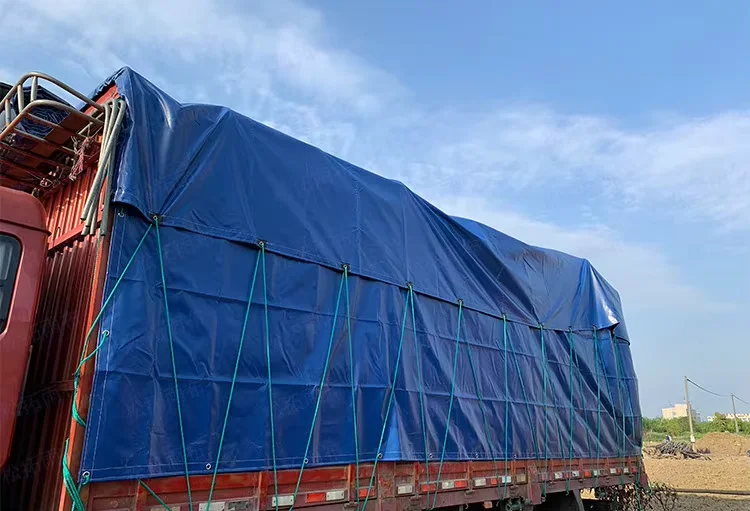
| Truck side curtain fabric | Constant flexing at load points, road debris abrasion, long-duration UV and rain exposure |
| Cargo and pallet cover rolls | Stacking pressure, wind flap, seasonal temperature swings during yard storage |
| Transport fleet in-house cover replacement | Repeated tie-down tension, fuel and grease contact, high-frequency deployment and folding |
| Tarpaulin distributor stock | Batch-to-batch colour and weight consistency for resale across multiple end-use segments |
Why GSM Alone Does Not Tell You How Much Protection a Roll Actually Delivers
A 900gsm roll with a loose weave base fabric can tear faster than a 700gsm roll built on a high-denier, tight-weave scrim.
When buyers specify PVC coated tarpaulin roll wholesale, the first number on the quotation is almost always the GSM. Yet two rolls carrying the same printed weight can behave very differently once they are unrolled on a trailer deck or hung as a side curtain. The coating weight and the base fabric denier together determine how the material handles tensile load, tear propagation, and weld seam integrity [NEED_CITE: tensile and tear test methods for coated fabrics per ISO 1421]. Requesting a material specification sheet that lists base fabric construction alongside the GSM is the only way to compare roll stock on equal terms.
Roll-to-Roll Colour and Weight Consistency Across Container Loads
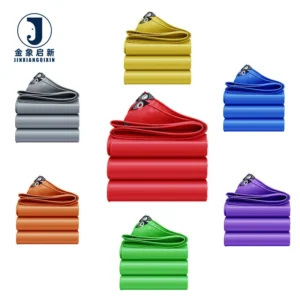
When a distributor or converter orders multiple rolls for a single project, visible colour shift between rolls is one of the most common reasons for rejection at the receiving dock. Our coating lines run with a fixed colour reference swatch at the start of every batch, and each roll is checked against that swatch before it is wrapped. The same discipline applies to GSM: a spot weight check is recorded per roll on the pre-shipment inspection record, so the PVC coated tarpaulin roll stock you receive matches the specification agreed at the quotation stage.
Treatment Options That Need Test Reports, Not Just Label Claims
Flame retardant and anti-static grades are available across the 700gsm, 850gsm, and 900gsm range, but a label on the roll is not the same as a test report accepted by a transport regulator or a mine safety officer. Before committing to a bulk order, request the specific test report that corresponds to your market’s compliance framework [NEED_CITE: fire classification standards for transport and industrial fabrics]. This avoids the situation where a shipment arrives with a claimed treatment that the local authority will not recognise during an audit or site inspection.
How Coating Weight and Base Fabric Density Work Together
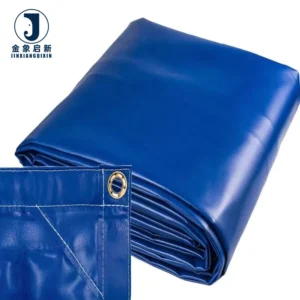
The GSM figure printed on a roll label combines the weight of the PVC coating and the polyester base fabric. A higher GSM achieved mainly through heavier coating will feel stiffer and may resist puncture better, but it does not automatically improve tear strength — that depends on the denier and weave density of the scrim underneath. The coating method, whether knife-over-edge or calender, controls how deeply the PVC penetrates the weave, which in turn affects peel strength and the reliability of heat-welded seams during fabrication. Buyers sourcing PVC coated tarpaulin roll wholesale should compare base fabric denier alongside GSM to predict how a roll will perform under repeated flexing and tie-down tension.
The Hidden Cost of Specifying on Price per Kilogram Instead of Performance
Rolls that arrive below the quoted GSM force converters to either accept weaker covers or file a claim that delays the entire production schedule. Colour variation between rolls in the same container means a fabricator may have to segregate stock and absorb waste on cut panels that do not match. Anti-mildew or anti-cold treatments that were stated on the invoice but not verified by a test report can lead to cover failure during seasonal storage, with the cost falling on the distributor who supplied the material [NEED_CITE: coating adhesion and treatment durability on PVC fabrics]. Every one of these outcomes is more expensive than requiring documentation and inspection records before the container ships.
Why Converters and Distributors Source This Roll Stock Here
Three full production lines and 36 sets of professional equipment give us the capacity to hold stock grades in multiple GSM options and run custom widths without delaying standard orders. A 10-person R&D team handles colour matching, pattern printing, and sample roll development so that approval happens before the production run, not after the container arrives. Dedicated QA and QC checkpoints run from raw yarn through coating, winding, and final packing, with 100% inspection before dispatch. Roll packing lists include individual roll weight, dimensions, and count so that container loading plans can be confirmed in advance. ISO and CE certificates are available on request to support importer compliance documentation.
Documentation & Verification
- Material specification sheet listing GSM, base fabric denier, and PVC coating weight per roll
- Pre-shipment inspection record with spot weight check and colour match result for every roll
- Test reports for flame retardant and anti-static grades matched to the standard you require
- Roll packing list showing net weight, dimensions, and roll count for container loading
- ISO and CE certificates provided on request for importer customs and compliance files
- Certificate of origin and customs support documents included with each shipment
Fabrication, Handling & Storage
- Heat-weld seam settings should be tested on a sample swatch from the specific GSM roll before full production runs
- Store rolls upright on pallets in a dry, shaded area to prevent flat-spot deformation on the coating surface
- Unroll and allow cold-stored 900gsm fabric to reach ambient temperature before folding or welding to avoid crease cracking
- Use compatible PVC-based adhesives for patch repairs, matching the coating chemistry of the roll stock
- Plan cut layouts on standard-width rolls to minimise offcuts and reduce the number of welded join seams per cover
What We Need to Quote Your Roll Stock Order
To match the correct GSM grade and treatment package to your application, let us know the end use — truck side curtain, cargo cover, or general outdoor covering — and the climate conditions the rolls will face. Confirm your required roll width, target annual volume, and whether you need a sample roll for fabrication trials before the main order. If your market mandates a specific flame retardant or anti-static standard, state the standard number so that we can supply the supporting test report with the quotation.
Frequently Asked Questions
Q: How can I verify the GSM of each roll matches the quotation once the container arrives?
A: Every roll ships with a pre-shipment inspection record that logs the spot weight check taken during winding. On arrival, you can weigh a representative sample roll and compare the result to both the inspection record and the material specification sheet. Any discrepancy is covered under our dispatch documentation trail, giving you a clear basis for resolution.
Q: What roll width and length options are available, and how do they affect container loading?
A: Standard and custom widths are available across all three GSM grades. Roll length is set to maximise container weight utilisation while keeping individual roll weight manageable for forklift handling. We provide a roll packing list with dimensions and count so you can confirm the loading plan before the container is sealed.
Q: Will the colour be consistent if I order multiple rolls for one project?
A: Each production batch is matched against a fixed reference swatch, and rolls are compared side by side during the pre-shipment inspection. The inspection record notes the colour match result per roll. If your project demands zero visible variation, we recommend ordering the full project quantity in a single batch run.
Q: Can I receive a sample roll before placing a full container order?
A: Sample rolls are developed within days for any of the available GSM grades, colours, or treatment options. The sample lets you run your own weld tests, check fabrication handling, and confirm colour approval before bulk production starts, reducing the risk of rejection at the container level.
Q: Do flame retardant and anti-static rolls come with supporting test reports?
A: Yes. When you specify a flame retardant or anti-static grade, we supply the test report that corresponds to the treatment applied. State the standard or classification your market requires at the inquiry stage so that the correct test documentation is included with your shipment.