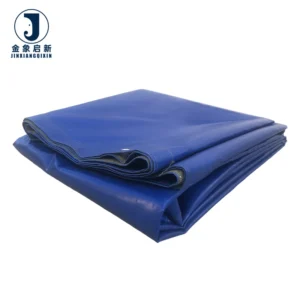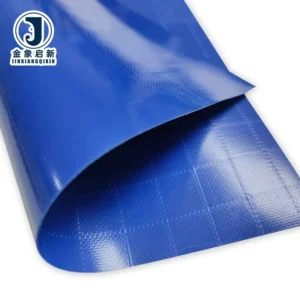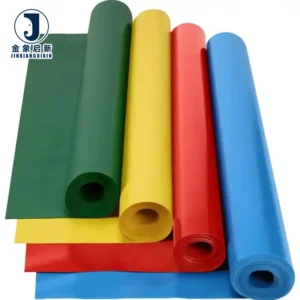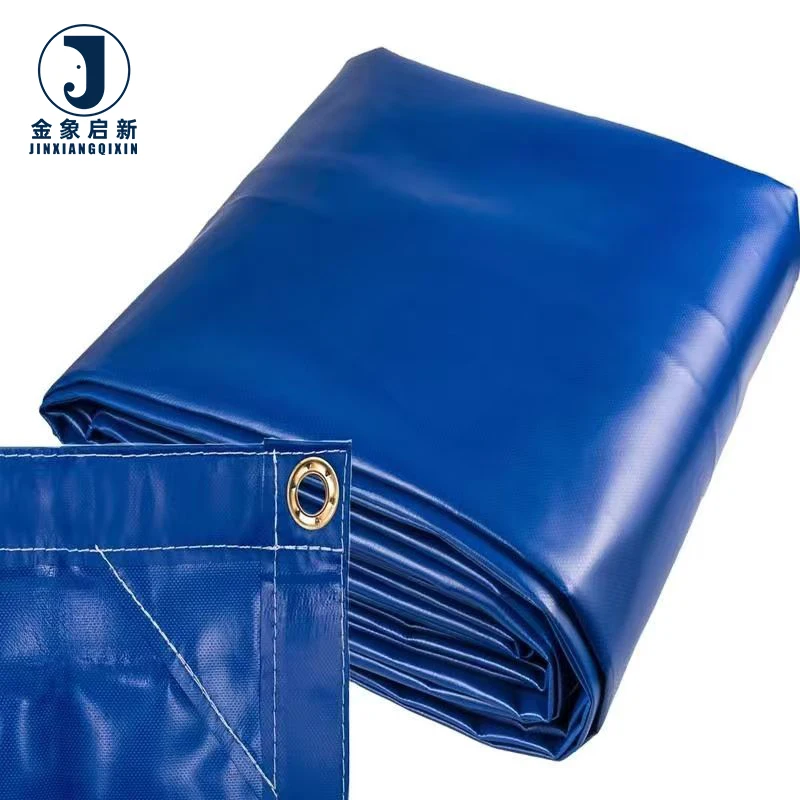
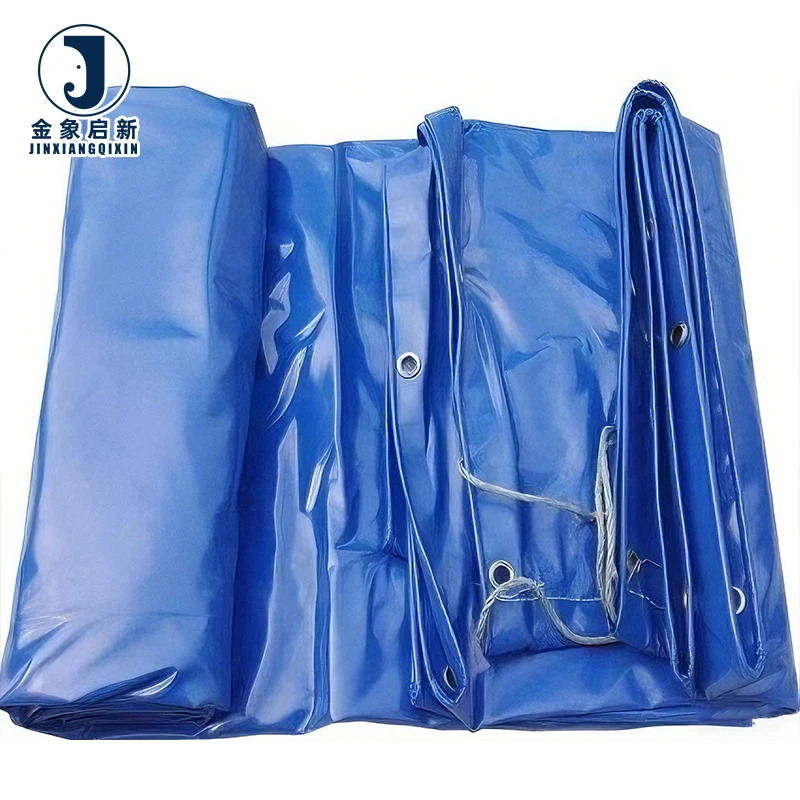
Description
Verified Batch Weight — every PVC coated tarpaulin roll ships with a specification sheet stating exact GSM, base fabric and coating weight for inbound verification against your purchase order.
Technical Specifications
Product Type | PVC Coated Tarpaulin Roll
| Parameter | Value |
|---|---|
| Coating Material | PVC (vinyl coated) |
| Base Fabric | Polyester |
| Weight Range | 500 to 800 GSM (confirm grade for your order) |
| Waterproof Rating | Anti-permeable ≥20KPa |
| Flame Retardant | ≤10 seconds (grade not stated — confirm the grade required for your market) |
| Low-Temperature Flexibility | No fracture at -30°C |
| Coating Method | High-frequency heat combined |
| Anti-Mildew | Stated (test basis not stated) |
| Corrosion Resistance | Acid, alkali and brine resistance stated |
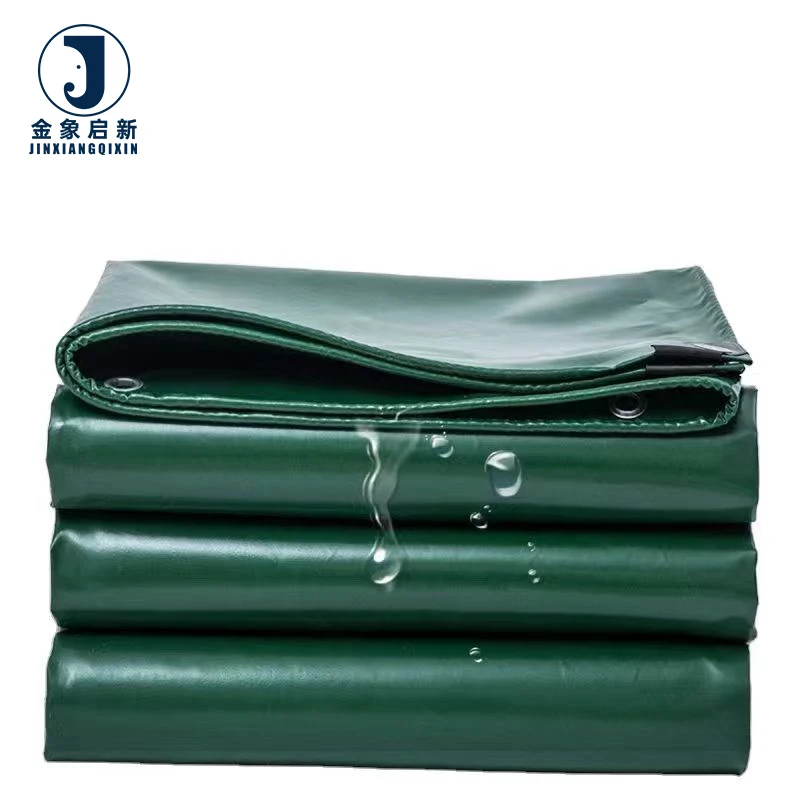
| Water Absorption | Minimal absorption, rapid drying |
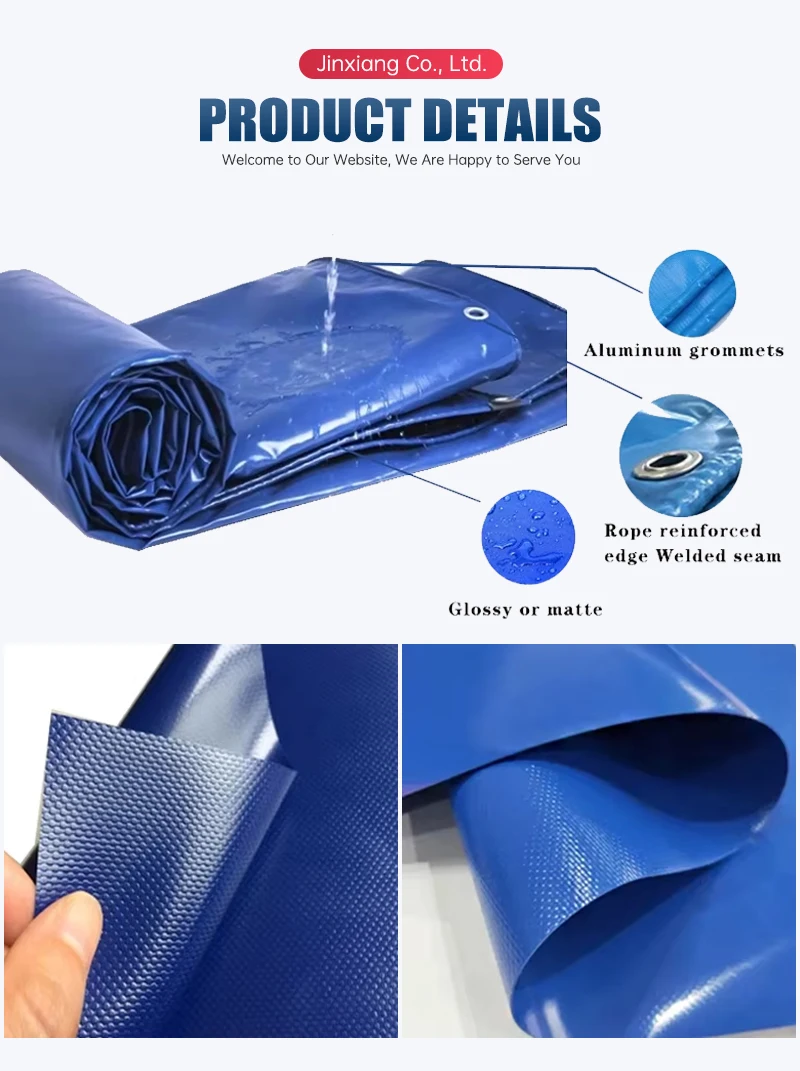
| Edge Construction | Reinforced edges with rip-stop base fabric |
| Seam Construction | High-frequency heat welded |
Application Suitability
| Application | Exposure & Requirement |
|---|---|
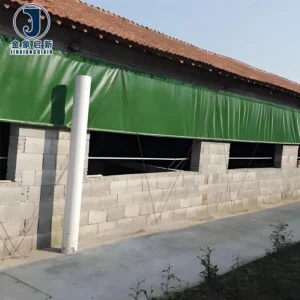
| Truck and trailer side curtains | Constant flexing, road abrasion, UV exposure, temperature cycling |
| Industrial equipment covers | Open-air weather protection, dust and moisture ingress prevention |
| Transport load sheeting | Rain deflection, wind loading, tie-down point stress |
| Pallet and cargo wrapping | Stacking abrasion, forklift handling, short-to-medium term outdoor storage |
| Open-air stockpiles | Prolonged UV exposure, standing water, thermal expansion and contraction |
Why Roll-to-Roll Colour Shift Ruins Installed Panels Side by Side
Batch colour consistency is controlled at the coating stage, not inspected after the fact.
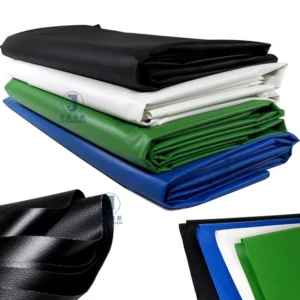
When PVC coated tarpaulin roll stock arrives and the colour shifts between rolls, the difference becomes immediately visible once panels are installed adjacent to each other on a truck fleet or warehouse facade. Distributors who have faced this issue report that even a slight hue deviation across a single container load forces them to sort rolls by shade before resale, adding labour and reducing usable yield [NEED_CITE: colour measurement standards for coated textiles per CIE Lab*]. The root cause lies in pigment dispersion during the coating paste preparation and the thickness uniformity of the PVC layer across the web. Without process control at the mixing and application stage, post-production inspection can only reject — it cannot correct.
Roll Stock Consistency Across Bulk Orders
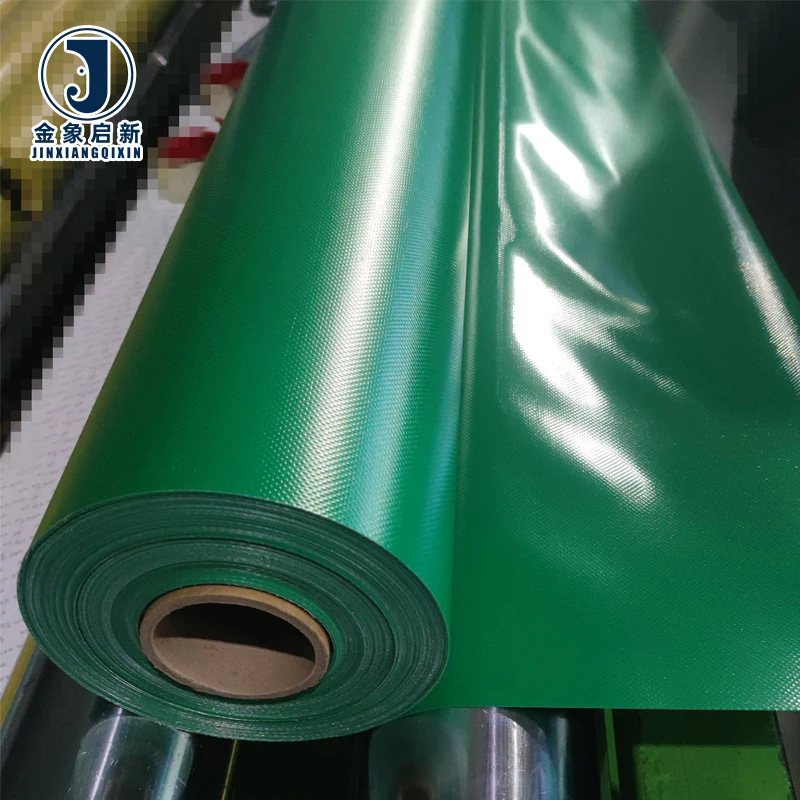
When sourcing a PVC coated tarpaulin roll wholesale, the primary concern for distributors and fabricators is whether every roll in the shipment matches the last. Coating weight variation within a single roll causes uneven stiffness and affects how the material feeds through cutting tables and welding machines. Across multiple rolls, inconsistent GSM means some panels will stretch differently under load, creating visible sag lines on truck side curtains. Our production lines maintain coating weight through gravimetric control during the paste application, and each roll is weighed and measured before dispatch to confirm it falls within the specified range.
Width and Length Options for Fabrication Workflows
Roll width directly determines how many panels can be cut with minimal waste from a single web. Standard stock widths are held for common transport covering dimensions, while custom widths are available to match your specific cutting layout and reduce seam count on finished covers. Roll length is set to optimise container loading by weight and volume — a critical factor when shipping a PVC coated tarpaulin roll wholesale across long distances. Shorter lead times on non-standard widths reduce the need to over-order and hold excess inventory [NEED_CITE: container loading optimisation for heavy roll goods by weight and diameter].
Reading the Specs: What GSM Actually Tells You — and What It Does Not
Grams per square metre is a weight measurement, not a strength rating. A 600 GSM PVC coated fabric built on a high-denier polyester scrim with tight weave will outperform a 700 GSM fabric on a lighter, looser base when tested for tear propagation. The coating method matters equally: high-frequency heat combined bonding creates a molecular-level adhesion between the PVC layer and the polyester base, which directly affects how the material behaves at welded seams. When seams are heat-welded, the coating must re-melt and fuse cleanly without delaminating from the base fabric — a property determined by coating formulation and adhesion strength, not by GSM alone. Low-temperature flexibility at -30°C indicates the plasticiser system in the PVC compound retains elasticity in cold climates, preventing crack initiation at fold lines and tie-down points.
The Hidden Cost of Specifying Weight Without Verification
Ordering a PVC coated tarpaulin roll based on a quotation stating 650 GSM, only to receive material that weighs 580 GSM on arrival, creates a cascade of downstream failures. The lighter fabric may pass initial visual inspection but will show premature wear at flex points, reduced tear resistance at seam intersections, and faster UV degradation due to a thinner coating layer protecting the base scrim. Fabricators who cut and weld this material into truck covers face warranty claims when seams fail before the fabric does — not because the welding was poor, but because the coating-to-base adhesion was compromised by insufficient application weight. Every roll in your shipment should be verifiable against the stated specification before it enters your production line [NEED_CITE: gravimetric testing methods for coated fabric GSM per ISO 275].
Procurement Confidence Through Process Control
With three full production lines and 36 sets of professional equipment, bulk capacity is maintained without sacrificing batch-level consistency. A dedicated 10-person R&D team handles material selection, sample development and custom specification matching before bulk production begins. Every roll undergoes 100% pre-shipment inspection covering visual defects, weight verification and dimensional accuracy. Samples are developed within days for custom colour, width or print requirements, allowing approval before the full production run is committed. This process structure ensures that when you receive a PVC coated tarpaulin roll wholesale order, the material matches the approved sample in weight, colour and finish.
Documentation & Verification
- Material specification sheet stating GSM, base fabric denier and coating weight per roll
- Pre-shipment inspection record with 100% check before dispatch
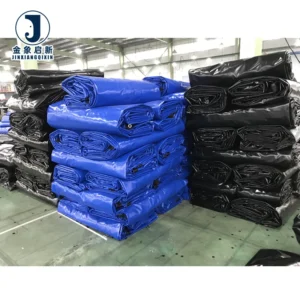
- Roll packing list with individual roll count, net weight and container loading plan
- Batch colour reference sample retained for cross-check against future reorders
- Test report for flame retardant and anti-UV grades where applicable to your order
- Certificate of origin and customs support documentation for import clearance
Fabrication, Handling & Storage
- High-frequency welded seams require heat setting matched to the PVC coating thickness — confirm parameters with the supplied technical data before full production runs
- Reinforced edges with rip-stop base fabric should be oriented at high-stress tie-down points to prevent tear propagation under dynamic load
- Store rolls upright on pallets in a shaded, ventilated area to avoid pressure marks and coating adhesion between layers
- Unroll at ambient temperature above 5°C to prevent plasticiser migration and surface cracking during deployment
- Clean with pH-neutral detergent only — acid or alkaline cleaners may degrade the anti-mildew and corrosion-resistant surface treatment
- Custom width rolls reduce on-site seam count and improve cutting yield for fleet covering applications
Starting Your Roll Stock Inquiry
To receive an accurate specification recommendation and quotation, share your application type, required width and length per roll, target GSM range and any flame retardant or anti-UV treatment needs for your market. Indicate whether you require stock widths or custom dimensions, and whether sample approval is needed before bulk production. For transport covering applications, providing your truck or trailer model helps confirm edge reinforcement and seam placement suitability.
Frequently Asked Questions
Q: How do I verify the GSM on arrival matches what was quoted?
A: Each PVC coated tarpaulin roll ships with a material specification sheet stating the exact coating weight, base fabric and total GSM. Use a standard circular sample cutter and precision scale to cut and weigh a known area from the roll edge. Compare the measured value against the specification sheet. If the deviation exceeds the agreed tolerance, flag the roll before it enters production and contact the supply team with the roll number and measurement record for resolution.
Q: Can colour consistency be guaranteed across multiple rolls in one order?
A: Yes. All rolls within a single production batch are coated from the same pigment master batch and run through the same coating line in sequence. A batch colour reference is retained on file, and pre-shipment inspection includes visual comparison against this reference under standardised lighting. If you require colour matching across multiple orders placed at different times, request a physical colour standard sample at the time of your first order for future cross-reference.
Q: What custom widths and minimum order quantities apply to non-standard roll sizes?
A: Standard stock widths are available for immediate dispatch. Custom widths are produced to your specification with flexible minimum order quantities depending on the coating line setup and material grade. Sample rolls in your requested width can be produced within days for approval before the full run. Provide your target width, total linear metres and application type to receive a specific MOQ and lead time assessment.
Q: How are rolls packed for container shipping and what documentation is included?
A: Rolls are packed vertically on sturdy pallets, wrapped in protective film to prevent moisture ingress and surface damage during transit. Each container shipment includes a roll packing list detailing individual roll numbers, dimensions, net weight and total container load. A material specification sheet, pre-shipment inspection record and certificate of origin accompany the shipment. Loading plans are prepared to maximise container utilisation by roll count and weight distribution.