Description
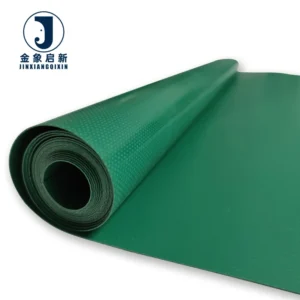
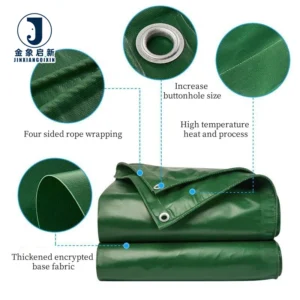
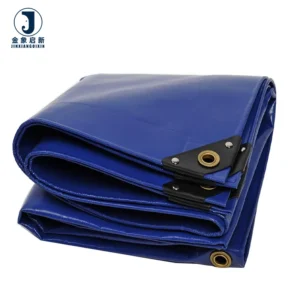
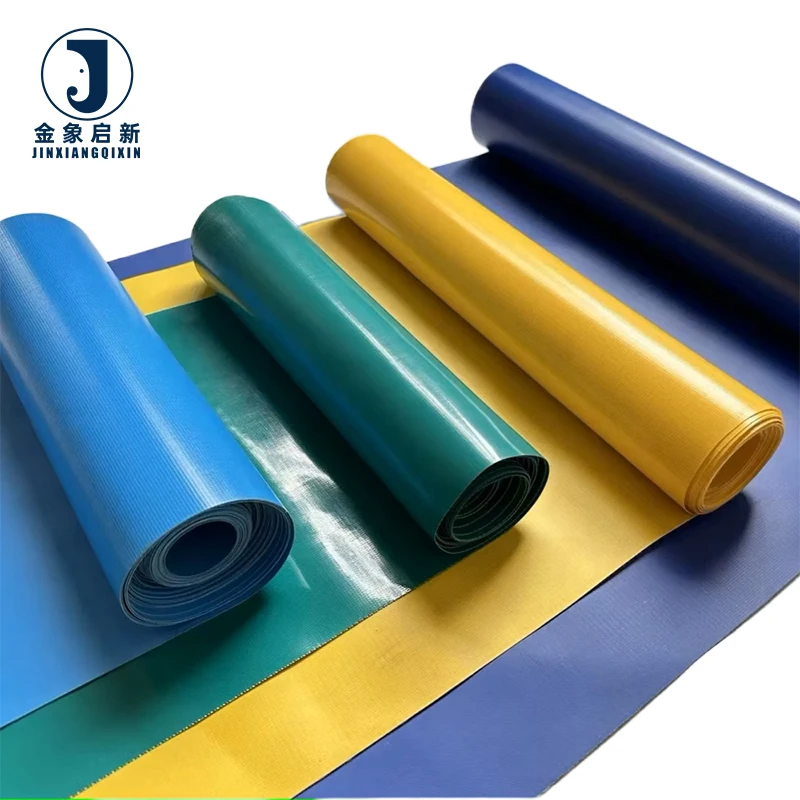
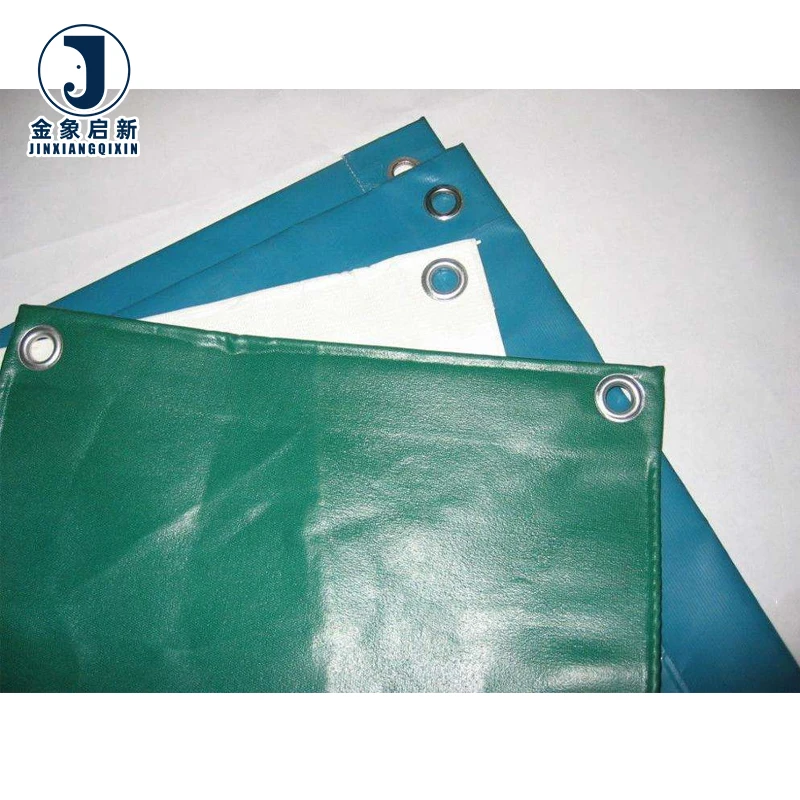
Coated Fabric Roll Stock — three full production lines and 36 sets of equipment deliver batch-consistent PVC tarpaulin roll output with documented weight control and container-efficient loading for wholesale buyers.
Technical Specifications
| Parameter | Value |
|---|---|
| Product Type | PVC Coated Tarpaulin Roll |
| Weight (GSM) | 250gsm–1500gsm (confirm the grade for this item) |
| Base Fabric Denier | 200D×300D, 500D×500D, 840D×840D, 1000D×1000D |
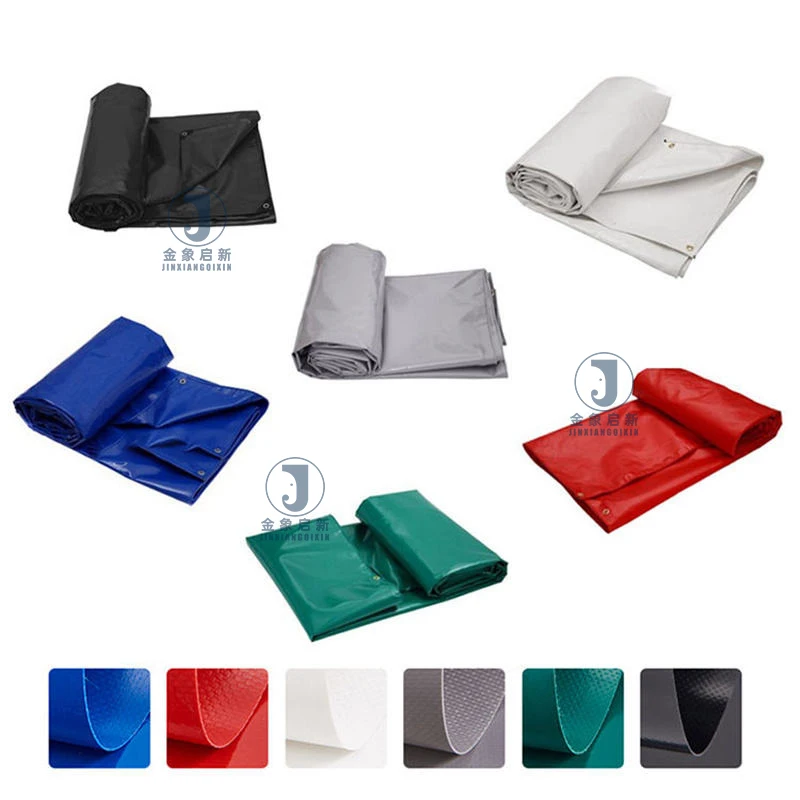
| Finish | Glossy or matte |
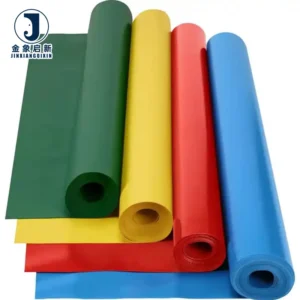
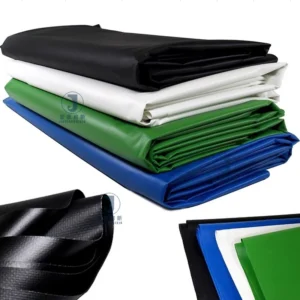
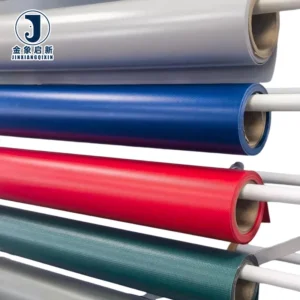
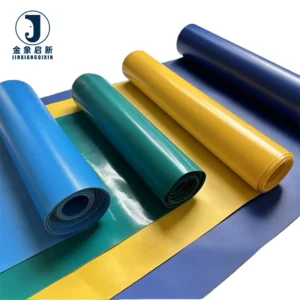
| Color | Blue, yellow, black, green, white, or custom |
| UV Treatment | Customized (test basis not stated) |
| Flame Retardant | Treated (grade not stated) |
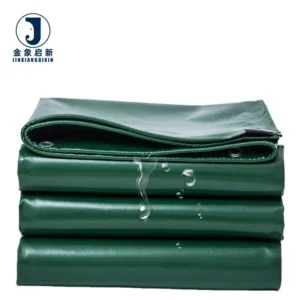
| Additional Treatment | Waterproof, anti-fungal |
| Temperature Range | -15ºC to 70ºC |
| Environment | Eco-friendly |
| Working Life | 3–10 years (depends on usage environment) |
Application Suitability
| Application | Exposure & Requirement |
|---|---|
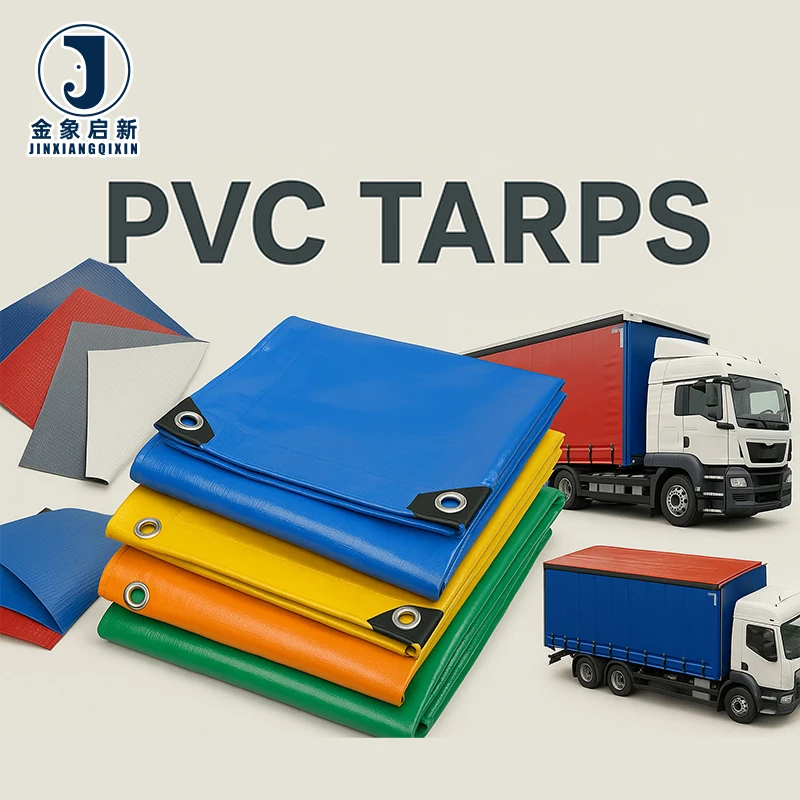
| Tarpaulin distribution and resale | Multiple GSM grades stocked for regional market demand, roll-to-roll colour consistency for retail display |
| Tent and awning fabrication | Fabric by the roll for cutting and welding, matte finish for reduced glare, batch colour matching across production runs |
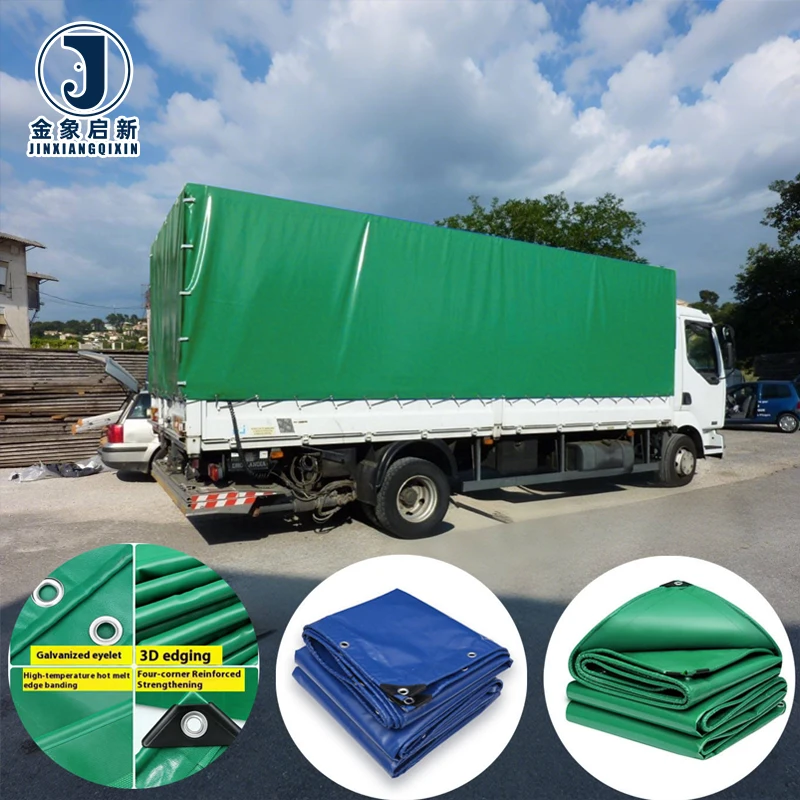
| Truck side curtain and cover supply | Volume purchasing of heavy-duty deniers, abrasion resistance at flex points, UV exposure on highways |
| Construction site cover stock | Waterproof performance for equipment and material protection, bulk availability for project timelines |
Why Roll-to-Roll Weight Consistency Matters More Than Quoted GSM
A quoted GSM is only as reliable as the inspection behind it.
Buyers purchasing PVC tarpaulin roll stock in volume have received containers where the actual fabric weight fell below the specification on the invoice [NEED_CITE: pre-shipment weight verification methods for coated fabric rolls]. When rolls are lighter than agreed, the downstream product — a truck curtain, a tent panel, a site cover — carries less tensile capacity than the end user expects. For distributors and importers loading full containers, a single underweight roll might go unnoticed, but systematic shortfalls across a batch erode margin and reputation. Verified GSM at the point of dispatch, documented per roll, removes that variable from the supply chain.
Stock Grade Availability Across Weight and Denier Ranges
The PVC tarpaulin roll catalogue spans from lightweight to heavy-duty grades, covering 250gsm through 1500gsm. This range allows distributors to source multiple stock grades from a single production facility rather than managing separate suppliers for each weight class. Base fabric denier options — from 200D×300D up to 1000D×1000D — provide a structured approach to matching tensile requirements with the grade being purchased.
Colour and Finish Consistency Across a Container Load
When rolls from the same order are unrolled side by side at a fabrication shop or retail warehouse, colour variation becomes immediately visible [NEED_CITE: batch colour matching standards in coated textile production]. Glossy and matte finish options are available, and double-side colour capability supports applications where both faces of the fabric are exposed. Maintaining finish and hue consistency roll-to-roll is a production discipline that depends on coating line calibration and raw material batch control, not simply on matching a Pantone reference at the quoting stage.
How Denier, Coating Weight, and GSM Interact
GSM alone does not define the mechanical performance of a PVC coated tarpaulin roll. A 650 GSM fabric woven from 1000D×1000D yarns will behave differently under load than a 650 GSM fabric built on a lighter 500D×500D base with thicker coating to reach the same weight. The denier and weave density of the base fabric govern tensile and tear strength, while the coating weight contributes waterproofing, abrasion resistance, and UV protection. Understanding this relationship prevents the common mistake of specifying on GSM alone and then finding the material does not meet the tensile demands of the application [NEED_CITE: tensile and tear test methods for coated fabrics per ISO 1421]. Surface finish also plays a role: glossy finishes tend to shed dirt and water more readily, while matte finishes reduce glare and can improve ink adhesion for printed branding.
The Hidden Cost of Specifying on Price Per Kilogram
When purchasing decisions are driven primarily by cost per kilogram of PVC tarpaulin roll, the buyer may inadvertently accept a construction where coating weight has been increased to hit the target GSM while the base fabric denier has been reduced. The result is a roll that meets the weight specification but delivers lower tear resistance and reduced weld seam integrity at the points where the fabricated product flexes under load. For wholesale buyers reselling to fabricators, this mismatch surfaces as warranty claims and returns rather than as a line-item saving on the original purchase order.
Why Volume Buyers Source From This Facility
Three full production lines and 36 sets of professional equipment provide the capacity to fulfil container-scale orders within standard lead times. A 10-person R&D team handles colour matching, custom width development, and sample production — samples are developed within days rather than weeks for buyers who need to confirm material before committing to a full container. Every roll undergoes dedicated QA/QC at each production stage, with 100% inspection before shipment. Nearly 30 years of focused coated fabric production underpin process control over coating weight and adhesion that translates directly into roll-to-roll consistency.
Documentation & Verification
- Material specification sheet stating exact GSM, base fabric denier, and coating weight per roll
- Roll packing list with batch reference enabling roll-to-roll traceability across the container
- Pre-shipment inspection record confirming weight and colour consistency against order specification
- Container loading plan detailing roll count, gross weight, and cubic utilisation for freight planning
- UV and flame retardant test reports supplied where the specified grade requires documented performance
Fabrication, Handling & Storage
- Heat welding parameters vary by GSM grade — confirm temperature and dwell time for the specific roll weight before production runs
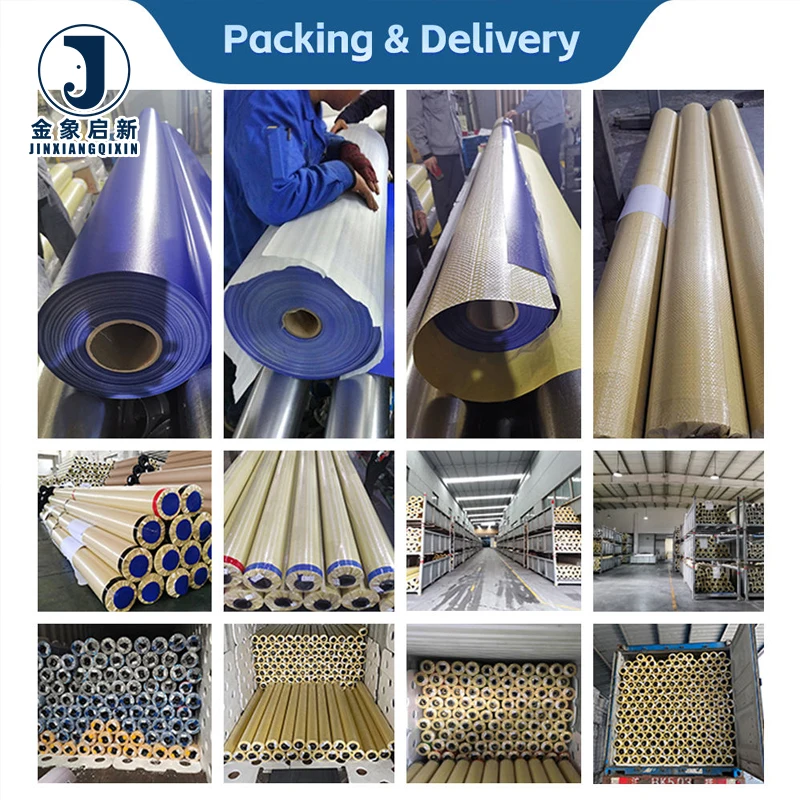
- Rolls stored on their cores prevent flat-spotting and creasing that becomes visible after unrolling at the fabrication bench
- Matte finish surfaces require compatible ink formulations for printed branding to achieve adequate adhesion
- Heavy-duty denier rolls (840D×840D and above) require heavier-duty cutting blades to prevent frayed edges at the裁 line
- Anti-fungal treatment supports extended outdoor storage of rolls before fabrication without surface degradation
What to Include With Your Enquiry
Provide the target GSM, base fabric denier preference, and the quantities per colour and width to enable accurate container loading calculations. Specify whether glossy or matte finish is required, and whether any flame retardant or UV treatment grade must be supported by test documentation for your market. Indicate if custom widths or pattern printing are needed so that sample development can be initiated ahead of the production run.
Frequently Asked Questions
Q: How is GSM verified on each roll before shipment?
A: Every roll is weighed and measured during pre-shipment inspection. The actual GSM is recorded against the specification on the order, and a documented inspection report accompanies the shipment. Rolls that fall outside the agreed tolerance are held and replaced before container loading proceeds.
Q: How do you control colour variation between rolls in the same order?
A: Raw material batches are matched across the production run, and coating line parameters are locked once the target colour is confirmed. Pre-shipment inspection includes a visual colour comparison across rolls from the same batch to catch any drift before dispatch.
Q: What widths and roll lengths are available for bulk purchase?
A: Standard and custom widths are available depending on the production line configuration. Roll lengths can be specified to suit container loading efficiency or downstream fabrication requirements. Confirm the required width and length at enquiry stage for accurate quotation and loading plans.
Q: How are rolls packed and loaded for container shipping?
A: Rolls are packed in carton or bale format depending on the order specification. A container loading plan is prepared showing roll count, gross weight, and cubic utilisation so that freight costs can be calculated and the container is loaded to capacity without damage to the rolls.
Q: What is the minimum order quantity per GSM grade and colour?
A: Minimum quantities vary by grade, width, and whether the colour is a stock option or a custom match. Stock colours and standard widths typically carry lower minimums than custom specifications. Confirm your required grade and colour at enquiry stage for an accurate minimum and lead time.