Description
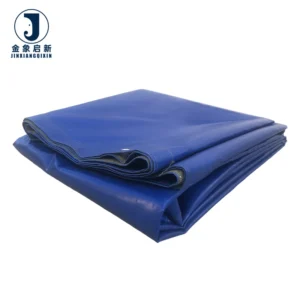
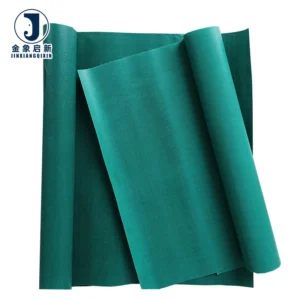
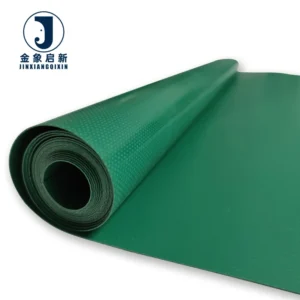
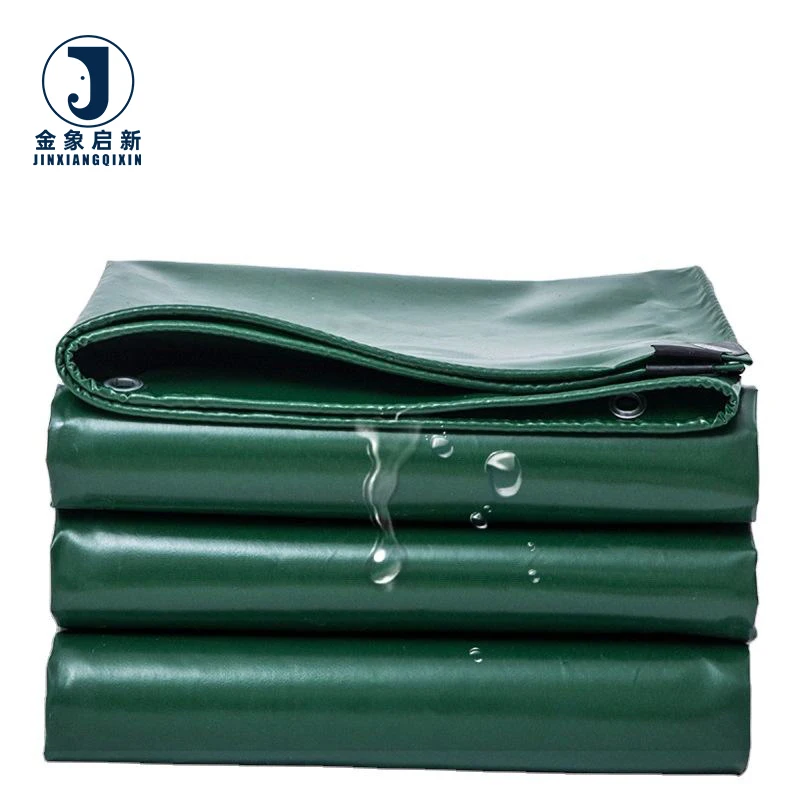
PVC Tarpaulin Roll 620gsm for Fish Pond – Wholesale
Batch-Verified Weight — Every roll of this PVC coated tarpaulin undergoes 100% pre-shipment weight inspection, ensuring the GSM on your specification sheet matches the material that arrives at your warehouse.
Technical Specifications
| Parameter | Value |
|---|---|
| Product Type | PVC Coated Tarpaulin |
| Material Composition | PVC + High-strength polyester mesh fabric |
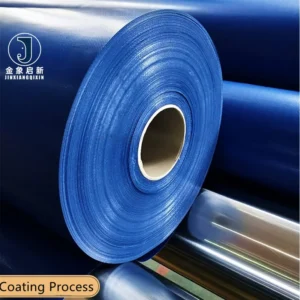
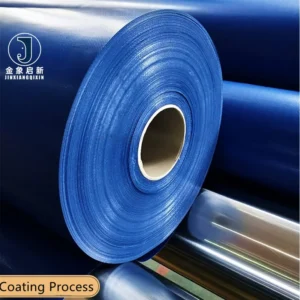
| Coating Technology | Laminated technology & Hot-melt Coating technology |
| Weight Options | 350gsm / 420gsm / 500gsm / 550gsm / 600gsm / 750gsm |
| Thickness Options | 0.32mm / 0.35mm / 0.4mm / 0.45mm / 0.5mm / 0.65mm |
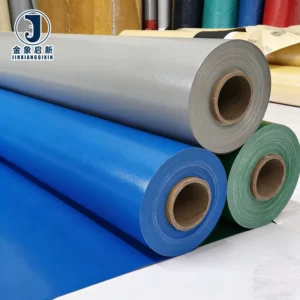
| Standard Roll Size | 2m width × 75m length / 2.1m width × 50m length |
| Surface Finish | Glossy or Matte |
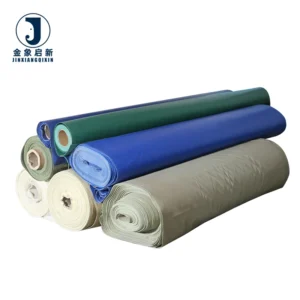
| Colour Range | Blue / Red / Yellow / Light Blue / Grey (Customized) |
| Key Features | Waterproof / Cold Crack Resistance / Anti-Mildew / Sunproof |
| Service Life | Suited to extended outdoor exposure under normal conditions |
| Certifications | ISO, CE |
Application Suitability
| Application | Exposure & Requirement |
|---|---|
| Fish pond and reservoir liner | Permanent water contact, soil chemistry, puncture risk from substrate |
| Agricultural stock covers | Rain, wind-blown debris, repeated removal and refitting |
| Tent and awning fabric production | Tension loading, weather cycling, heat-welded seam integrity |
| Construction and scaffolding enclosure | Impact from tools and materials, UV exposure, dust containment |
| Truck awning and side curtain | Road abrasion, constant flexing at fold points, weather exposure |
Why the Roll Label Does Not Guarantee What Is Inside
Buying bulk PVC coated tarpaulin based on a quoted GSM figure alone leaves you exposed to material that arrives lighter than specified. Weight verification at the factory gate, not the invoice, is the only defence. A roll labelled for pond liner duty that weighs less than agreed will lack the tensile mass needed to resist puncture from sharp substrate edges, and the coating may be too thin to hold a reliable heat-welded seam during fabrication. Wholesale buyers who skip incoming inspection absorb these failures silently into their cutting tables and end-customer sites [NEED_CITE: tensile and tear test methods for coated fabrics per ISO 1421]. The gap between quoted and actual GSM is where margin evaporates and warranty claims begin.
Consistent Weight Across Every Roll in the Container
When a distributor orders fifty rolls of the same grade, the GSM must hold from the first core to the last. Hot-melt coating technology combined with in-process weight monitoring keeps coating thickness uniform across the full production run, so your cutting yield stays predictable. This PVC Tarpaulin Roll wholesale supply is built around that repeatability: each roll is weighed and logged before it leaves the line, and any roll falling outside tolerance is pulled before packing.
Colour Matching That Holds Up on the Rack
Side-by-side colour shift between rolls from one order is one of the most visible quality failures a tarpaulin importer can face. Pigment dosing is locked to a master batch reference at the start of the run, and QA checks confirm shade consistency before rolls are released for shipment [NEED_CITE: colour fastness evaluation methods for coated polyester fabrics]. Whether you are stocking light blue for aquaculture or grey for industrial covers, the rolls on your shelf present a uniform appearance to your buyers.
How Coating Technology Determines What the Fabric Can Do
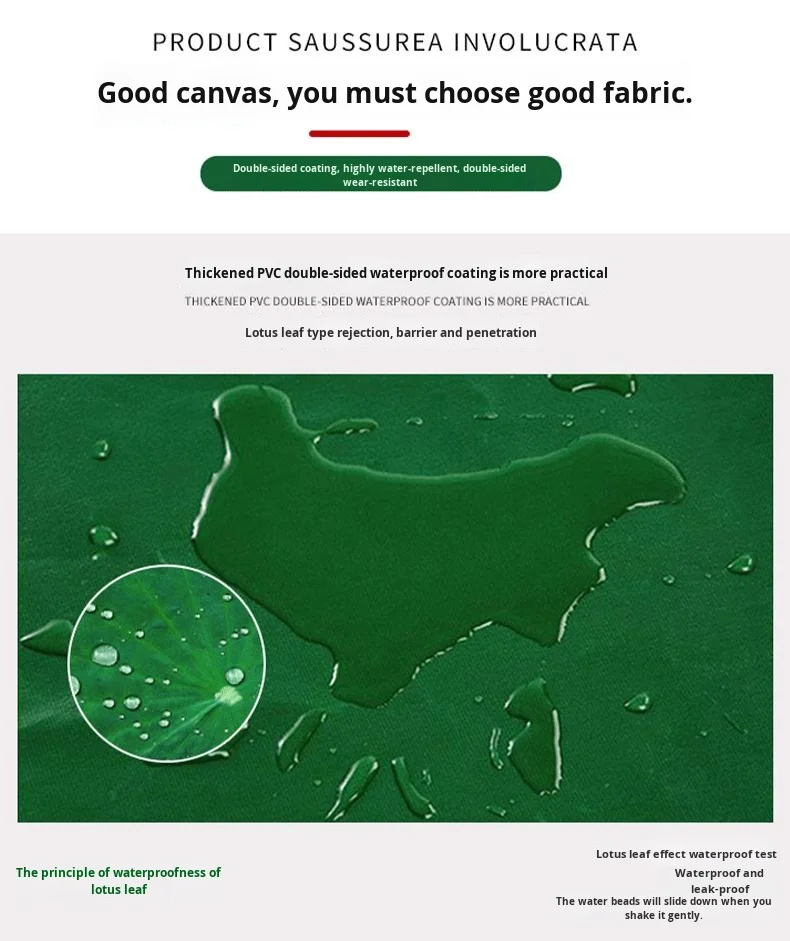
The difference between laminated and hot-melt coating is not academic — it shows up at the weld bar and on the cutting table. Laminated PVC builds adhesion between coating and mesh through pressure and heat bonding, producing a fabric where the peel strength supports aggressive heat-welding during fabrication without delamination. Hot-melt coating penetrates the polyester mesh more deeply, which raises the tear initiation threshold and gives the material more body at the same GSM. For a pond liner application, this means the fabric resists puncture from gravel and root structures more effectively, and welded panel joins carry structural load without the coating lifting from the base cloth. The high-strength polyester mesh foundation provides dimensional stability so the fabric does not stretch or distort when water pressure builds against the liner walls. Surface finish — glossy or matte — influences both cleaning behaviour and adhesion of sealants used at perimeter fixings [NEED_CITE: peel strength and weld behaviour of PVC coated polyester per ISO standards].
The Cost of Getting the Specification Wrong
Specifying a lighter GSM to save on the unit price often means the pond liner fails at the welded seam within the first season, forcing a full replacement that erases any initial saving. A matte finish ordered where glossy was needed leads to algae adhesion that cannot be cleaned without damaging the coating surface. Rolls delivered with inconsistent colour force a distributor to sort and segregate stock before resale, adding handling cost and delaying fulfilment to downstream buyers [NEED_CITE: common failure modes in PVC coated fabric pond liner installations]. These are not theoretical risks — they are the line items that appear on credit notes.
What This Supply Chain Actually Delivers
Three full production lines and 36 sets of professional equipment handle volume orders without the lead-time volatility that single-line operations produce during peak demand. A 10-person R&D team supports custom width, colour, and sample development so your specification is confirmed before the production run begins. Dedicated quality checkpoints at every coating and winding stage mean defects are caught during manufacture, not at your receiving dock. Samples for custom grades are developed within days, shortening the approval cycle. The entire process — from yarn selection through coating, winding, and packing — is controlled in one facility, which eliminates the handoff failures common in fragmented supply chains.
Documentation & Verification
- Material specification sheet listing confirmed GSM, base fabric denier, coating type, and colour reference for each production batch
- Pre-shipment inspection record showing individual roll weight verification against the stated grade
- Test documentation for UV and flame retardant grades where applicable to the ordered specification
- Roll packing list with core count, net weight, and dimensional summary for customs clearance
- Certificate of origin and CE documentation included with every export consignment
Fabrication, Handling & Storage
- Heat-weld at temperatures matched to the laminated or hot-melt coating type to avoid delamination at seam lines
- Store rolls upright on cores to prevent flat-spot deformation of the PVC coating surface during warehousing
- Allow cold-stored rolls to reach ambient temperature before unrolling to avoid coating crack at the core
- Use the glossy finish side as the water-contact face for pond liner applications to reduce algae adhesion
- Plan cutting layouts around the 2m or 2.1m roll width to minimise off-cuts and welded join lines
Start Your Specification
Tell us the target GSM, roll width, and colour reference you need for your market, along with the end-use application and any regional compliance requirements. We will return a material specification sheet and sample for your approval before production begins. If you are comparing container loads, confirm your preferred roll size so we can provide an optimised loading plan.
Frequently Asked Questions
Q: How do I verify the GSM of each roll when it arrives?
A: Cut a measured sample from the roll, weigh it on a calibrated scale, and calculate grams per square metre. Compare the result against the material specification sheet shipped with your order. Our pre-shipment inspection record documents the weight of every roll before dispatch, giving you a baseline to confirm against.
Q: Can I expect the same colour across all rolls in a large order?
A: Yes. Pigment batching is locked to a single master reference at the start of production, and QA verifies shade consistency before release. Rolls from one order will match when laid side by side, which is critical for distributors stocking inventory and fabricators producing finished covers.
Q: Which roll size is better for container loading — 2m × 75m or 2.1m × 50m?
A: The 2m × 75m format maximises linear metres per roll and suits buyers who cut to length on their own tables. The 2.1m × 50m format is lighter per roll, easing manual handling. Your loading plan depends on which dimension aligns with your downstream cutting equipment and warehouse racking.
Q: What is the lead time for custom colours or non-standard widths?
A: Custom colours require a lab-dip approval step before the production run starts, followed by pigment batching to your confirmed reference. Standard widths ship on shorter schedules. Submit your colour reference and required width so we can confirm sample timing and production availability.
Q: What documentation arrives with each shipment?
A: Every consignment includes a material specification sheet, pre-shipment inspection record, roll packing list, certificate of origin, and CE documentation. If your order includes UV or flame retardant grades, the corresponding test reports are enclosed. This package supports customs clearance and your incoming quality check.