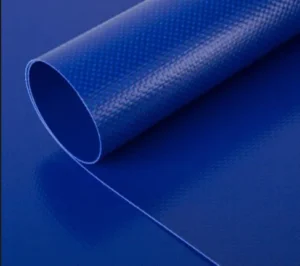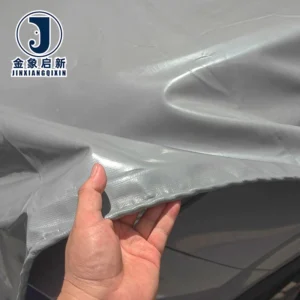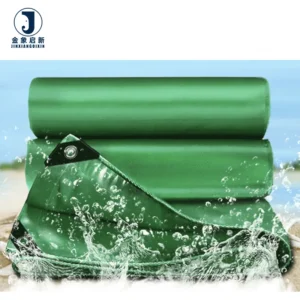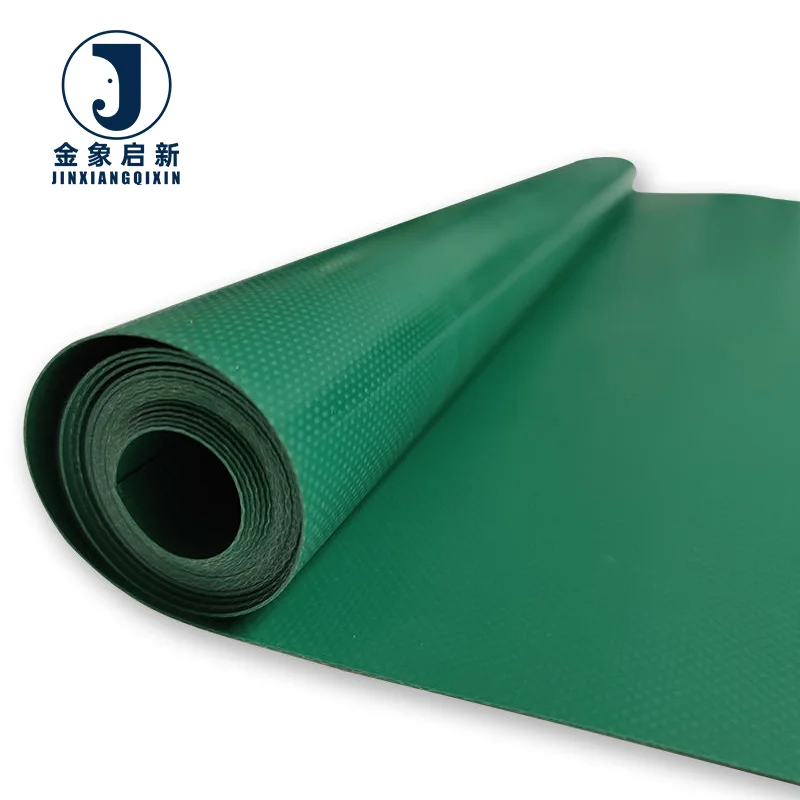

Description
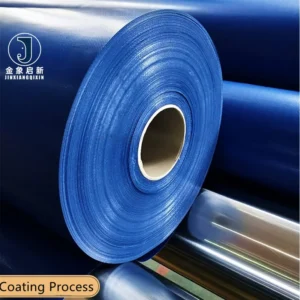
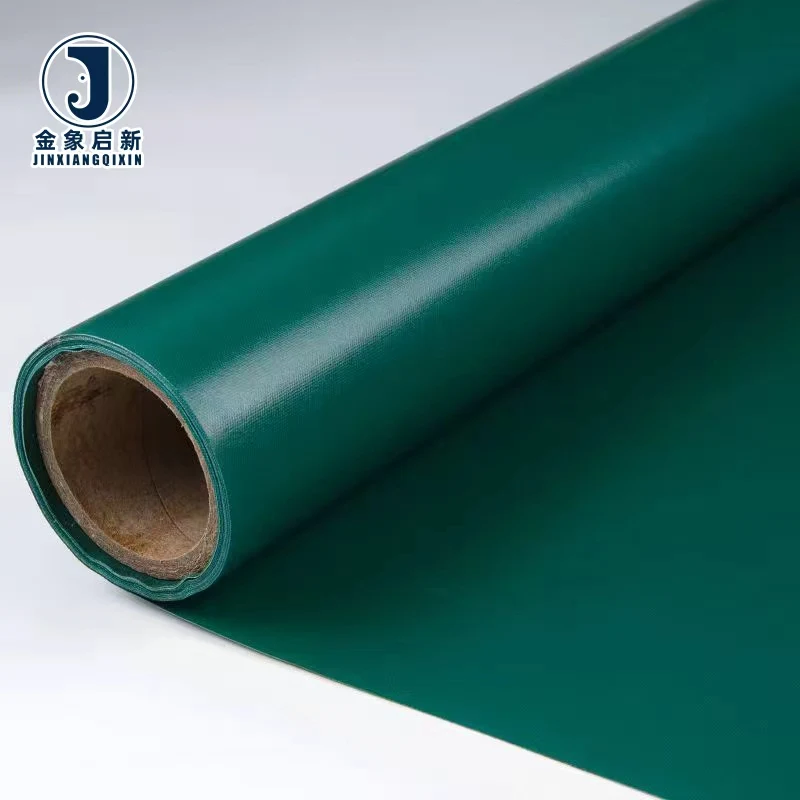
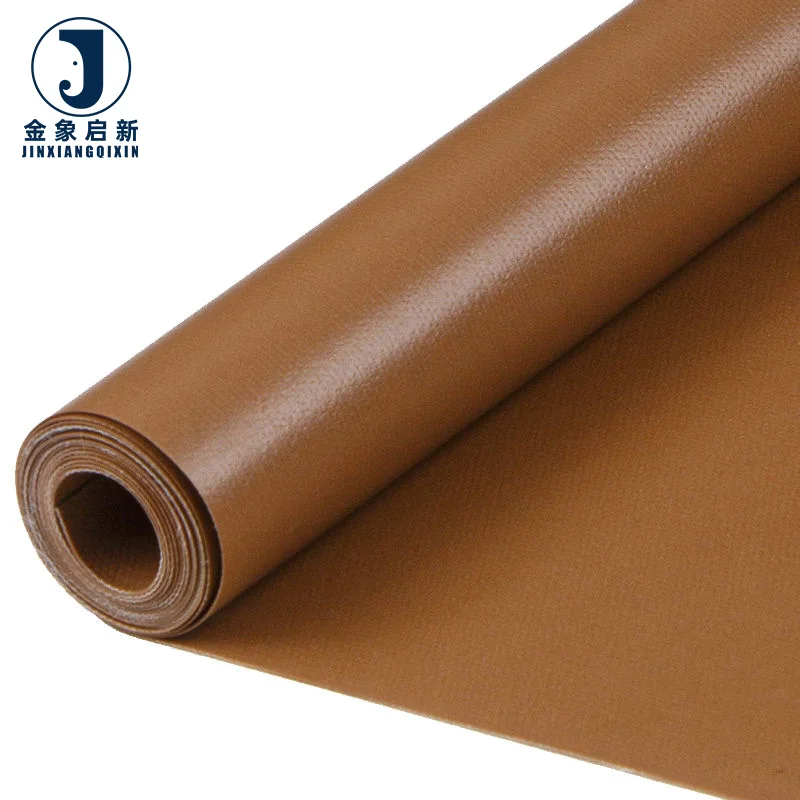
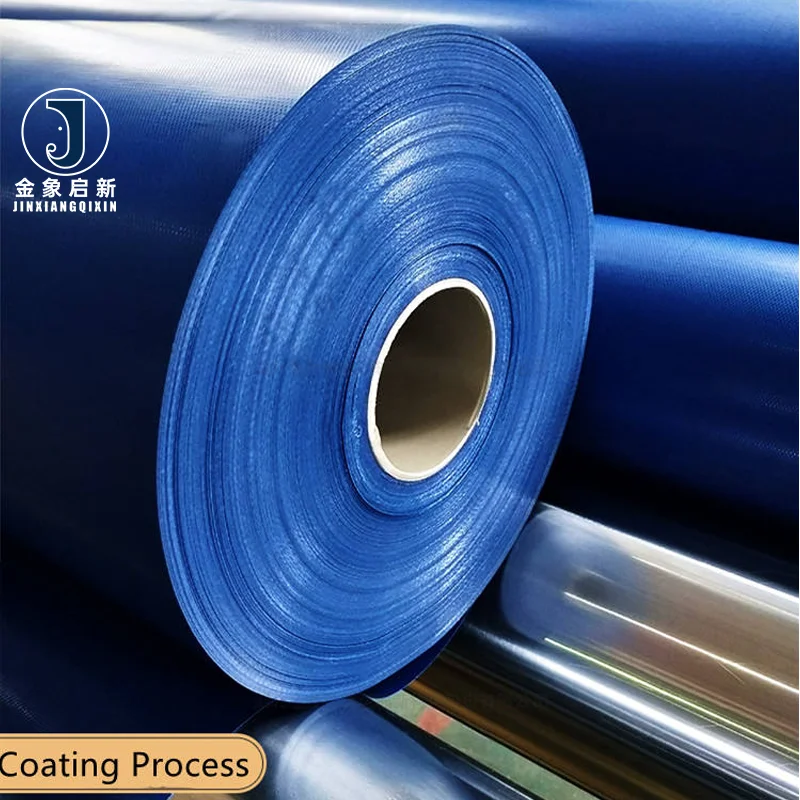
Coating weight transparency — every roll grade from 350 to 900 GSM is produced under dedicated QA with 100% pre-shipment weight verification so the specification on the quotation matches what arrives at your warehouse.
Technical Specifications
| Parameter | Value |
|---|---|
| Product Type | PVC Coated Tarpaulin Roll |
| Base Fabric Yarn Options | 500D840D, 500D1000D, 1000D1000D, 1000D1300D, 1300D1300D, 1000D2000D |
| Weight (GSM) Options | 350, 400, 420, 500, 600, 650, 750, 900 |
| Total Thickness Range | 0.29 mm (400 GSM) to 0.65 mm (900 GSM) |
| Mesh Count Options | 30×19, 20×20, 30×15 |
| Coating Material | PVC & Polyester |
| Tensile Strength (Warp) | 1650 N to 3900 N depending on grade |
| Tensile Strength (Weft) | 1600 N to 3500 N depending on grade |
| Flame Retardant | Available in flame retardant grades — confirm the grade required for your market (grade not stated) |
| UV Treatment | Anti-UV treated (test basis not stated) |
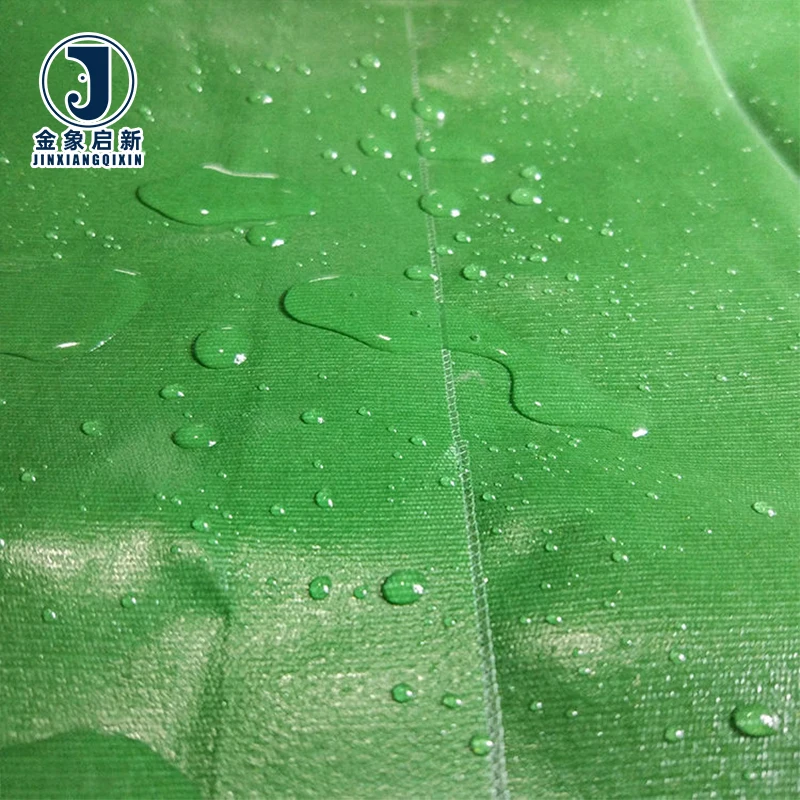
| Waterproof | Water resistant / waterproof construction |
| Edge Treatment | High temperature heat sealed seamless edge wrapping |
| Eyelets | 3 cm enlarged aluminum alloy buttonhole |
| Corner Reinforcement | Reinforced corners on all sides |
| Rope | 5 mm thick rope without splicing |
| Brittle Temperature | ≤ −50 to −60 °C |
| Softening Temperature | ≥ 80 °C |
| Melting Point | 212 °C |
Application Suitability
| Application | Exposure & Requirement |
|---|---|
| Truck and trailer side curtains | Constant flexing at load points, road abrasion, UV exposure, weather cycling |
| Industrial shelter covers | Wind loading, sustained UV exposure, structural movement at anchor points |
| Construction site enclosures | Impact from debris, repeated install and removal, moisture ingress |
| Awning and tent fabrication | Roll cutting and welding on production lines, colour matching across panels |
| Machine and equipment covers | Contact with oils, dust ingress, outdoor standing in all seasons |
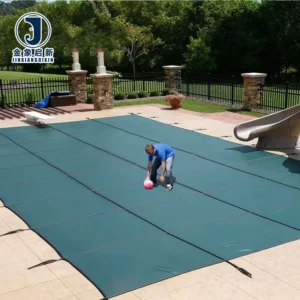
| Pond and reservoir lining | Permanent water contact, soil chemistry, puncture from substrate |
| Balcony and garden rainproof covers | Residential UV exposure, seasonal wind uplift, folding and storage |
Why the Weight on Your Quotation Does Not Always Match the Roll You Receive
The GSM printed on a specification sheet is only meaningful when verified roll by roll before the container is sealed.
Tarpaulin distributors who buy in container loads have seen this before: the material specification states a target weight, but once the rolls are cut open at the warehouse, the fabric feels noticeably lighter. [NEED_CITE: weight verification practices for coated fabric imports] This is not always intentional — coating weight can drift across a production run when line speed and paste viscosity are not controlled simultaneously. For a wholesale buyer stocking PVC coated tarpaulin roll grades from 350 to 900 GSM, a shortfall at either end of the range changes which applications that stock can safely cover. A 650 GSM grade that arrives closer to 600 GSM may no longer meet the tensile requirement a fabricator has committed to their own customer. That is why every roll produced under this range goes through dedicated in-process QA with a full pre-shipment inspection record, so the batch you clear through customs is the batch you specified.
Batch Consistency Across Container-Load Volumes
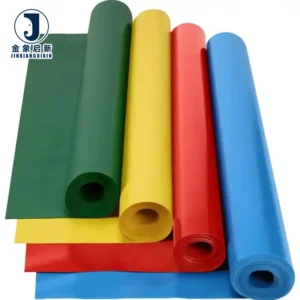
When a distributor orders multiple rolls of the same PVC coated tarpaulin roll grade, the colour and coating weight must hold from the first roll to the last. Colour shift between rolls becomes visible the moment two panels are installed side by side on a shelter or awning frame. Coating weight variation within a single production run is controlled here through simultaneous monitoring of paste application and line speed across all three production lines, so the GSM you sampled is the GSM that ships.
Stocking Multiple Grades Without Surprising Your Downstream Customers
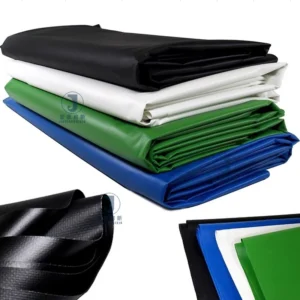
Distributors and importers typically carry several grades to serve different end-use segments — lighter weights for garden covers and balcony screens, heavier weights for transport curtains and industrial shelters. Each grade in this range is mapped to a specific base fabric denier and mesh count, so you can build a stocking programme where the specification sheet tells your sales team exactly which grade to quote for which application, without guessing or substituting.
How Denier, Mesh Count and Coating Weight Work Together
A common mistake in PVC coated fabric sourcing is comparing products on GSM alone. [NEED_CITE: relationship between base fabric denier and coated fabric tensile strength] The 600 GSM grade in this range uses a 1000D×1000D base with a 20×20 mesh count, while the 420 GSM grade uses a 500D×840D base at 30×19. The heavier denier yarn in the 600 GSM grade carries more load per thread, but the tighter mesh in the 420 GSM grade distributes stress across more yarn intersections. Tensile strength values in the specification table — ranging from 1650 N warp for the lightest grade up to 3900 N warp for the 900 GSM option — reflect this interaction. Coating weight adds stiffness and waterproofing but does not compensate for a weaker base fabric when the application demands tear resistance at flex points. The brittle temperature rating of ≤ −50 to −60 °C and softening point at ≥ 80 °C define the usable climate envelope across all grades.
What Happens When the Wrong Grade Goes to the Wrong Job
A distributor who ships a lighter-grade roll to a fabricator building truck side curtains will hear about it within weeks. The fabric flexes every time the trailer load shifts, and if the tensile strength is below what the route demands, failure starts at the welded seam or the eyelet line. [NEED_CITE: coated fabric failure modes at welded seams under cyclic loading] On the other end, overselling a 900 GSM roll for a garden furniture cover means the end user is paying for weight and strength they will never need, and the fabricator loses margin on material they cannot justify. Getting the denier-to-application match right at the stocking stage prevents both problems.
Why Wholesale Buyers Keep Reordering From This Range
The three full production lines and 36 sets of professional equipment mean container-load orders ship on schedule without splitting batches across different machines, which is where roll-to-roll variation usually starts. The 10-person R&D team handles custom width, colour and pattern requests with samples developed within days, so you can test a new grade before committing a full container. A dedicated QA and QC checkpoint at every production stage catches coating weight drift and colour inconsistency before rolls reach the packing line. Material specification sheets, pre-shipment inspection records and roll packing lists are issued as standard documentation, not as after-the-fact requests. ISO and CE certifications are maintained and available for import documentation.
Documentation & Verification
- Material specification sheet listing GSM, base fabric denier, mesh count and coating type for each roll grade shipped
- Pre-shipment inspection record with individual roll weight verification against stated GSM
- Roll packing list showing roll count, net weight and container loading plan for customs clearance
- UV and flame retardant test reports matched to the specific grade ordered — available before dispatch
- ISO and CE certificates provided for import and regulatory compliance documentation
Fabrication, Handling & Storage
- Heat seal temperature settings should be matched to the specific GSM grade to avoid coating burn-through on lighter weights or incomplete bonding on the 900 GSM option
- The 3 cm aluminum alloy eyelets distribute tie-down loads but must be set through both coating layers with reinforced corner patches at high-stress positions
- Store rolls upright on pallets in dry conditions to prevent flat spots and coating adhesion loss at the contact surface
- When unrolling at low ambient temperatures, allow the PVC coating to acclimatise before cutting to avoid brittle cracking below the stated −50 °C threshold
- Clean coated surfaces with mild detergent only — solvent-based cleaners can soften the PVC coating layer above its 80 °C softening point
Requesting the Right Grade for Your Stocking Programme
To specify the correct PVC coated tarpaulin roll for your distribution market, share the end-use applications you are targeting, the weight range your customers typically request, and any flame retardant or anti-UV compliance your regional regulations require. If you need custom widths, colours or printed branding, indicate the minimum roll quantity you can commit to so the R&D team can develop a matched sample. Confirm whether you need full rolls only or cut-to-size sheets for specific fabricator accounts.
Frequently Asked Questions
Q: How is GSM verified and can I request a pre-shipment weight sample?
A: Every roll is weighed during the final inspection stage and recorded on the pre-shipment inspection report. You can request a weight verification sample cut from your specific production batch before the container is sealed, so you confirm the GSM matches your purchase order before the goods leave the factory.
Q: What is the roll-to-roll colour consistency tolerance across a bulk order?
A: Colour consistency is controlled at the coating stage by matching paste formulation and curing temperature across all rolls in the same production run. If your order spans multiple production runs, a colour reference standard is held on file so subsequent batches are matched against the original approved shade.
Q: What roll widths are available, and what are the minimums for custom widths?
A: Standard widths cover the common distribution range, and custom widths are available through the R&D team with sample development completed within days. Minimum order quantities for non-standard widths are kept low to support distributors testing new sizes in their market before committing to full container volumes.
Q: How are rolls packed for container shipping and what loading options exist?
A: Rolls are available in roll packing, bale packing or carton formats depending on how your warehouse handles incoming stock. A packing list with roll count, net weight and a container loading plan is provided so you can calculate utilisation for 20 ft and 40 ft containers by grade.
Q: Can you supply test reports for UV and flame retardant treatments on the grade I order?
A: Test reports for anti-UV and flame retardant treatments are available for specific grades upon request. Confirm the compliance standard your market requires — such as the fire classification applicable in your region — so the correct grade and documentation are matched to your order before production begins.