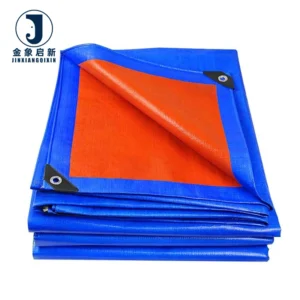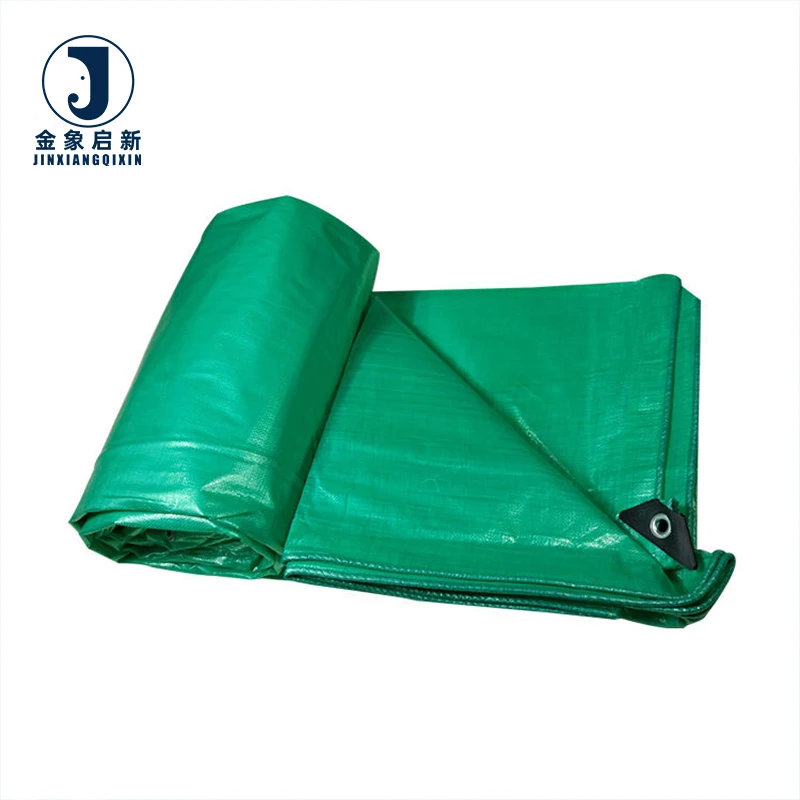
Description
Consistent Roll-to-Roll Weight — verified GSM on every batch through in-line coating weight control across three full production lines, ensuring uniform density from the first roll to the last in your container.
Technical Specifications
| Parameter | Value |
|---|---|
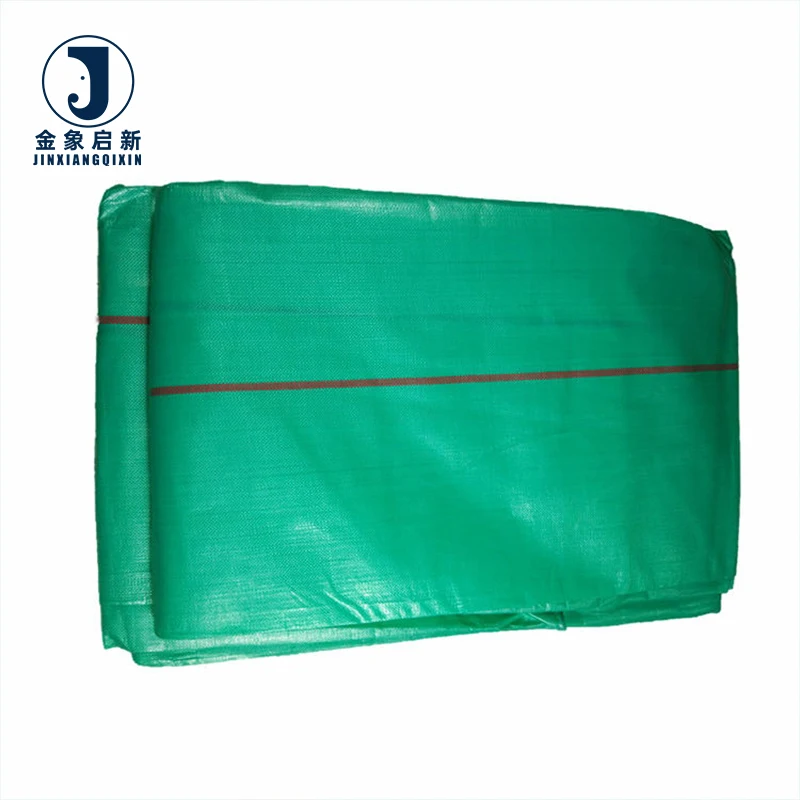
| Product Type | PE Tarpaulin |
| Base Fabric | HDPE woven |
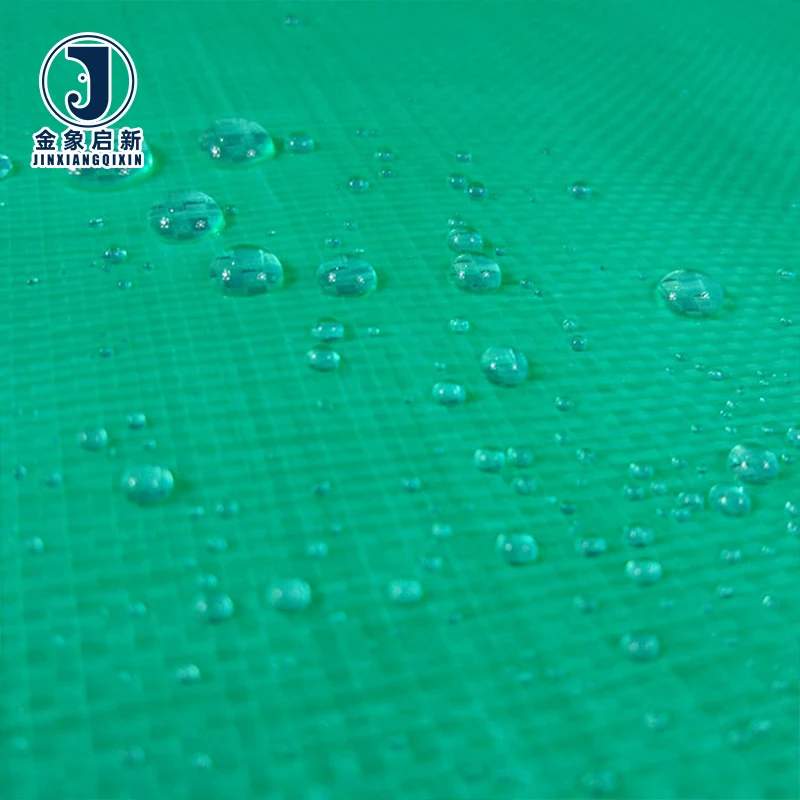
| Coating | LDPE lamination on both sides |
| GSM Range | 50 g/m² to 220 g/m² (confirm the grade for your order) |
| Thickness | 0.2 mm – 0.4 mm (8 mil – 16 mil) |
| Weave Density Options | 6×6, 6×7, 7×7, 7×8, 8×8, 9×9, 8×10, 10×10, 12×12, 14×14, 14×16 |
| Roll Widths | 6 ft, 8 ft, 10 ft, 12 ft / 2 m, 4 m, 6 m |
| Roll Length | 100 yards, 100 meters, or custom length |
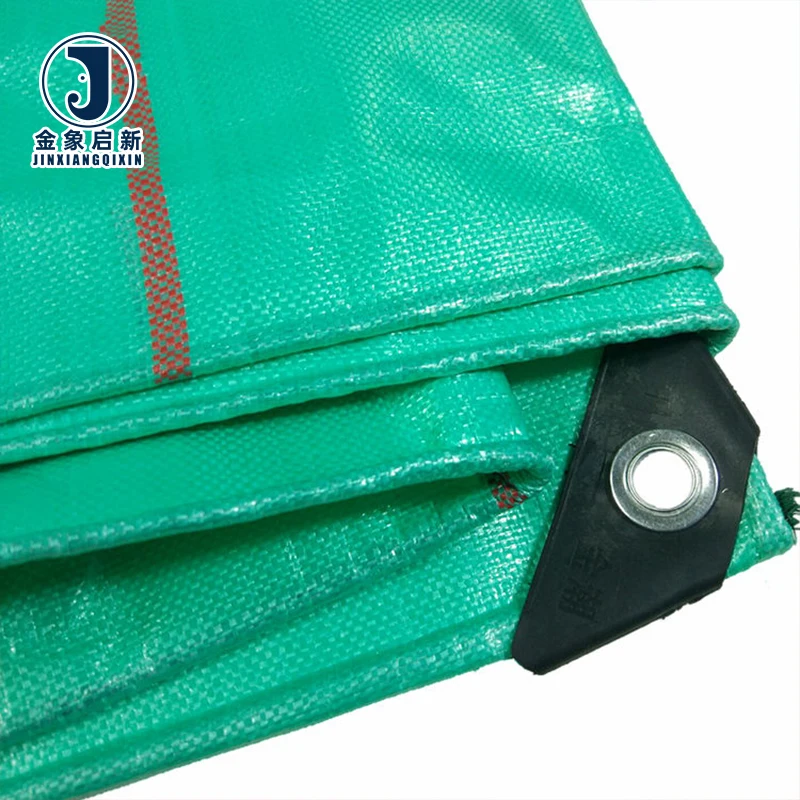
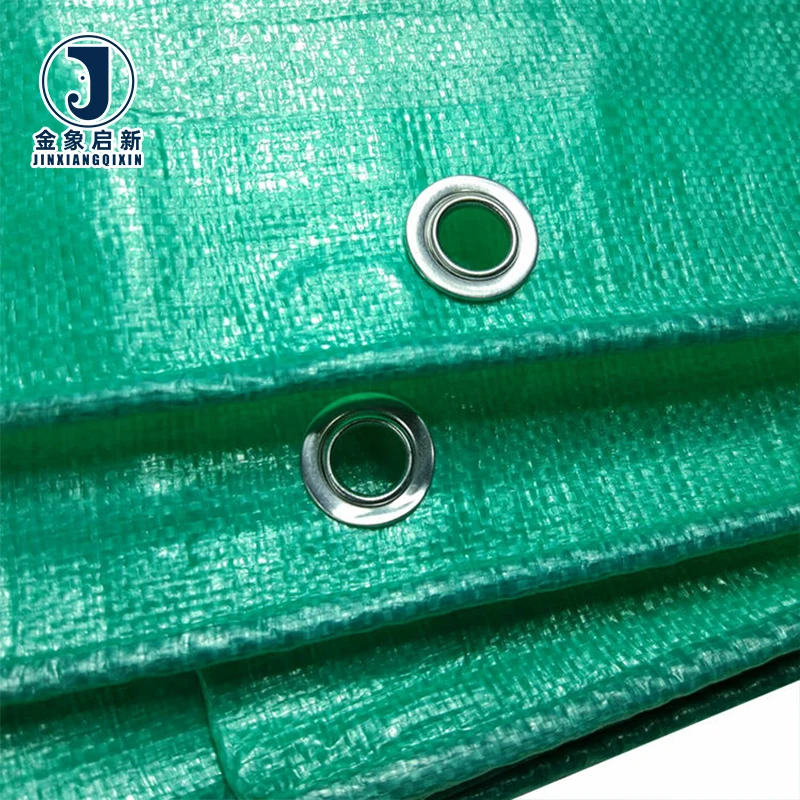
| Edge Reinforcement | PP rope in hem on all four sides (finished tarpaulin) |
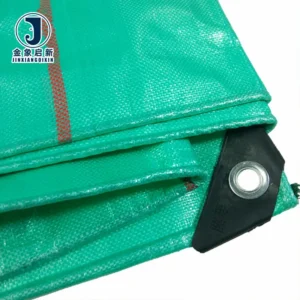
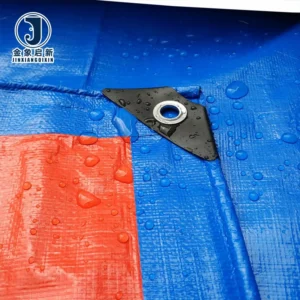
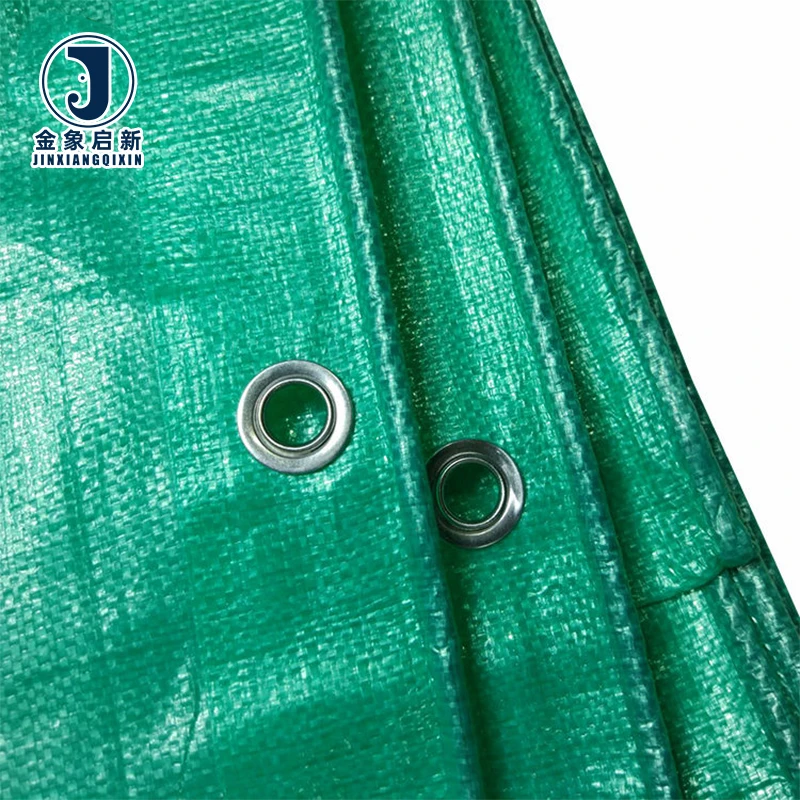
| Eyelets | Galvanized, spaced every 3 ft or 1 m (finished tarpaulin) |
| Corner Patches | Reinforced plastic corners (finished tarpaulin) |
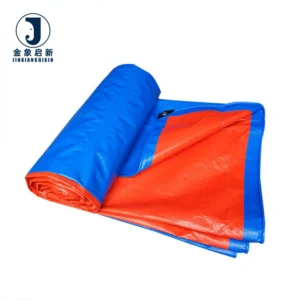
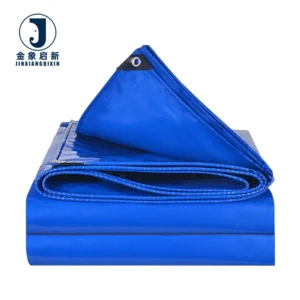
| Colour Options | Blue, Blue/Orange, Green, Grey, Black, Clear, Grey/Green, Orange, or custom |
| Treatments | UV treatment available — confirm the grade required for your market; mildew-proof and anti-aging additives available |
Application Suitability
| Application | Exposure & Requirement |
|---|---|
| Truck and trailer load covers | Road vibration, weather exposure, tie-down stress at eyelets |
| Hay, timber and crop stacking | Prolonged sun exposure, rain ingress, wind uplift on sheet edges |
| Pond and reservoir lining | Permanent water contact, soil chemistry, puncture from substrate |
| Scaffolding wrap and fencing | Wind loading, UV degradation, repeated installation and removal |
| Boat and container covers | Salt spray, standing water, abrasion at contact points |
| Garden furniture and gazebo covers | Seasonal UV exposure, mildew in humid storage |
Why Batch Colour Consistency Matters More Than Price Per Kilogram
Visible colour mismatch between rolls in one shipment is the single most common complaint from PE tarpaulin wholesale buyers — and it is almost always a coating process problem, not a dye problem.
When a distributor opens a container and finds that three rolls out of twenty show a noticeably different shade of blue, the entire lot may be rejected by the retail buyer. The issue rarely lies with the masterbatch pigment itself. It traces back to uneven LDPE lamination temperature across the production line, which alters the way light refracts through the coating layer. [NEED_CITE: colour consistency standards for coated polyethylene fabrics] In bulk PE tarpaulin roll purchasing, a quotation that is slightly cheaper but ships without a documented batch-dyeing protocol costs far more in claims and replacements than the savings on the invoice.
How Weave Density and Lamination Weight Interact in PE Tarpaulin Rolls
The tensile and tear behaviour of any PE tarpaulin is governed by two variables working together: the HDPE weave density and the LDPE coating weight applied to each side. A 14×16 weave base carries substantially more yarn per square metre than a 6×6 base, which gives it higher inherent tear resistance even before lamination.
However, the lamination layer is what provides waterproofing and surface durability. When the LDPE coat is too thin relative to the weave, the fabric becomes permeable at the intersection points where yarns cross. When the coat is too heavy relative to a light base fabric, the sheet becomes stiff and prone to cracking at fold lines during cold-weather handling. Matching weave tier to coating weight is the core of specifying PE tarpaulin roll stock correctly for your end-use application.
Reading GSM Without Being Misled by It
GSM is the most quoted number on any tarpaulin specification sheet, yet it is also the most misunderstood. A 150 g/m² PE tarpaulin made from a 12×12 weave with moderate coating will behave very differently from a 150 g/m² sheet built on a 10×10 base with heavier lamination. [NEED_CITE: ISO test methods for mass per unit area of coated fabrics]
The first relies more on yarn strength for tear resistance; the second relies more on coating thickness for puncture and water resistance. When sourcing PE tarpaulin in bulk, always request the weave density alongside the GSM so you can compare like-for-like constructions rather than weight alone.
Why a Roll That Tests Light on Arrival Creates Downstream Problems
When the GSM measured on arrival falls below what was stated on the quotation, the consequences cascade. A truck cover cut from underweight material will tear at the hem under tie-down load. A pond liner that is thinner than specified will puncture during substrate settling.
For distributors restocking retail inventory, selling a tarpaulin that weighs less than the label states invites customer returns and erodes brand trust. [NEED_CITE: typical GSM tolerance expectations in woven polyethylene tarpaulin trade] This is why pre-shipment weight verification per roll — not just per batch — is the checkpoint that separates a reliable PE tarpaulin wholesale supply from a disputed one.
The Hidden Cost of Specifying the Wrong Weave Tier
Selecting a lighter weave density to save on material cost is one of the most common specification errors in PE tarpaulin purchasing. A 6×6 weave at 50–60 g/m² may serve adequately as a short-term dust cover for indoor storage, but when deployed outdoors as a hay or timber cover it will succumb to wind-driven tearing at the eyelets within a single season.
The cost of replacing failed sheets — including labour for removal and re-installation, plus the risk of damaged cargo underneath — typically exceeds the initial savings many times over. [NEED_CITE: field failure analysis for woven tarpaulins under wind load] Specifying the correct density tier for the actual exposure conditions, rather than the minimum GSM your budget allows, is the more economical path for any bulk PE tarpaulin roll buyer.
Why Consistent Supply Depends on Process Control, Not Just Capacity
Producing PE tarpaulin roll stock with uniform quality across a container-load volume requires more than large extrusion lines. It demands controlled LDPE lamination temperature at every point across the web width, calibrated haul-off speed to maintain consistent coating thickness, and in-line GSM monitoring that triggers adjustment before a roll goes out of tolerance.
Our three full production lines and 36 sets of professional equipment support this level of control at volume. Each roll passes through dedicated QA checkpoints where weight, colour and dimensions are verified before packing. Samples for custom widths, colours or print requirements are developed within days, so you can confirm specification before committing to a full container order.
Documentation & Verification
- Material specification sheet stating weave density, LDPE coating weight and GSM per order line
- Pre-shipment inspection record confirming weight and colour consistency across all rolls in the batch
- Roll packing list with net weight and CBM for container loading planning
- Certificate of origin and customs documentation for cross-border shipment
- Test report for UV or mildew-proof treatment where applicable to the specified grade
Fabrication, Handling & Storage
- Cut rolls on a clean, flat surface to avoid dragging the LDPE coating across abrasive edges
- When heat-welding finished seams, adjust temperature to the LDPE lamination melting range to avoid delamination
- Store rolls upright on paper tubes to prevent flat-spotting and permanent crease marks in the coating
- Galvanized eyelets should be set through the reinforced PP rope hem, not through bare fabric, to distribute tie-down load
- For pond liner applications, overlap seams by a width appropriate to the sheet thickness and weld continuously
- Unfold finished tarpaulins fully before first use to release fold lines that can crack in cold conditions
Specifying Your PE Tarpaulin Roll Order
To help us recommend the correct weave density, GSM and roll dimensions, please share your end-use application and the primary exposure conditions the fabric will face — whether that is prolonged UV, standing water, wind load or mechanical abrasion. Let us know your target roll width, container volume and whether you require finished cut sizes or roll stock only. If your market requires UV or mildew-proof treatment, specify the performance standard your buyer expects so we can match the correct additive grade.
Frequently Asked Questions
Q: How is GSM verified per roll and how can I re-check on arrival?
A: Each roll is weighed during pre-shipment inspection and recorded on the packing list against the stated GSM. On arrival, cut a known-area sample from any roll, weigh it on a calibrated scale and compare the result to the specification sheet. Any deviation beyond normal tolerance should be reported immediately with the roll number.
Q: What container loading tonnage can I expect for rolls versus bales?
A: In a 20-foot general-purpose container, roll-packed PE tarpaulin typically loads around 17 tons, while bale-packed finished sheets load around 12 tons. A 40-foot high-cube container accommodates approximately 28 tons by bale. Exact tonnage varies with GSM, roll width and packing format.
Q: How do you control batch colour consistency across a multi-roll order?
A: All rolls within a single order are produced from the same masterbatch compound under controlled LDPE lamination temperature. In-process colour checks are performed at intervals during production, and the pre-shipment inspection record documents colour verification across the full batch before dispatch.
Q: What custom widths, lengths and cut sizes are available?
A: Roll widths are available up to 6 metres, with lengths of 100 yards or 100 metres as standard, and custom lengths on request. Finished tarpaulins can be cut to any size from the standard menu or to your own dimensions. Minimum order quantities apply for non-standard widths and colours — confirm with our sales team at inquiry stage.
Q: How do UV treatment and anti-mildew options differ from PVC tarpaulin?
A: PE tarpaulin UV treatment uses additives blended into the LDPE lamination layer, which provides protection for the coated surface. Mildew-proof additives are similarly compounded into the coating. These treatments differ in chemistry and testing basis from PVC tarpaulin additives, so confirm the specific performance standard required for your market before ordering.