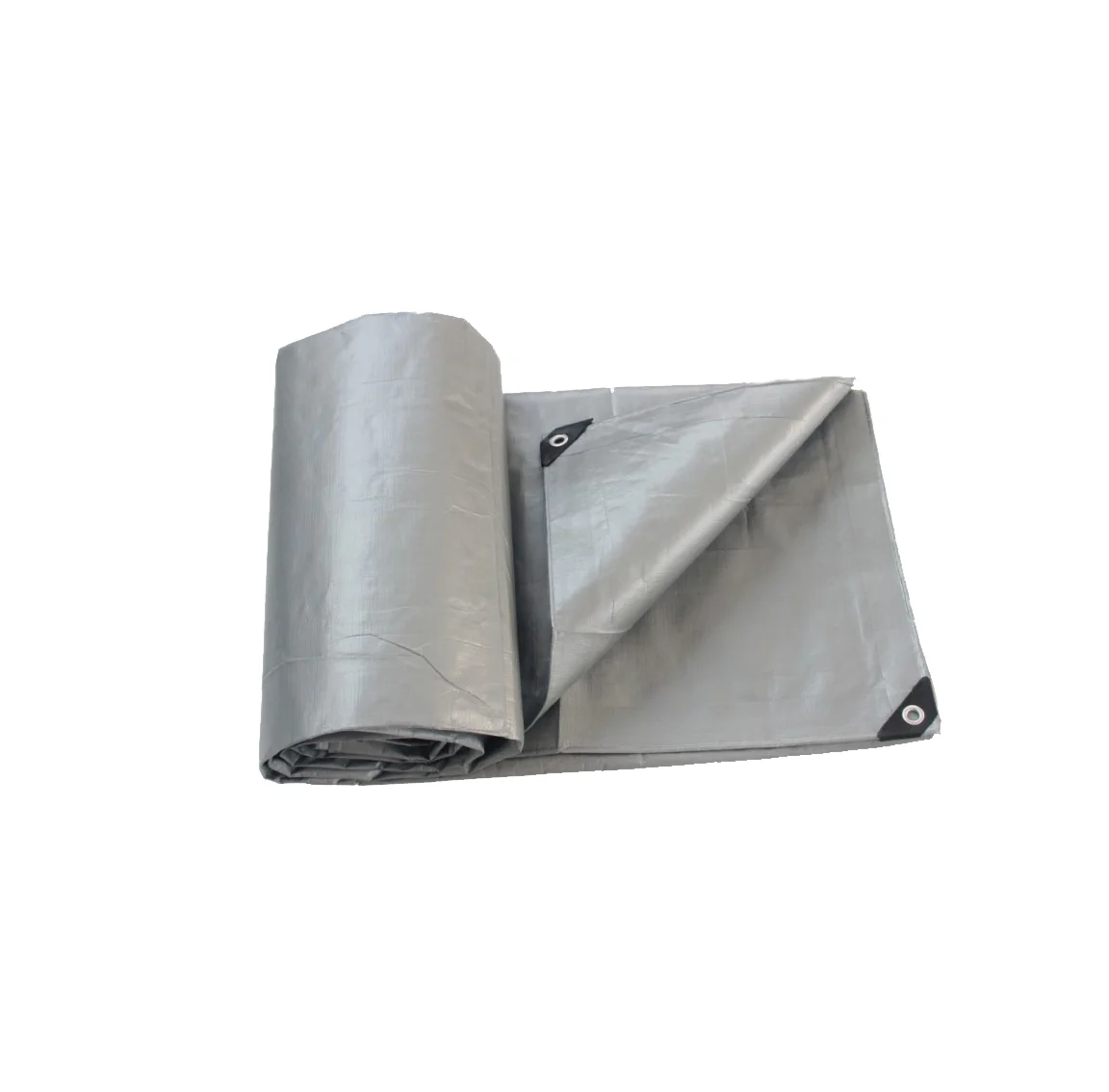
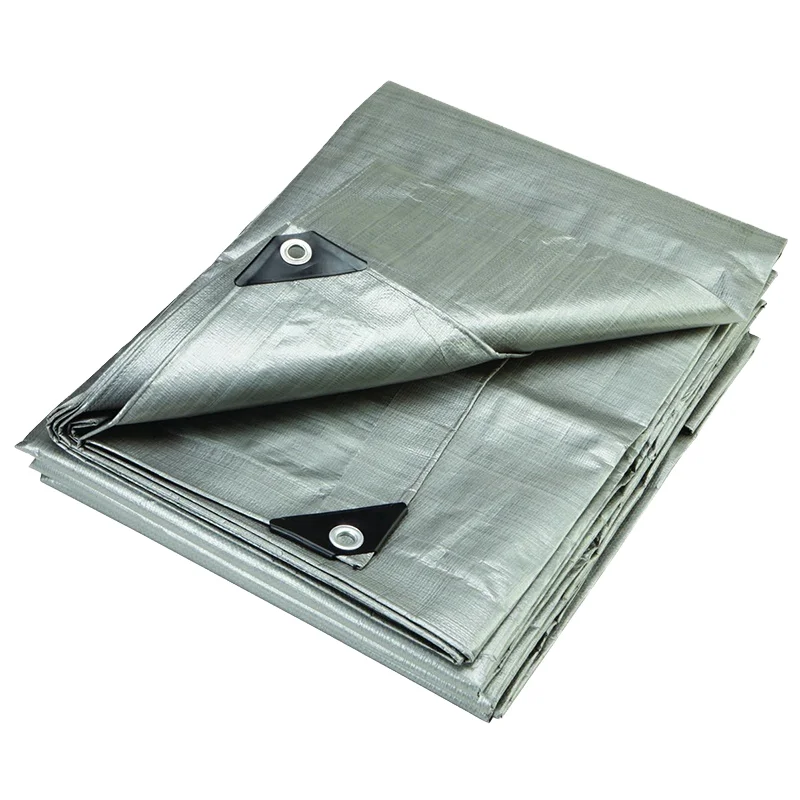
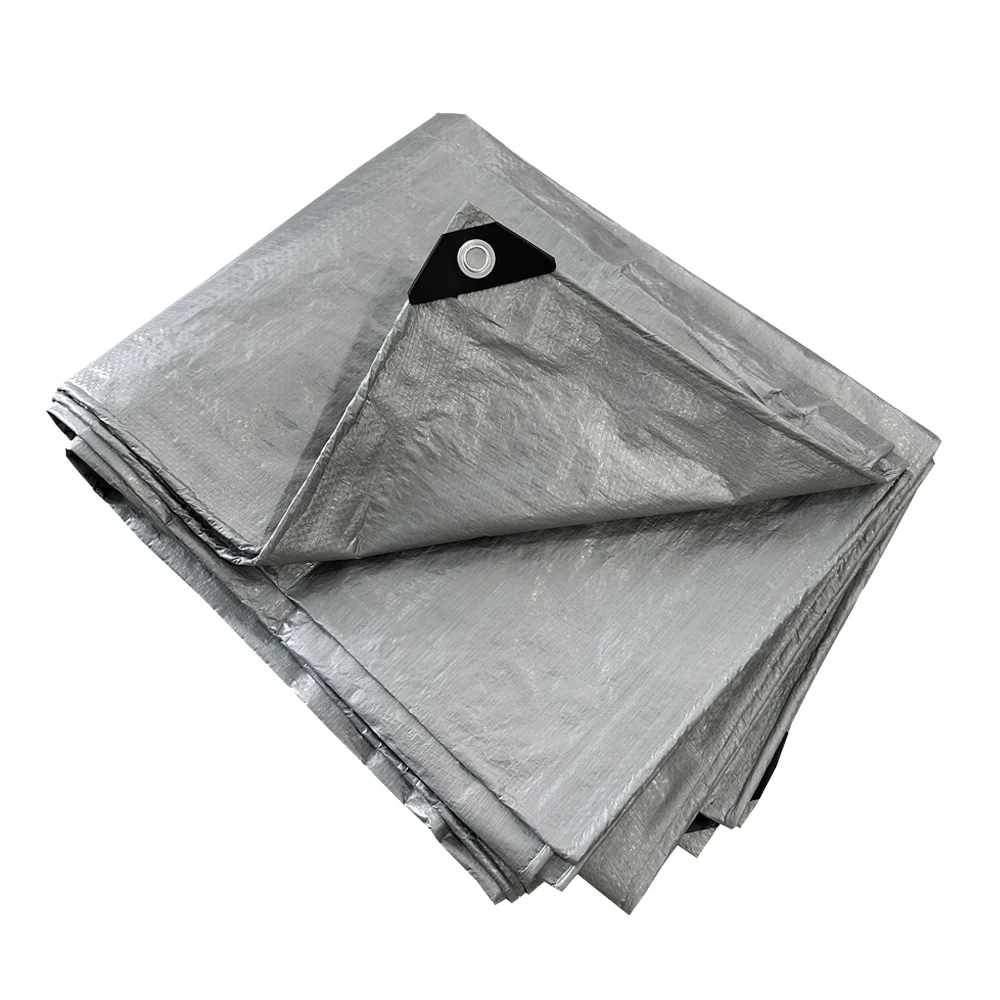
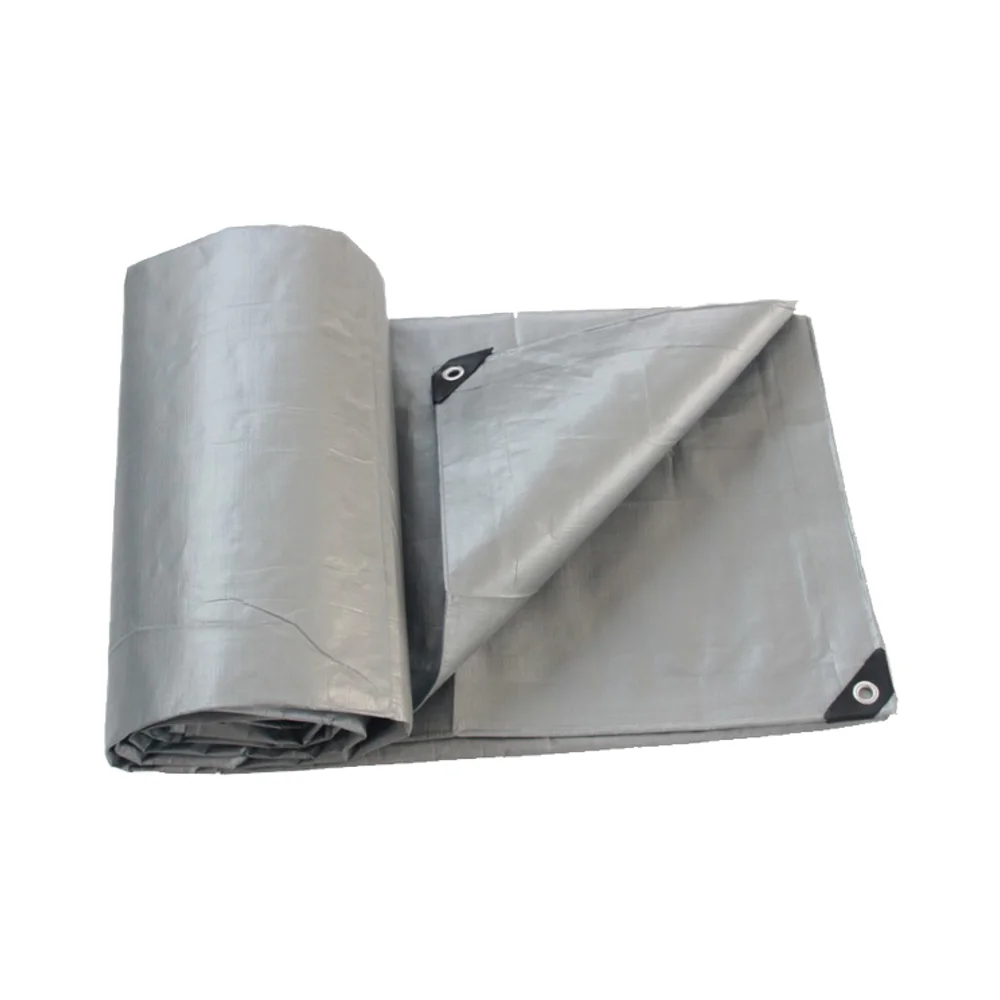
Description
Consistent GSM Per Roll — Every roll is weighed and recorded before dispatch, so the gsm stated on the quotation matches the gsm received at your warehouse.
Technical Specifications
| Parameter | Value |
|---|---|
| Product Type | PE Tarpaulin |
| Base Fabric | HDPE woven |
| Coating Method | Laminated |
| Coating Material | LDPE on both sides |
| Weight (GSM) | 50 g/m² to 220 g/m² |
| Total Thickness | 0.2 mm to 0.4 mm |
| Mesh Density Options | 6×6, 6×7, 7×7, 7×8, 8×8, 9×9, 8×10, 10×10, 12×12, 14×14, 14×16 |
| Roll Width Options | 2 m, 4 m, 6 m, 6 ft, 8 ft, 10 ft, 12 ft |
| Roll Length | 100 yards, 100 meters, or custom |
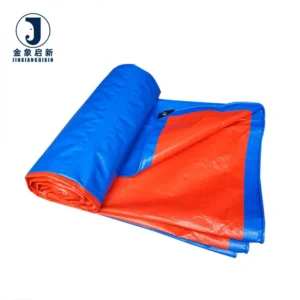
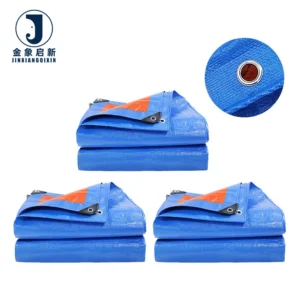
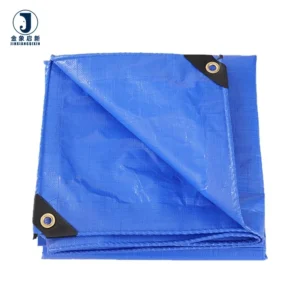
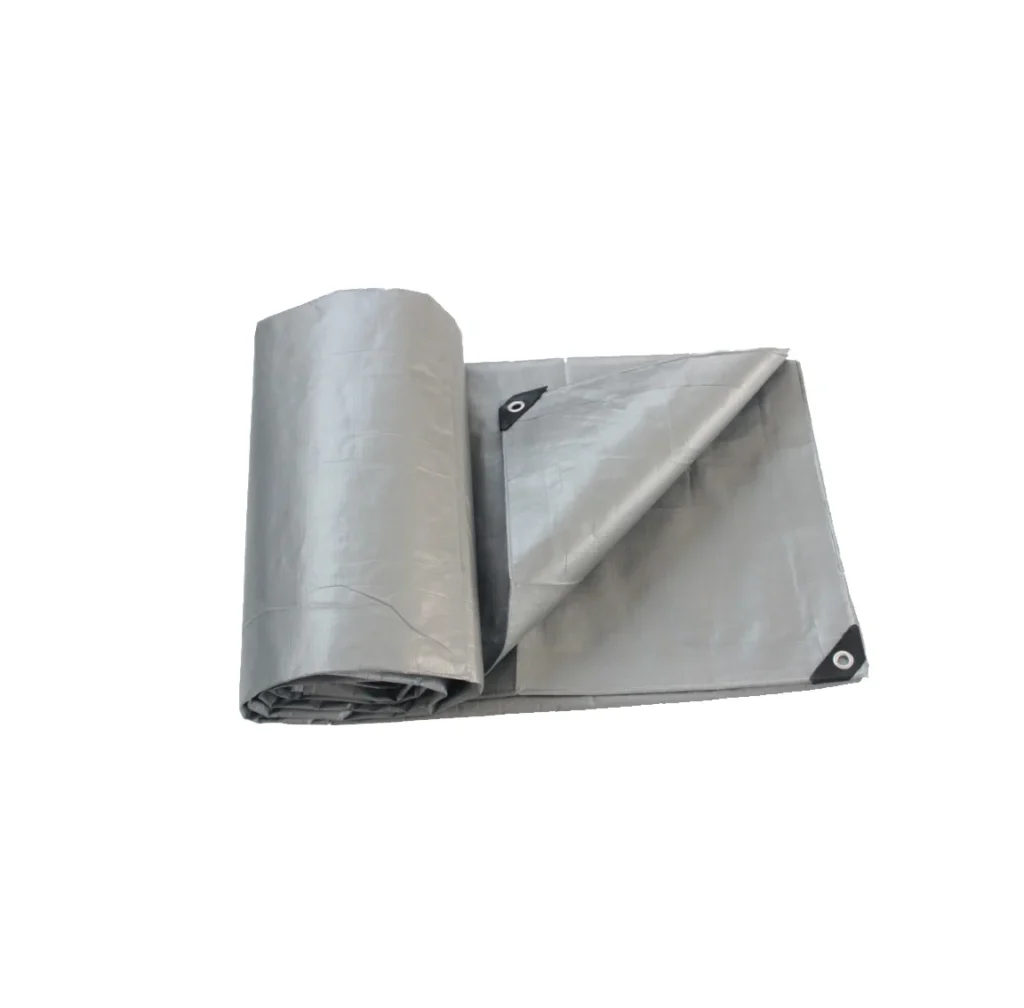
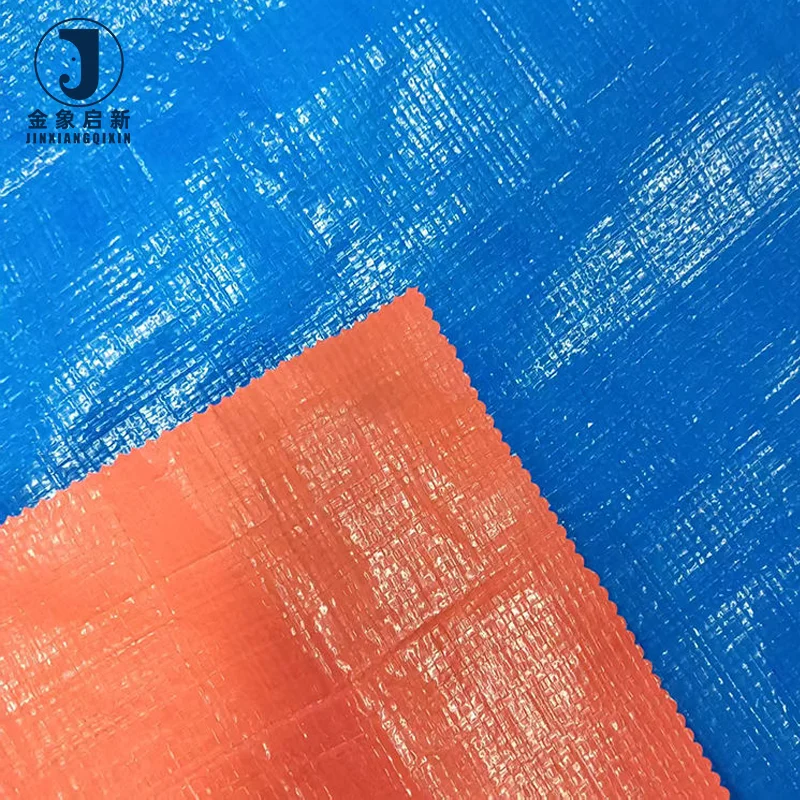
| Colour Options | Blue, Blue/Orange, Green, Grey, Black, Clear, Grey/Green, Orange, or custom |
| Waterproof | Yes |
| UV Treatment | Available (test basis not stated) |
| Anti-Mildew | Yes |
| Tear Resistant | Yes (test standard not stated) |
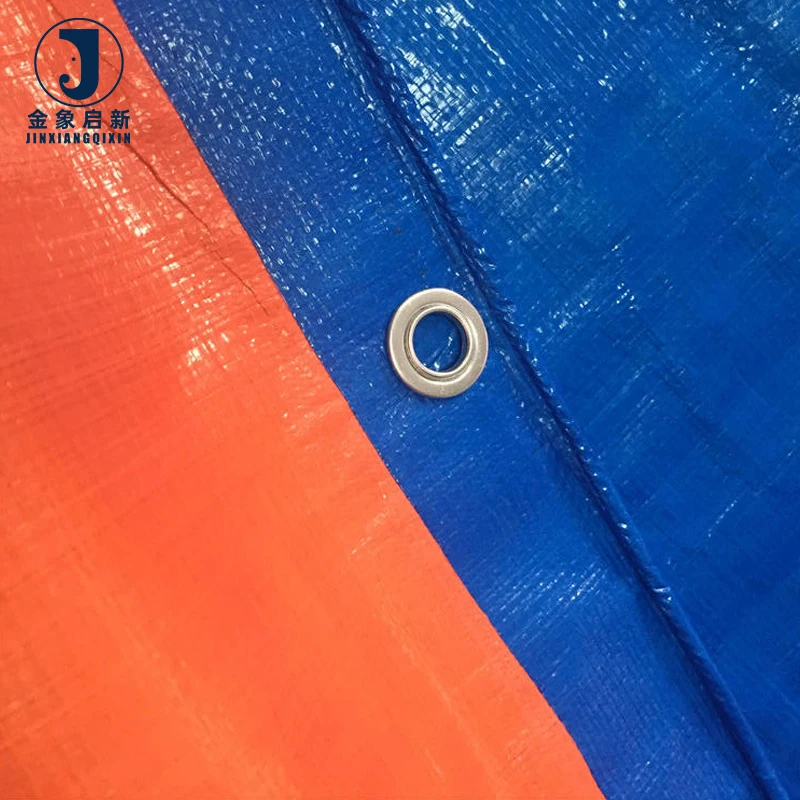
| Finished Edge | PP rope reinforced hem on all four edges |
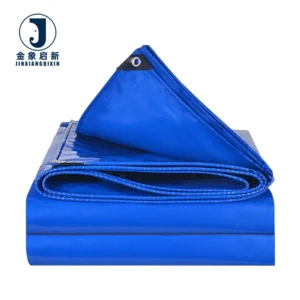
| Finished Eyelets | Galvanized, spaced every 3 ft or 1 m |
| Finished Corners | Reinforced plastic corners |
| Roll Packing | Hard paper tubes, wrapped in matching tarpaulin |
| Certification | ISO, CE |
Application Suitability
| Application | Exposure & Requirement |
|---|---|
| Truck and vehicle covers | Road debris impact, constant UV exposure, wind flex at tie-down points |
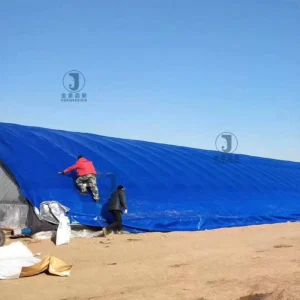
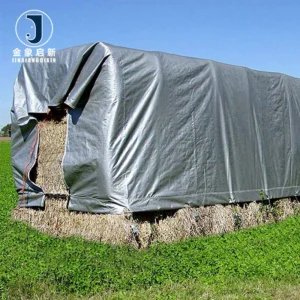
| Agricultural crop and timber covers | Long-term sun exposure, moisture, mildew risk, repeated handling |
| Construction scaffolding wraps | Abrasion against steel tubes, weather exposure, puncture from tools |
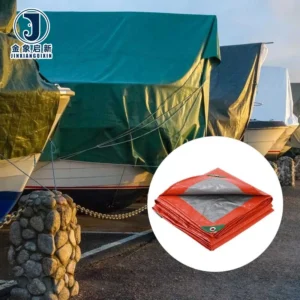
| Boat and container covers | Salt-laden moisture, UV degradation, fabric tension over sharp edges |
| Garden furniture and pool covers | Chlorine splash, standing water, repeated folding and unfolding |
| Hay and cotton stack covers | Ground moisture wicking, UV exposure, weight compression on fabric |
Why PE Tarpaulin Roll Wholesale Orders Need Verified GSM Documentation
The gsm on the quotation must match the gsm on the roll — verified before the container is sealed.
A recurring complaint in bulk PE tarpaulin imports is material arriving lighter than agreed. Distributors discover the shortfall only when customers report premature tearing or when random weigh checks at destination reveal a discrepancy. The problem compounds because lighter rolls cost less to ship but deliver less material per square metre, eroding the margin the importer planned around. [NEED_CITE:] For a PE tarpaulin roll wholesale buyer loading full containers, the financial exposure scales with every ton ordered.
Stocking Multiple Widths for Mixed Container Loads
Importers and distributors typically need a range of widths, colours, and GSM grades in a single container. The PE tarpaulin roll wholesale programme here supports mixed loads across the 2 m to 6 m width range and the full density spectrum from 6×6 weave at the lightweight end to 14×16 weave at the heavy-duty end. Roll lengths are standard at 100 yards or 100 metres, with custom lengths available for buyers who cut and resell in non-standard panel sizes. This flexibility reduces the number of containers needed to build a complete retail catalogue.
Batch-to-Batch Colour and Weight Consistency
Colour mismatch between rolls becomes visible the moment two sheets are laid side by side on a construction site or over a hay stack. The lamination process uses controlled LDPE feed rates and matched pigment batches so that rolls produced in the same run carry the same colour reference. GSM is sampled per roll during production rather than only at the start of the batch, catching coating-weight drift before it accumulates. [NEED_CITE:] Consistent output across rolls means distributors can fulfil repeat orders without the customer noticing a change.
How Density, Coating, and GSM Interact
The HDPE woven base provides the structural skeleton; the LDPE lamination on both sides seals the weave and delivers waterproofing. Mesh density directly influences the GSM band — a 6×6 weave sits in the 50–60 gsm range while a 14×14 weave reaches 150–250 gsm. However, GSM alone does not define tear performance. Two rolls at the same GSM can behave differently if one uses a coarser denier yarn at lower density and the other uses finer yarn at higher density. The lamination method also matters: LDPE lamination bonds to the woven substrate through heat and pressure, creating a peel adhesion that is distinct from the bond achieved by extrusion coating. This affects how the fabric responds when heat-welded at fabrication — laminated PE sheet tends to delaminate at the weld line if temperature and dwell time are not matched to the specific coating thickness. Buyers specifying for their own finishing operations should request a sample and test weld parameters before committing to bulk.
The Hidden Cost of Specifying Without Verification
Ordering a 120 gsm PE tarpaulin roll and receiving 105 gsm material may not be apparent until the fabric is deployed under wind load and begins tearing at the eyelet. For distributors, the liability lands downstream — the end user blames the retailer, the retailer blames the importer, and the importer is left with a container of material that does not meet its own datasheet. [NEED_CITE:] Similarly, UV treatment claimed without a supporting test report leaves the buyer exposed when agricultural covers become brittle after one season. Colour inconsistency within a single order forces installers to reject panels on site, wasting material and delaying projects. These failures are preventable with pre-shipment weight records and documented treatment verification.
Why Source PE Tarpaulin Roll Stock Here
Three full production lines and 36 sets of professional equipment support the volume needed to fill multiple containers per shipment without splitting orders across subcontractors. A 10-person R&D team handles sample development for custom widths, colours, and GSM grades, with samples dispatched within days for buyer approval before bulk runs begin. Dedicated QA and QC checkpoints at every production stage mean each roll passes through weight verification and visual inspection before packing. Pre-shipment inspection is applied at 100 per cent coverage, not statistical sampling, so every roll in the container is accounted for. The facility holds ISO and CE certification, and the production process has been refined over nearly 30 years of continuous coated-fabric manufacturing.
Documentation & Verification
- Material specification sheet listing HDPE weave density, LDPE coating type, GSM, and colour reference
- Pre-shipment inspection record with roll-by-roll GSM weight verification
- Photographic roll packing list matched to container loading plan
- Certificate of origin and customs documentation included with every shipment
- UV treatment test report available — confirm the standard required for your market
Fabrication, Handling & Storage
- Heat-weld laminated LDPE layers using temperature settings matched to the 0.2–0.4 mm total thickness to avoid delamination
- Space galvanized eyelets at 1 m intervals along the PP-rope hem to distribute tie-down load evenly
- Store rolls upright on hard paper tubes to prevent flat spots and permanent creasing in the HDPE weave
- Allow rolls acclimatise before unrolling in cold weather to reduce stiffness and cracking risk
- Cut panels with a sharp blade rather than shears to avoid fraying the woven HDPE edges
- Clean surfaces with mild detergent only; solvents may soften the LDPE lamination layer
What to Include in Your Enquiry
Provide the target GSM range, required roll widths, and colour references so the correct density and pigment batch can be allocated. Confirm whether you need roll stock only or finished cut sizes with eyelets and hems. State any UV treatment requirements and the test standard your market demands. Indicating your annual volume and container-loading preference — rolls, bales, or cartons — allows the loading plan to be optimised before quotation.
Frequently Asked Questions
Q: How is GSM verified per roll and what documentation ships with the container?
A: Each roll is weighed during production and the GSM is recorded. A pre-shipment inspection report listing actual roll weights accompanies the container, along with a material specification sheet stating the HDPE weave density, LDPE coating, GSM, colour reference, and any applicable treatment documentation.
Q: How do you control colour consistency across multiple rolls in a single bulk order?
A: Rolls within the same order are produced using matched LDPE pigment batches and controlled lamination feed rates. Colour reference numbers are assigned per batch, and visual checks are conducted at multiple production stages to catch drift before rolls are packed.
Q: What is the minimum order per width, colour, and GSM grade for container loading?
A: Container loading is planned around the mix of widths, colours, and GSM grades you require. By-bale loading in a 20-foot container carries approximately 12 tons, while roll loading carries approximately 17 tons. Confirm your specific mix so the loading plan can be calculated before quotation.
Q: Can rolls be cut to custom lengths and what are the lead times for non-stock widths?
A: Custom roll lengths are available beyond the standard 100-yard and 100-metre options. Non-stock widths up to 6 m can be produced on the existing lines. Lead times depend on the specific width and GSM grade ordered; request confirmation at enquiry stage.
Q: What UV treatment options are available and what test reports accompany the shipment?
A: UV treatment is available across the PE tarpaulin range. The specific test standard varies by market requirement. Request the test report that matches your destination market’s compliance framework at the enquiry stage so it can be prepared alongside production.