Description
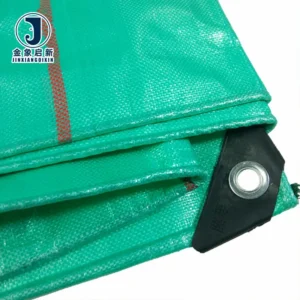
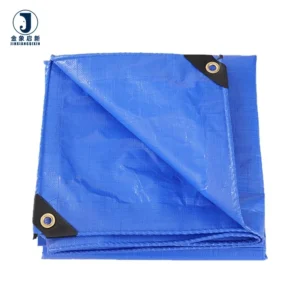
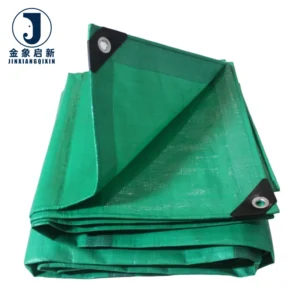
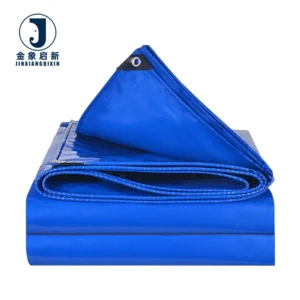
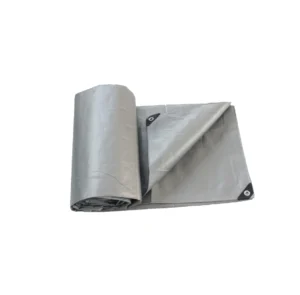
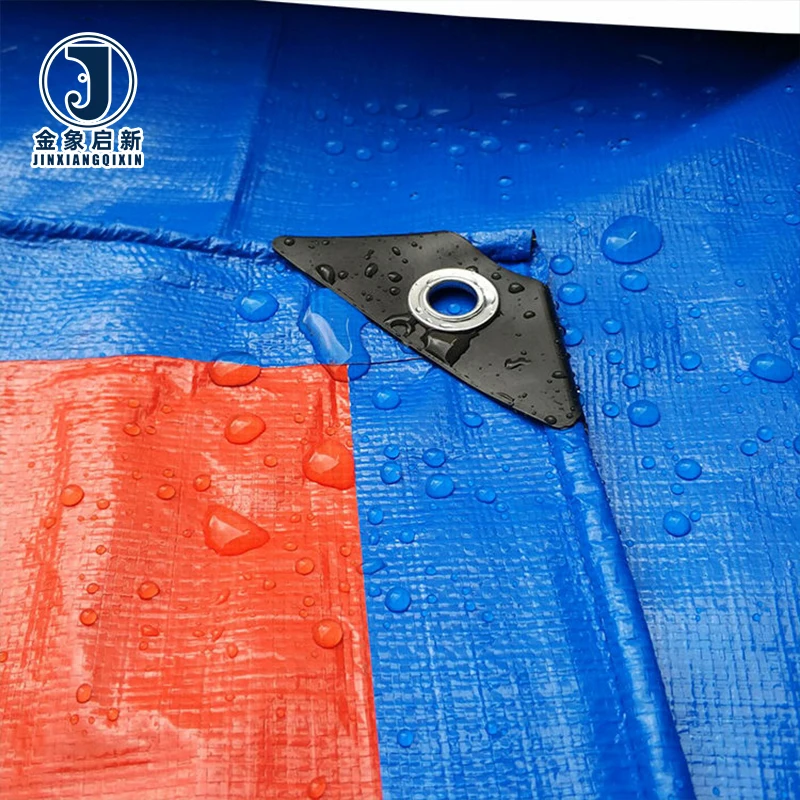
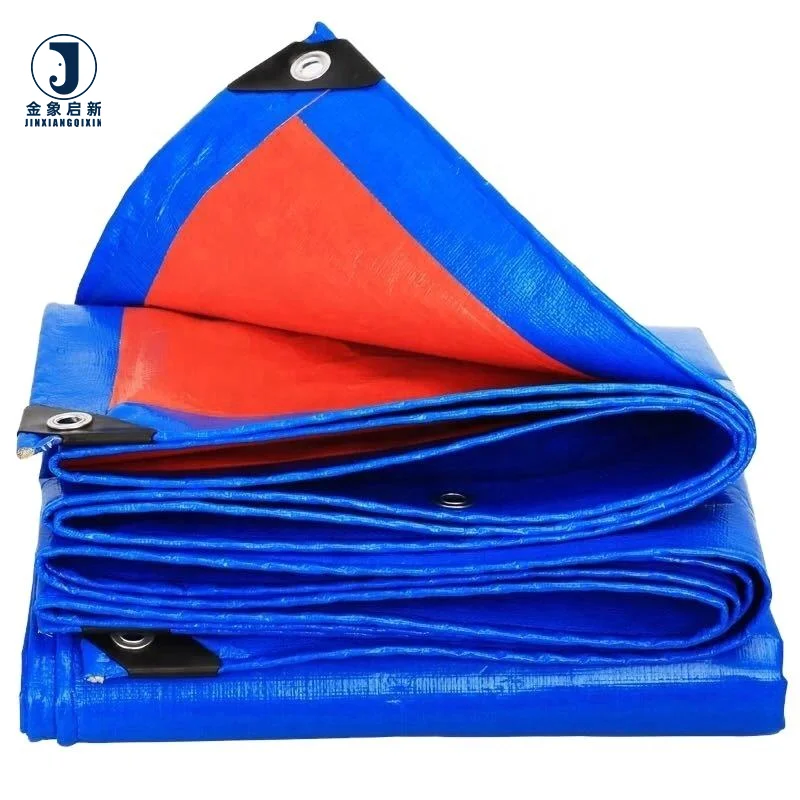
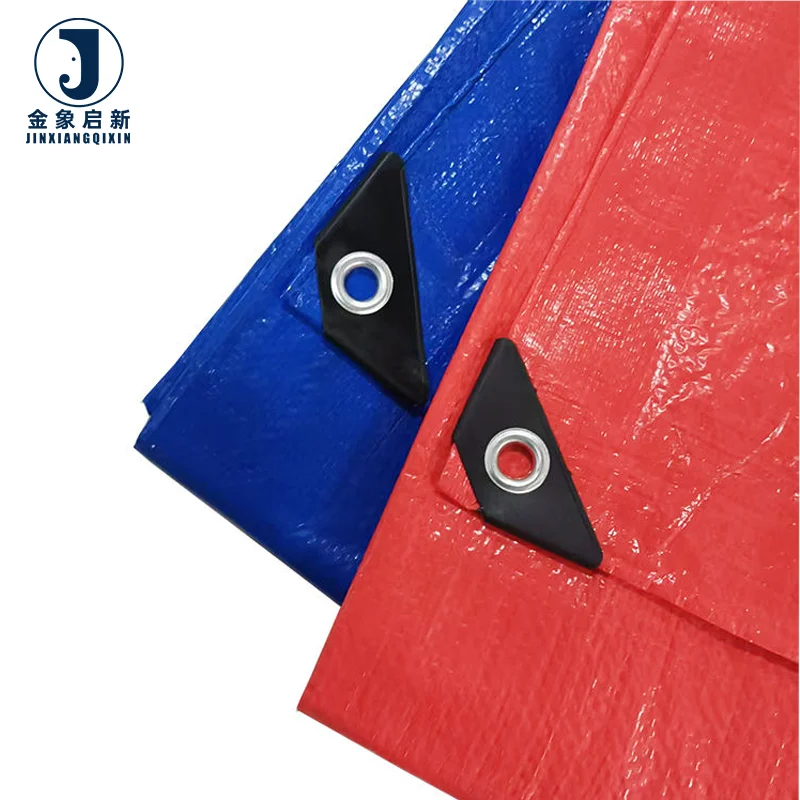
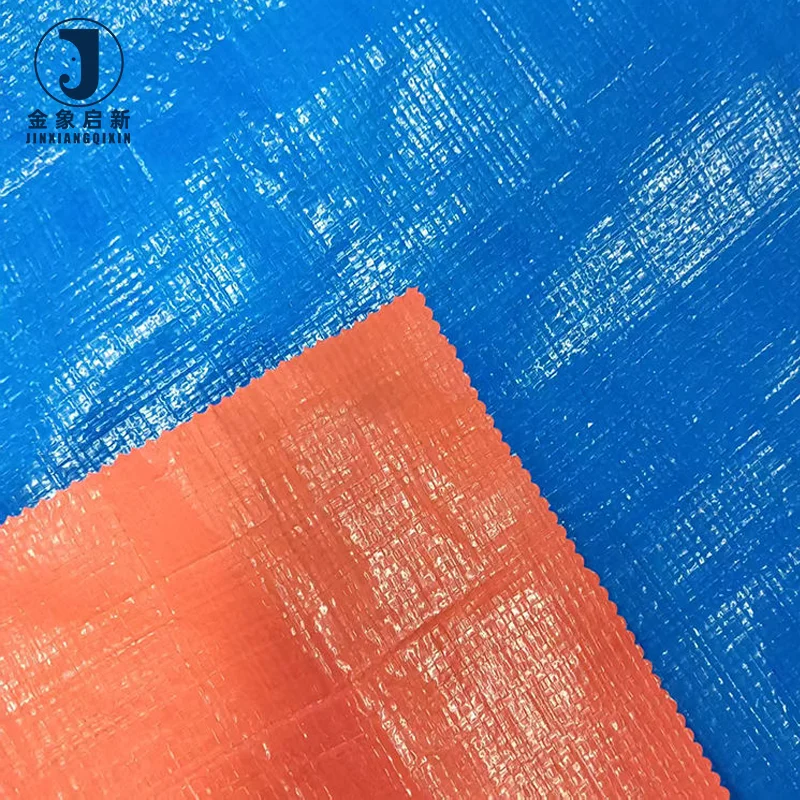
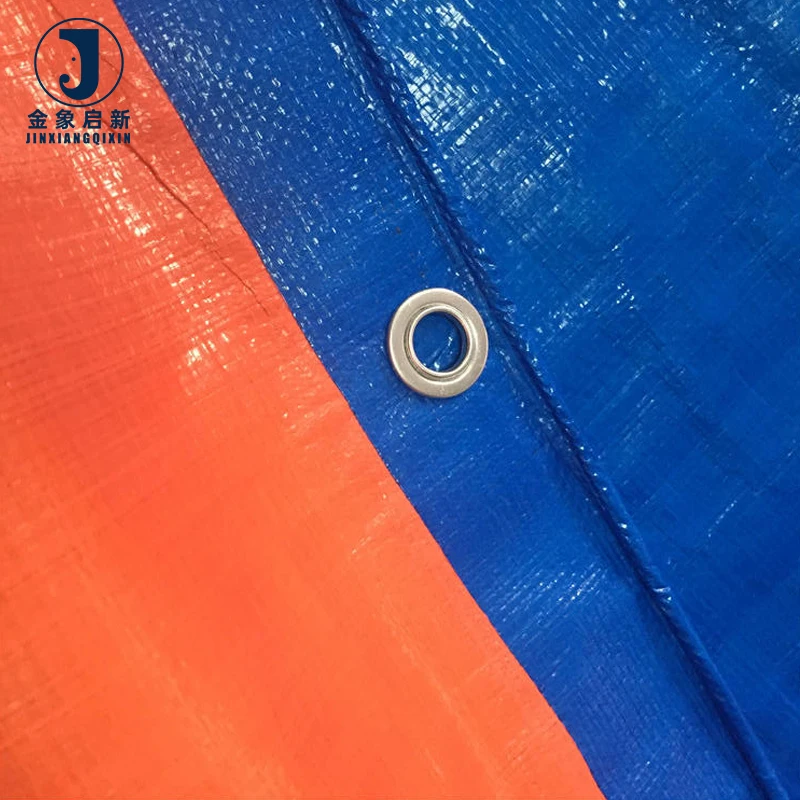
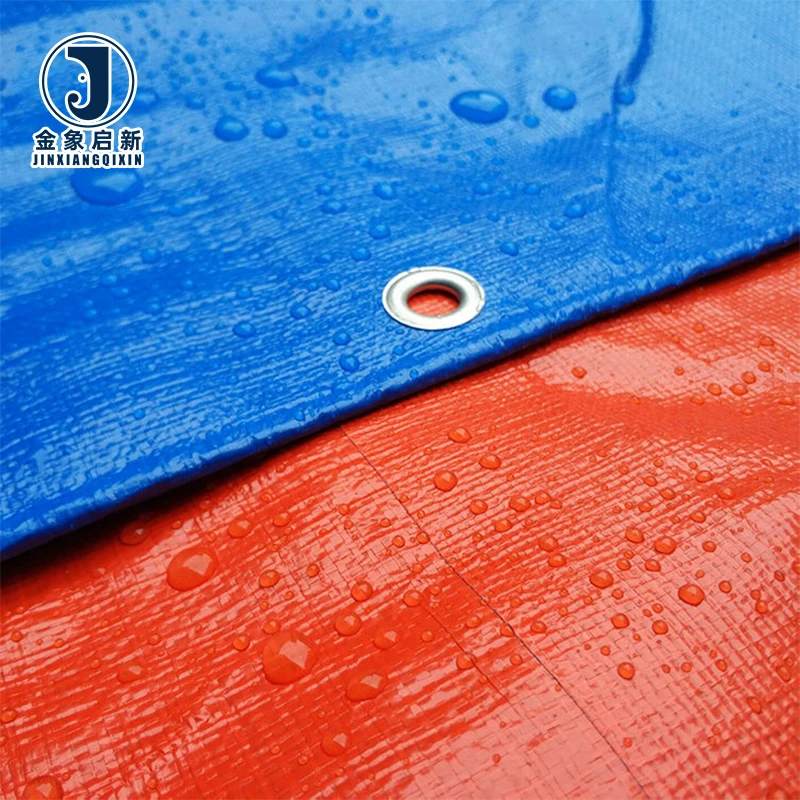
Batch Colour Consistency — verified across every roll in a single PE tarpaulin shipment through controlled coating batches and pre-dispatch visual checks against the buyer’s reference.
Technical Specifications
| Parameter | Value |
|---|---|
| Product Type | PE Tarpaulin |
| Material | PE (Polyethylene) woven fabric |
| Construction | Woven |
| Finish | Plain |
| Waterproof | Yes (test basis not stated in source) |
| UV Resistance | Yes (test basis not stated in source) |
| Anti-Mildew | Yes |
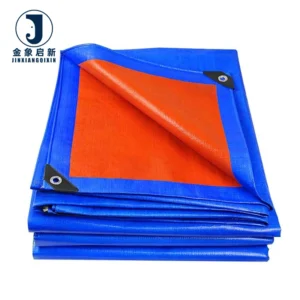
| Customization | Available in various sizes and colors |
Application Suitability
| Application | Exposure & Requirement |
|---|---|
| Outdoor tents and ceremony covers | Prolonged sun exposure, rain contact, frequent assembly and takedown causing flex stress at pole contact points |
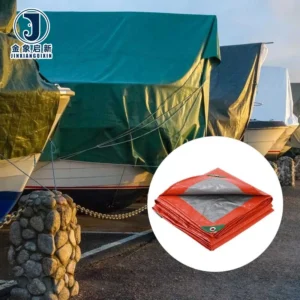
| Vehicle and trailer covers | Road debris abrasion, wind flap fatigue, UV degradation on horizontal and vertical surfaces |
| Fish farming pond liners | Permanent water immersion, soil chemistry contact, puncture risk from substrate irregularities |
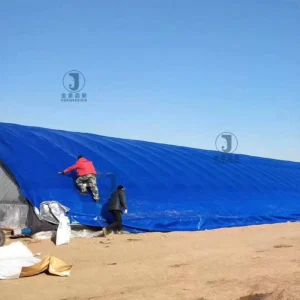
| Roof covering and equipment protection | Standing water, thermal cycling, dust and chemical fallout accumulation |
| Event and awning fabric conversion | Roll-to-roll color matching across panels, clean heat-weld seams, consistent drape behaviour |
Why Roll-to-Roll Colour Drift Happens in Wholesale PE Tarpaulin Orders
Colour inconsistency across rolls in the same container is one of the most frequent complaints from tarpaulin distributors and fabricators sourcing PE tarpaulin roll wholesale bulk. The visible difference only appears once two panels are installed side by side, by which point the material has already been cut, welded and shipped to the end user.
Colour variation is a process control failure, not a material defect — it traces back to pigment dosing consistency and coating temperature stability during extrusion.
When production runs span multiple days or resin batches shift mid-order without re-matching, even slight pigment ratio changes become visible under daylight. Buyers who have experienced this know the cost is never just the roll itself; it is the fabricated product, the shipping, the installation crew standing by and the customer relationship. [NEED_CITE: color measurement methods for coated fabrics per ISO standards]
Stocking Strategy for Distributors Converting Roll Stock
Tarpaulin distributors purchasing PE tarpaulin roll wholesale bulk need to balance warehouse variety against container utilisation. Standard widths allow full-width conversion for truck covers and tent panels without longitudinal welds, while custom widths reduce offcut waste for specific fabricated products. Ordering a mixed-container of several widths and colours within a single production batch keeps colour matching tight and freight cost per roll predictable.
How Volume Pricing Tiers Work at Container Load
Buying by the roll at container scale changes the unit economics significantly compared to cut-size orders. Full 40ft containers allow tighter roll packing and higher net weight per shipment, which reduces the freight cost absorbed into each square metre. Buyers placing repeat container orders on fixed colour references benefit from shorter production runs since the pigment formulation and loom setup are already established. [NEED_CITE: container loading calculations for rolled textile products]
Reading GSM and Base Fabric Together, Not Separately
GSM alone does not determine how a PE tarpaulin performs in the field. A lighter roll with a tightly woven high-denier base fabric can outperform a heavier roll with a loose weave and thick coating that adds weight without adding tensile contribution. For pond liner applications where puncture resistance matters most, the base fabric weave density and coating adhesion together determine whether the material resists substrate pressure or delaminates at the first flex. For tent and awning fabricators, the plain finish and consistent coating weight across the roll width directly affect how cleanly the material heat-welds and whether seams hold under wind load without peeling. The anti-mildew treatment applied during coating adds functional value for rolls stored in humid warehouses before conversion, preventing surface staining that would otherwise become visible after fabrication.
The Hidden Cost of Specifying by GSM Without Verification
When a quotation states a GSM figure but the roll arriving on site weighs lighter, the buyer has paid for material they did not receive and is now using fabric that may fail earlier than the design expected. This problem compounds in wholesale purchasing: a distributor who passes lighter rolls to their own customers inherits the warranty claim, the site visit and the reputational damage. Weld seams are typically the first point of failure on PE tarpaulin covers, and if the coating weight is below specification, the heat-weld penetration depth changes — meaning standard welding parameters no longer produce a reliable bond. [NEED_CITE: weld strength testing methods for thermoplastic coated fabrics]
Why Sourcing PE Tarpaulin Rolls Here Reduces Batch Risk
Production runs on three dedicated lines allow large orders to complete within a single batch, keeping pigment formulation and coating conditions constant from first roll to last. A 10-person R&D team handles colour matching against buyer references before production starts, developing sample swatches within days so approval happens before the main run. Every roll undergoes individual weight and surface inspection before packing, with results recorded rather than sampled. ISO and CE certified production processes ensure that repeat orders on the same colour reference reproduce consistently. Roll packing lists detail net and gross weight per roll plus container loading plans, giving buyers full logistics visibility before dispatch.
Documentation & Verification
- Material specification sheet confirming base fabric, coating material, colour reference and treatment applied per roll batch
- Pre-shipment inspection record with individual roll weight check against stated specification before container loading
- Roll packing list detailing roll count, net and gross weight and container loading plan for freight planning
- UV and anti-mildew treatment confirmation noted on the specification sheet for each production batch
- ISO and CE certificates available to support buyer compliance documentation in destination markets
Fabrication, Handling & Storage
- Heat-weld PE tarpaulin rolls using temperature settings matched to the plain finish coating thickness to avoid delamination
- Store rolls upright on pallets in dry conditions to prevent compression creasing that affects flat lay during conversion
- Allow stored rolls to reach ambient temperature before unrolling in cold conditions to prevent coating surface cracking
- Cut panels from the same roll for adjacent tent or cover panels to guarantee colour match across visible seams
- Clean fabricated PE tarpaulin products with mild detergent only to preserve the anti-mildew treatment surface layer
- Plan cut-size layouts to minimise offcuts, using the full roll width for large panels such as pond liners
Preparing Your Roll Stock Inquiry
To receive a precise quotation and lead time, share the target widths, roll lengths and colour references required for your market. Specify whether the order is for standard stock grades or custom widths and colours so we can confirm minimum quantities per variant. Indicate the end application — whether the rolls will be converted into tents, pond liners, truck covers or resold as cut-size sheets — so we can recommend the appropriate treatment package. If batch colour consistency is critical, request pre-production colour swatches against your reference before the main run begins.
Frequently Asked Questions
Q: How is roll-to-roll weight verified before shipment and what is the re-check procedure?
A: Every roll is individually weighed and surface-inspected before packing, with results recorded on the pre-shipment inspection document. On arrival, buyers can re-check GSM by cutting a measured sample from the roll end and weighing it. Any discrepancy against the stated specification should be reported with photographs and the roll batch number for resolution.
Q: What standard widths are stocked and how are custom widths handled?
A: Standard widths cover the most common conversion needs for tent panels, truck covers and pond liners. Custom widths are available per roll order with manageable minimums, and mixing several widths within a single container is possible. Confirm the required widths at inquiry stage so production scheduling can group them into a single batch for consistency.
Q: How is batch colour consistency controlled across multiple rolls in one order?
A: Pigment formulation is matched to the buyer’s colour reference and locked for the entire production run. All rolls in a single order are produced from the same coating batch where possible, and visual checks against the reference are performed during pre-shipment inspection. Buyers requiring strict colour matching across repeat orders should retain the approved swatch as the ongoing reference.
Q: What documentation ships with a container order?
A: Each shipment includes a material specification sheet, roll packing list with weights and container plan, pre-shipment inspection record and certificate of origin. UV and anti-mildew treatment details are noted on the specification sheet. Additional test reports can be arranged per order if the destination market requires specific compliance documentation.
Q: What UV resistance test basis applies and can additional testing be arranged?
A: UV-resistant treatment is applied during the coating process, though the specific test standard is confirmed per buyer requirement at inquiry stage. If your market requires a particular UV exposure test method or minimum hours rating, specify this when ordering so testing can be scheduled alongside production. Additional third-party lab testing can be arranged on request.